WASHINGTON – As climate patterns become increasingly volatile and hurricane seasons grow more intense, the immediate aftermath of a tropical cyclone presents a high-stakes environment for employers and emergency responders alike. Recognizing the elevated risks inherent in disaster recovery—ranging from structural instability to electrical hazards—the Occupational Safety and Health Administration (OSHA) has reiterated its commitment to worker safety by promoting a suite of specialized resources designed to mitigate injury and loss of life during post-hurricane operations.
In the wake of widespread destruction, the rush to restore power, clear debris, and rebuild infrastructure often leads to a "hurry-up" culture. This environment, while necessary for economic and community recovery, is frequently the setting for preventable workplace fatalities. OSHA’s latest push aims to bridge the gap between the urgency of recovery and the necessity of safety compliance.
The Core Mandate: Protecting the Recovery Workforce
The primary focus of OSHA’s advisory efforts is the Hurricane eMatrix, a comprehensive digital tool that serves as a diagnostic and preventative guide for supervisors and site safety managers. The eMatrix is not merely a checklist; it is an interactive resource that categorizes activities commonly performed during the recovery phase—such as debris removal, flood cleanup, and structural demolition—and maps them directly to the specific hazards associated with those tasks.
Understanding the eMatrix
For an employer or a site supervisor, the eMatrix acts as a risk-assessment engine. By selecting a specific work activity, users are provided with a curated list of:
- Identified Hazards: Specific threats, such as carbon monoxide exposure from portable generators, slip-and-fall risks on slick surfaces, or the presence of biohazards in floodwater.
- Recommended Precautions: Engineering controls, such as ventilation requirements for enclosed spaces.
- Personal Protective Equipment (PPE): Targeted requirements for respiratory protection, eye protection, and high-visibility gear.
By centralizing this data, OSHA intends to minimize the "information overload" that often occurs during the chaotic initial hours of a disaster response.
Chronology of Response: From Landfall to Recovery
To understand why these resources are critical, one must look at the lifecycle of a hurricane-related workplace injury. The chronology of post-disaster operations generally follows three distinct phases, each carrying unique safety burdens.
Phase 1: Immediate Emergency Response (0–72 Hours)
This phase is dominated by search-and-rescue operations and the clearing of primary supply routes. The highest risks here are associated with downed power lines, swift-moving water, and structural instability. During this period, OSHA emphasizes the "stop-work" authority for employees who encounter environments that have not been cleared by structural engineers.
Phase 2: Site Stabilization and Assessment (3–14 Days)
Once the immediate danger passes, the cleanup effort moves into the stabilization phase. This is when the majority of workplace accidents occur. Workers are often exhausted, and safety protocols are frequently bypassed to accelerate the reopening of stores, homes, and offices. The use of chainsaws, heavy equipment, and temporary electrical hookups increases the likelihood of lacerations, crushing injuries, and electrocution.

Phase 3: Long-term Reconstruction (14 Days – Months)
The final phase involves formal demolition and reconstruction. This is a highly regulated environment, yet it is often where safety fatigue sets in. OSHA’s fact sheets on demolition safety are specifically designed to address the risks of working in buildings that have been compromised by floodwater or high-wind stress, which can lead to sudden, catastrophic structural failure.
Supporting Data: The Cost of Complacency
The necessity of OSHA’s intervention is underscored by decades of occupational data. According to the Bureau of Labor Statistics (BLS), the fatality rate in construction and utility repair following a natural disaster is significantly higher than during standard operations.
- Electrocution: Remains a leading cause of death following hurricanes. Improperly installed back-feed generators—where a generator is plugged into a home or business outlet without a transfer switch—can send lethal voltage back into the utility grid, endangering line workers miles away.
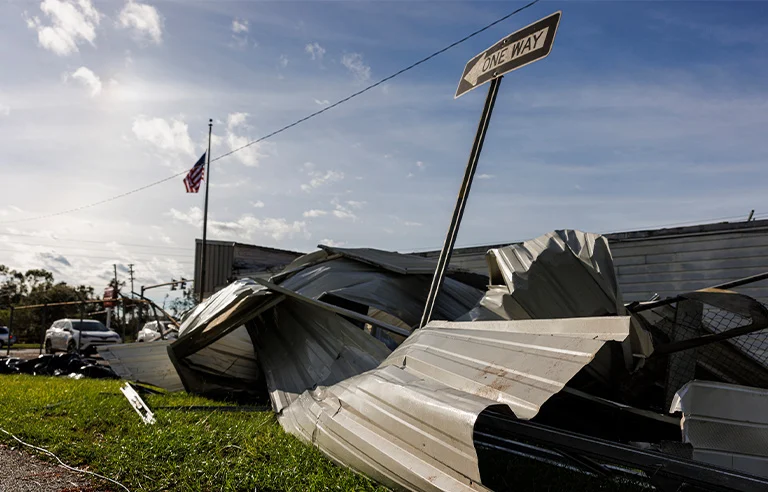
- Structural Failure: "Leveled workplaces," as depicted in current imagery from recent storm zones, are deceptive. Even if a building appears to be "mostly standing," compromised load-bearing walls pose a constant threat to debris removal crews.
- Heat Stress: Recovery often takes place during peak heat months. Without adequate hydration and rest breaks, workers in heavy PPE are at a high risk for heat exhaustion and heat stroke, which can lead to impaired judgment and subsequent accidents.
OSHA’s resources provide the evidence-based framework needed to combat these trends. By shifting the focus from "fast recovery" to "safe recovery," agencies have observed a statistical reduction in reportable injuries during large-scale cleanup operations.
Official Responses and Regulatory Guidance
OSHA’s communication strategy is two-fold: proactive dissemination of digital tools and a reactive enforcement stance.
"The goal is not to hinder progress, but to ensure that the people rebuilding our communities go home to their families every night," says an OSHA spokesperson. "The eMatrix is designed to be utilized by the foreman on the ground, not just the safety director in an office."
Beyond the eMatrix, OSHA has expanded its library of QuickCards. These are condensed, high-impact reference sheets that can be laminated and kept in the pockets of workers. Topics covered include:
- Tree-Trimming Safety: Addressing the specific dangers of working with aerial lifts and proximity to damaged electrical lines.
- Electrical Safety: Guidelines for identifying water-damaged panels and the proper usage of ground-fault circuit interrupters (GFCIs).
- Demolition Hazards: Protocols for shoring up walls and managing hazardous debris containing mold or asbestos.
These resources are categorized under the "OSHA Resources" tab on the official hurricane webpage, ensuring that even in areas with limited bandwidth, critical information can be accessed quickly.
The Broader Implications for Safety Professionals
For the 92,000+ safety and health professionals who rely on industry news, the availability of these tools carries a professional responsibility. The Board of Certified Safety Professionals (BCSP) has integrated these resources into their recertification curriculum. By completing quizzes related to these disaster-response protocols, professionals can earn valuable recertification points.

This integration is a strategic move to ensure that the "boots on the ground" are supervised by individuals who are not only trained in general safety but are specifically versed in the nuances of disaster recovery.
The Shift Toward Proactive Preparedness
The modern approach to hurricane safety is shifting from reactive post-event training to "pre-event readiness." Organizations are now encouraged to:
- Download the eMatrix offline: In areas where internet access may be severed by storm damage, having these tools saved locally is vital.
- Conduct Pre-Storm Toolboxes: Holding "tailgate meetings" before the hurricane hits, where the hazards of the cleanup phase are discussed before the adrenaline of the event takes over.
- Inventory PPE Requirements: Ensuring that masks (N95s), gloves, and safety glasses are stocked and ready for immediate deployment.
Conclusion: A Culture of Safety in Chaos
The aftermath of a hurricane is a test of character and infrastructure. While the physical destruction is often the headline, the hidden cost is the potential for industrial tragedy during the recovery. OSHA’s comprehensive resources—the eMatrix, the QuickCards, and the specialized fact sheets—provide a blueprint for resilience.
By integrating these tools into their daily operations, employers do more than just comply with federal regulations; they demonstrate an institutional commitment to the value of human life. As storms continue to test our infrastructure, the ability to pivot to safe, methodical, and informed recovery work will remain the most critical skill for any safety professional.
For those looking to deepen their expertise, the official OSHA hurricane portal remains the definitive hub for updated protocols, ensuring that as the landscape of disaster recovery evolves, the standards for worker safety evolve right alongside it.
For more information on these resources or to access the eMatrix, visit the official OSHA hurricane recovery page.