Introduction: Why Procurement Transformation Falters
For decades, the promise of procurement transformation has been a cornerstone of the enterprise digital agenda. Organizations have poured billions into complex software suites, promising streamlined operations, reduced costs, and ironclad compliance. Yet, the reality on the ground often tells a different story: fragmented processes, rampant manual workarounds, and abysmal user adoption rates.
The failure is rarely technical; it is philosophical. When procurement modernization is treated as an IT infrastructure project rather than a user experience (UX) initiative, it is doomed to fail. As Shaz Khan, Co-Founder and CEO of Vroozi, notes, the disconnect between the clunky, legacy-laden enterprise systems and the consumer-grade expectations of the modern workforce has created a "shadow procurement" culture. When employees find a system too difficult to navigate, they revert to email, spreadsheets, and off-contract purchasing, effectively nullifying the controls that procurement teams have fought so hard to implement.
The Chronology of Modernization: From Control to Connection
The evolution of procurement technology has traveled a winding path, shifting from rigid, monolithic architectures to the current era of modular, intelligent ecosystems.
- The Era of Monoliths (Pre-2015): Organizations relied on massive, on-premise ERP systems that acted as both the system of record and the user interface. Customization was the norm, leading to "spaghetti code" that made upgrades nearly impossible.
- The Integration Struggle (2015–2020): Companies began adopting cloud-based point solutions to solve specific procurement headaches. However, these systems often lacked deep integration, resulting in data silos and "swivel-chair" processes where employees manually moved information between systems.
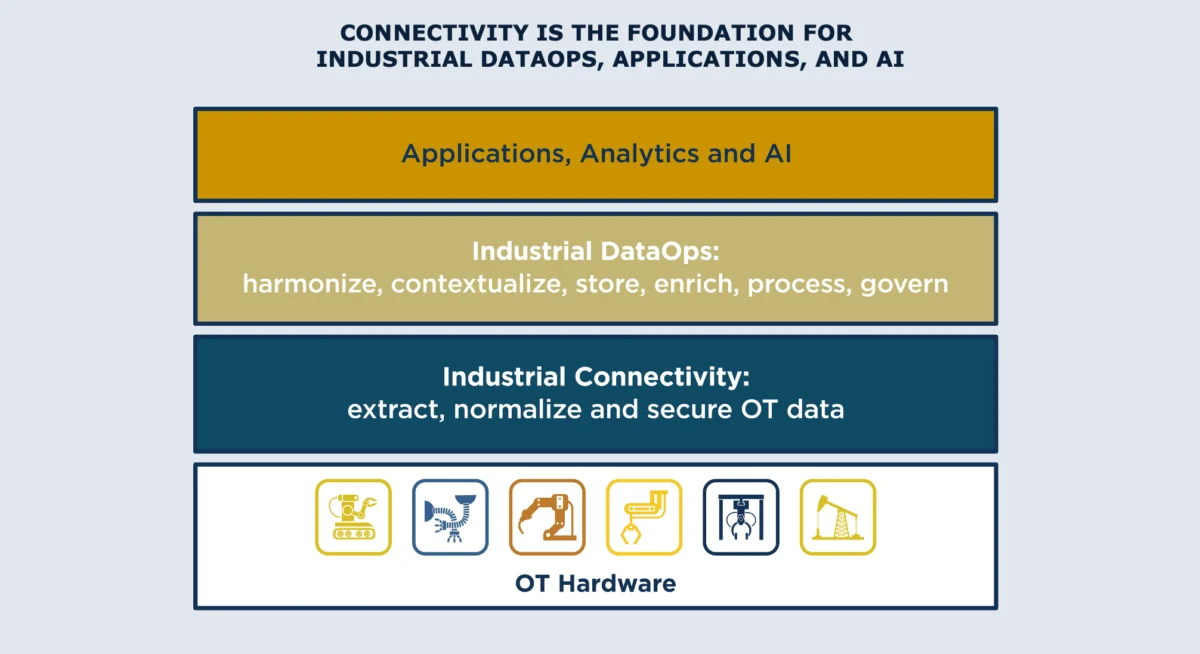
- The Clean Core Mandate (2020–Present): Led by shifts in the SAP ecosystem, the industry is now moving toward the "Clean Core" philosophy. This strategy dictates that the ERP should remain a standardized, stable core of record, while the innovation, user experience, and specialized workflows are offloaded to agile, purpose-built applications that connect via API.
Supporting Data: The Cost of Low Adoption
The gap between implementation and adoption is where ROI goes to die. Industry metrics consistently show that for every dollar spent on procurement software, a significant percentage is lost to "leakage"—spend that occurs outside of controlled, negotiated channels.
When user experience is ignored, procurement teams lose visibility into:
- Maverick Spend: Purchases made outside of established contracts, often at higher price points.
- Audit Readiness: Manual processes using email and spreadsheets lack the audit trail necessary for modern compliance.
- Data Integrity: Fragmented data entry leads to inconsistent reporting, which in turn leads to poor strategic decision-making by category managers.
Organizations that focus on adoption rather than just "go-live" dates are the ones that successfully convert software spend into bottom-line savings. Success in this context is measured by the flow of spend through the platform, the decrease in manual exceptions, and the reliance on digital catalogs over manual purchase requests.

Official Perspectives: Shaz Khan on the New Architecture
In a recent Q&A, Vroozi CEO Shaz Khan articulated the strategic shift required to bridge the gap between enterprise control and user efficiency. According to Khan, the solution lies in a "snap-on" architectural approach.
"The balance comes from connecting to SAP instead of living inside it," Khan explains. By leveraging an API-first approach, Vroozi and similar platforms allow the ERP to focus on its primary strength: maintaining the integrity of financial data. Meanwhile, the procurement interface—which must handle fluctuating approval paths, compliance checks, and supplier catalog management—is housed in a layer built specifically to adapt to business change.
The Louis Vuitton Philosophy of Purchasing
Khan argues that procurement platforms must stop looking like accounting tools and start feeling like consumer applications. "I’ve said before that we want procurement to feel like the Louis Vuitton of purchasing experiences," says Khan. "That’s less about polish for its own sake and more about the feeling of effortlessness, approachability, and trust that comes with a well-designed product."
This "consumer-grade" approach is the ultimate safeguard for compliance. If the system is easy to use, employees use it. If they use it, procurement teams retain the control they need to enforce policy without resorting to policing behavior.
AI: Automating the Mundane, Elevating the Human
The discourse around Artificial Intelligence in procurement often fluctuates between irrational exuberance and paralyzing fear. However, the practical application of AI is becoming increasingly clear: it is a tool for tasks, not a replacement for judgment.
Where AI Delivers Value
- Intelligent Document Processing (IDP): Reading and interpreting invoices with high accuracy.
- Automated Matching: Aligning purchase orders, receipts, and invoices without human intervention.
- Spend Anomaly Detection: Flagging unusual patterns in real-time that would take a human auditor weeks to identify.
- Structured Task Execution: Managing routine reorders and catalog-based purchasing.
The Indispensable Human Element
Despite the rapid advancement of autonomous agents, Khan emphasizes that the "judgment" layer remains firmly in human hands. Negotiation, high-stakes supplier relationship management, complex contract disputes, and handling exceptions that fall outside of historical patterns require context, empathy, and strategic foresight—qualities that AI currently lacks.

"AI eliminates tedious tasks, but it also reveals gaps you didn’t know existed," says Khan. "A category manager still has to decide what those gaps mean for a supplier relationship or a budget."
Governance and the Future of the ERP
As organizations delegate more decision-making power to AI agents, the conversation around governance becomes critical. The danger of "black box" procurement—where an algorithm makes a decision that no one can explain—is a significant risk to financial control.
Khan suggests a dual-pronged approach to AI governance:
- Transparency: Every autonomous action must have a clear, plain-language audit trail.
- Visible Autonomy: Autonomy does not have to be invisible. Leaders should keep AI decisions visible and reversible until the organization has built a sufficient history of trust.
This shift also redefines the role of the ERP. As specialized, AI-driven platforms take on more of the workflow and user-facing intelligence, the ERP’s footprint is shrinking, albeit becoming more focused. It will remain the "System of Record," but it will no longer be the "System of Everything."
Implications: Preparing for the Next Three Years
For procurement, finance, and IT leaders, the next three to five years will represent a "great divide" between organizations that truly transform and those that simply digitize outdated habits.
Strategic Priorities for Leaders:
- Prioritize Data Architecture: AI is only as good as the data it consumes. Companies that invest in cleaning their data foundations today will be the ones that effectively deploy AI tomorrow. As Khan warns, "The tool gets smarter, but the output doesn’t" if the underlying data is flawed.
- Shift Focus to Adoption Metrics: Stop measuring success by project completion. Start measuring it by the percentage of total addressable spend flowing through digital, compliant channels.
- Embrace Modularity: Move away from monolithic, "all-in-one" ERP customization. Invest in an ecosystem where specialized applications can be swapped or upgraded without requiring a full-scale, multi-year ERP implementation.
Conclusion: The Human-Centric Transformation
The future of procurement is not a fully automated, human-free warehouse. It is a highly integrated, intelligent ecosystem where the technology handles the high-volume, low-ambiguity "noise," leaving the human procurement professional to focus on the high-value "signal." By prioritizing user experience, maintaining a clean ERP core, and keeping human judgment at the center of the decision-making loop, organizations can finally move past the frustrations of the last decade and into an era of truly modernized enterprise purchasing.