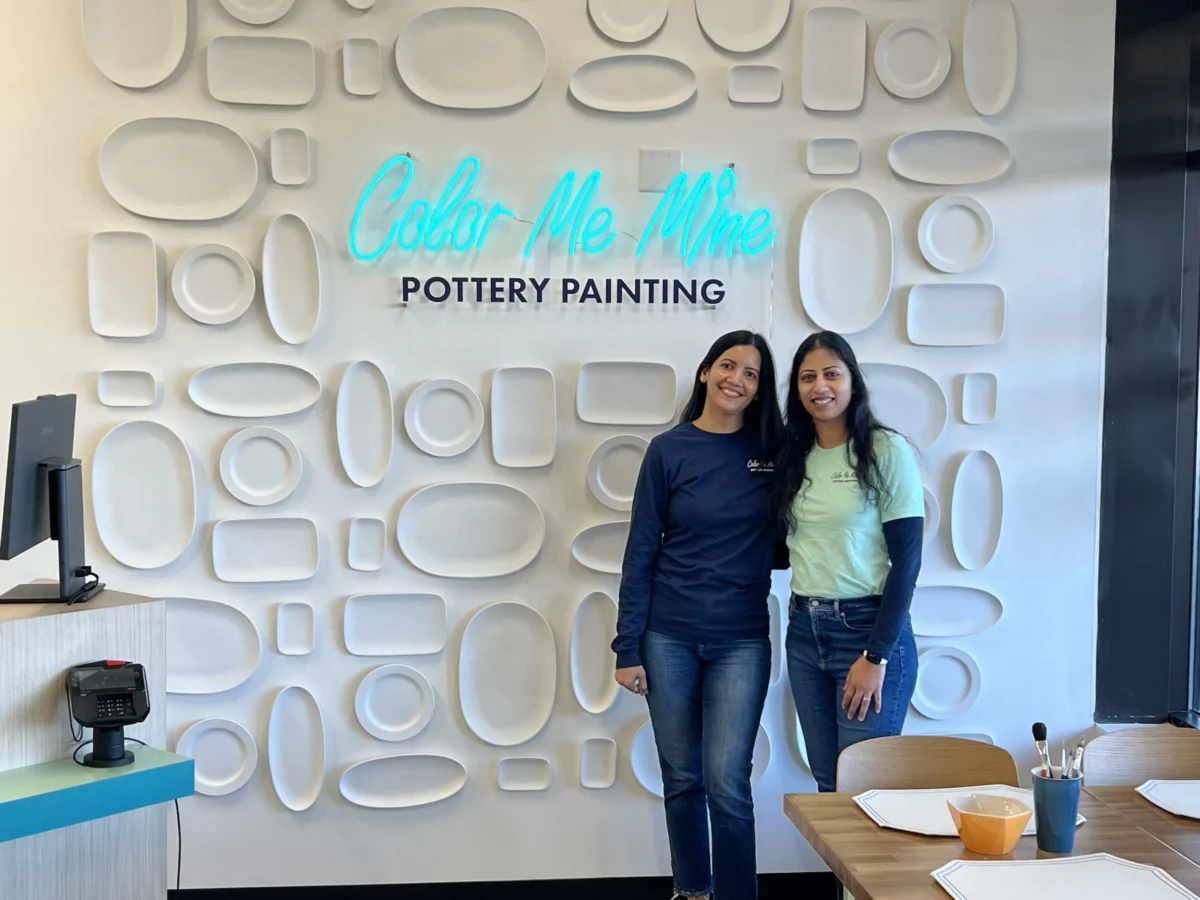
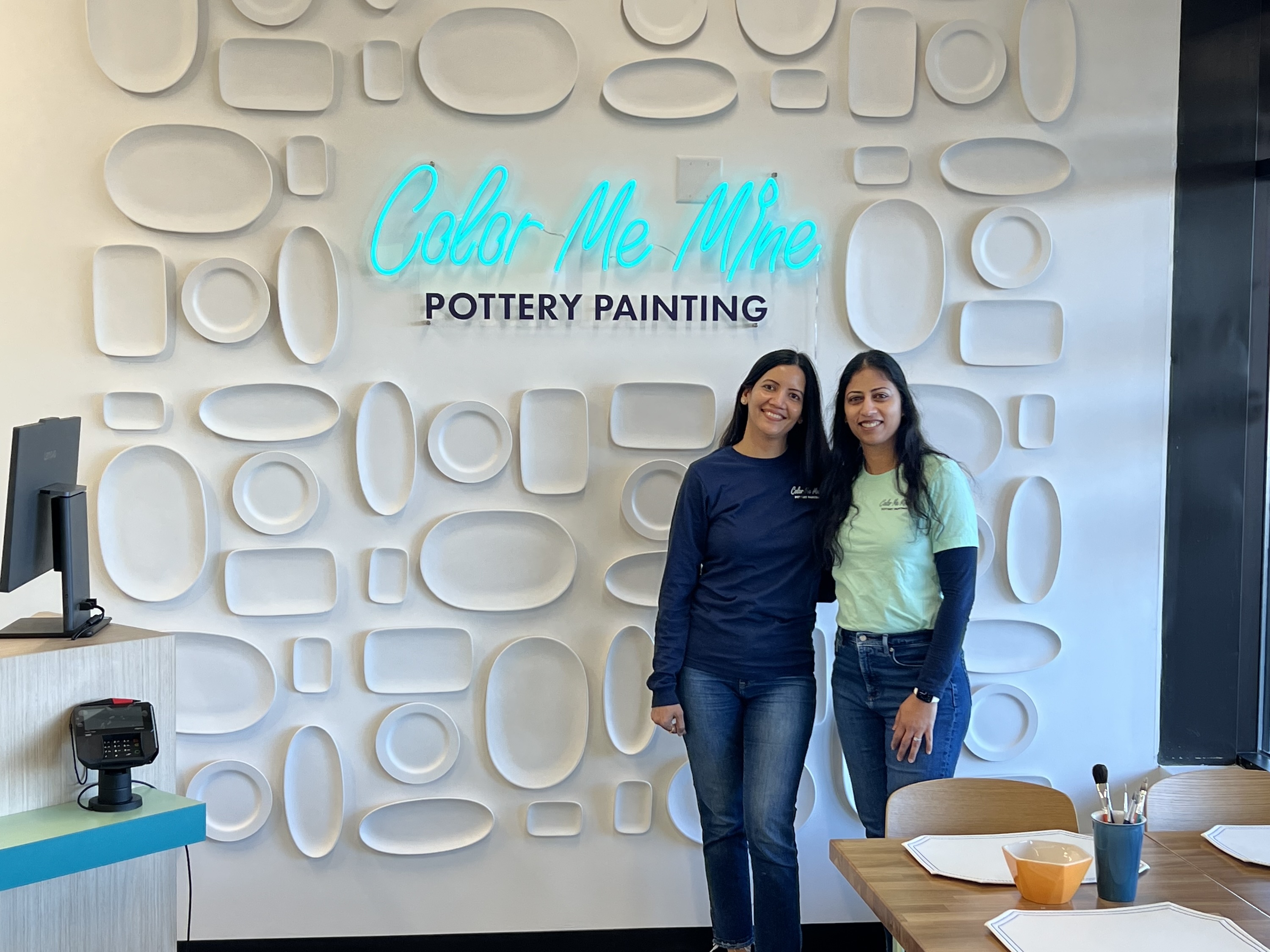
In the heart of Edina, Minnesota, a quiet, colorful storefront has become a sanctuary for life’s most significant milestones. At Color Me Mine, a pottery-painting franchise, customers aren’t just purchasing mugs or bowls; they are crafting tangible memories. For owners Antima Jain and Pooja Choudhary, the studio represents far more than a retail venture—it is a testament to the power of female partnership, immigrant resilience, and the intentional cultivation of community.
The Foundation of a Shared Vision
The story of the Edina Color Me Mine location began over a decade ago, not in a boardroom, but at a party where two women discovered a profound mutual understanding. Both Jain and Choudhary had navigated the complex transition of moving from India to the United States, raising children in a new culture, and seeking professional outlets that balanced their creative passions with their personal responsibilities.
Their friendship, anchored by a three-minute drive between their homes, eventually evolved into a business partnership. As their children grew more independent, the duo began to explore the possibility of entrepreneurship. Their search led them to the Color Me Mine franchise model in 2023. Drawn by the studio’s pristine environment, organized operations, and the inherent "calming" aesthetic of a creative space, they saw an opportunity to bring that same experience to their local community.
Chronology of a Business Launch
The path to opening their doors in March 2025 was defined by meticulous planning and a pact that prioritized their bond over the bottom line. Before investing a single dollar, they made a foundational agreement: their friendship would always supersede business disputes.
- 2013-2022: Establishing Roots: Both women built their lives in Minnesota, managing family life while honing their professional skills—Jain in education and administrative roles, and Choudhary in engineering and real estate investment.
- 2023: The Discovery Phase: After deciding to pursue a business together, they scouted various opportunities before falling in love with the Color Me Mine concept.
- 2024: Infrastructure and Funding: The pair pooled personal savings to self-fund the $300,000 startup cost. They worked with the franchisor to secure a prime location in Edina, leveraging real estate expertise to ensure high visibility near shopping hubs and parks.
- March 2025: Grand Opening: The studio officially opened, quickly becoming a local staple for creative engagement.
The Art of the Proposal: A Case Study in Impact
The true measure of their business model was realized just months after opening, when a customer approached the studio with a unique request. He wanted to propose to his girlfriend and envisioned a custom jewelry tray featuring the words, "Will you marry me?"
While the standard turnaround time for glazing and firing pottery is seven days, Jain and Choudhary understood the significance of the moment. They fast-tracked the process, ensuring the piece was ready for the life-changing event. When the couple later returned to the studio with their save-the-date cards, it served as a poignant reminder to the owners of why they started the business. They were not merely selling pottery; they were providing the infrastructure for human connection.
Supporting Data: Operational Realities and Challenges
Operating a successful franchise is rarely the glamorous experience often depicted in marketing materials. For Jain and Choudhary, the reality of ownership involves a constant rotation of high-stakes problem solving and logistical management.
The Staffing Paradox
One of the most significant challenges for the duo has been the labor market. Because their business model relies on part-time employees—often high school or college students—staffing is a perpetual cycle of hiring and training. "We give opportunities to students," Jain explains. "Their education comes first. We understand that, but before opening, we hadn’t really thought about how continuously we would need to work on staffing."
The Kiln Crisis
Another layer of the business involves the inherent risks of ceramics. When a piece of pottery does not survive the firing process perfectly—a rare occurrence happening in less than 1% of cases—the emotional impact on the customer is significant. The owners view these moments as critical touchpoints for customer service. By offering replacement pieces and waiving studio fees, they turn a potential disappointment into an opportunity to demonstrate their commitment to the customer’s satisfaction.
Financial Stewardship
By eschewing traditional bank loans in favor of personal capital, Jain and Choudhary maintained full autonomy over their financial direction. This decision, while risky, allowed them to focus on growth rather than debt service. Their strategic use of the local chamber of commerce, participation in art festivals, and school fundraising efforts has created a robust pipeline of recurring customers.
Official Perspectives: The Philosophy of Partnership
In an exclusive interview with Entrepreneur, the co-founders offered insight into how they maintain a healthy business dynamic.
"We knew things would happen because we were new to this," says Choudhary. "We agreed to keep an open dialogue and talk if something wasn’t working. We’re doing this because we’re friends. If we weren’t going to stay friends, there would be no point in having the business together."
Jain echoes this sentiment with a familial comparison. "We’re like sisters," she says. "There will be disagreements; we can’t always agree. But I wouldn’t have chosen anyone else to do this business with. If I open another studio, I’ll do it with Pooja."
This alignment extends to their professional ambitions. While they have already achieved impressive milestones—including reaching the top 25 in the franchise’s sales rankings—they are not finished. Their current goal is to break into the top five and potentially expand by opening a second location.
Implications for Future Franchisees
The success of Color Me Mine Edina serves as a blueprint for aspiring entrepreneurs, particularly those from immigrant backgrounds who may feel intimidated by the complexities of U.S. business ownership. Their experience highlights several key takeaways:
- The Franchise Hybrid Model: For those without industry experience, a franchise offers the necessary scaffolding—branding, point-of-sale systems, and operational guidelines—while still allowing for the creative independence required to build a local brand.
- Community Integration is Key: Success is not just about the product; it is about the location’s role in the community. By embedding themselves into local chambers and school events, Jain and Choudhary transformed a retail shop into a neighborhood institution.
- The Value of Emotional Intelligence in Business: The owners’ ability to empathize with their customers—from the nervous proposer to the disappointed artist whose bowl cracked—is the primary driver of their customer retention.
- Resilience through Partnership: By formalizing a commitment to their friendship before the business, they mitigated the most common cause of small business failure: interpersonal conflict between partners.
Conclusion: A Canvas for Future Growth
Antima Jain and Pooja Choudhary have successfully turned a $300,000 investment into a thriving hub of creativity and connection. Their journey from India to Minnesota, and from friends to business owners, illustrates that the most successful businesses are often those that prioritize human relationships.
As they look toward the future—seeking that elusive top-five ranking and dreaming of a second location—they remain anchored by the same principles that led them to that first party 11 years ago. In the world of retail, where digital competition is fierce, the Edina Color Me Mine studio proves that the most valuable asset a business can offer is a space where people can gather, create, and celebrate the milestones that define a life. For Jain and Choudhary, the glaze is still drying on what promises to be a long and prosperous professional legacy.