Main Facts
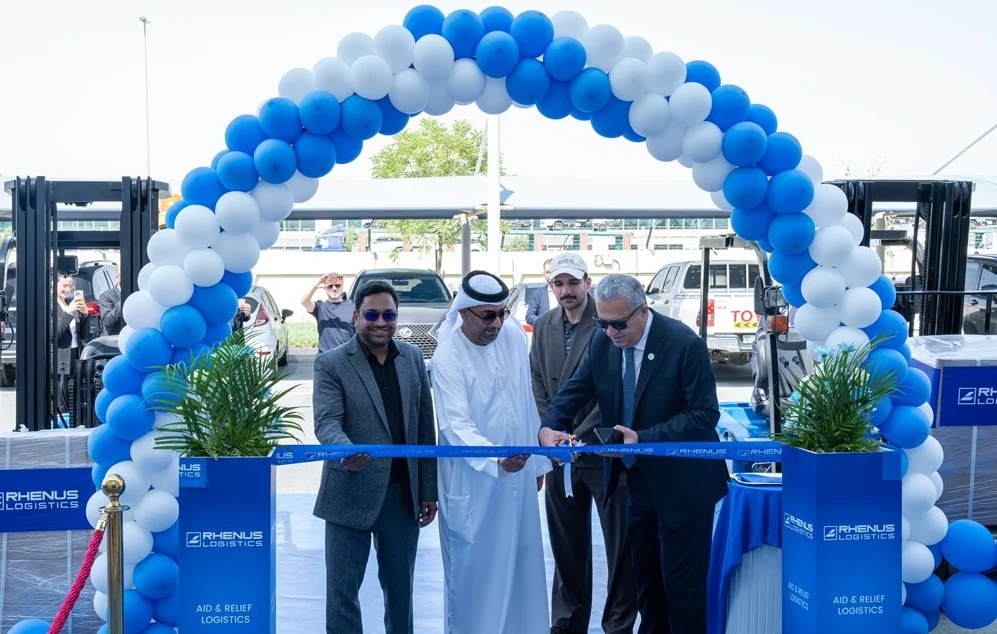
Global logistics heavyweight Rhenus has officially expanded its operational capabilities in the Middle East with the opening of a dedicated emergency aid and relief logistics office within the Dubai Humanitarian hub. Inaugurated on October 14, the new facility marks a pivotal milestone in the company’s ongoing strategy to scale up its specialized humanitarian logistics offerings, both regionally and internationally.
The newly established base serves as a central command post for coordinating complex multimodal freight operations—spanning air, ocean, and road transport—designed to deliver critical relief supplies swiftly and efficiently to crisis zones worldwide. From this strategic location, the Rhenus aid and relief team manages the end-to-end supply chain for essential humanitarian cargo. This encompasses life-saving medical products, pharmaceuticals, nutritional food aid, emergency shelter materials, and specialized technical equipment required during natural disasters, conflicts, and public health emergencies.
The establishment of the office follows the initial rollout of Rhenus’ dedicated humanitarian logistics portfolio in the United Arab Emirates earlier this year. Over the past several months, the company has systematically laid the groundwork for its current operational status. This preparation included embedding its activities within the Dubai Humanitarian ecosystem, developing robust regional and cross-border transport corridors, successfully securing its official Dubai Humanitarian free zone operating license, and actively expanding its network of international humanitarian partners.
By positioning itself directly inside the Dubai Humanitarian free zone—hailed as the world’s largest non-profit, independent humanitarian hub—Rhenus has aligned itself with an elite community of approximately 80 members. This ecosystem brings together United Nations organizations, international non-profits, non-governmental organizations (NGOs), and select commercial enterprises, all dedicated to improving global disaster preparedness and emergency response times.
Chronology of Expansion
The journey toward establishing a permanent, fully operational Rhenus hub within Dubai Humanitarian reflects a carefully calculated, step-by-step strategic progression throughout the year:
- Early Q1: Rhenus formally conceptualizes and launches its specialized humanitarian logistics offering within the United Arab Emirates, recognizing a rising global demand for agile, expert emergency supply chain management.
- Q1 – Q2: The logistics provider initiates initial operations and integration activities within the Dubai Humanitarian framework. Concurrently, logistics engineers and regional leadership begin designing scalable, resilient regional and cross-border transport solutions tailored to the erratic timelines of disaster relief.
- Mid-Year: Rhenus secures its official Dubai Humanitarian free zone license, granting the company full legal and operational integration into the dedicated humanitarian ecosystem. During this phase, the company actively broadens its portfolio of humanitarian agency partners.
- October 14: Rhenus officially inaugurates its dedicated emergency aid and relief logistics office within the Dubai Humanitarian hub, transitioning from an ecosystem participant to an on-site operational anchor capable of managing immediate air, ocean, and road freight responses.
Supporting Data & Operational Scope
The operational framework managed by the Rhenus aid and relief team out of Dubai is built to handle high-stakes, high-volume logistics under volatile conditions. Understanding the scale of operations requires examining the specific cargo profiles and infrastructural advantages offered by the Dubai Humanitarian ecosystem.
Cargo Profiles Handled by Rhenus
- Medical Products and Pharmaceuticals: Cold-chain sensitive vaccines, therapeutics, trauma kits, and surgical equipment requiring precise temperature monitoring and expedited clearance.
- Food Aid: Non-perishable nutritional supplies, high-energy biscuits, and bulk food staples destined for populations facing acute food insecurity or famine.
- Shelter Materials: Tents, tarpaulins, prefabricated housing units, and blankets intended for displaced populations and refugees.
- Emergency Response Equipment: Water purification units, sanitation kits, power generators, and search-and-rescue gear vital for initial disaster mitigation.
The Dubai Humanitarian Ecosystem
Dubai Humanitarian functions as a unique, independent authority that bridges the gap between commercial logistics providers and humanitarian actors. Its strategic geographical location—sitting at the crossroads of Europe, Asia, and Africa—allows relief supplies to reach major crisis hotspots globally within hours rather than days. The zone hosts a dense concentration of operational bodies, including:
- Major UN agencies (such as the United Nations World Food Programme and UNHCR)
- International NGOs and red cross/red crescent societies
- Specialized commercial freight forwarders and warehousing specialists
By embedding itself directly within this infrastructure, Rhenus minimizes transit bottlenecks, reduces administrative friction, and ensures that its transport fleet can interface instantly with humanitarian cargo planes, vessels, and overland convoys.
Official Responses
Leadership from both Rhenus and Dubai Humanitarian have emphasized the critical importance of physical proximity and collaborative ecosystems in modern disaster relief operations.
Hassan Alzeer, Managing Director of Rhenus Middle East, highlighted the value of community integration:
"Dubai Humanitarian brings together many of the organisations that play a vital role in humanitarian response. Being part of this community allows us to work more closely with our partners and better support their logistics requirements when and where they are needed."
Giuseppe Saba, Chief Executive Officer and Board Member of Dubai Humanitarian, underscored the operational necessity of having logistics providers stationed alongside humanitarian agencies:
"In humanitarian preparedness and response, proximity is more than a logistical advantage as it can be an operational necessity.
Rhenus Logistics’ presence within Dubai Humanitarian reinforces the value of our ecosystem where humanitarian actors and logistics partners work side by side, strengthening coordination, efficiency, and the capacity to respond when it matters most."
Providing a ground-level operational perspective, Sayid Kunhipurayil, Logistics Development Manager for Aid & Relief at Rhenus Middle East, pointed out the inherent challenges of the sector:
"Humanitarian shipments often move under intense time pressure and through complex operating environments.
Our role is to bring structure, reliability and practical logistics expertise to those moments, helping organisations plan the right route, secure capacity and move essential supplies as efficiently as possible."
Implications for the Global Supply Chain and Humanitarian Sector
The opening of the Rhenus office at the Dubai Humanitarian hub carries significant implications for the broader humanitarian logistics landscape.
1. Enhanced Agility in Sudden-Onset Disasters
When earthquakes, floods, or sudden geopolitical crises erupt, the first 72 hours are critical for saving lives. By operating directly inside an established humanitarian free zone with pre-cleared routes, established customs protocols, and immediate access to multimodal transport, Rhenus drastically compresses response times. Aid organizations no longer have to spend precious hours negotiating spot rates or coordinating fragmented transport legs; instead, pre-established contingency plans can be executed instantaneously.
2. Bridging Commercial Expertise with Humanitarian Needs
Historically, humanitarian logistics often relied on ad-hoc transport solutions that could be costly and inefficient. By leveraging the advanced supply chain management tools, global carrier networks, and risk-mitigation strategies typically reserved for commercial enterprises, Rhenus brings corporate-grade efficiency to non-profit operations. This optimization ensures that donor funding stretches further, translating into more aid delivered per dollar spent.
3. Strengthening the Middle East as a Global Relief Hub
This development further cements Dubai’s status as the preeminent global capital for humanitarian logistics. As climate change increases the frequency of extreme weather events and geopolitical instability continues to drive mass displacement, the demand for sophisticated, resilient relief supply chains will only intensify. Facilities like the new Rhenus office ensure that the international community is better equipped, structurally organized, and strategically positioned to face the humanitarian challenges of the future.