A year and a half into a newly minted corporate role, Yum! Brands Chief Supply Chain Officer Eric Craft is overseeing a quiet revolution in global fast-food logistics. Managing a vast portfolio that spans iconic brands like KFC, Taco Bell, and The Habit Burger & Grill, Craft’s mandate is clear: build deeper, more mature supplier partnerships designed to guarantee that the company’s supply base is secure long before individual restaurants ever place an order.
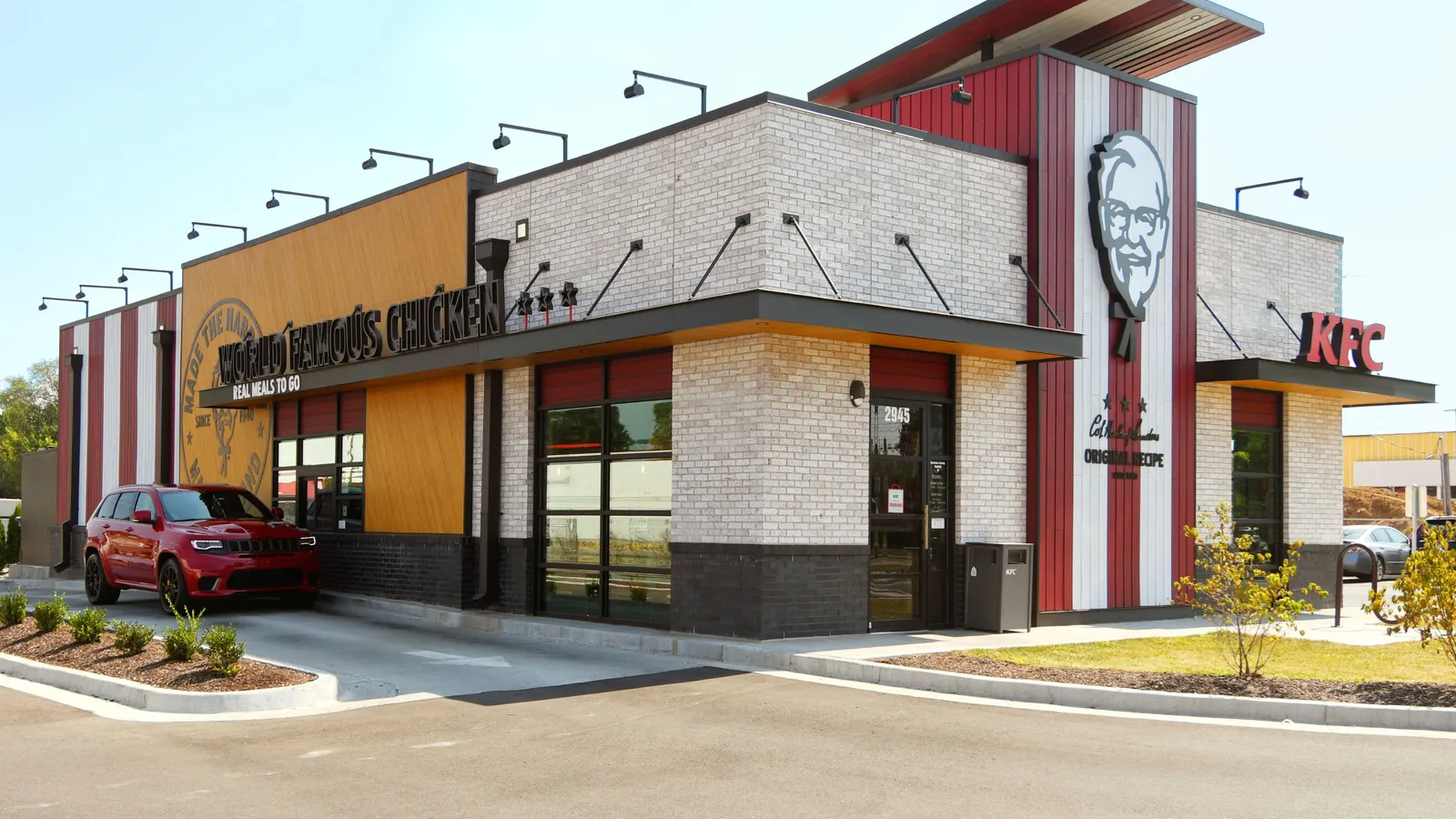
Yum! Brands operates on a staggering international scale. With a footprint exceeding 44,000 restaurants spread across 151 countries and territories, the corporate giant coordinates a sprawling network where franchisees collectively open a new restaurant roughly every three hours. This hyper-growth requires meticulous vendor vetting to ensure that consumers experience absolute consistency—whether they are ordering a Gordita Crunch in the United States or dining at a KFC franchise in Malaysia. Suppliers must not only meet rigorous product specifications but also sustain the strict quality, volume, and capacity thresholds demanded by the enterprise.
However, the modern fast-food supply chain requires more than transactional reliability. Under Craft’s leadership, Yum! is shifting the paradigm from rigid volume management to true symbiotic innovation. By positioning Yum! as a "preferred customer" and an indispensable innovation partner, the company aims to ensure that strategic suppliers prioritize Yum! during major capacity expansions.
The strategy is already yielding strong financial results. Driven by strong segment performance—including a 9% year-over-year revenue increase for KFC and a 20% surge for Taco Bell—Yum! reported a robust 12% jump in overall revenue in the second quarter. These financial gains are tightly linked to supply chain efficiencies, which optimize restaurant-level economics and empower franchisees to reinvest directly into their storefronts. Furthermore, despite the high-profile $2.7 billion sale of Pizza Hut earlier this year, Yum!’s unified procurement model allowed the enterprise to absorb the divestment seamlessly, proving the structural elasticity of Craft’s supply chain blueprint.
Chronology
To understand how Yum! Brands reached its current operational agility, it is necessary to examine the evolution of its supply chain architecture over recent years.
Pre-2025 (The Fragmented Era): Historically, major quick-service restaurant (QSR) conglomerates operated decentralized supply chains. Individual brands like KFC, Taco Bell, and Pizza Hut maintained distinct procurement channels, negotiating separately with vendors. While this offered brand-specific customization, it created redundancies, limited enterprise-wide leverage, and complicated global oversight during large-scale market shocks.
Early 2025 (Creation of the Enterprise CSCO Role): Recognizing the limitations of brand-siloed logistics, Yum! Brands established its first enterprise-wide Chief Supply Chain Officer position. Eric Craft, who previously served as the global chief supply chain officer for KFC, stepped into the new role. Initially, the transition focused heavily on harnessing pure corporate scale—consolidating purchasing power to drive down baseline costs across KFC, Taco Bell, and the newly integrated Habit Burger & Grill.
Mid-2025 (The Pizza Hut Divestment): Yum! Brands completed the $2.7 billion sale of Pizza Hut. For many logistics operations, shedding a legacy brand of that magnitude would require severe operational restructuring. However, because Craft’s unified model was already maturing, the supply chain pivoted smoothly. Aside from discontinuing specialized inputs like pizza dough procurement, the underlying logistics infrastructure flexed downward without disrupting other brand operations.
Late 2025 to Present (The Maturity and Innovation Phase): With scale successfully achieved, Craft’s team shifted its focus from mere volume aggregation to maturity and collaboration. The modern era of Yum!’s supply chain is characterized by early-stage supplier integration. Instead of issuing downstream purchase orders, Yum! now involves food and packaging vendors early in the R&D cycle—exemplified by joint planning for limited-time offerings (LTOs) like Taco Bell’s Gordita Crunch Duos.
Supporting Data
The scale and operational mechanics of Yum! Brands are underscored by hard metrics and financial performance indicators:
Global Footprint: More than 44,000 restaurants operating across 151 countries and territories.
Expansion Velocity: Franchisees open a new Yum! branded restaurant approximately every three hours globally.
Portfolio Composition: Following the strategic $2.7 billion sale of Pizza Hut, the core enterprise portfolio officially comprises KFC, Taco Bell, and The Habit Burger & Grill.
Financial Growth (Q2): Yum! Brands posted a 12% year-over-year increase in total quarterly revenue.
Brand-Specific Performance: KFC revenue grew by 9% year-over-year, while Taco Bell led the portfolio with a 20% revenue increase.
Supply Chain Flexibility Metrics: Multi-tier sourcing networks balance global commodity purchasing (such as enterprise-wide poultry contracts) with hyper-local regional suppliers capable of scaling up production during localized disruptions (e.g., port closures or regional weather events).
Official Responses and Industry Insights
In exclusive interviews and corporate statements, Eric Craft and other Yum! executives have shed light on the philosophy driving the company’s modern logistics strategy.
Reflecting on the core philosophy of the supply chain group, Craft emphasized the shift from reactive purchasing to proactive partnership:
"To ensure our supply base is in place before our restaurants need it… You want a supplier that’s on the edge of their seat, just like you are."
Addressing the delicate balance between corporate-wide scale and individual brand needs, Craft noted that the system is built to adapt dynamically to regional shifts and specific product demands:
"The model is such that we flex for the region or flex for the brand when it’s there. But then we also level up to Yum’s scale when that’s appropriate."
Crucially, Craft highlighted how early engagement transforms standard vendor relationships into collaborative innovation engines. When developing seasonal items or limited-time offerings—such as Taco Bell’s late-summer launch of the Gordita Crunch Duos, a snack-sized iteration of the classic Cheesy Gordita Crunch—internal teams in food safety, marketing, and R&D first align on a vision. Rather than treating suppliers as downstream executors, Yum! brings them into the conversation early.
"They truly understand what we’re trying to accomplish, and they’re part of the solution development," Craft explained. "That’s the critical breakthrough from transactional relationships to a true strategic partner."
Implications
The structural evolution of Yum! Brands’ supply chain under Eric Craft carries profound implications for the broader quick-service restaurant industry and global logistics management.
1. The Death of the Transactional Vendor
For decades, fast-food supply chains operated on a transactional, lowest-bidder model. Yum!’s pivot toward deep supplier integration proves that modern supply chain resilience requires mutual dependency. By treating top-tier vendors as preferred innovation partners—and ensuring those suppliers view Yum! as a priority client—the company insulates itself against severe capacity shortages. When suppliers expand their facilities, they are more likely to allocate new output to partners who involve them early in product design and volume forecasting.
2. Agility Through Enterprise Unification
The seamless transition following the $2.7 billion divestment of Pizza Hut underscores the power of a unified corporate supply chain. In the past, selling or acquiring a major brand often triggered chaotic supply chain restructuring, duplicated logistics networks, and vendor friction. Yum! has demonstrated that a modular, scalable supply chain framework can flex up or down with ease. By pooling common ingredients (such as poultry) while allowing for brand-specific adaptations (like KFC’s strategic pivot toward boneless chicken and dipping tenders), the enterprise maintains centralized cost efficiency without sacrificing brand identity.
3. Risk Mitigation via Dual-Layer Sourcing
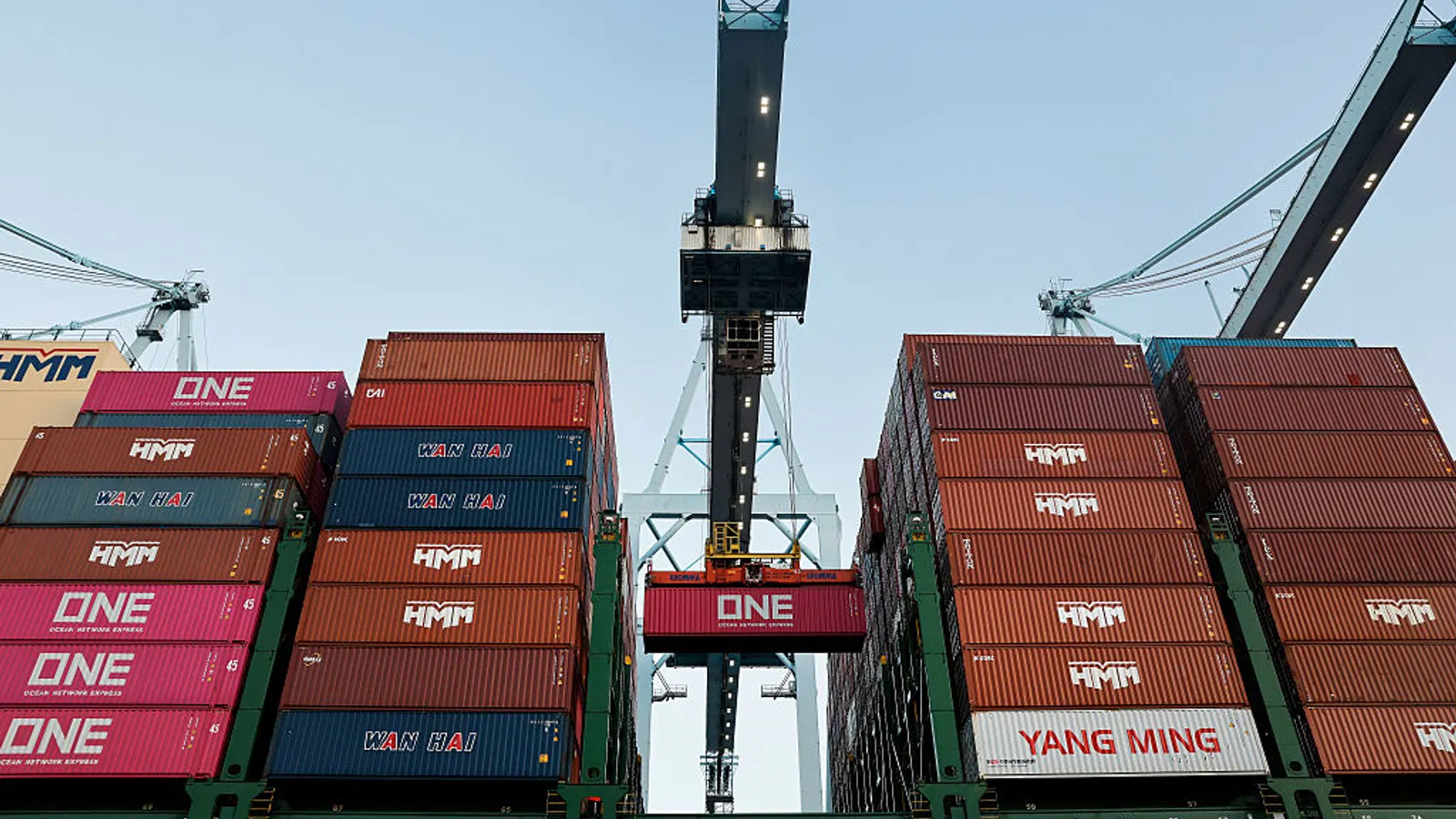
Global supply chains face unprecedented volatility, ranging from geopolitical conflicts and trade disputes to climate-driven weather extremes and port closures. Yum!’s dual-layer approach—leveraging massive global volume for core commodities while actively cultivating local and regional suppliers—creates structural buffers. If a primary international logistics corridor is compromised, regional partners can rapidly step in to backfill inventory. This geographic redundancy is becoming a non-negotiable asset for multinational food corporations operating in unstable macroeconomic environments.
4. Driving Franchisee Economics
Ultimately, supply chain efficiency is a financial engine for restaurant owners. By optimizing procurement economics and minimizing waste through precise, collaborative forecasting, Yum! helps protect franchise margins. As demonstrated by recent quarterly earnings—featuring double-digit revenue growth across its primary banners—healthy unit-level economics enable franchisees to reinvest capital back into store modernizations, digital ordering technologies, and employee development. In an industry where labor and food costs remain volatile, the modern supply chain has evolved from a back-office utility into a primary driver of enterprise growth and competitive advantage.