In the high-stakes environment of modern manufacturing, a spill is rarely a scheduled event. Whether it involves oils, lubricants, coolants, or hazardous chemicals, the difference between a minor operational hiccup and a catastrophic environmental, safety, and regulatory disaster is often measured in the first sixty seconds of response.
As facilities grapple with aging infrastructure, complex supply chains, and increasingly stringent environmental oversight, the need for a standardized, intuitive, and highly effective response framework has never been greater. The "Stop-Contain-Report" (SCR) model—a methodology championed by organizations like CITGO Petroleum Corporation—offers a blueprint for turning panic into process. By simplifying the response hierarchy, this framework ensures that employees at all levels are empowered to act decisively, protecting their colleagues and the environment before a incident spirals out of control.
Main Facts: The Anatomy of an Industrial Release
Spills typically emerge from the mundane: a deteriorated hose, a weeping gasket, an overfilled tank, or a lapse in maintenance routines. Contrary to the Hollywood perception of dramatic, high-pressure ruptures, most industrial releases start small. However, when these small releases occur near water sources, sensitive infrastructure, or areas lacking secondary containment, they rapidly escalate.
The SCR framework is designed not to replace formal Safety Data Sheets (SDS), Emergency Action Plans (EAP), or federal reporting mandates, but to act as a vital, high-speed bridge between the occurrence of a spill and the activation of professional response teams.
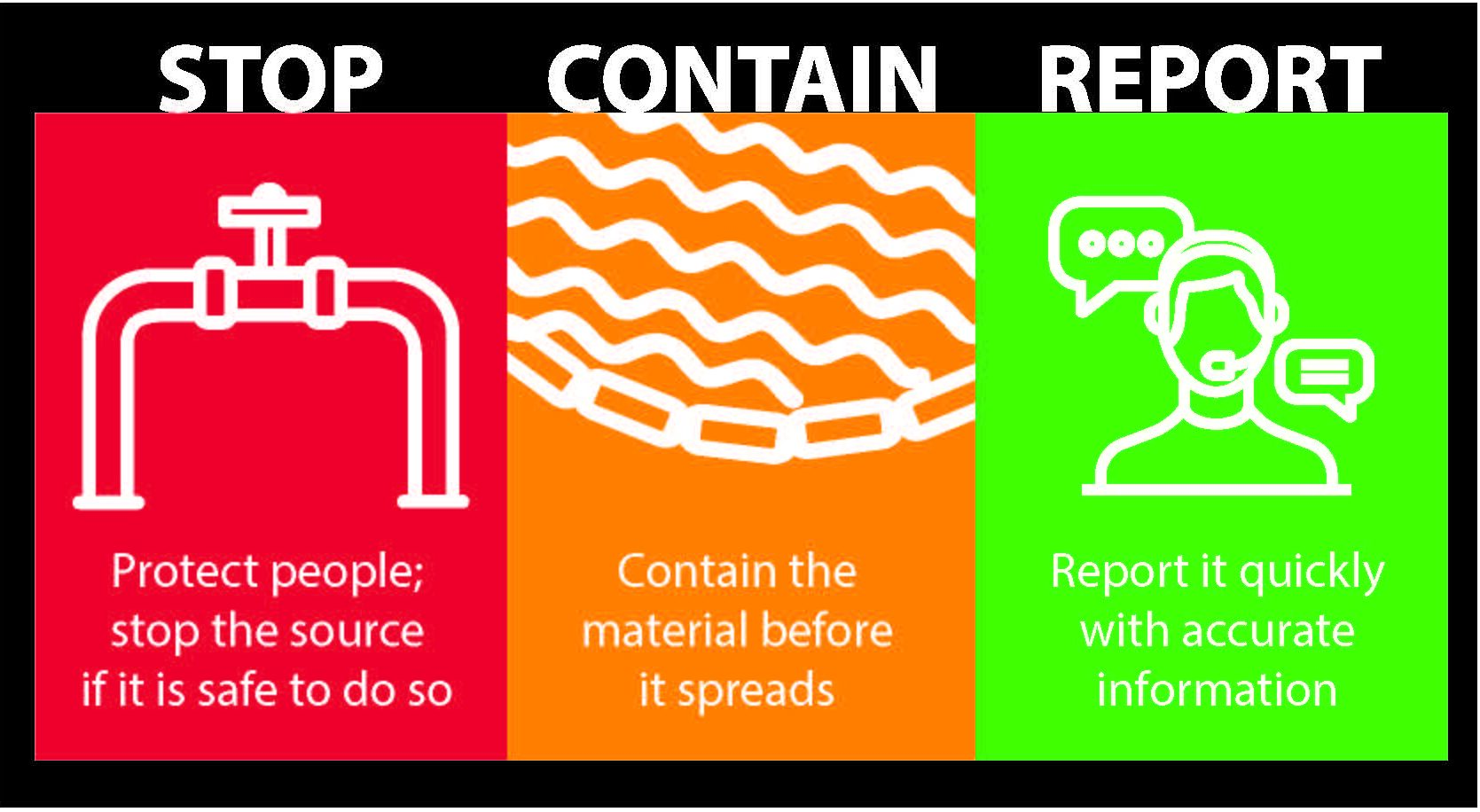
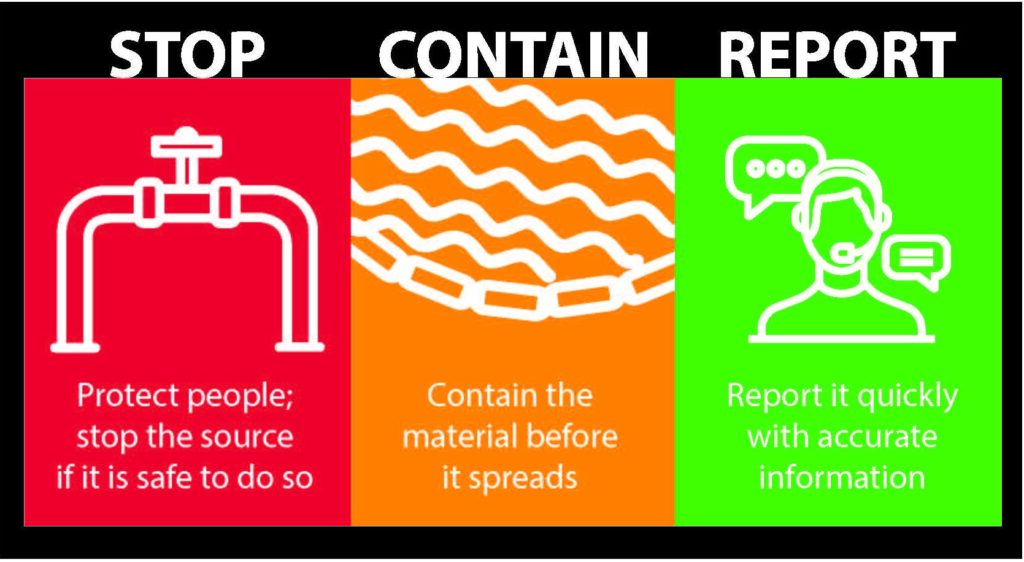
- Stop: Mitigating the source of the release.
- Contain: Limiting the footprint of the material to protect critical zones (drains, waterways, traffic paths).
- Report: Engaging the chain of command and necessary regulatory bodies with precision and speed.
Chronology: The First Sixty Seconds
In the immediate aftermath of a release, the priority sequence is non-negotiable.
1. Protect Personnel (The "Zero-th" Step)
Before a single valve is closed or a spill kit opened, the primary objective is human safety. Responders must assess the site for immediate life-safety hazards: fire, explosion, corrosive exposure, electrical risks, or the threat of entering a confined space. If the scene is unsafe, the directive is clear: evacuate, warn others, and initiate the site’s formal emergency response process.
2. Stop the Source (If Safe)
Once personnel are clear, the focus shifts to isolating the spill. This might involve closing a manual valve, hitting an emergency stop (E-stop), uprighting a tipped container, or placing a damaged drum into an overpack. The goal is to "stop the bleeding." If the risk of injury is high, employees must defer to specialized teams.
3. Containment
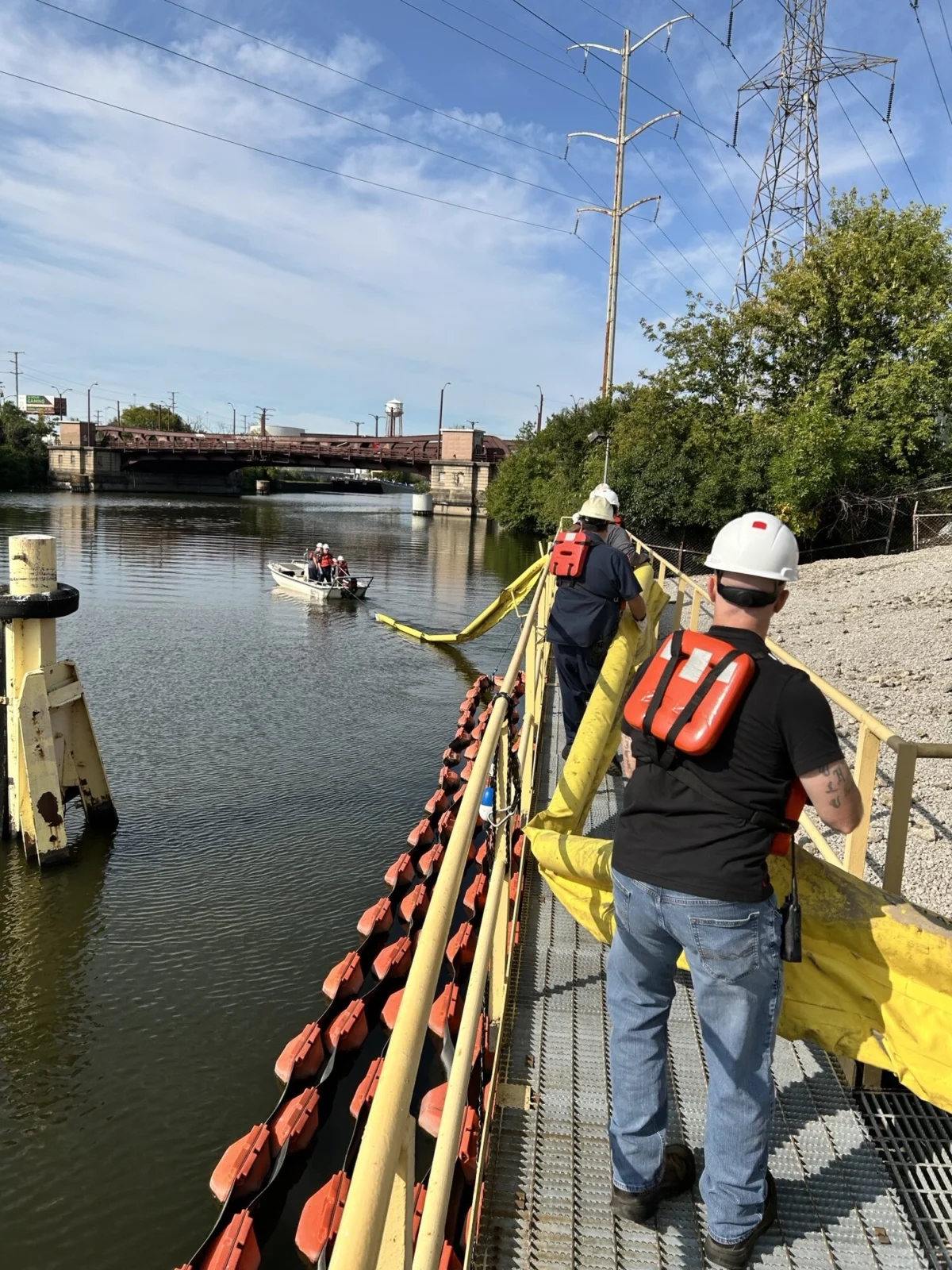
Containment prevents the material from becoming a regional environmental issue. By deploying booms, mats, or sandbags, employees protect the "pathways"—the floor drains, stormwater systems, or soil interfaces that turn a contained floor spill into a regulatory enforcement case.
4. Rapid Reporting
Internal reporting should be instantaneous, following the facility’s specific chain of command. External reporting—to the EPA’s National Response Center (NRC) or local environmental agencies—must be accurate, providing the necessary details (material, quantity, location) required for agencies to activate the National Contingency Plan if necessary.
Supporting Data: Why Preparedness Matters
The efficacy of a response team is tied directly to the availability of resources and the clarity of roles. According to industrial safety best practices, the most significant failures in spill response occur when the "human factor" is neglected.
Facilities that fail to maintain their spill kits—or worse, treat them as "decoration"—often find them inaccessible during the precise moment they are needed. Furthermore, documentation is often treated as an afterthought. However, accurate recording of the source, the flow path, and immediate actions taken is vital for root-cause analysis. Failure to document properly can lead to insurance disputes and, in some cases, heavier regulatory fines.
When to Escalate: The "Size vs. Risk" Fallacy
A common mistake in industrial settings is the assumption that the quantity of the material defines the urgency. In reality, a few ounces of a highly toxic or reactive chemical can pose a far greater threat than a large spill of inert hydraulic oil. Decision-making must be predicated on:
- Hazardous nature of the material.
- Exposure potential to workers.
- Pathway to the environment.
- Capability of the responding team.
If the spill reaches a waterway, triggers a potential fire, or exceeds the facility’s internal cleanup capabilities, escalation to professional hazmat responders is mandatory.
Official Responses and Regulatory Frameworks
Regulatory agencies, including the EPA, emphasize that compliance is a proactive, not a reactive, duty. The "Spill Prevention, Control and Countermeasure" (SPCC) rule and the "Facility Response Plan" (FRP) requirements serve as the bedrock of federal oversight.
The NRC serves as the federal point of contact for chemical or oil discharges. It is important to note that reporting should never wait for the cleanup to be completed. Delaying a report can be viewed as an attempt to obfuscate the scale of an incident, leading to significantly harsher penalties. Facilities are encouraged to integrate their internal response protocols with these federal expectations, ensuring that the transition from a local event to a reported incident is seamless.
Implications for Modern Industry
The shift toward a culture of preparedness has profound implications for operational continuity.
Investing in Secondary Containment
Secondary containment systems are the "silent sentinels" of the industrial floor. By designing work areas where spills naturally flow into oil-water separators or collection pits, facilities buy themselves critical time. When a facility is engineered for containment, the "Stop-Contain-Report" process becomes significantly easier to execute.
The Role of Preventive Maintenance
The most effective spill response is the one that is never needed. A review of recent leaks, valve failures, and near-misses often reveals a pattern. By focusing on "low-level" infrastructure issues—such as replacing aging hoses or fixing persistent weeping seals—maintenance departments can proactively eliminate the most common sources of spills before they occur.
Training as a Business Strategy
Spill response is not a "once-a-year" event; it is an operational responsibility. Regular drills, where teams are challenged with realistic scenarios, ensure that muscle memory takes over during a crisis. These drills should include:
- PPE Identification: Ensuring staff know the difference between standard and chemical-resistant gear.
- Documentation Training: Teaching employees how to photograph the scene before cleanup begins.
- Path Awareness: Mapping out exactly where every floor drain leads.
Conclusion: A Culture of Readiness
The "Stop-Contain-Report" framework is more than just a series of steps; it is a philosophy of accountability. In the modern, fast-paced industrial landscape, the unexpected is inevitable. However, a facility that has invested in its people, its infrastructure, and its protocols will find that it is capable of managing these events safely and efficiently.
By treating spill preparedness as an integral part of daily operations rather than an emergency-only procedure, leadership can minimize the operational, environmental, and financial risks associated with industrial accidents. When employees are trained to stop the source, contain the spread, and report the facts, the company protects not only its bottom line but also the community and the environment in which it operates.
Disclaimer: This overview is intended for general informational purposes and reflects industry-standard best practices. It does not replace site-specific emergency response plans, regulatory guidance, or professional legal counsel. All facilities should conduct a thorough, site-specific review of their hazards and response capabilities in consultation with qualified safety professionals.