The specter of economic contraction is once again looming over the global marketplace. With rising inflation, volatile stock markets, and geopolitical trade tensions, the mood in boardrooms from Silicon Valley to the industrial heartlands of the Midwest has shifted from cautious optimism to defensive pragmatism. For organizations and the technical professionals who power them—industrial designers and engineers—the challenge is no longer just about survival; it is about determining whether they will be among the casualties of the cycle or the architects of the next recovery.
The Economic Landscape: A Convergence of Pressures
The current economic climate is defined by a "perfect storm" of variables. Data from recent quarters shows a clear cooling trend in consumer confidence and a softening in business investment. For upper-level management, the pressures are multifaceted:
- Inflationary Headwinds: Persistent cost-of-living increases and supply chain inefficiencies have eroded profit margins.
- Geopolitical Instability: Trade wars, particularly involving China and neighboring trade blocs, have disrupted the flow of materials and human capital, making it increasingly difficult for firms to secure the top-tier engineering talent required for complex R&D.
- Market Volatility: Stock markets have experienced sharp corrections, leading investors to prioritize liquidity over long-term capital expenditure.
Policymakers at the Federal Reserve have begun to echo the concerns of private-sector analysts, acknowledging that slower growth and higher unemployment are increasingly likely in the near term. This confluence of factors creates a "crisis of confidence," which often leads corporations to default to the most traditional—and often most damaging—reaction: indiscriminate cost-cutting.
The Corporate Crossroads: Defensive Cowering vs. Offensive Innovation
When the economic clouds darken, organizational responses typically fall into two categories: the "defensive crouch" and the "offensive pivot."
The Pitfalls of the Defensive Approach
Many companies, when faced with revenue dips, immediately turn to broad-scale layoffs and the suspension of capital projects. While these measures may provide temporary relief for quarterly earnings reports, they often result in "institutional amnesia"—the loss of critical tacit knowledge and the stalling of the innovation pipeline. When the market eventually rebounds, these companies find themselves hollowed out, lacking the technical depth to capitalize on new opportunities.
The Progressive Strategy: Doubling Down on R&D
Industry leaders like Google, 3M, and Johnson & Johnson have historically navigated downturns differently. Instead of viewing R&D as a luxury expense, they treat it as a strategic insurance policy. Progressive organizations recognize that economic cycles are transient, but the competitive advantage of a superior product is permanent.
By maintaining investment in design and engineering teams, these firms ensure that when the economy turns, they are ready to release the next generation of high-value products. They view the downturn as an opportunity to iterate on existing designs, refine manufacturing processes for cost-efficiency, and capture market share from competitors who have retreated.
The Strategic Role of Product Innovation
In the modern era, a product is far more than its physical form or core functionality. It is a data-generating asset, a marketing channel, and a touchpoint for customer loyalty.
Leveraging Product Data for Resilience
During a recession, every dollar spent must be justified by data. Forward-thinking companies use their products as sensors, leveraging analytics to understand which features are driving engagement and which are contributing to churn. This data-driven approach allows management to make surgical adjustments to product roadmaps rather than blanket cuts. If a specific component is causing service issues, or a particular design choice is driving high customer acquisition costs, product teams can use these insights to streamline the offering, thereby increasing the ROI of the development team.
Innovation as a Long-Term Asset
Historically, firms that increase their R&D spending during recessions emerge with significantly higher market valuations in the following expansion. This is because innovation cycles are slow; a product conceived today might not hit the market for 18 to 24 months. If a company stops the engine of innovation during a 12-month recession, they effectively create a "gap" in their product roadmap that will haunt them for years to come.
Empowering the Individual: The Role of the Designer and Engineer
While management sets the budget, it is the industrial designers and engineers who determine the company’s trajectory. Often, management’s hands are tied by short-term shareholder pressures, leaving the technical team to advocate for the value of long-term thinking.
The "Internal Entrepreneur"
Engineers and designers should not wait for a top-down mandate to innovate. In times of uncertainty, they possess a unique power: the ability to influence management by presenting solutions that solve both technical and economic problems. By demonstrating how a new design can lower manufacturing costs through additive manufacturing, or how a re-engineered component can utilize cheaper, more sustainable materials, technical staff become indispensable.
Investing in the "People Engine"
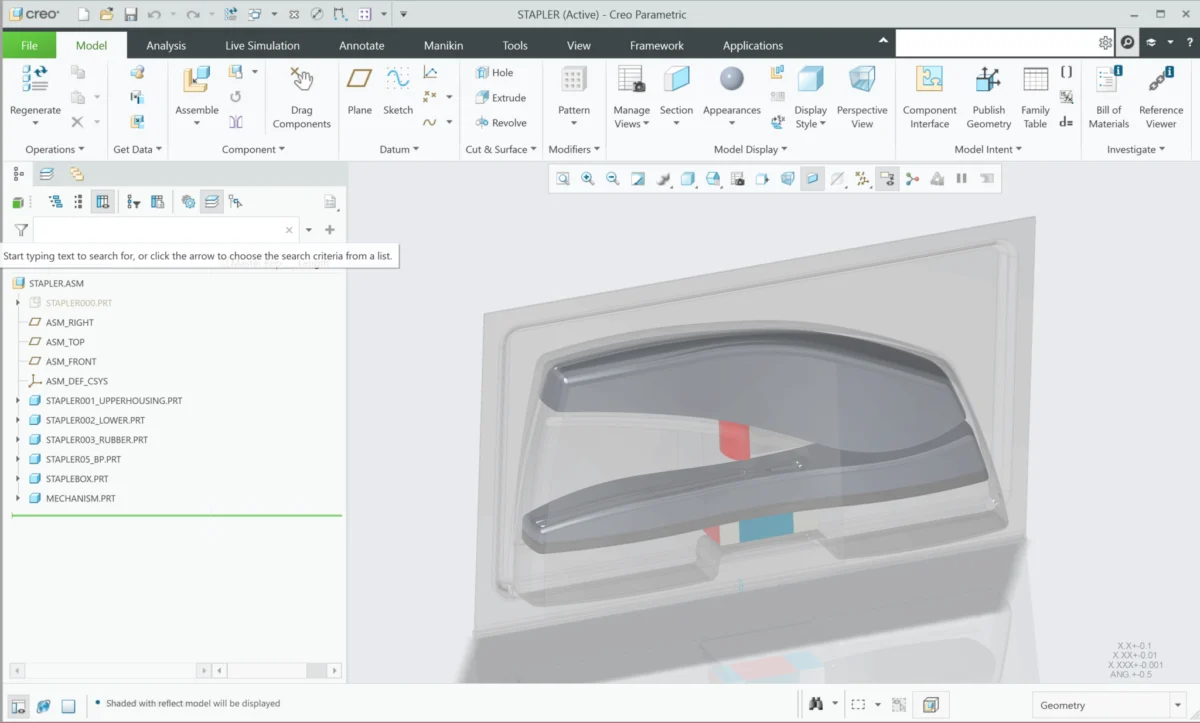
As Warren Buffett famously advised, the best investment one can make is in oneself. For designers and engineers, this means upskilling even when the market feels stagnant. Whether it is mastering advanced modeling in Creo, learning the intricacies of injection molding, or developing the soft skills required to lead brainstorming sessions, personal development is a hedge against economic volatility.
Strategies for Upskilling in a Downturn
Education is the most effective tool for navigating economic instability. When project loads lighten, it is the perfect time for teams to sharpen their skills.
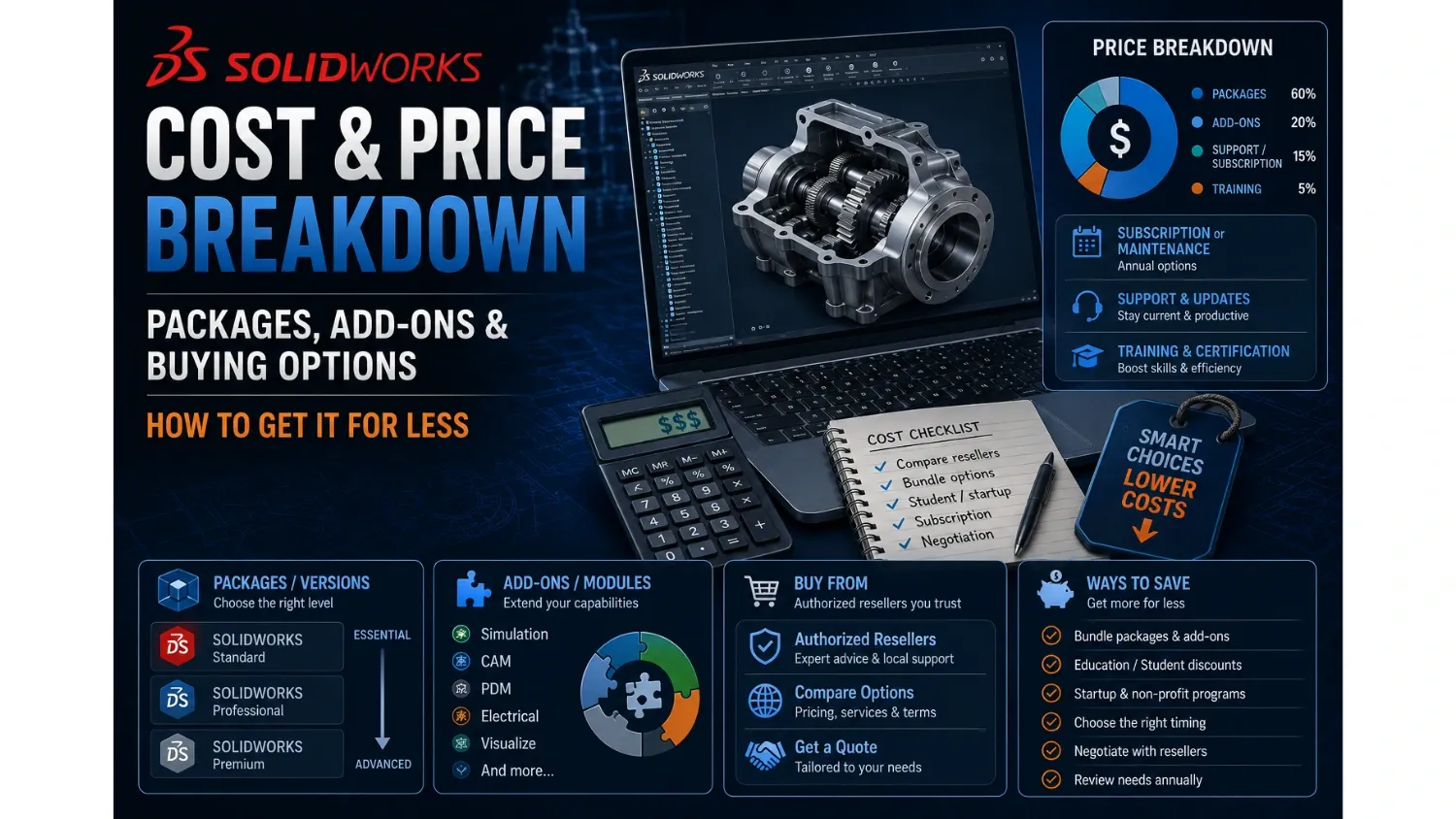
- Software Proficiency: Training in industry-standard tools like Creo and Solidworks ensures that a team can move from concept to manufacturing with fewer iterations and less wasted material.
- Cross-Functional Skills: Teaching engineers how to sketch or design for aesthetics, and teaching industrial designers about the constraints of manufacturing and GD&T (Geometric Dimensioning and Tolerancing), creates a more versatile, cohesive workforce.
- Collaborative Innovation: Management should view training not just as a cost, but as a team-building exercise. Implementing workshops on Generative Design or Advanced Modeling creates a collaborative environment that boosts morale—a critical factor when layoffs and uncertainty are prevalent.
The Bottom Line: Emerging Stronger
The difference between "winners" and "losers" in an economic downturn is rarely a matter of luck; it is a matter of philosophy. Organizations that view their staff as a "people engine" to be fueled through training and empowerment will be the ones that capture the next wave of growth.
Companies must shift their perspective:
- Stop viewing products as costs. View them as strategic assets.
- Stop viewing layoffs as the first option. View them as a last resort that destroys long-term value.
- Start viewing training as a competitive weapon.
Industrial designers and engineers are the primary drivers of market trends. By focusing on innovative design, optimizing for manufacturing efficiency, and continuously expanding their skill sets, these professionals can guide their organizations through the storm.
The goal is not merely to survive the recession. The goal is to emerge better, smarter, and more efficient. When the market recovers—and it always does—those who used the downtime to refine their products and their people will be the ones setting the trends for the next era of innovation.
Recommended Training Pathways for Resilience
To maintain a competitive edge, Design Engine offers specialized training designed to maximize output and quality:
- For CAD Mastery: Deep-dive into Creo Advanced Modeling and Solidworks Surfacing.
- For Manufacturing Excellence: Master the reality of production with Plastic Part Design for Injection Molding and GD&T Training.
- For Holistic Growth: Explore Manufacturing Week-Long Comprehensive Workshops to ensure your design team understands the full lifecycle of the product.
By investing in the technical expertise of your team today, you are securing the innovative capacity of your company tomorrow. Regardless of the economic forecast, those who build, learn, and innovate remain in the driver’s seat.