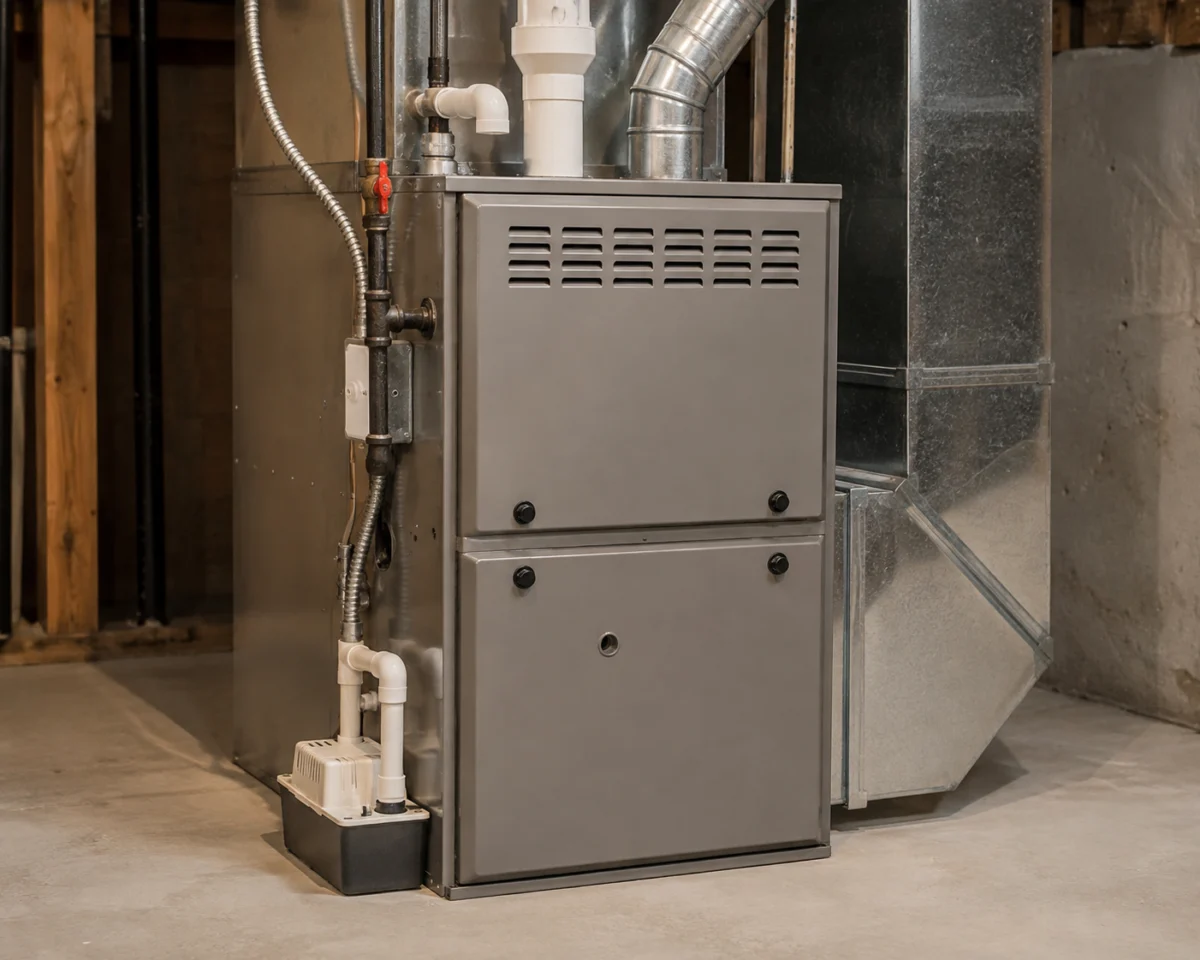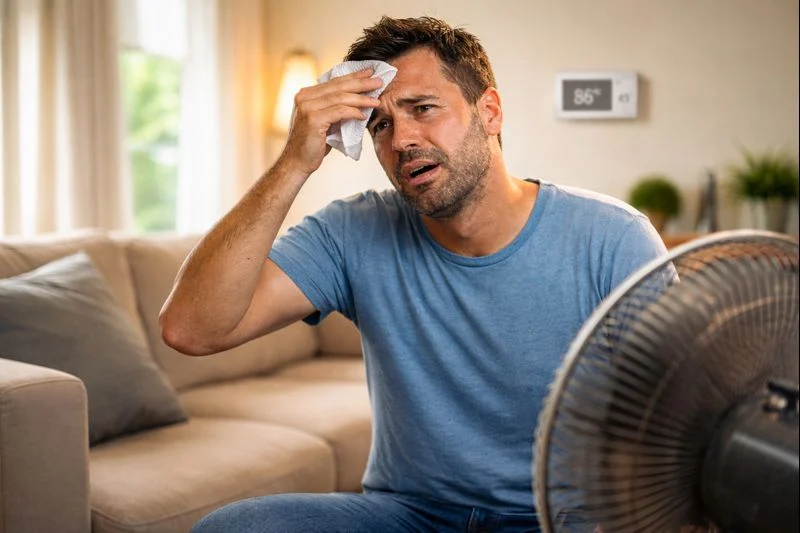
NORTH RIDGEVILLE, OH — For modern homeowners, a functional heating, ventilation, and air conditioning (HVAC) system is rarely viewed as a luxury. Instead, it serves as the invisible backbone of domestic safety, health, and structural integrity. However, when an HVAC system fails during peak seasonal extremes, the resulting crisis can escalate from an inconvenience into a genuine hazard.
In communities like North Ridgeville, Ohio, where weather patterns swing dramatically from humid, sweltering summers to sub-zero winter freezes, knowing how to identify and respond to an HVAC emergency is essential. Understanding the distinction between a routine glitch and a critical failure can prevent property damage, protect vulnerable family members, and save thousands of dollars in premature replacement costs.
Main Facts: Defining an HVAC Emergency
An HVAC emergency is broadly defined as any sudden mechanical failure that threatens the immediate safety, health, or property of a home’s occupants. Unlike minor maintenance issues—such as a slightly noisy fan or a room that is marginally warmer than the rest of the house—an emergency requires immediate professional intervention, often outside of normal business hours.
Key Criteria for an Emergency:
- Compromised Life Safety: Incidents involving suspected gas leaks, carbon monoxide (CO) exposure, or electrical burning hazards.
- Extreme Thermal Stress: A complete loss of heat when outdoor temperatures are below freezing, or a total loss of air conditioning during severe heatwaves.
- Property Threatening Malfunctions: Massive refrigerant leaks, severe indoor flooding caused by condensate line backups, or electrical shorts that risk sparking a fire.
Chronology of a Breakdown: How Small Issues Escalate
HVAC systems rarely fail without warning, though the final collapse often feels sudden. Understanding the typical timeline of a system failure helps homeowners intervene before minor wear and tear becomes an expensive midnight crisis.
Phase 1: The Incipient Stage (Preventative Window)
Weeks or months before a complete breakdown, the system begins to exhibit subtle symptoms. These may include a slight reduction in airflow, a minor increase in monthly utility bills, or a faint, intermittent rattling sound. At this stage, the system is functional, but components are beginning to strain.
Phase 2: The Urgent Warning Signs
As stress on the system increases, symptoms become impossible to ignore. Ice begins to form on the indoor evaporator coils, strange electrical or burning odors emerge, or the furnace cycles on and off repeatedly without successfully heating the home (short-cycling). While the system may still be operating partially, it is actively degrading.
Phase 3: The Catastrophic Failure (The Emergency)
Without intervention, overworked components fail completely. The compressor seizes, the ignition control board burns out, or a safety switch trips, shutting the system down entirely. In the dead of winter or the peak of a summer heatwave, this moment transitions the situation from a delayed repair to an immediate emergency.
Supporting Data: The Regional Climate of North Ridgeville, OH
Geographic location plays a critical role in the frequency and severity of HVAC emergencies. North Ridgeville, situated in Northeast Ohio, experiences a continental climate characterized by distinct and often harsh seasonal extremes.
- Winter Conditions: Average winter lows regularly drop well below freezing, with overnight temperatures frequently plunging into the teens or single digits. High winds and lake-effect snowstorms can further compound the danger of a heating failure, causing indoor temperatures to drop to unsafe levels within hours.
- Summer Conditions: July and August bring intense humidity alongside high temperatures, often pushing heat indices well past 90°F. For the elderly, infants, and individuals with chronic respiratory or cardiovascular conditions, a failed air conditioner can quickly induce heat exhaustion or heatstroke.
According to regional housing and mechanical safety data, emergency service calls spike by over 200% during the first major cold snap of winter and the most intense heatwaves of summer, frequently overwhelming local contractor availability.
Official Responses and Safety Protocols
When an HVAC emergency strikes, local safety officials, municipal emergency services, and heating and cooling professionals recommend a strict hierarchy of response to protect human life and minimize structural damage.
The Immediate Action Protocol for Gas and Electrical Hazards
If an HVAC emergency involves noxious odors, visible smoke, or suspected gas leaks, homeowners must act immediately:
- Evacuate the Premises: If a strong odor of natural gas or rotten eggs is detected, leave the home immediately. Do not flip light switches, use cell phones inside the house, or create any sparks.
- Shut Off the Main Supply: If safely accessible without re-entering a hazardous zone, turn off the main gas supply valve.
- Contact Authorities: Call 911 or the local utility provider from a safe distance outside the home.
- Address Carbon Monoxide: If a carbon monoxide detector sounds, evacuate all human and animal occupants to fresh air immediately and call emergency services. Never attempt to locate a CO source yourself.
Professional Intervention Standards
When certified technicians arrive for an emergency service call, industry standards dictate a systematic approach:
- Rapid Diagnostic Assessment: Utilizing specialized tools (multimeters, combustion analyzers, and manometers) to isolate the root cause of the failure.
- Safety Isolation: Disconnecting power and fuel supplies to render the workspace safe before performing repairs.
- Component Replacement or Bypassing: Restoring core functionality using OEM (Original Equipment Manufacturer) parts whenever possible to ensure system integrity.
Detailed Breakdown of Common HVAC Emergencies
To effectively manage an emergency, homeowners must recognize the specific symptoms associated with different system failures.
1. Total Heating Loss in Freezing Weather
When a furnace stops producing heat during sub-zero North Ridgeville winters, the stakes are high. Beyond personal discomfort, a freezing home faces the imminent threat of frozen and burst pipes. When water inside plumbing lines freezes, it expands violently, leading to catastrophic water damage when the ice thaws.
2. AC Failure During Extreme Heatwaves
Air conditioning is not merely a comfort amenity during severe summer heat; it is a critical health safeguard. High indoor temperatures combined with high humidity prevent the human body from cooling itself effectively through perspiration. This creates high risk for vulnerable populations, including the elderly, young children, and individuals with underlying medical conditions.
3. Electrical Odors, Smoke, and Burning Smells
An active burning smell originating from vents or the air handler unit indicates an electrical short, overheating blower motor, or burning dust trapped in the heat exchanger. Continuing to run a system emitting these odors can easily trigger an electrical fire within the ductwork or walls.
4. Loud, Mechanical Noises (Banging, Screeching, Grinding)
Unusual sounds point directly to mechanical failure. A screeching sound often indicates a failing blower motor bearing, while a loud metallic banging suggests a loose component or a cracked heat exchanger. Ignoring these noises usually transforms a manageable repair into a complete system replacement.
5. Refrigerant Leaks and Ice Buildup
Ice forming on an indoor air conditioner coil is counterintuitive but common. It is typically caused by restricted airflow (dirty filters) or a low refrigerant charge. Operating an iced-up system starves the compressor of proper cooling, frequently resulting in compressor burnout—the single most expensive repair in HVAC maintenance.
Implications: The Cost of Delay and the Value of Maintenance
Failing to address HVAC emergencies promptly carries significant financial and health implications.
Financial Consequences
- Escalating Repair Costs: A minor part replacement ignored during a routine cycle can cascade, damaging expensive downstream components like control boards, compressors, or heat exchangers.
- Emergency Service Surcharges: After-hours, weekend, and holiday emergency calls inherently carry higher labor rates than scheduled daytime maintenance.
- Premature System Replacement: Systems forced to operate under duress wear out years ahead of their projected life expectancy, forcing homeowners into costly premature replacements.
The Preventative Solution
Industry data consistently shows that the vast majority of emergency service calls are entirely preventable. Routine, bi-annual preventative maintenance—involving professional coil cleaning, electrical connection tightening, combustion analysis, and filter replacements—catches failing components before they collapse.
Homeowners enrolled in professional maintenance plans benefit from priority scheduling during extreme weather events, ensuring that when the climate outside pushes mechanical systems to their absolute limits, help is never far away.
Summary Checklist for Homeowners
| Symptom | Severity Level | Recommended Action |
|---|---|---|
| Gas or CO smell | CRITICAL EMERGENCY | Evacuate immediately, call 911 / utility provider. |
| Burning electrical odor | CRITICAL EMERGENCY | Shut off HVAC power at the breaker, call for emergency service. |
| No heat (Outdoor temp < 32°F) | EMERGENCY REPAIR | Check thermostat and filter; if unresolved, call immediately to prevent frozen pipes. |
| No AC (Outdoor temp > 90°F) | EMERGENCY REPAIR | Assess vulnerability of household occupants; call for priority service if necessary. |
| Loud grinding/banging | URGENT REPAIR | Turn off the system to prevent further damage; schedule prompt service. |
| Slight whistling / minor dust | NON-EMERGENCY | Monitor closely; address during regular business hours. |
By staying vigilant, understanding local climate vulnerabilities, and partnering with trusted local professionals like Climate-Tech for 24/7 emergency HVAC service in North Ridgeville, OH, homeowners can ensure their living spaces remain safe, secure, and comfortable regardless of what the weather brings.