





In the rapidly evolving landscape of global manufacturing, the chasm between proficient designers and industry experts is defined by one core competency: the mastery of advanced CAD software. Among the industry-standard tools, PTC’s Creo stands as a titan of product development. As organizations—from boutique design firms to global powerhouses like Boeing, Caterpillar, and Rivian—demand higher levels of precision, speed, and innovation, the ability to leverage such sophisticated software has moved from a "preferred skill" to a professional mandate.
Design Engine, a premier provider of technical training, has spent over 30 years bridging the gap between theoretical knowledge and industrial application. By providing specialized Creo training, the organization is not merely teaching software; it is cultivating a new generation of engineers capable of navigating complex modeling, behavioral simulation, and, ultimately, the future of automated design.
The Pillars of Modern Design: Understanding the Creo Advantage
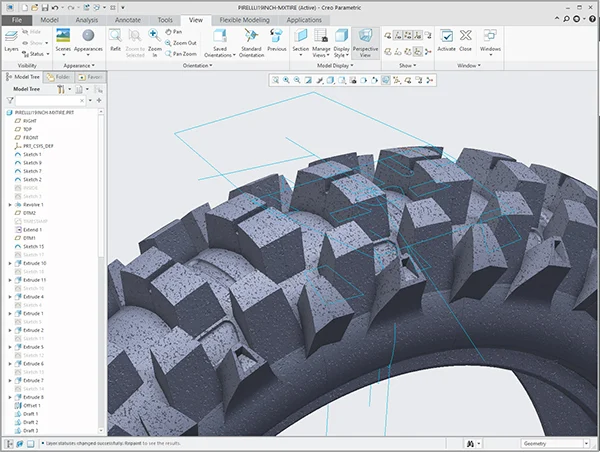
Creo is not just a 3D modeling tool; it is a comprehensive ecosystem for product development. Its architecture allows engineers to conceptualize, iterate, and validate designs under near real-world conditions. This is the crucial differentiator for today’s product development engineers.
Why Creo Remains the Gold Standard
The software empowers engineers to perform complex stress analysis, simulate fluid dynamics, and manage complex assemblies with a level of control that manual design processes simply cannot match. For a design engineer, mastering Creo means moving beyond basic geometry. It means understanding how to optimize parts for injection molding, die casting, and CNC machining.
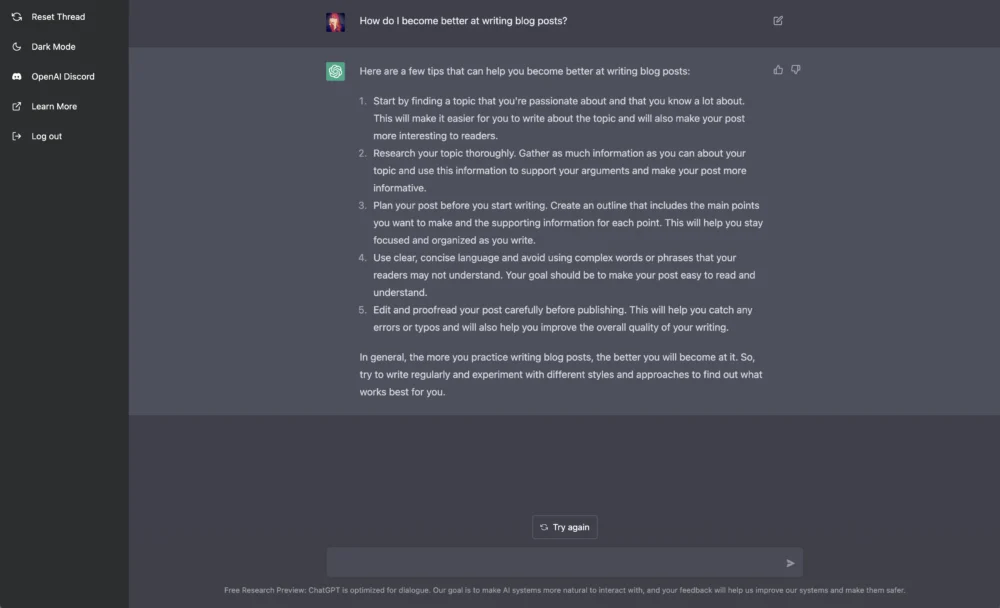
The software’s integration with behavioral modeling—where the system automatically adjusts geometry based on defined parameters—allows engineers to explore hundreds of design variations in the time it once took to create one. As one senior Design Engine instructor aptly noted: “Artificial intelligence alone will not take your job, but an engineer using artificial intelligence will.” In this context, Creo’s simulation tools act as a high-level, industry-specific engine for innovation, analogous to the power of AI tools like ChatGPT, but calibrated specifically for the physical requirements of manufacturing.
A Chronology of Industry Evolution
The trajectory of design engineering has shifted dramatically over the past three decades. In the early 1990s, CAD was a novelty, a digital replacement for the drafting board. By the early 2000s, it became the standard for 3D modeling. Today, we are in the era of "Smart Product Development."

- The 1990s (The Foundation): The focus was on transitioning from 2D to 3D and establishing digital documentation.
- The 2000s (The Proliferation): As companies adopted globalized supply chains, parametric modeling became essential to ensure that design changes could be communicated and updated seamlessly across international teams.
- The 2010s (The Simulation Era): Integration of FEA (Finite Element Analysis) and CAE (Computer-Aided Engineering) allowed engineers to test products before a single prototype was cut from metal or plastic.
- The 2020s and Beyond (The Era of Autonomy): We are currently witnessing the rise of generative design, augmented reality (AR) integration, and the deep coupling of AI with CAD. Proficiency in Creo is no longer about learning a menu system; it is about mastering the workflow of an automated, data-driven design environment.
Supporting Data: The Growing CAD Market
The economic necessity of high-level CAD training is supported by clear market trends. According to industry analysis from MarketsandMarkets, the global 3D CAD software market is on a robust growth trajectory. Valued at approximately USD 8.09 billion in 2019, the market is projected to reach USD 13.7 billion by 2024, representing a Compound Annual Growth Rate (CAGR) of 11.1%.
This growth is fueled by several specific drivers:
- Additive Manufacturing: The rise of 3D printing requires engineers to design complex geometries that were previously impossible to manufacture via traditional methods.
- Smart Products: As the "Internet of Things" (IoT) forces every product to become a "smart" product, the complexity of assemblies—involving sensors, electronics, and intricate housings—has skyrocketed.
- Efficiency Demands: In an era of economic uncertainty, companies are looking to reduce time-to-market. Those who can navigate CAD environments with speed and minimal error are the most valuable assets in the labor pool.
The Design Engine Methodology: A Case for Specialized Training
What sets Design Engine apart from the myriad of online tutorials and generic certification programs is its "industry-first" philosophy. The instructors are not just teachers; they are veteran practitioners with three decades of experience in the trenches of manufacturing.
Personalized Attention vs. Static Learning
Traditional software training often relies on reading from a manual or following generic, pre-recorded videos. Design Engine rejects this model. Their approach is centered on "hands-on" workshops where the curriculum is tailored to the specific challenges of the students.
Whether it is a one-on-one session over Zoom/Teams or an intensive in-person workshop, the focus is on "problem-solving skills." Students are not just taught how to create a part; they are taught why a part should be designed a certain way to survive the stresses of a die-casting process or the tolerances required for high-speed machining.
Flexible Modalities for the Modern Professional
Understanding that working professionals cannot always pause their careers for long-term education, Design Engine has developed a highly flexible framework:

- Online Interactive Courses: Real-time feedback from instructors who guide students through complex CAD workflows as if they were in the same room.
- In-Person Workshops: Intensive, deep-dive sessions that provide the hands-on environment necessary for mastering complex assembly management.
- Custom Corporate Training: Organizations can invite Design Engine to audit their current design workflows and build a training curriculum that solves the specific bottlenecks currently hampering their product development teams.
Implications for the Future of the Engineering Workforce
As the global economy faces the threat of recession, "upskilling" has become the primary hedge against job displacement. Progressive organizations use downtime not to scale back, but to innovate. By investing in staff training during slower periods, companies ensure that they hit the ground running when the market recovers.
For the individual engineer, the implication is clear: the ability to demonstrate advanced proficiency in Creo is a resume-defining trait. When hiring managers at industry leaders like Polaris or Dell look for talent, they are looking for "turnkey" employees—individuals who don’t need weeks of onboarding to understand how to handle complex assemblies or perform stress simulations.
Bridging the Gap
The integration of manufacturing knowledge with software proficiency creates a unique, hybrid skillset. An engineer who understands how a mold works is a better designer than one who simply knows how to click the "extrude" button in Creo. Design Engine’s commitment to teaching the "how" and the "why" of manufacturing ensures that their students are not just CAD operators, but true design engineers.
Conclusion: Investing in Your Professional Longevity
The digital transformation of the manufacturing sector is not slowing down. As artificial intelligence, augmented reality, and high-performance computing continue to reshape the tools of the trade, the engineers who remain static will inevitably find themselves marginalized. Conversely, those who embrace continuous learning—specifically in robust, industry-standard software like Creo—will find themselves in high demand.
Design Engine provides more than just a course; they provide a career strategy. By leveraging their deep industry expertise, personalized coaching, and flexible training delivery, professionals can ensure they are not just keeping up with the industry, but setting the pace.
Are you ready to elevate your career? Whether you are an individual looking to increase your market value or a manager looking to optimize your team’s output, the path forward is clear. Consider scheduling a "Lunch and Learn" with a Design Engine instructor to see firsthand the difference that expert-led training can make. Your next breakthrough in design starts with mastering the tools that make innovation possible. Visit the Design Engine website to view their upcoming course schedule and begin the process of transforming your potential into professional expertise.