



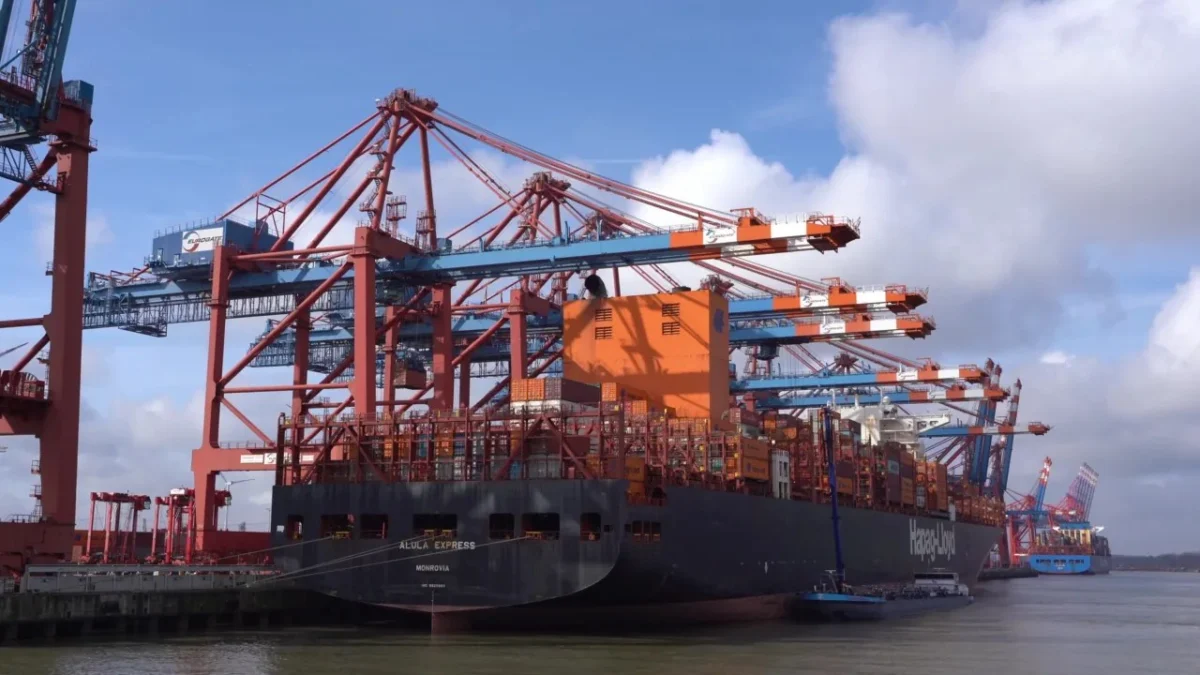
The maritime industry is standing at a pivotal crossroads. As the European Union tightens its regulatory grip on shipping emissions, the economic rationale for fuel selection is undergoing a seismic shift. Central to this transition is the European Commission’s recent proposal to introduce the Sustainable Maritime Alternative Propulsion (SMAP) mechanism—a strategic initiative designed to bridge the yawning price gap between conventional fossil fuels and sustainable, low-carbon alternatives.
However, as shipowners, charterers, and energy suppliers pore over the fine print, it is becoming clear that the transition will not be uniform. By leveraging 110 million carbon allowances from the EU Emissions Trading System (ETS) between 2028 and 2040, the Commission aims to incentivize a move toward green propulsion. Yet, an analysis by Rystad Energy suggests that while some fuels are set to become economically competitive overnight, others—specifically those derived from common waste lipids—are being left in the cold.
Main Facts: The SMAP Mechanism and the New Economic Hierarchy
The SMAP mechanism is not merely a subsidy; it is an economic lever designed to force the industry’s hand toward high-cost, high-potential fuels. Under the current proposal, the EU intends to cover a significant portion of the cost differential between fossil fuels and sustainable substitutes.
The support structure is tiered based on the type of fuel:
- Biogas and Advanced Biofuels: SMAP will bridge 55% of the price gap between these fuels and conventional alternatives.
- Renewable Fuels of Non-Biological Origin (RFNBOs): E-fuels like e-ammonia and e-methanol will receive a 90% subsidy on the price gap.
- The "EU Bonus": If the feedstock for these fuels originates within the European Union, an additional 10 percentage point subsidy is applied, potentially covering 100% of the cost premium for domestically produced e-ammonia.
These subsidies are calibrated to scale with the fuel’s cost, ensuring that the most expensive, innovative fuels receive the greatest support. However, the geographic scope is limited; to qualify, fuels generally must be produced within the EU or in a country that shares a linked carbon market, effectively creating a "green fortress" around European maritime energy procurement.
Chronology: The Regulatory Tightening of European Shipping
The path to these subsidies has been paved by a series of aggressive legislative milestones. Understanding the timeline is essential for stakeholders attempting to map out their fleet transition strategies:
- 2024 (The Foundation): The IMO continues to refine safety guidelines, such as those for ammonia, setting the stage for alternative fuel adoption. Simultaneously, the EU solidifies its Renewable Energy Directive (RED), which provides the sustainability criteria for all future fuel incentives.
- 2026 (The ETS Milestone): This marks the year that shipping firms must surrender ETS allowances for 100% of their verified in-scope emissions. Significantly, the definition of "in-scope" emissions expands to include methane and nitrous oxide, penalizing older engine technologies.
- 2025–2030 (The FuelEU Maritime Ramp-up): The FuelEU Maritime regulation begins to mandate a progressively stricter reduction in the greenhouse-gas intensity of onboard energy use. Shipping companies must ensure their fuel mix meets these targets or face significant penalties.
- 2028 (The Launch of SMAP): The SMAP mechanism comes into force, utilizing the 110 million allowances set aside to begin subsidizing the operational cost differential for compliant fuels.
- 2040 (The Sunset Horizon): The SMAP program is scheduled to conclude, by which time the Commission expects sustainable alternative fuels to have reached sufficient economies of scale to compete without direct subsidies.
Supporting Data: Cost Rankings and Market Dynamics
The interplay between the ETS, FuelEU Maritime, and SMAP creates a complex cost hierarchy. When looking at intra-EU routes, the data reveals surprising winners and losers.
The Rise of BioLNG
At third-quarter 2026 price projections, bioLNG costs more than double that of Very Low Sulfur Fuel Oil (VLSFO). However, when the FuelEU credits and the SMAP subsidy are factored in, bioLNG costs drop to approximately half that of VLSFO. This makes a compelling business case for the continued deployment of LNG dual-fuel ships, as the infrastructure already exists and the fuel becomes, in effect, a subsidized commodity.
The E-Fuel Opportunity
Renewable fuels of non-biological origin, such as e-ammonia, represent the "gold standard" of the EU’s policy. On paper, these fuels become the cheapest options on the market once the 90–100% subsidy is applied. Yet, a massive bottleneck remains: global production capacity for e-ammonia is currently negligible, and few vessels are equipped to store and burn it safely. The policy is essentially subsidizing a market that does not yet have the supply chain or the engine technology to support it at scale.
The Waste-Based Biofuel Gap
The most glaring omission in the SMAP framework is the exclusion of liquid biofuels made from waste oils and fats, such as used cooking oil (UCO) and animal fats. Despite these fuels being "fully compliant" under the ETS and FuelEU Maritime, they are not eligible for SMAP support. Given that these waste lipids are projected to account for 96% of Europe’s biodiesel production capacity by 2030, this exclusion effectively sidelines the most accessible decarbonization tool currently available to shipowners.
Official Responses and Industry Sentiment
While the European Commission frames SMAP as a necessary catalyst for "hard-to-abate" sectors, the industry response has been mixed.
Industry lobby groups representing the biofuel sector have expressed concern that the policy ignores current realities. "We are effectively being told that the most viable, immediate solution for reducing carbon emissions—waste-based biofuels—is not ‘green enough’ for the highest level of support," noted a spokesperson for a European maritime energy association.
Conversely, proponents of hydrogen and ammonia-based propulsion see the policy as a visionary masterstroke. "By focusing on RFNBOs, the EU is forcing the market to skip the incremental steps of the energy transition and jump directly to the final solution," says an analyst from a leading maritime decarbonization think tank. "It’s a high-risk, high-reward strategy that prioritizes long-term systemic change over short-term operational convenience."
Implications: A New Era of Strategic Decision-Making
The implications for shipowners and charterers are profound and immediate. The combination of these three regulatory pillars—the ETS, FuelEU Maritime, and SMAP—means that shipowners can no longer treat fuel procurement as a purely commercial decision based on spot prices.
1. Fleet Investment Strategy
Investors must now weigh the long-term viability of their assets against the shifting subsidy landscape. Investing in a vessel capable of burning bioLNG offers a lower-risk path, as the fuel is a "drop-in" solution. However, the most aggressive operators may be tempted to invest in ammonia-ready vessels to capture the maximum SMAP subsidy, despite the current lack of bunkering infrastructure.
2. The Supply Chain Squeeze
The exclusion of waste-based biofuels from SMAP creates a potential "bidding war" between the aviation and shipping sectors. With both sectors vying for limited supplies of sustainable feedstocks to meet their respective mandates, shipowners may find that even if they want to use waste-based biofuels, the price will be driven upward by the aviation industry’s own decarbonization targets.
3. The "EU Fortress" Effect
By requiring fuels to be produced within the EU or a linked market to receive full benefits, the Commission is effectively creating a protected regional energy market. This will likely lead to a surge in localized production facilities for e-fuels, but it could also create friction with international trade partners who find their sustainable exports excluded from the most lucrative subsidy tiers.
Conclusion: The Road Ahead
The EU’s strategy is clear: it intends to use its carbon market not just to penalize pollution, but to engineer a transition to a specific, highly regulated energy future. While the SMAP mechanism offers a significant lifeline to those willing to adopt advanced propulsion technologies, it creates a challenging environment for those reliant on conventional biofuels.
As 2026 approaches, the maritime industry must prepare for a landscape where regulatory compliance, government subsidies, and technological capability are inextricably linked. For the shipowner, the task is no longer just about moving cargo from point A to point B; it is about navigating a complex, multi-layered regulatory map where the choice of fuel can define the profitability—or the obsolescence—of an entire fleet. The transition is underway, but as the data suggests, the path forward is anything but uniform.