





RIYADH — In a transformative leap forward for the Kingdom’s sporting and cultural landscape, the Jockey Club of Saudi Arabia (JCSA) has officially released its comprehensive strategic roadmap spanning from 2026 through the conclusion of the 2028/2029 racing seasons.
Unveiled following months of rigorous planning, stakeholder consultations, and institutional alignment, the multi-year blueprint is designed to reinforce Saudi Arabia’s position as a premier global hub for elite equestrian sports. By orchestrating a holistic evolution of racecourse infrastructure, prize purses, regulatory frameworks, and international partnerships, the JCSA is executing a vision aligned with the broader socio-economic transformation of the nation under Vision 2030.
Main Facts: The Strategic Vision and Core Objectives
At its core, the newly unveiled roadmap establishes a clear trajectory for the systematic expansion and professionalization of Saudi horse racing over the next three years. The strategy focuses heavily on structural modernization, talent development, financial sustainability, and elevating the competitive value of the Kingdom’s marquee race meetings.
Key highlights of the 2026–2029 strategy include:

- Enhanced Financial Commitments: Substantial increases in total prize purses across major race days, most notably highlighted by a record-shattering $3.45 million purse for the prestigious Custodian of the Two Holy Mosques Cup.
- Infrastructure Upgrades: Comprehensive modernization programs across key equestrian venues, including the flagship King Abdulaziz Racecourse in Riyadh and regional facilities, aimed at meeting the highest international standards for equine welfare, jockey safety, and fan experience.
- Global Integration: Expanded collaborative frameworks with international racing authorities, bloodstock registries, and global racing syndicates to attract top-tier global talent, trainers, and thoroughbreds to Saudi tracks.
- Human Capital Development: Specialized training academies and educational initiatives designed to nurture domestic talent—ranging from jockeys and trainers to veterinarians and track managers.
Chronology of Development: From Regional Hub to International Powerhouse
The rollout of the 2026–2029 roadmap is the culmination of a decade of measured, high-impact growth within Saudi equestrian sports. Understanding the current strategic phase requires tracing the critical milestones that have shaped the nation’s racing industry:
The Foundation and Early Growth
For generations, equestrianism was deeply woven into the cultural fabric of the Arabian Peninsula, celebrated as a heritage of pride, horsemanship, and nobility. However, the institutionalization of professional race meetings began in earnest with the establishment and subsequent reorganization of the Jockey Club of Saudi Arabia. Operating under the umbrella of national sports development directives, the JCSA sought to standardize racing protocols, introduce international handicapping systems, and professionalize training operations.
The Global Breakthrough: The Saudi Cup
The turning point for modern Saudi horse racing occurred with the inauguration of The Saudi Cup. Established as the world’s most valuable horse race—boasting a staggering $20 million purse—the event instantly captured the attention of the global racing community. Held annually at the King Abdulaziz Racecourse in Riyadh, The Saudi Cup successfully attracted the finest racehorses, trainers, and jockeys from every corner of the globe, instantly elevating Saudi Arabia onto the tier-one stage of international thoroughbred racing.
The 2026–2029 Strategic Horizon
Building upon the immense success of events like the Saudi Cup and the Custodian of the Two Holy Mosques Cup, the JCSA recognized the necessity for a structured long-term roadmap. The newly announced strategy is mapped out across distinct phases:
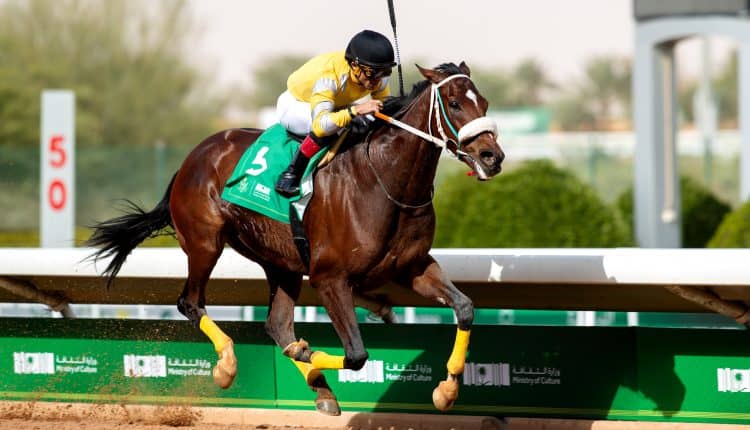
- The 2026/2027 Season: Focuses on baseline infrastructure optimization, tightening regulatory compliance, and rolling out initial prize money increments.
- The 2027/2028 Season: Targets international marketing campaigns, expanding broadcast reach, and introducing new graded stakes races to the calendar.
- The 2028/2029 Season: Culminates in full international integration, enhanced equine welfare accreditation, and the realization of a self-sustaining, globally competitive racing ecosystem.
Supporting Data: Investment, Prizes, and Infrastructure
Data released by the JCSA underscores the sheer scale of investment dedicated to the sport’s evolution. Financial allocations are no longer viewed merely as operational costs, but as high-yield investments in Saudi Arabia’s international soft power and sports tourism economy.
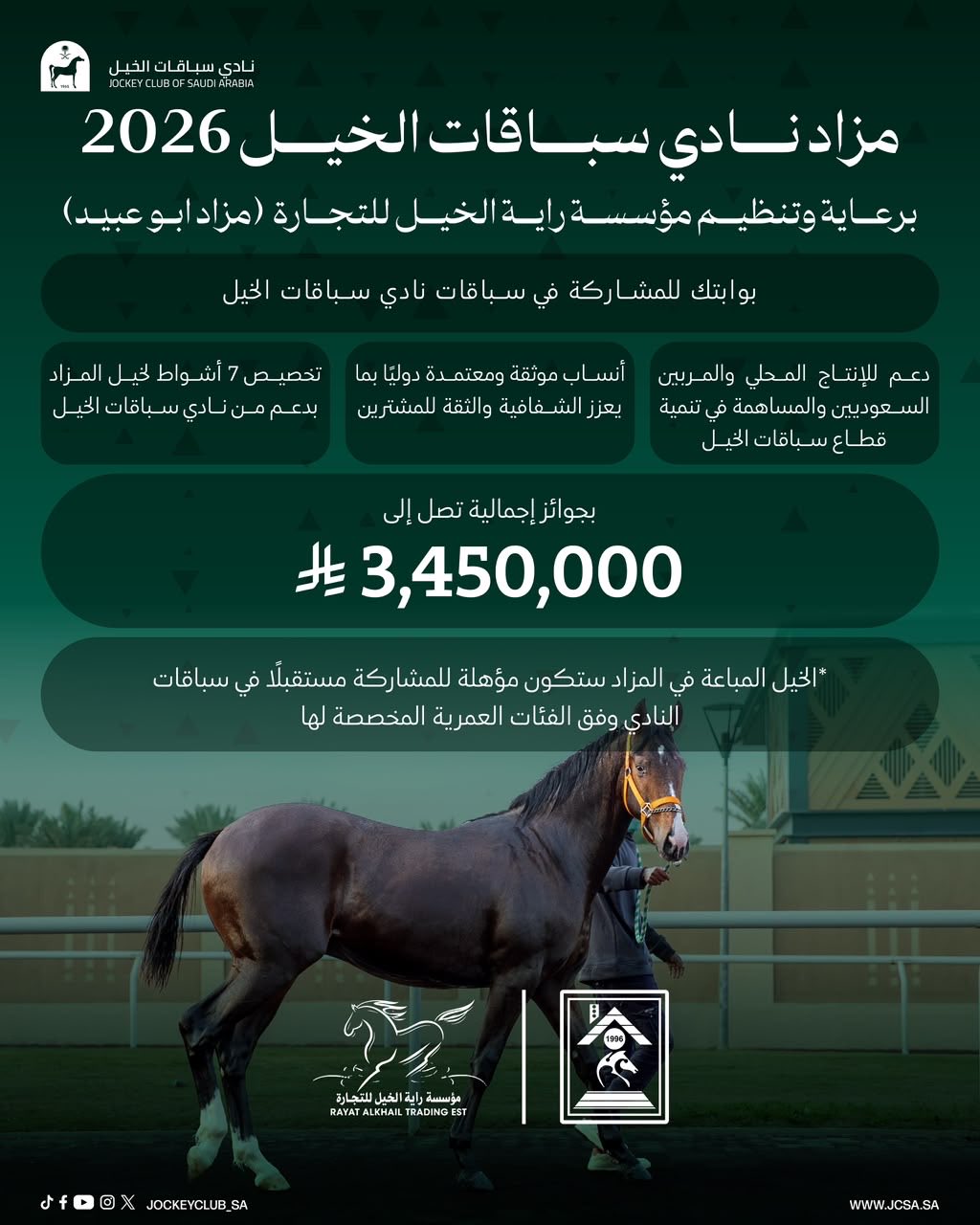
- The Custodian of the Two Holy Mosques Cup: Standing as a crown jewel of the domestic calendar, the race has seen its competitive profile heightened with a massive purse reaching 3,450,000 SAR. This significant financial boost is intended to draw elite domestic and regional contenders, fostering fierce competition and raising the overall standard of racing performance.
- Capital Expenditure on Facilities: Millions of Saudi Riyals have been earmarked for state-of-the-art veterinary hospitals, climate-controlled stables, advanced track-surfacing materials, and enhanced spectator hospitality suites. These investments ensure that Saudi racecourses rank alongside historic venues in Europe, North America, and Asia.
- Bloodstock and Breeding Investment: Parallel to race-day investments, private and institutional stakeholders are pouring capital into domestic breeding programs, importing world-class broodmares and stallions to strengthen the quality of locally bred Arabian and Thoroughbred horses.
Official Responses and Institutional Perspectives
Leadership within the Kingdom’s sports sector has emphasized that the new roadmap is a testament to the unwavering support provided by Saudi leadership to the equestrian sector.
In official statements released alongside the strategic framework, JCSA board members highlighted that the roadmap is not just about entertainment or athletic competition—it is a comprehensive economic engine. By driving tourism, creating specialized employment opportunities, and stimulating local supply chains (from feed production to equine medicine), the racing industry is directly contributing to the diversification goals of Vision 2030.
Furthermore, international racing delegations and visiting horsemen have consistently praised the professionalism, hospitality, and infrastructural excellence displayed at Saudi race meetings. The JCSA’s commitment to transparency, stringent anti-doping protocols, and equine safety measures has earned the respect of international regulatory bodies such as the International Federation of Horseracing Authorities (IFHA).
Economic and Cultural Implications
The implementation of the 2026–2029 strategic roadmap carries profound implications for both the domestic economy and the global standing of Saudi sports:
Boosting Sports Tourism
With world-class race meetings drawing international visitors, journalists, and high-net-worth investors to Riyadh and other regional racing hubs, Saudi Arabia is rapidly solidifying its reputation as a premier destination for sports tourism. High-end hospitality, cultural exhibitions running parallel to major race days, and luxury lifestyle events are creating a multi-faceted visitor experience.
Elevating Industry Standards
The strict regulatory frameworks mandated by the roadmap ensure that local trainers, jockeys, and stable hands are held to international best practices. Scholarships, exchange programs with foreign racing institutions, and continuous professional development courses are empowering a new generation of Saudi equestrian professionals.
Cultural Preservation Meets Modernity
While the sport embraces cutting-edge technology—such as digital tracking, advanced biometric monitoring for horses, and global satellite broadcasting—it simultaneously honors the deep-rooted heritage of the Arabian horse. The roadmap ensures that traditional horsemanship is preserved, celebrated, and passed down to future generations within a modern, competitive framework.
Conclusion
The release of the Jockey Club of Saudi Arabia’s strategic roadmap for 2026–2029 marks the dawn of a golden era for the sport within the Kingdom. By methodically addressing infrastructure, prize money, welfare, and international cooperation, the JCSA is ensuring that Saudi horse racing not only maintains its prestigious momentum but accelerates past new horizons. As the countdown to the upcoming seasons continues, the global equestrian community watches with anticipation as Saudi Arabia gallops confidently toward a prosperous and globally influential future.