




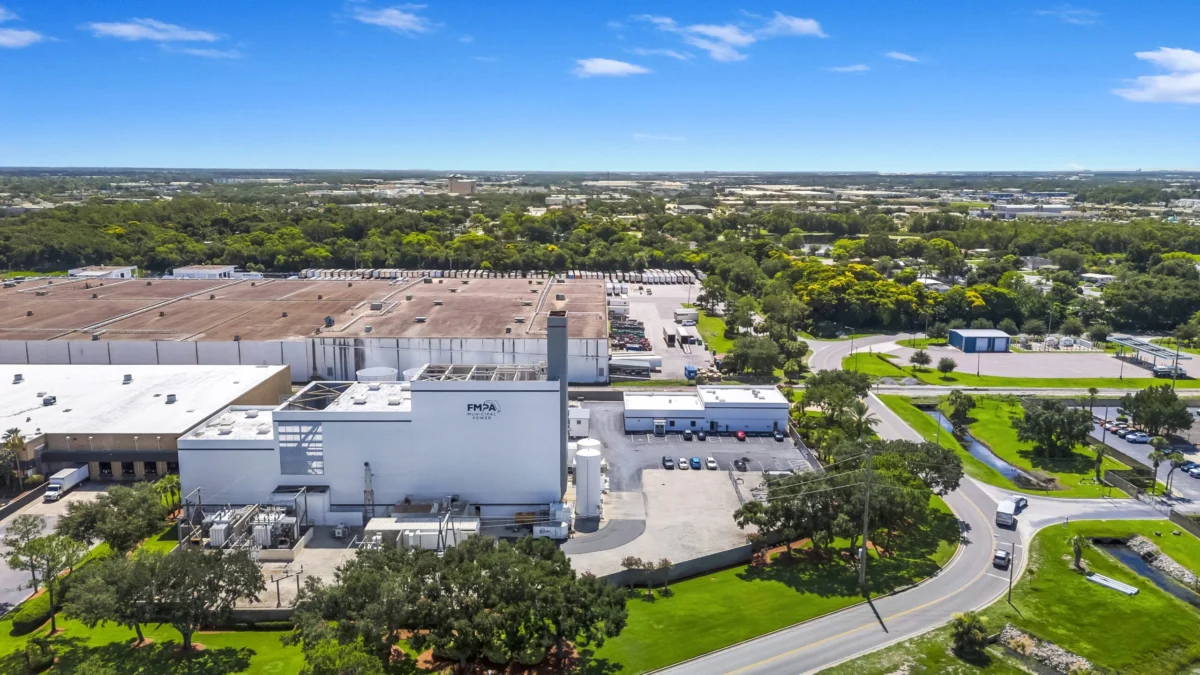
For over three decades, the Sand Lake Energy Center (SLEC) in Orlando, Florida, served as a reliable workhorse for the regional grid. Commissioned in 1993, the facility operated as a classic cogeneration plant, providing a steady, unwavering supply of electricity—114.5 MW of baseload power, climbing to 125 MW during peak demand. However, the energy landscape of the 2020s bears little resemblance to the 1990s. As the grid integrates more intermittent renewables and utility-scale battery storage, the mandate for thermal power plants has shifted from constant output to rapid, flexible dispatchability.
This transition marks a fundamental change in how the Florida Municipal Power Agency (FMPA), the facility’s current owner, approaches asset management. For Maintenance Manager Danny Slade, who has been at the helm for over 30 years, the job has evolved from routine, predictive monitoring to high-level strategic planning, ensuring that a legacy asset can survive—and thrive—in an era of frequent cycling.
A New Era of Operational Strategy
The expiration of the plant’s original power purchase agreement (PPA) at the end of 2023 served as the catalyst for a total operational reset. FMPA, a wholesale power agency representing 33 municipal electric utilities across Florida, inherited a plant designed for 8,000 hours of annual operation, now tasked with performing as a peaking resource.
“We’ve gone from constantly monitoring equipment in a steady-state environment to spending significantly more time with FMPA executives to decide where the plant needs investment,” says Slade. “We aren’t just keeping the lights on; we are evaluating how to handle the thermal stress of cycling while extending the life of an aging asset by another two decades.”

The economic reality is stark. In the first two months of 2026, the facility operated for only six days. Because the plant is part of a massive, interconnected power pool, its dispatch is dictated by a complex algorithm that weighs fuel efficiency, transmission costs, and the availability of newer, more efficient combined-cycle units elsewhere in the FMPA network.
Chronology of Transformation: From Cogeneration to Dispatch
The transformation of the Sand Lake facility was not merely a matter of changing operating hours; it required a physical deconstruction of the plant’s original purpose.
The Immediate Decommissioning Phase
The most significant change following the ownership transfer was the termination of a long-standing cogeneration agreement. For years, SLEC provided cold water to an adjacent Air Products facility. With the agreement dissolved, the massive 1,600-ton absorption chiller became redundant and was promptly decommissioned.
Furthermore, the plant’s original duct burners—a staple for providing extra capacity during the cogeneration era—were removed. They had not been in use since 2008, when a compressor upgrade successfully increased mass flow by 8% to 10%, effectively rendering the burners obsolete. "We didn’t need the duct burners to meet our power contracts," Slade explains. "FMPA determined they were a maintenance liability rather than a capacity asset."

Infrastructure Upgrades
With the legacy systems removed, the focus shifted to the cooling infrastructure. The original cooling towers had suffered from decades of exposure to harsh Florida conditions—extreme humidity, UV radiation, and chemical treatment cycles. FMPA engaged ICT Industrial to replace these with a modern, four-cell cooling tower utilizing fiber-reinforced polymer (FRP) construction. Unlike the traditional wood, steel, and concrete structures of the 1990s, the new FRP design offers superior corrosion resistance, a high strength-to-weight ratio, and simplified maintenance, ensuring the facility’s cooling loop remains reliable for years to come.
Technical Deep-Dive: Extending Asset Life
The core of the plant remains its single-shaft combined-cycle configuration, featuring an Alstom GT11NM gas turbine, an ABB VAX steam turbine, and a Brush 145 MVA generator. To prepare these components for the rigorous thermal cycling associated with peaking duty, FMPA is implementing a comprehensive upgrade package.
The GT11NM XL/XP Upgrade
In partnership with GE Vernova and installer Hughes Technical Services, the plant is undergoing the GT11NM XL/XP upgrade. This package is critical for two reasons: reliability and performance.
- The XL Mode: Extends major inspection intervals from 24,000 to 32,000 equivalent operating hours (EOH), while providing a 9.6 MW boost in output and a 2.9% gain in efficiency.
- The XP Mode: Maintains the 24,000 EOH interval but delivers a more aggressive 13.1 MW increase in power with a 3.2% efficiency gain.
These upgrades, involving hardware changes to the fourth row of the compressor and modernized control systems, allow the plant to "sprint" more effectively when called upon by the grid.

Electrical and Secondary System Overhauls
Beyond the turbine, FMPA is eyeing electrical infrastructure. Current transmission losses at the transformer and substation level are estimated at 10 MW. Proposals are currently on the table to consolidate the two aging transformers into one larger, high-efficiency unit and re-stream substation connections to Duke Energy, effectively reclaiming capacity that is currently lost to heat and impedance.
The Clutch Factor: A 30-Year Advantage
Perhaps the most unique aspect of the SLEC facility is its use of an SSS Clutch. As the first single-shaft combined-cycle plant in the U.S. to utilize a clutch rated for over 100 MW, the facility possesses a major advantage in startup times.
The clutch sits between the generator and the steam turbine, allowing the gas turbine to decouple from the steam cycle. This enables the plant to reach 10 MW of power within just 20 minutes of startup—a vital capability for a dispatchable asset. During this time, the steam turbine is brought online separately, preventing the need for a full, slow-start synchronization. A new clutch was installed in 2017, and upon inspection of the original unit, engineers found it was still operating at peak performance, providing confidence that the mechanical linkage will remain viable for the next 20 years.
Implications for the Future of Legacy Assets
The situation at Sand Lake serves as a microcosm for the broader power industry. As many combined-cycle plants built in the 1990s face similar transitions, operators are finding themselves in a race against equipment obsolescence.

The Parts Crisis
Maintenance Manager Danny Slade highlights the growing difficulty in sourcing parts for legacy ABB/Alstom equipment. His participation in the Alstom Owners Group (AOG) is a strategic necessity. "We all help each other with obsolete parts," Slade notes. "There are specialty companies manufacturing re-engineered blades and buckets, but as we look 15 years down the road, maintaining a 50-year-old turbine will require an increasingly creative supply chain."
The Human Element
For operators, the transition to cycling means the "old ways" of maintenance—based on fixed time intervals—no longer suffice. Instead, the focus has shifted to condition-based monitoring and flexible, high-impact upgrades. The goal is to maximize capacity whenever the plant is called, even if that call comes sporadically.
Looking Ahead: POWERGEN 2027
The challenges faced by the Sand Lake Energy Center are being mirrored in plants across the globe. As owner-operators grapple with managing cycling wear, securing supply chains for legacy parts, and optimizing existing assets, the industry is converging to share solutions. The upcoming POWERGEN 2027 event in Salt Lake City is set to feature dedicated tracks on asset life management and combined-cycle operations, providing a forum for the next generation of engineers to learn from the experiences of facilities like SLEC.
The story of the Sand Lake Energy Center is ultimately one of resilience. By replacing outdated technology, investing in strategic upgrades, and rethinking their place within the power pool, the FMPA team is proving that an aging asset does not have to be an obsolete one. With the right technical foresight, a 1993-era plant can remain a vital, profitable, and necessary component of a 21st-century grid.