


As the Greater Houston metropolitan area experiences unprecedented commercial development and rapid population growth, maintaining the foundational utility infrastructure required to support this boom has become an urgent priority. Powering a sprawling, economically vital hub like Houston means confronting extreme climate challenges and surging electricity demand head-on.
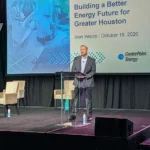
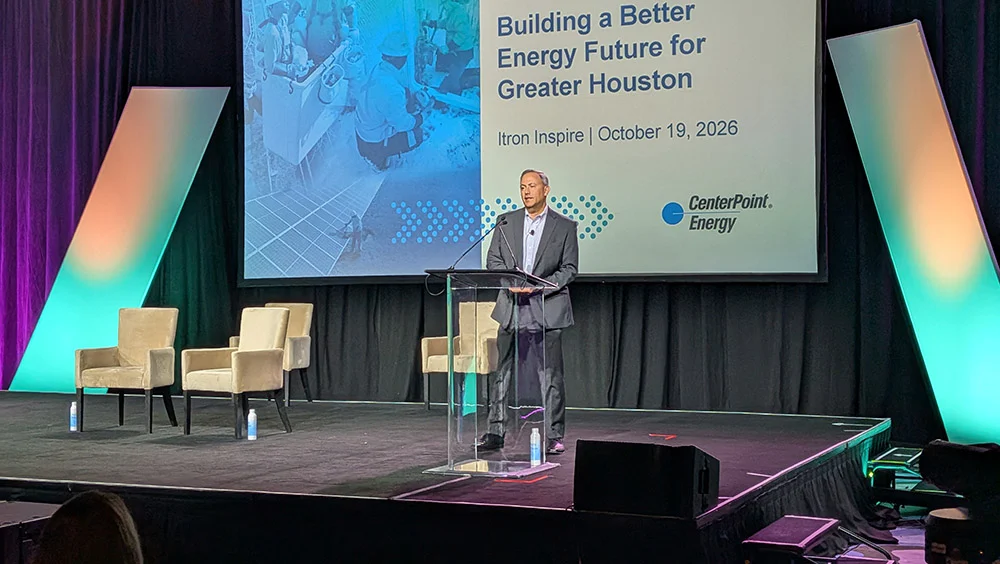
This is the monumental task facing CenterPoint Energy. Through an aggressive modernization campaign, the utility is positioning itself to build the most resilient coastal electrical grid in the United States. Speaking at the keynote stage of the Itron Inspire conference, Ed De Varona, Senior Vice President of CenterPoint Energy’s Electric Business, outlined how the utility is transforming grid management. In an exclusive follow-up interview, De Varona shared deep insights into the technological strategies, data-driven frameworks, and physical hardening techniques that other utility providers across the nation can study and leverage.
1. Main Facts: The Blueprint for a Next-Generation Coastal Grid
At the core of CenterPoint Energy’s transformation is a dual-pronged strategy: aggressive physical infrastructure hardening paired with cutting-edge digital automation. Driven by the mandates of the Greater Houston Resiliency Initiative, the utility is completely rethinking how power is delivered, monitored, and restored across a geographic region uniquely vulnerable to severe climate events.
The Core Pillars of CenterPoint’s Strategy:
- Advanced Metering Infrastructure (AMI) Integration: Leveraging automated data streams to monitor equipment health and autonomously diagnose grid anomalies before they result in widespread outages.
- Edge Computing and Smart Devices: Deploying hundreds of intelligent, self-healing devices designed to automatically reroute power and minimize the duration of customer outages.
- Aggressive Physical Hardening: Replacing thousands of legacy utility poles with high-wind-resistant models, strategically burying high-risk overhead power lines, and executing extensive vegetation management programs.
- Proactive Load Planning: Integrating real-time operational data directly into capacity planning to ensure the grid scales ahead of commercial and residential development.
“Data is everything,” De Varona emphasized during his remarks. “Once we made the transition to Advanced Metering Infrastructure (AMI), information could be transferred automatically into our system to monitor the health of equipment and be much more proactive in how we care for the grid.”
2. Chronology: From Crisis to Catalyst – The Evolution of Houston’s Grid
To understand the scope of CenterPoint Energy’s current modernization effort, it is essential to trace the timeline of events and strategic policy shifts that brought the utility to this critical juncture.
Phase I: Pre-2024 – The Traditional Infrastructure Era
Historically, Houston’s power grid operated on a conventional utility model—prioritizing reactive maintenance, scheduled vegetation clearing, and standard capacity expansion based on historical growth patterns. While adequate for decades, this framework proved increasingly strained as the frequency and intensity of Gulf Coast extreme weather events accelerated.
Phase II: 2024 – The Birth of the Greater Houston Resiliency Initiative
Following a punishing sequence of severe weather events that tested the limits of regional power systems, CenterPoint Energy recognized that incremental updates were no longer sufficient. In 2024, the utility formally launched the Greater Houston Resiliency Initiative. This milestone program shifted the company’s operating philosophy from mere disaster recovery to absolute grid resilience, merging physical fortification with digital automation.
Phase III: 2025 – Tangible Dividends and Historic Milestones
By the close of 2025, the initiative began paying massive dividends. CenterPoint’s aggressive deployment of upgraded infrastructure and targeted vegetation management successfully eliminated more than 100 million minutes of customer power interruptions over the course of the year. This milestone proved that the utility’s capital investments were translating into direct, measurable reliability improvements for end-users.
Phase IV: 2026 and Beyond – Scaling Intelligence to the Edge
Entering late 2026, CenterPoint’s modernization efforts entered a phase of hyper-scaling. The utility accelerated its deployment of self-healing intelligent devices, expanded underground cabling projects, and deepened its integration of edge computing. Today, the initiative serves as a national case study in how major metropolitan utilities can future-proof their operations against intensifying environmental threats.

3. Supporting Data: Quantifying the Scale of Modernization
The ambition of CenterPoint Energy’s resilience campaign is best understood through the sheer scale of its physical and digital deployments. The numbers highlight an unprecedented mobilization of engineering resources, labor, and capital investment.
Infrastructure Hardening Metrics (As of September 2026):
- Resilient Utility Poles: CenterPoint has successfully installed more than 83,500 stronger, high-wind-rated poles designed to withstand severe tropical storm and hurricane-force winds.
- Underground Cabling: More than 900 miles of vulnerable power lines have been transitioned underground, shielding them from windborne debris, falling trees, and ice loading.
- Vegetation Management: Crews have meticulously cleared or trimmed over 14,000 miles of high-risk tree branches and vegetation corridors running parallel to power lines, eliminating one of the primary causes of storm-related short circuits.
- Self-Healing Automation: The utility is on track to install over 300 intelligent, self-healing devices within 2026 alone, vastly shrinking the radius and duration of localized outages.
- Customer Reliability Impact: The combined effect of these initiatives successfully spared Houston customers over 100 million minutes of outage time throughout 2025.
These metrics illustrate a fundamental shift: CenterPoint is no longer just repairing a grid; it is engineering a dynamic, self-defending energy network.
4. Official Responses: Insights from Utility Leadership
During his keynote address at Itron Inspire and in subsequent discussions, Ed De Varona provided a transparent look at the philosophy driving CenterPoint Energy’s transformation. He stressed that technological innovation in the utility sector does not require inventing entirely new paradigms, but rather intelligently applying existing tools to solve hyper-local operational challenges.
"We’re on a path to install over 300 intelligent devices capable of self-healing this year alone, ensuring customers are impacted less and for shorter durations when issues occur," stated Ed De Varona, Senior Vice President of CenterPoint Energy’s Electric Business.
De Varona highlighted the unique geographical and meteorological pressures facing the Texas Gulf Coast, noting that utility planning can no longer afford to focus on a single type of natural disaster.
"We’re in an area that faces severe weather hazards, which is not only severe hurricanes coming off the Gulf, but also winter storms and flooding scenarios. We want to ensure we integrate solutions into our infrastructure that address every one of those hazards."
By pushing computational power to the edge of the network, CenterPoint is empowering its engineers and automated systems to gain granular, real-time insights into how transformers, substations, and distribution lines respond under stress. This transition from retrospective data analysis to predictive, real-time intelligence marks a watershed moment for utility management.
5. Implications: A National Blueprint for Utility Resilience
The work being executed by CenterPoint Energy in the Greater Houston area holds profound implications for the broader North American energy sector. As climate change increases the frequency and severity of extreme weather events nationwide—from coastal hurricanes and inland derechoes to crippling winter freezes—utilities everywhere are searching for scalable models of grid fortification.
Key Takeaways for the Broader Utility Industry:
- Data-Driven Proactivity: As De Varona noted, data is everything. Utilities that fail to transition from reactive break-fix models to AMI-driven predictive monitoring will struggle to maintain reliability as demand scales.
- Holistic Hazard Mitigation: Resilience cannot be achieved through software alone or hardware alone. CenterPoint’s success stems from a balanced approach: hardening physical assets (poles, underground lines) while deploying advanced digital layers (self-healing automation, edge computing).
- Synchronizing Growth with Infrastructure: Rapidly expanding urban centers require utilities to design grids ahead of customer demand. By integrating operational data directly into integrated planning processes, CenterPoint ensures that new commercial and residential loads do not compromise grid stability.
- The Cost of Inaction: Initiatives once viewed as capital luxuries—such as mass undergrounding and intelligent grid rerouting—have rapidly transformed into baseline operational necessities for modern utilities operating in climate-vulnerable corridors.
Conclusion
CenterPoint Energy’s Greater Houston Resiliency Initiative offers a compelling roadmap for the future of power delivery in America. By combining robust physical engineering with intelligent data architecture, the utility is not only safeguarding one of the nation’s most vital economic engines against extreme weather, but it is also establishing a gold standard for utility resilience worldwide. As other regional providers look for ways to secure their own grids against an uncertain climatic future, Houston’s blueprint provides a clear path forward.