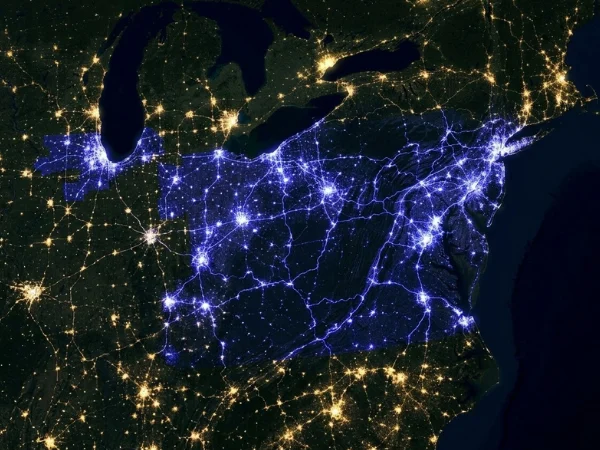
The American electrical landscape is currently undergoing its most radical transformation in half a century. With U.S. electricity demand projected to shatter records throughout 2026 and 2027, the industry is entering an era of sustained, high-velocity growth. This surge is fueled by a perfect storm of industrial reshoring, the rapid electrification of the economy, and, most notably, the explosive appetite for power from hyperscale artificial intelligence (AI) data center campuses.
As the industry converges on Salt Lake City for POWERGEN 2027 (Jan. 18–21), the mood is one of urgent pragmatism. The days of predictable, incremental load growth are over. Today, power generation participants—from plant operators and EPC contractors to grid regulators—are forced to navigate a landscape defined by 50 to 300 MW load blocks arriving with 12-to-24-month delivery windows, all while facing a grid interconnection queue that often stretches five to eight years.
The Core Challenge: A Conflict of Timelines
The fundamental tension in the power sector today is the "gap of expectation." Data center developers operate on a rapid tech-sector timeline, while traditional power infrastructure development remains shackled to multi-year permitting and supply chain bottlenecks.
With new combined-cycle capacity often quoting delivery for 2029 or beyond, project owners are pivoting to a strategy of immediate optimization. They are looking to "squeeze out every megawatt" from existing assets while exploring modular, faster-to-deploy generation alternatives. The POWERGEN 2027 conference program, released last week, is specifically designed to address these competing realities. By curating insights from reciprocating engine suppliers, fuel cell manufacturers, and grid operators, the event aims to reconcile the industry’s need for speed with the technical mandates of grid stability.
Chronology of a Crisis: From Baseload to Dynamic Dispatch
The evolution of the power generation industry over the last five years has been a rapid descent into complexity.

- 2021-2023: The initial surge of post-pandemic industrial demand and the beginning of the AI "gold rush" began to strain interconnection queues.
- 2024-2025: The industry realized that traditional utility-scale planning cycles could not accommodate the "hyper-growth" of data center clusters, leading to a rise in behind-the-meter generation requests.
- 2026: Record-breaking summer peaks and the widespread adoption of AI training infrastructure pushed regional grids to the brink, forcing a national conversation on reliability.
- 2027 (Current Context): The industry focus has shifted toward "immediate-term optimization"—upgrading existing fleets, implementing digital monitoring, and rethinking how we integrate massive, volatile loads without compromising grid frequency.
Supporting Data: The Technical Reality of AI Load
The technical implications of AI-driven demand are being examined with newfound rigor. Data centers are not merely "static" loads; they create electromagnetic transient impacts that can physically damage generation equipment.
Research from Sargent & Lundy’s transmission planning group suggests that rapid, high-magnitude load swings near data centers can excite torsional vibration modes in turbine-generator shafts. This cumulative mechanical damage is often overlooked in conventional studies. The proposed threshold for concern? A 25 MW step change. Below this, systems may remain stable; above it, the risk of fatigue increases significantly.
To mitigate these impacts, industry experts are debating three primary levers:
- E-STATCOMs: For rapid voltage support.
- Battery Energy Storage Systems (BESS): To buffer load spikes.
- Synchronous Condensers: To provide necessary inertia.
Conversely, some of the most innovative work involves "load-side flexibility." Collaborations between major power producers and tech giants like NVIDIA are exploring how to make data centers responsive to grid conditions. By distinguishing between the different power needs of training, inference, and batch processing, operators can potentially "curtail" certain data hall functions without shutting down the entire facility, effectively turning a data center into a virtual demand-response asset.
Official Perspectives and Regulatory Hurdles
The regulatory environment remains the "gatekeeper" of power delivery. Peter Belmonte, National Power Sector Lead at Intera, Inc., emphasizes that the legal landscape for behind-the-meter generation is shifting under our feet.

"When prime power lands at a campus," Belmonte notes, "a minor emissions source can quickly become a major stationary source under the Clean Air Act." This triggers a cascade of requirements, including New Source Review and the Prevention of Significant Deterioration (PSD) protocols. For developers, this translates into a 12-to-24-month permitting cycle that is only growing longer.
Meanwhile, at the grid level, the ERCOT model is being scrutinized as a potential blueprint for other regions. By moving away from "cluster queues"—where projects are stuck waiting for the entire group to be studied—and toward an individual, merit-based review process, Texas is attempting to accelerate connection timelines. Experts from ERCOT will be at POWERGEN 2027 to explain how their "Connect-and-Manage" model balances this speed with the increased stability requirements brought on by high-load growth.
Fleet Optimization: Doing More with What We Have
For operators who cannot wait for a 2029 commissioning date, the solution lies in the current fleet. The conference program features a "National Pulse Check on the U.S. Gas Turbine Fleet," conducted by Turbine Logic and EPRI. This study utilizes 2025 and 2026 operating data to identify underperforming assets and demonstrate the ROI of mid-life upgrades.
TVA’s Phasor Monitoring Initiative
A prime example of modernizing the existing fleet is the Tennessee Valley Authority (TVA). By implementing continuous synchrophasor capture across 100+ units, TVA has moved away from expensive, disruptive periodic on-site testing. This permanent, data-driven monitoring allows for fleet-wide frequency modeling, essentially using the data from one unit to satisfy regulatory requirements for others with identical configurations. It is a masterclass in operational efficiency that reaches cost-parity within six years while providing real-time grid visibility.
The Australian Lesson: The "Flexing" of Coal
The global nature of the industry is also providing critical data. The team from AGL’s Bayswater station in Australia will present findings on how they transformed a traditional coal-fired plant into a "flexing" asset. By increasing their plant flexibility by 113%—allowing for rapid starts, stops, and low-load operations—they have successfully adapted to a market dominated by renewable volatility. While the session is candid about the heavy wear-and-tear caused by such operations, it serves as a sobering and necessary look at what may be required of U.S. thermal assets in the coming decade.

Implications: The Human and Safety Element
As the industry scales, it faces the "social license to operate." Battery storage, while essential, is under intense scrutiny regarding fire safety and community acceptance. The POWERGEN 2027 program dedicates significant time to the intersection of code compliance (UL 9540A and NFPA 855) and public trust.
Developing a BESS project is no longer just an engineering challenge; it is a community engagement challenge. Projects that fail to address the fears of local stakeholders regarding fire safety often face indefinite delays. The conference will highlight strategies for integrating local emergency responders into the project lifecycle, ensuring that communities feel protected rather than threatened by new infrastructure.
Conclusion: A Collaborative Future
As POWERGEN 2027 approaches, the message is clear: the industry is no longer in a "wait and see" phase. The demand is here, the constraints are real, and the solutions must be multifaceted.
From the exhibit floor to the keynote stage, the 2027 event will serve as the primary forum for this transformation. With high-level panels featuring industry titans like FirstEnergy, AEP, Dominion, and the NERC/EPRI leadership, the conference will move beyond theory. It will provide a roadmap for navigating the "speed to power" challenge, ensuring that while the grid must change, it remains both reliable and resilient.
Registration for the conference is now open. As we look toward the future of the grid, the conversations in Salt Lake City will undoubtedly set the tone for the next decade of American energy development.