The rapid ascent of artificial intelligence and the parallel necessity for localized, large-scale energy storage have triggered an unprecedented infrastructure overhaul. As global tech giants and energy conglomerates race to expand their physical footprints, a massive, often overlooked sector is rising to meet the challenge: the metal fabrication industry. From the precision-engineered racking systems that house thousands of server blades to the heavy-duty, weather-proof enclosures protecting lithium-ion battery banks, metal fabricators have become the essential backbone of the modern digital economy.
Industry analysts project that this high-growth demand for specialized metal components will remain robust well into 2030. However, for shops looking to capitalize on this wave, success is no longer just about raw capacity; it is about precision, agility, and deep, collaborative partnerships with machine tool suppliers.
The Core Driver: An Infrastructure Overhaul
The AI boom is not merely a software phenomenon; it is a physical one. Each new data center represents a massive construction project requiring thousands of tons of steel, aluminum, and copper. The requirements are stringent: structural steel brackets must be fabricated to exacting tolerances to ensure seismic stability, while HVAC ventilation ducting must be optimized for the extreme thermal loads generated by high-density server clusters.
Beyond data centers, the energy transition is creating a parallel demand. As renewable energy grids become more prevalent, the need for localized battery energy storage systems (BESS) has surged. These battery banks require complex, weather-resistant, and thermally regulated enclosures that demand high-level welding and sealing capabilities. For fabricators, this shift represents a transition from high-volume, low-margin commodity work to high-complexity, mission-critical manufacturing.

Chronology of the Shift: From Components to Critical Infrastructure
The evolution of the fabrication sector in response to this demand has occurred in three distinct phases:
- Phase 1: The Foundation (2022–2023): As the initial surge in AI investment began, general-purpose shops were tasked with basic structural components. Demand centered on standardized racking and simple mounting hardware.
- Phase 2: The Complexity Pivot (2024–2025): As cooling requirements for AI servers intensified, the need for specialized liquid-cooling chassis and advanced HVAC ducting emerged. Fabricators had to adopt more sophisticated laser cutting and robotic welding technologies to meet the demand for precision.
- Phase 3: The Specialized Integration (2026–Present): Today, we are in an era where the fabricator acts as a design partner. Customers are increasingly looking for "car-sized" integrated frames that arrive at the job site as pre-assembled, modular units ready for rapid installation.
Supporting Data: The Need for Supplier Synergy
The transition to these complex, high-stakes contracts has redefined the relationship between the machine shop and the machine builder. Success in this market is rarely a solo endeavor.
Fred Cooke, systems sales leader at Prima Power North America, Inc., emphasizes that the learning curve is steep. "People try to get into this with little experience, and they really need our support—that’s where we step in," Cooke notes. "Alternatively, we see shops with high levels of experience that are struggling to ramp up volume to meet the sheer scale of modern data center build-outs. Whether it’s technical training or automation integration, the relationship with the OEM is the deciding factor in whether a shop scales or stalls."
This sentiment is echoed by Steffen Sickinger, Western States Sales Manager and Technology Center Director for TRUMPF. In an industry where lead times are shrinking, the ability to pivot is critical. "There are certain change requests which come up on a very, very short notice," Sickinger explains. "The customer handles these requests with his current machine setup, and by collaborating with his supplier, he can fully participate in the opportunities and win business that would otherwise be lost to competitors."

To bridge the gap in technical knowledge, leading machine tool suppliers are increasingly offering specialized sheet metal design classes. These initiatives help manufacturers optimize their designs for production, reducing material waste and cycle times—two critical metrics when operating in a high-demand, high-cost environment.
Case Study: LMI Manufacturing and the Liquid Cooling Frontier
Ryan Konicek, owner of LMI Manufacturing in Hartford, Wisconsin, provides a window into the reality of these trends. As a supplier of components and structural supports to the data center sector, Konicek has witnessed the rapid evolution of cooling technology firsthand.
LMI Manufacturing has recently been approached by clients specializing in advanced liquid-cooling solutions. These projects involve massive, complex frames—roughly the size of a standard automobile—designed to house the cooling infrastructure directly within the data center floor. For a shop like LMI, this represents the "high-water mark" of fabrication: the intersection of massive scale and delicate, precision-engineered functionality. Successfully navigating these projects requires not just the right laser cutters or press brakes, but an end-to-end understanding of the customer’s thermal and structural objectives.
Strategic Implications for Modern Shops
For those looking to secure their place in this lucrative ecosystem, three key strategies have emerged as essential:

1. Investment in Advanced Workflow Efficiencies
The margin for error in infrastructure manufacturing is slim. Integrating automated loading and unloading, robotic welding cells, and real-time monitoring software is no longer optional for shops aiming to serve hyperscale data center clients. Efficiency is the only way to maintain profitability when the cost of materials and labor remains high.
2. Deepening Technical Collaboration
The days of receiving a print and producing a part are waning. The most successful shops are now involved in the design-for-manufacturability (DFM) phase. By working with machine tool OEMs, shops can ensure their equipment is configured to handle the specific alloys and geometries required by the next generation of server enclosures and battery racks.
3. Industry Presence and Knowledge Exchange
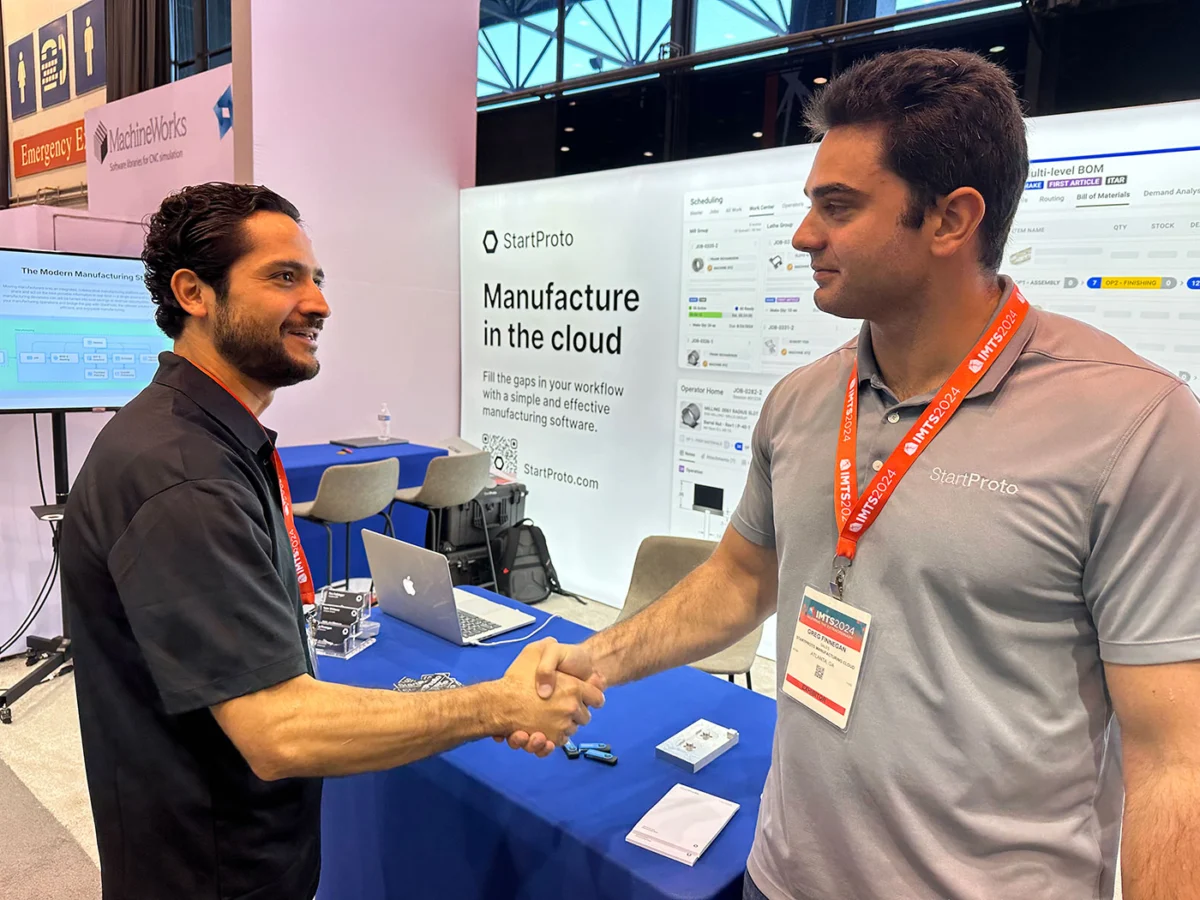
Staying ahead of the technical curve requires consistent exposure to the latest manufacturing trends. Trade shows remain the premier venue for this. The ability to speak directly with the engineers behind the machines, negotiate face-to-face, and see the latest workflow automations in action provides a competitive advantage that online research cannot replicate.
Looking Ahead: The Importance of Industry Events
As the industry prepares for the upcoming IMTS 2026 in Chicago and FABTECH 2026 in Las Vegas, the focus remains on connection and innovation. These events serve as the "central nervous system" of the fabrication world.

For instance, the introduction of the "FAB Pass" at FABTECH 2026—designed to provide a premium, all-inclusive attendee experience—signals a move toward more high-level, strategic networking. These venues are where the next generation of partnerships between fabricators, machine tool suppliers, and data center integrators are forged.
Conclusion: A Sustained Trajectory
The convergence of AI-driven computing and the global energy transition has created a "perfect storm" of demand for the metal fabrication industry. While the technical requirements are demanding and the pace of change is rapid, the opportunities for growth are significant.
By prioritizing deep collaboration with technology partners, investing in agile, automated workflows, and maintaining a constant presence at key industry forums, metal fabricators can do more than just survive this shift; they can command higher profits and establish themselves as the indispensable partners of the 21st-century infrastructure boom. The work being done today in shops across the country is not just building boxes; it is building the physical foundation upon which the future of artificial intelligence will stand.