As the industrial landscape continues to evolve toward greater automation, heightened precision, and more complex material requirements, one American manufacturer is doubling down on its domestic roots. Beckwood Press, a cornerstone of the U.S. hydraulic press manufacturing sector since 1976, is celebrating its 50th anniversary not merely by looking back at its storied history, but by aggressively positioning itself for the next half-century of innovation.
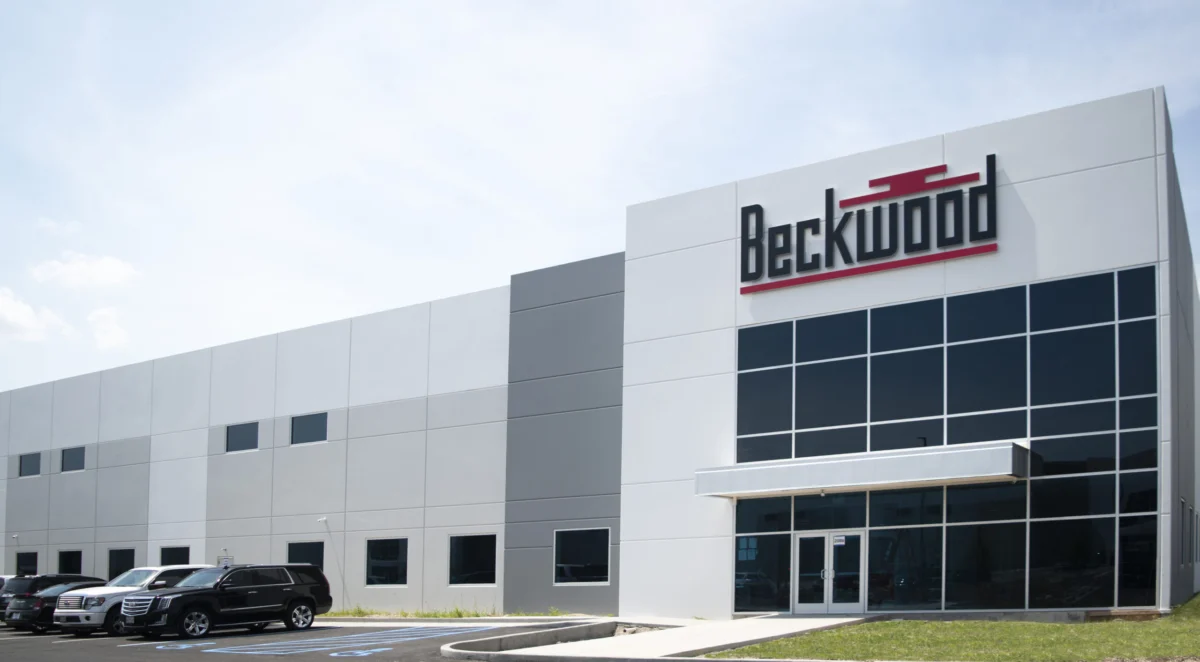
The centerpiece of this celebration is a major physical expansion of the company’s St. Louis headquarters. By increasing its total operational footprint from 56,000 square feet to 92,000 square feet, Beckwood is signaling a transformative commitment to its clients, its workforce, and the broader manufacturing ecosystem.
The Strategic Expansion: A 64% Leap in Capacity
The manufacturing sector often measures success in terms of throughput, scalability, and downtime reduction. With this latest expansion—a 64% increase in total facility square footage—Beckwood has effectively re-engineered its own production capabilities.
Beyond the raw square footage, the most critical metric for the industry is the 40% boost in dedicated manufacturing capacity. This surge in floor space is not simply about housing more equipment; it is a calculated response to the changing nature of modern hydraulic presses. Today’s machines are larger, more technologically integrated, and more complex than those manufactured decades ago. By expanding its high-bay manufacturing area, Beckwood is now uniquely equipped to handle the assembly and testing of the oversized, custom-engineered press systems that modern aerospace, automotive, and defense industries demand.
A Chronology of Excellence: 50 Years of American Engineering
To understand the weight of this expansion, one must look at the arc of Beckwood’s history. Since its founding in 1976, the company has navigated the peaks and valleys of the American industrial economy, maintaining a consistent focus on high-quality, made-in-the-USA equipment.

The Formative Years (1976–1990s)
In the mid-1970s, the American manufacturing climate was beginning a period of radical shift. While many competitors looked toward outsourcing, Beckwood established a reputation for robust design and reliable hydraulic engineering. Throughout the 80s and 90s, the company cemented its role as a key supplier for regional metal forming and assembly operations, slowly building a national client base that relied on the company’s ability to solve unique engineering hurdles.
The Era of Modernization (2000s–2010s)
As the industry moved toward Industry 4.0, Beckwood transitioned from a traditional machine builder to a technology-forward engineering firm. This era saw the introduction of sophisticated control systems, remote diagnostics, and custom-tailored automation packages that transformed the standard hydraulic press into a smart, data-driven manufacturing cell.
The Expansion Era (2020s–Present)
The current decade has been defined by supply chain volatility and a renewed focus on domestic manufacturing security. Beckwood’s decision to significantly expand its St. Louis production facility is the culmination of years of sustained growth. The company has moved from being a builder of machines to a provider of full-service manufacturing solutions, encompassing everything from initial design and simulation to long-term aftermarket support.
Data-Driven Growth: The Numbers Behind the Move
The expansion is driven by a series of market realities that Beckwood has observed over the past several years. When analyzing the decision to expand, the company identified four primary pillars of growth:
- Custom-Designed Machine Demand: Clients are increasingly moving away from "off-the-shelf" solutions. The demand for highly specialized machines with custom bed sizes, tonnage, and integrated material handling has required more room for staging and assembly.
- Pre-Designed Product Lines: While custom work remains the company’s hallmark, the success of their standardized product lines has created a need for dedicated "flow-through" manufacturing zones to ensure shorter lead times.
- Aftermarket Lifecycle Services: As many machines remain in service for decades, the demand for retrofits and rebuilds has soared. The expanded facility allows for a dedicated space for these specialized services, keeping them separate from new machine production.
- Strategic Inventory Management: One of the most immediate benefits of the expansion is the enhanced warehouse capability. By maintaining a larger inventory of critical spare parts, Beckwood can drastically reduce lead times for components, directly impacting the bottom line for clients who cannot afford extended downtime.
Official Perspective: Investing in the Future
The leadership at Beckwood has framed this expansion as a multi-generational investment. It is not just about the bricks and mortar; it is about the "people, technology, and capabilities" that the company identifies as its core assets.

In official statements, the company has highlighted that the expansion serves as a bridge to the future. By investing in a larger physical space, Beckwood is also signaling to its workforce—and potential talent in the St. Louis area—that the company is a stable, growing, and forward-thinking employer. For a company that has reached the half-century mark, this commitment to local employment is a core component of its brand identity.
Furthermore, the expansion of the spare parts warehouse is a direct response to customer feedback. In an era where supply chain bottlenecks have become a major concern for manufacturers globally, Beckwood’s proactive move to localize its inventory is a significant competitive advantage. It ensures that the "Beckwood promise" of longevity is backed by the physical infrastructure required to keep machines running for another 50 years.
Industry Implications: What This Means for Manufacturing
What does the expansion of a St. Louis-based press manufacturer mean for the broader economy? Several key implications stand out:
Strengthening the Domestic Supply Chain
By expanding its U.S.-based manufacturing capacity, Beckwood is helping to insulate its customers from the risks of overseas logistics. As manufacturers look to "reshore" their operations, having a domestic partner capable of building large-scale, heavy-duty equipment is essential.
The Shift Toward "Total Lifecycle Support"
The industry is moving toward a service-oriented model. Customers no longer just want to purchase a machine; they want a partner for the entire lifespan of that machine. Beckwood’s expansion of its rebuild and retrofit department indicates that the company is fully embracing this model, prioritizing long-term partnerships over one-off transactions.

Technological Integration
The increased floor space also provides the necessary environment to integrate newer, more complex testing and simulation technologies. As hydraulic presses become increasingly automated, the need for larger testing bays—where engineers can integrate robotics, sensors, and AI-driven control systems before shipping—is paramount. This facility is now built to accommodate the factory of the future.
Conclusion: A Legacy Reimagined
Fifty years of history in the manufacturing sector is a rare achievement. It requires an ability to adapt to new technologies, withstand economic downturns, and consistently meet the evolving needs of the customer. Beckwood’s decision to expand its footprint by 64% is more than a construction project; it is a declaration of intent.
As the company looks toward its next chapter, it does so with a facility that is physically larger, operationally more efficient, and better equipped to handle the demands of 21st-century manufacturing. From the precision-engineered parts that leave their shop floor to the support systems that ensure those parts continue to function for decades, Beckwood has proven that the spirit of American manufacturing is not only alive—it is growing.
The expanded St. Louis facility serves as the foundation for the next 50 years, ensuring that whether it is through new, custom-designed machines or critical aftermarket support, Beckwood remains at the forefront of the hydraulic press industry. For their clients, this means more capacity, faster service, and the continued reliability that has defined the brand since 1976. As the industry advances, Beckwood is not just keeping pace; they are building the space for the future to happen.