





When a serious injury or a fatality occurs in the workplace, the immediate playbook for safety professionals is ingrained and clinical. It is a sequence of high-stakes, time-sensitive actions: secure the scene, call 911, administer first aid, notify upper management, alert regulatory bodies, and initiate a formal incident investigation. These steps are critical to ensuring compliance and preventing further physical harm.
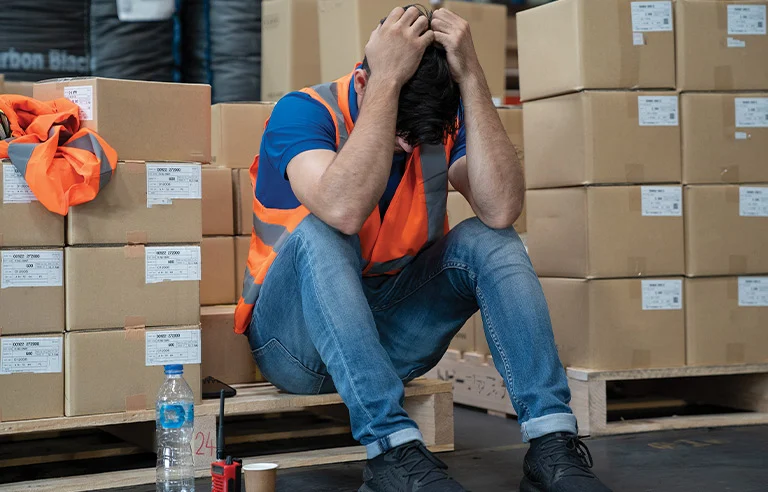
However, as the dust settles on the physical scene, a quieter, often more complex crisis begins to unfold. The emotional and psychological aftermath for co-workers—both in the immediate wake of the event and in the long-term—frequently remains overlooked. While the "hard" side of safety is well-documented, the "soft" side—the human response to trauma—is often where organizational systems fail.
The Reality of the Aftermath: Shock and Disbelief
The psychological impact of a workplace tragedy is rarely linear. According to Brian Bailey, director of safety at Tradepoint Atlantic in Edgemere, MD, the initial response from staff is often defined by a profound, paralyzing dissonance.
"There’s a lot of shock and disbelief," Bailey observes. "With some folks, they feel numb or they’re detached. A lot of times, people don’t want to display the grief or sadness that they’re actually feeling."
This suppression of emotion is common, particularly in high-risk industries like construction, manufacturing, and energy, where a culture of "toughness" is often prioritized. However, experts warn that this stoicism can mask deep-seated trauma that, if left unaddressed, can lead to long-term psychological degradation and secondary safety risks.
Navigating the Spectrum of Trauma
The National Alliance on Mental Illness (NAMI), through its StigmaFree Workplaces initiative, emphasizes that there is no singular "right way" to respond to trauma. Human reactions are highly idiosyncratic.
Emily Haas, associate director for science in the NIOSH Division of Safety Research, notes that the complexity of the response is compounded by the nature of the work environment. "Some people might want to talk right away or appear unaffected, and maybe some have a reaction days or weeks later," Haas explains.
For workers in high-risk sectors, there is an added layer of psychological strain. These individuals are conditioned to function under extreme pressure, which can serve as both a defense mechanism and a liability. "There’s an added complication because these workers are used to functioning under pressure," Haas says. "Some repeated exposure over time may not produce an obvious outcome or reaction right away because of those cumulative effects."
This delayed response can be dangerous. Workers who are distracted, exhausted, or preoccupied with intrusive thoughts—or those who are subconsciously reliving the trauma—suffer from a significant decline in situational awareness. In a safety-sensitive environment, this loss of focus is not just a mental health concern; it is a direct precursor to the next accident.
Identifying the Signs: A Collaborative Responsibility
The burden of identifying distress should not fall on a single department. Instead, it must be a collaborative effort between management, safety professionals, and human resources. Christy Caputo, senior safety manager at Parametrix, advocates for a "soft-touch" approach to observation.
"I may not be the person that can help them, but I could be the voice that very cautiously and very mindfully says, ‘I noticed you’re not really yourself these days,’" Caputo suggests.
This level of intervention requires a culture of psychological safety. It is not about forcing a conversation, but about creating an environment where a change in behavior—such as a sudden withdrawal or a change in work quality—is treated with the same urgency as a faulty piece of machinery.
Chronology of Crisis Management
To effectively support a team, safety leaders should follow a structured timeline of emotional support, mirroring the procedural timeline of an investigation:
- The First 24 Hours: Focus on stabilization. Ensure that leadership is physically present. Their presence signals that the organization values its people over the incident report. Immediate support should include logistical help, such as rides home for those in shock, and the provision of clear, transparent information to prevent rumors.
- The First Week: This is the period of processing. It is during this time that witnesses and close colleagues often begin to feel the weight of what they observed. Proactive outreach is essential. As Bailey notes, a worker might appear fine one day and be absent or visibly struggling two days later.
- The First Month: The focus should shift toward long-term support. The adrenaline has faded, and the reality of the loss or the incident has set in. This is the window for professional counseling, employee assistance programs (EAP), and sustained check-ins.
- Ongoing Recovery: Trauma is not a checklist. It is a continuous process. Leadership must maintain a "proactive stance," where the organization continues to check in months after the event.
The Role of Witnesses and Peer Support
One of the most effective, yet underutilized, tools for recovery is the peer-to-peer network. Employees share a "language" and an understanding of their specific work environment that management cannot replicate.
Victor Sordillo, executive vice president of risk advisory services at Verist, suggests that while documentation is necessary for investigations, it can also serve a therapeutic purpose. "Having witnesses write down what they saw can be helpful," Sordillo says. "I would ask them if they’re in the right condition to do that. It helps the employee who witnessed it get it off their chest. If you write something down, you don’t have to keep rethinking about it."
However, Sordillo emphasizes the caveat: the worker must be in the right condition. If the witness is in a state of acute shock, the request to document the incident can be seen as cold or administrative. Compassion must always precede compliance.
Support from the Top: A Non-Negotiable
When a tragedy occurs, the absence of senior leadership is interpreted by the workforce as indifference. According to Bailey, when a fatality occurred at his company, the leadership team immediately dropped their schedules to meet one-on-one with the victim’s workgroup.
"If your senior leadership doesn’t immediately drop everything if they’re onsite and come there, that’s a problem," Bailey asserts.
This level of engagement goes beyond words. It involves tangible support: offering time off, facilitating professional counseling, and, in some cases, bringing in specialized trauma teams from local law enforcement or crisis response organizations. These external partners can bridge the gap between internal management and the specialized care required for traumatic recovery.
The "Safety Professional" Paradox
There is a final, often ignored group in this equation: the safety professionals themselves. Often tasked with being the "rock" of the organization, they are expected to manage the scene, talk to regulators, and support the victims, all while suppressing their own emotional responses.
Christy Caputo argues that this is a dangerous expectation. "Yes, this is our job. We’re getting paid to do this," she says. "But at what cost to our mental health, our physical health, and our emotional health?"
Safety pros are not immune to the impacts of the very tragedies they investigate. They are susceptible to secondary trauma, burnout, and compassion fatigue. Bailey echoes this sentiment, noting that "training doesn’t necessarily make you immune to grief, stress, or intrusive memories."
He advocates for a system where safety professionals are monitored by their peers as closely as the general workforce. "Someone needs to check in on the safety people, too," Bailey says. "We may look composed or robotic in the moment because that’s what the job requires. It doesn’t mean that you’re unaffected by what has happened."
Conclusion: Toward a Holistic Safety Culture
The shift toward a more comprehensive approach to workplace trauma is not just a moral imperative; it is a structural necessity. Organizations that ignore the emotional aftermath of a major incident are setting themselves up for a cycle of decreased performance, lower morale, and potential repeat accidents.
As NIOSH’s Emily Haas notes, the goal is to "foster an environment where anyone on the jobsite feels comfortable speaking up if they’re struggling with something that happened." By integrating mental health awareness into the foundational safety protocols, organizations can ensure that they are not just protecting their workers from physical harm, but supporting them through the most difficult moments of their professional lives.
True safety is, ultimately, the acknowledgment that every worker is a human being—and that their recovery from trauma is as important as the investigation of the event itself.