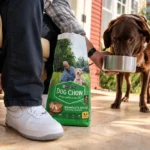




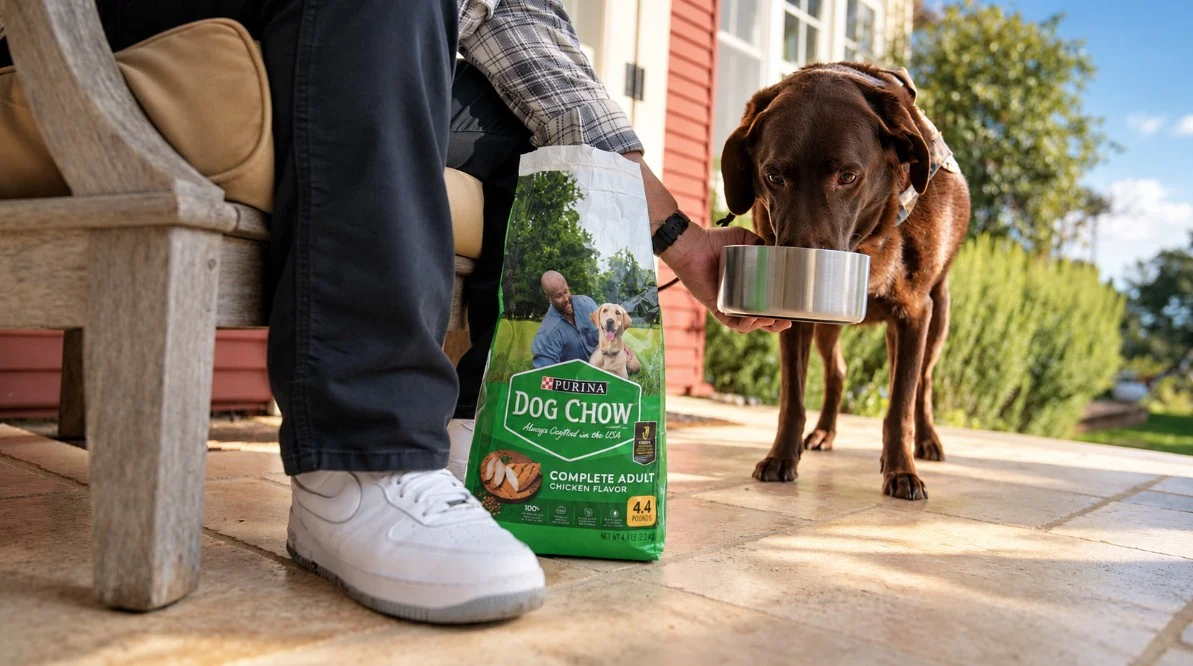
In a milestone convergence of American cultural tradition and corporate longevity, Purina Dog Chow is set to take center stage at the 100th anniversary of the Macy’s Thanksgiving Day Parade. As both the brand and the iconic parade celebrate their centennial, Purina is leveraging the massive captive audience of the holiday season to pivot away from traditional advertising and toward a narrative-driven campaign centered on the transformative power of service dogs.
The Convergence of Two Centennials
The Macy’s Thanksgiving Day Parade is more than just a television spectacle; it is a cultural institution that captures the attention of 35 million domestic viewers and 3.5 million live spectators in New York City. By securing a prime spot in the 2026 procession, Purina Dog Chow is not merely placing a logo in front of an audience; it is anchoring its identity to the legacy of American heritage.
This appearance marks the beginning of a three-year commitment for the brand, signifying a return to the parade route after a four-decade hiatus. The last time Dog Chow graced the streets of Manhattan was between 1983 and 1985 with the "Great American Dog" float. For current leadership, this return is an opportunity to reclaim that space with a modernized, mission-driven focus.
A Chronology of Commitment
The journey to this year’s centennial celebration did not happen in a vacuum. Purina’s current marketing strategy is the result of years of intentional brand positioning.
- 1926: The inaugural year for both the Macy’s Thanksgiving Day Parade and the emergence of the brand identity that would eventually become Purina Dog Chow.
- 1983–1985: The original three-year run of the "Great American Dog" float, establishing a historical precedent for the brand’s participation in the holiday tradition.
- 2018: The launch of the "Service Dog Salute" initiative. This program marked a pivotal shift in the company’s corporate social responsibility (CSR) strategy, focusing specifically on providing financial support for training service dogs for veterans suffering from post-traumatic stress disorder (PTSD).
- 2021–2025: A period of intensive brand-building leading up to the centennial, characterized by the scaling of the Service Dog Salute program and the development of the partnership with Macy’s.
- 2026: The official centennial celebration, featuring the debut of a new, three-year float cycle and a nationwide digital campaign.
The Human Element: Honoring Veterans
At the heart of the 2026 float is Navy veteran Andy Canning, who will be joined by his family and his newly trained service dog. By featuring a veteran and his companion, Purina is moving beyond the "product-first" marketing model, opting instead to highlight the emotional and life-changing impact of their partnership with organizations that facilitate service dog training.
Since its inception, the Service Dog Salute program has directed more than $2 million to six specialized service dog organizations. These funds have been instrumental in bridging the gap between the high cost of training a service dog—which can exceed $30,000—and the veterans who require them to navigate the challenges of daily life post-service.
Data-Driven Engagement: The #DogChowThanksgiving Campaign
Recognizing that modern consumers are increasingly "ad-blind," Purina is utilizing a social media-driven activation to deepen brand affinity. Through the #DogChowThanksgiving campaign, the company is inviting pet owners to share stories of the role dogs play in their families.
For every post utilizing the hashtag between now and the November 26 parade, Purina has pledged to donate $1 to the Service Dog Salute initiative, with a cap of $30,000. This figure is strategically chosen to represent the cost of training a single service dog, turning a marketing metric into a tangible social outcome.
This digital strategy serves two purposes: it creates a "captive audience" loop where viewers of the parade are encouraged to interact with the brand online, and it generates authentic, user-generated content that fosters community trust—a currency more valuable than traditional 30-second television spots.
Official Perspectives: CMO Brent Gleckler on the Future of Marketing
Brent Gleckler, Chief Marketing Officer at Nestlé Purina North America, characterizes the parade not just as an advertising vehicle, but as a "moment in time." Having spent 21 years with the company, Gleckler is uniquely positioned to bridge the gap between Purina’s historical legacy and the digital-first future of marketing.
"It’s an event that captures a lot of eyeballs," Gleckler stated during the announcement. "It’s a moment in time where consumers are going to be engaged and open to the messaging, which in this skippable, programmed world is becoming more and more valuable."
Gleckler acknowledges that the marketing landscape is in a state of flux, driven by the rapid evolution of artificial intelligence and the rising dominance of independent content creators. He emphasizes that Purina is shifting its internal culture to be more "comfortable" with this shift. "Opening up our brands for consumers to engage with content creators and also handing over the pen of authorship is something that we’re getting increasingly comfortable with," he noted.
Strategic Implications for Retail
The investment in the Macy’s Thanksgiving Day Parade is not solely about brand visibility; it is a calculated "longer-term play" to strengthen relationships with major retail partners.
In the competitive world of consumer packaged goods (CPG), brand awareness directly translates into shelf space and preferential merchandising slots. Retailers, according to Gleckler, "applaud" the brand’s decision to tie its centennial celebration to a socially responsible initiative like Service Dog Salute. By positioning itself as a brand that is "showing up in culture in the right ways," Purina ensures that it remains top-of-mind for retailers during high-traffic holiday periods.
This symbiotic relationship—where the brand provides the cultural "event" and the retailers provide the merchandising support—is a masterclass in modern trade marketing. It ensures that the brand is not only seen on screen but is also physically accessible and prioritized in the aisles where consumers make their final purchasing decisions.
The Broader Portfolio Strategy
Purina’s marketing impact on Thanksgiving Day is designed to be comprehensive. Beyond the float, the company maintains its long-standing sponsorship of the National Dog Show, which airs immediately following the parade. By capturing the audience at the start of the day with the parade and retaining them through the dog show, Purina effectively "owns" the conversation around pet care for the duration of the American holiday.
This strategy effectively combats the fragmentation of media. While other brands struggle to find audiences in a world of ad-skipping and on-demand content, Purina has successfully aligned itself with "live" television events that still command high engagement rates.
Conclusion: A Legacy Built on Purpose
As Purina Dog Chow looks toward the next century, its strategy appears clear: the brand is moving away from the traditional, transactional relationship with the consumer and toward a values-based model. By investing in the human-animal bond—particularly through its work with veterans—the brand is building an emotional moat that is difficult for competitors to cross.
The 2026 Macy’s Thanksgiving Day Parade will serve as the launchpad for this new era. As the float moves through the streets of New York, it will carry not just a century of history, but a vision for how global brands can use their scale to address social needs, influence retail dynamics, and remain relevant in an increasingly digital, and often cynical, consumer landscape. For Purina, the next 100 years will not be defined by the products they sell, but by the stories they help create.