Main Facts
The role of the modern Chief Procurement Officer (PO) has evolved into one of the most demanding, high-stakes positions in the corporate ecosystem. Navigating geopolitical volatility, persistent supply chain disruptions, inflationary pressures, and the rapid integration of digital transformation technologies, today’s CPOs operate in a state of perpetual high intensity.
Amid these escalating pressures, industry experts and leadership communities are emphasizing a critical paradigm shift: the absolute necessity of executive recharging. Far from being a luxury, finding avenues to decompress, connect with peers, and celebrate collective achievements is now viewed as a core competency for sustainable executive leadership.
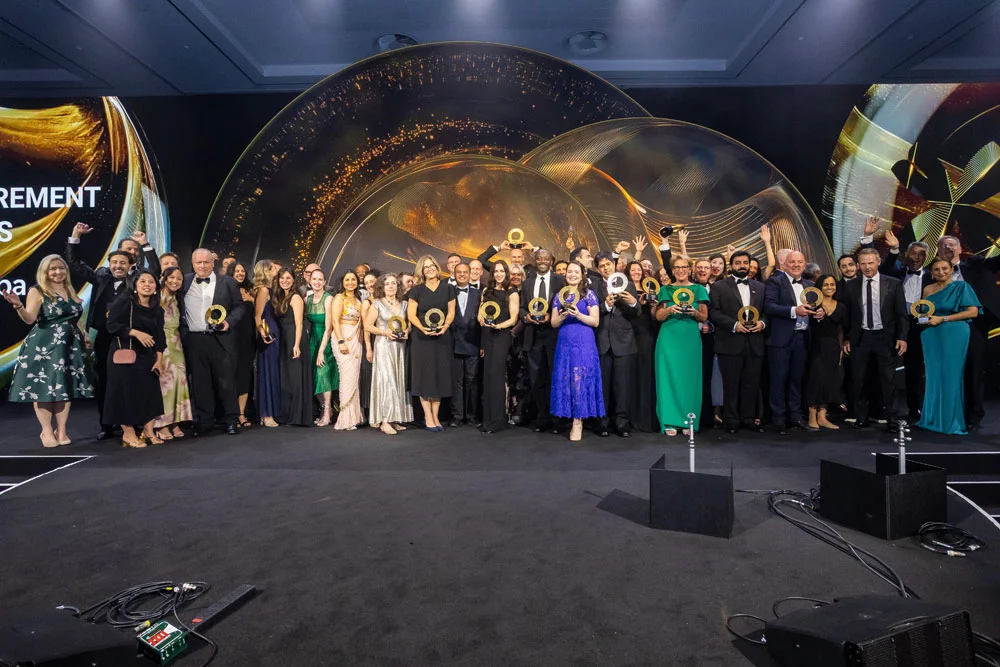
This operational reality was brought into sharp focus with the official opening of entries for the prestigious World Procurement Awards. Celebrating over two decades of recognizing excellence in the sector, the awards not only highlight the pinnacle of procurement achievement but also serve a dual purpose for the industry’s elite. Remarkably, top-tier CPOs willingly commit dozens of hours from their already overburdened schedules to serve on the judging panel. Rather than viewing this commitment as an administrative burden, these leaders report that the judging process acts as a net energy giver—providing a vital outlet for peer connection, exposure to cutting-edge industry innovations, and a renewed sense of purpose.
Chronology: The Evolution of CPO Stress and Industry Response
To understand why leadership burnout has become a central conversation in procurement circles, it is helpful to trace the evolution of the role over the last two decades.
- The Early 2000s (Transactional Era): Procurement was largely viewed as a back-office, administrative function focused primarily on cost-cutting and supplier compliance. While stressful due to strict budget constraints, the operational intensity was bounded and localized.
- The Launch of the World Procurement Awards (2000s–2010s): Recognizing that procurement teams deserved greater visibility for their strategic contributions, organizations like Procurement Leaders established platforms to celebrate success, validating the function’s transition into a boardroom-level discipline.
- The Disruption Decade (2020–2023): The COVID-19 pandemic, followed by global trade wars, semiconductor shortages, and soaring inflation, thrust CPOs onto the front lines of corporate survival. The role shifted permanently from tactical buying to enterprise-wide risk management and strategic resilience.
- The Modern Era (2024–Present): With burnout rates climbing across executive suites, the industry has begun actively engineering spaces for peer connection, mentorship, and informal community-building. The opening of the World Procurement Awards judging cycle represents a continuation of this cultural shift, turning administrative duty into an opportunity for professional rejuvenation.
Supporting Data: The Anatomy of Executive Burnout and Engagement
While CPOs are traditionally trained to manage metrics, supply metrics, and financial performance, internal data from executive leadership networks highlights a growing crisis regarding human capital at the top of the corporate hierarchy.
- The Time Deficit: The average CPO works between 55 and 70 hours per week, with more than 60% of that time consumed by crisis management, stakeholder alignment, and strategic planning.
- The Power of Informal Networks: Studies on executive stress show that unstructured peer-to-peer engagement—often facilitated by neutral environments, shared meals, or recreational distractions like golf—reduces perceived stress levels by up to 45% compared to formal networking events.
- The Judging Commitment: Participating as a judge in global industry awards demands a significant time investment—often translating to 20 to 40 hours of reading case studies, evaluating submissions, and participating in deliberation panels.
- The Net Energy Yield: Despite the heavy time commitment, post-evaluation surveys of CPO judges consistently reveal that over 85% view the experience as "revitalizing" rather than depleting, largely due to the exposure to innovative case studies and cross-industry best practices.
Official Responses and Perspectives from the Front Lines
The dialogue surrounding executive wellbeing and industry engagement has drawn commentary from leading voices within the global procurement community.
Industry veterans note that the traditional executive mindset—which often equates constant busyness with productivity—is being actively dismantled.
"Given the intensity of the chief procurement officer role, it’s important that readers make conscious efforts to recharge their batteries," industry analysts point out. "One method that works is to connect with others who face similar challenges, preferably in a neutral environment and, if possible, with a social lubricant thrown in for good measure."
This philosophy underpins the modern community model. By removing formal agendas and rigid corporate hierarchies, peer groups allow conversations to flow organically.
"Whatever your poison, the secret is to remove intensity and formal agendas, and let the conversation go where it goes," observers note. "Nine times out of 10, the discussion will travel to incredibly valuable places."
This organic exchange is precisely why structured communities and award programs maintain such high engagement. When invited to step outside their daily operational silos to judge the World Procurement Awards, CPOs routinely respond with overwhelming enthusiasm, describing the role using terms like "privileged," "honoured," and "excited."
Far from being a chore, participation serves as a potent antidote to isolation. As one participating executive noted, the process offers a rare chance to step back from internal corporate politics and engage with the broader ecosystem.
Implications for the Future of Procurement Leadership
The convergence of high-stress executive roles, the necessity of peer communities, and the psychological benefits of industry recognition carry profound implications for the future of the procurement profession.
1. Redefining Executive Productivity
The old paradigm of leadership—where leaders isolate themselves at the top and power through exhaustion—is proving unsustainable. Modern CPOs must learn to view downtime, peer networking, and mentorship not as distractions from their core duties, but as essential inputs that sustain their decision-making capabilities.
2. The Rise of the "Net Energy Giver" Framework
Organizations and professional networks are realizing that retention and peak performance among senior leaders depend on creating net energy givers. Activities that combine intellectual stimulation (such as reviewing award submissions) with human connection (such as debating industry innovations with fellow judges) combat burnout much more effectively than passive relaxation.
3. Elevating the Profession Through Recognition
Programs like the World Procurement Awards do more than hand out trophies; they validate the immense strategic value of the function to the wider business world. When CPOs dedicate their time to evaluating their peers’ achievements, they contribute to a virtuous cycle: celebrating success inspires the next generation of supply chain leaders, elevates organizational standards, and reinforces the prestige of the procurement function globally.
Conclusion
As the business landscape grows increasingly complex, the role of the Chief Procurement Officer will only intensify. Navigating this reality requires intentional strategies for self-care, robust peer communities, and active participation in initiatives that celebrate industry excellence. By stepping away from the daily grind to connect, evaluate, and inspire, CPOs are discovering that the best way to sustain their energy is to pour it back into the community that built them.
To receive weekly insights, executive strategies, and community updates from the global procurement network, sign up to the CPO Crunch newsletter.