





For years, the cannabis industry’s marketing playbook was limited by the restrictive nature of its product. With advertising bans on major social media platforms and strict local regulations governing the "point of sale," most brands were relegated to simple in-store visual merchandising and basic educational brochures. However, a seismic shift is underway. As the industry matures, brands are realizing that today’s cannabis consumer is not just looking for a transaction—they are looking for a community.
Justin Miller, Senior Vice President of Brand Marketing at Curaleaf, captures the current sentiment perfectly: "Most cannabis events are centered around trying products, but consumers want more from brands. They want to connect with other enthusiasts, and experiential marketing is giving them a place to build that community."
As legal landscapes continue to shift, leading brands are bypassing the traditional dispensary-only model, opting instead for high-end, large-scale experiential strategies that foster connection, education, and brand loyalty.
The Evolution of Cannabis Marketing: From Basement to Boardroom
The demand for community-based engagement is statistically significant. According to a 2024 brand survey conducted by I Love Growing Marijuana (ILGM), nearly 48% of home growers identify community as an essential component of their hobby, citing both a need for shared learning and a profound desire for a sense of belonging.
This data suggests that the "basement-dwelling" stigma associated with cannabis cultivation and consumption is rapidly dissolving. Consumers are stepping "out of the basement and into the light," expecting the same level of brand sophistication and community engagement they would find in the craft beer, luxury spirits, or fitness sectors.
However, executing these events is a high-wire act. With regulations varying wildly between states, counties, and even municipalities, brands must navigate a complex patchwork of compliance. The result? A wave of creative, compliant, and highly immersive activations that are setting new benchmarks for the industry.
Three Tactical Pillars of Modern Cannabis Experientialism
To better understand how brands are succeeding in this challenging climate, we have identified three core strategies currently reshaping the cannabis marketing landscape.
1. Turning Product Testing into Viral Content
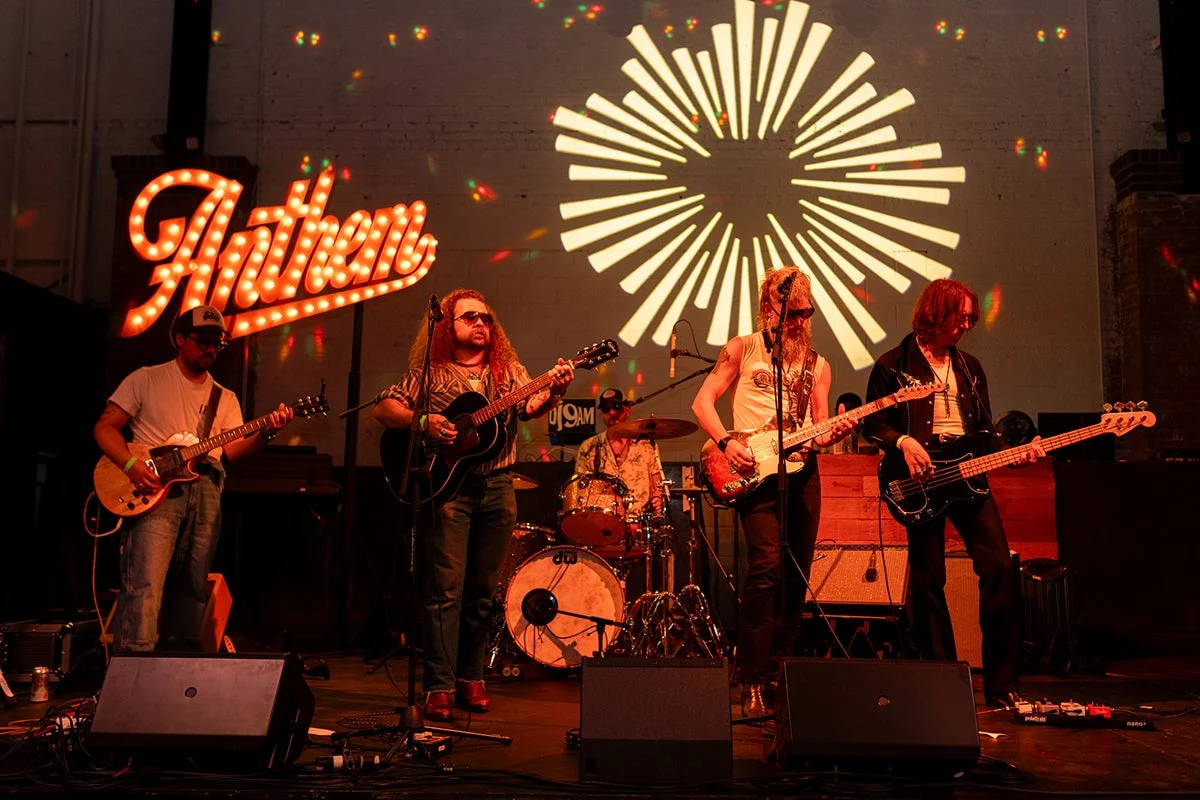
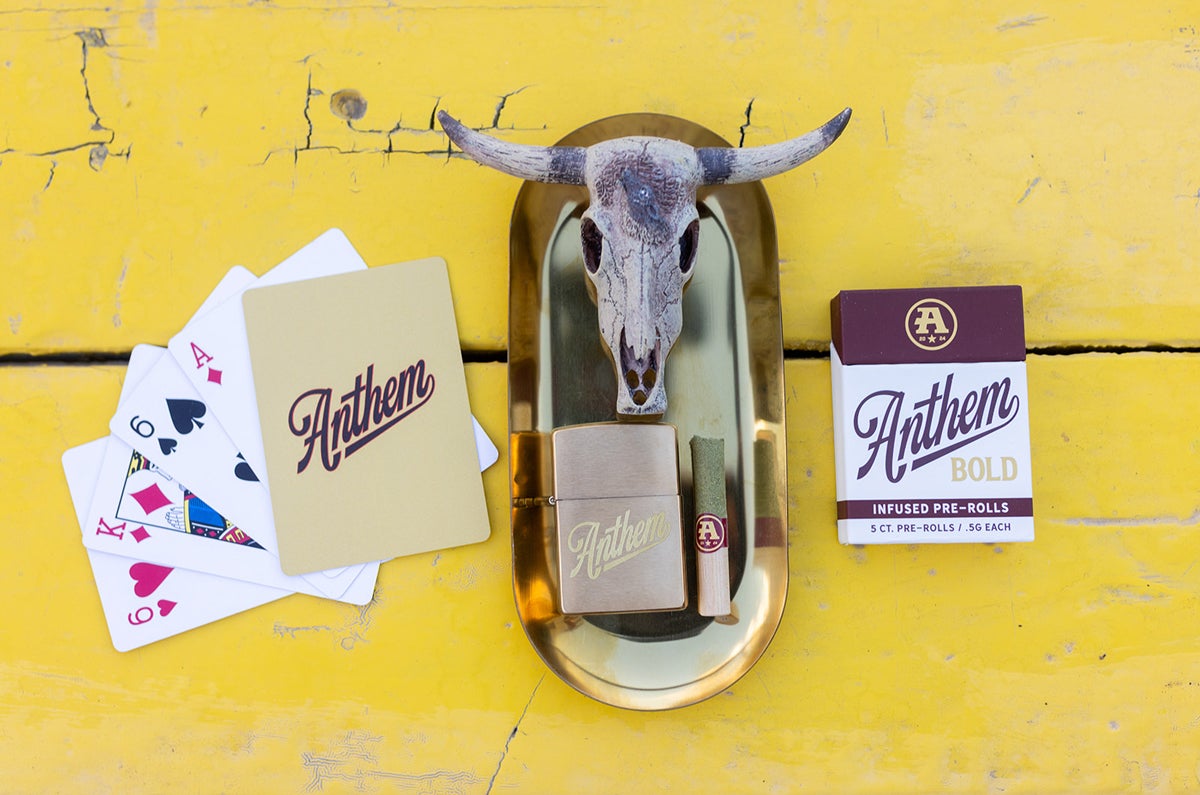
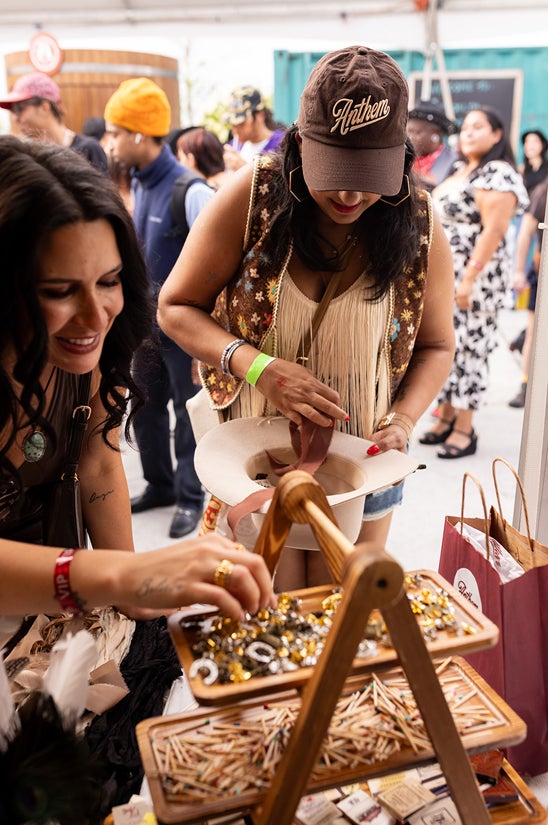
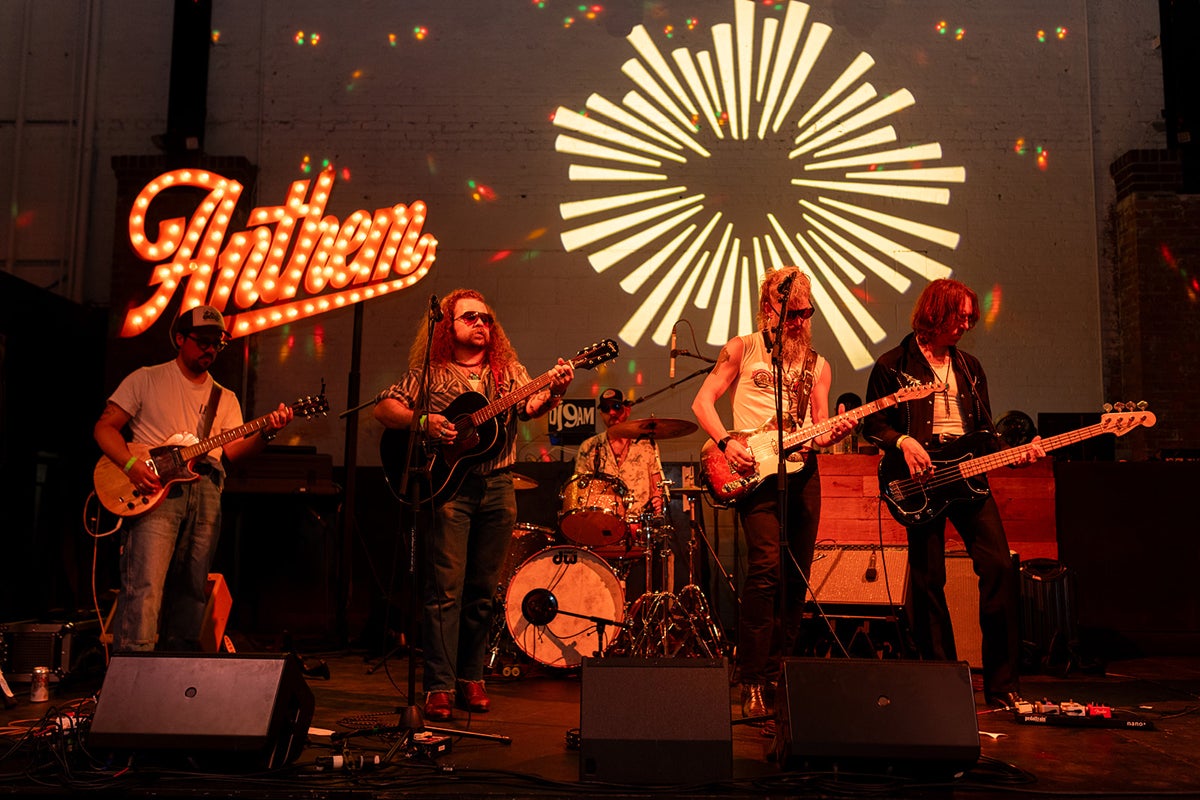
The most effective way to demystify a product is to let the consumer judge it for themselves. Anthem, a burgeoning player in the space, took a page out of the classic "Pepsi Challenge" playbook with its Western-themed Sunset Showdown event series. Hosted this summer in Chicago, Phoenix, and New York City, the event invited attendees to participate in a blind taste test of Anthem’s pre-rolls against leading competitors.
The results were telling: 70% of participants preferred the Anthem product. More importantly, the company captured the authentic reactions of attendees on camera—filming their first impressions, sensory experiences, and candid feedback.

"We wanted to ensure that whatever we created, we were able to extend the impact beyond the event, really amplify it and use that information," Miller explains. "Moving forward, we intend to use the content derived from those experiences and the testimonials from the consumers to bring to life both the emotional element of the event and the functionality of the product."
By integrating live country music, mechanical bulls, and bespoke branded cocktails into the event, Anthem created a high-energy atmosphere that resulted in over 2,000 attendees and an impressive 6 million earned social media impressions. It proves that when you treat the event as a production rather than just a giveaway, the ROI extends far beyond the venue walls.
2. Building Philanthropy into Activity-Based Programming
When Colorado’s Marijuana Enforcement Division began tightening restrictions on cannabis consumption events, the brand Spherex faced a pivotal moment. Rather than retreating, they pivoted. The brand recognized that their core community was not defined solely by consumption, but by shared interests and a spirit of giving back.
The result was the Skate with Spherex series. By focusing on the activity—roller skating—rather than the product itself, Spherex successfully hosted events that were inclusive, community-driven, and compliant with local regulations. The event has seen massive growth, expanding from 150 attendees in its infancy to over 700 at its peak.
Crucially, Spherex uses these gatherings to drive social impact. By partnering with local nonprofits, the events serve as collection points for essential goods. From clothing drives to menstrual hygiene product initiatives for organizations like Denver’s The Gathering Place, the brand has successfully tied its identity to social responsibility. This creates a lasting emotional bond with the consumer, who now associates the brand with altruism and fun rather than just the product on the shelf.
3. Hyper-Localization and Cultural Integration
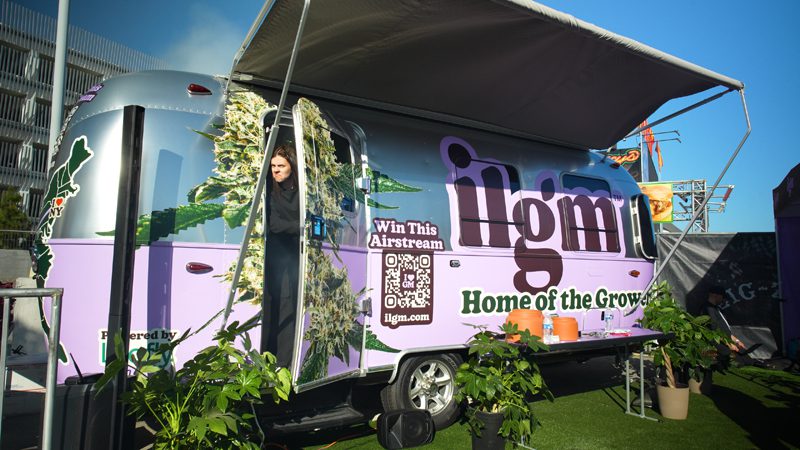
One of the most ambitious undertakings in the space was the 2025 U.S. Home Grow Tour by ILGM and Leafly. This six-city mobile tour, anchored by a custom Airstream trailer, was designed to educate beginner- and intermediate-level growers.

What set this tour apart was its commitment to hyper-localization. The brands didn’t just replicate the same event in every city; they tailored the programming to reflect local culture:
- Chicago: A culinary-focused city required a cannabis cooking demonstration led by a local chef.
- Palm Springs: Given the region’s focus on wellness, the tour featured influencer-led yoga sessions.
- Boulder: To lean into the outdoor culture, the brand organized consumption-friendly hikes in the Rockies.
By bringing in local creators and industry influencers like Koala Puffs and Deisha Dabs, ILGM was able to tap into existing, loyal fanbases. The numbers speak for themselves: the tour generated 29 million impressions and helped the brand grow its Instagram following by over 2,000 users in a short window.
Official Perspectives: The Value of "Real-World" Engagement
The shift toward experiential marketing is not just a trend—it is a survival mechanism in an increasingly crowded market. Industry leaders argue that the lack of traditional advertising channels has forced brands to become more creative and, ultimately, more effective at building long-term loyalty.

"I don’t think cannabis consumers are used to being marketed to very well at all," says Miller. "It’s a function of the fact that it’s a young industry. A lot of the marketing that takes place is visual merchandising at the point of purchase. That’s why bringing a high-end, large-scale experiential strategy is so unique and powerful in the space."
By bypassing the "in-store education" trap, these brands are engaging consumers where they live, work, and play. They are transforming cannabis from a commodity into a lifestyle-aligned brand experience.
Implications for the Future of the Industry
As we look toward 2026 and beyond, the implications of these trends are clear:
- Compliance-Driven Creativity: Regulatory bodies will continue to evolve, but the brands that succeed will be those that view regulation as a framework for creativity rather than a roadblock. The success of Spherex proves that consumption is not a prerequisite for successful brand activation.
- The Rise of Content-First Marketing: The "event" is no longer the end goal; it is the production set. Brands will increasingly prioritize the creation of high-quality, shareable content that can be repurposed across digital platforms to maintain the momentum of the event long after it ends.
- Community as a Value Proposition: Brands that can facilitate real-world connections—whether through hobbyist groups (home growers), shared social values (philanthropy), or local culture (city-specific events)—will command higher loyalty and lower customer acquisition costs.
- Influence and Authenticity: The use of local creators rather than generic, top-tier celebrities is proving to be a more effective strategy for building trust in the cannabis space. Authentic local representation allows brands to embed themselves into the fabric of the communities they serve.
In conclusion, the cannabis industry is undergoing a professionalization phase that favors brands capable of human-to-human connection. The era of the "faceless" dispensary brand is fading, replaced by a new generation of companies that understand that cannabis, like any other major consumer category, thrives on the strength of its community and the quality of the experiences it provides. As brands continue to push the boundaries of what is possible, the consumer stands to benefit from a more open, educational, and socially responsible industry landscape.