




By Damian Brett
Published in Air Cargo News
Executive Summary: The Main Facts
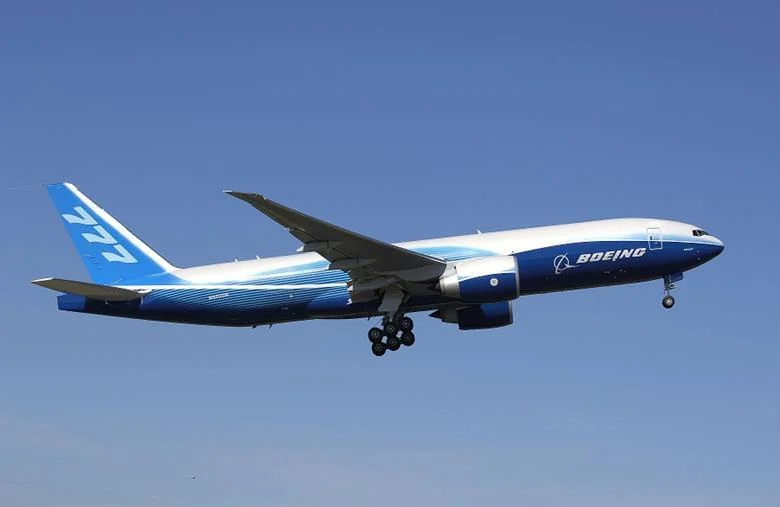
Boeing has been forced to temporarily halt production on its cornerstone 777 and 767 freighter aircraft programs following a protracted dispute with a critical parts supplier. According to industry reports, the manufacturing standstill stems from a disagreement concerning the fixed trailing-edge rib kit—a vital structural assembly utilized in both widebody airframes.
Although the commercial dispute was reportedly resolved at the end of September, manufacturing lines have yet to roar back to life. Insiders suggest that the operational friction is costing the American aerospace giant an estimated $6.5 million per day in delayed milestones, overhead, and supply chain bottlenecks. At least two major 777 aircraft assembly projects have experienced direct disruptions, including a high-profile unit slated for delivery to logistics titan FedEx.
In response to the vulnerability exposed by the external supplier conflict, Boeing is reportedly executing a strategic shift to bring the production of the fixed trailing-edge rib kit entirely in-house. By internalizing this manufacturing process, the company aims to insulate its most critical cargo programs from future single-source dependencies.
The production pause arrives at a precarious moment for the global air cargo sector. With worldwide widebody capacity experiencing acute shortages, surging e-commerce demand, and persistent bottlenecks in new freighter manufacturing, airlines and logistics operators are closely monitoring Boeing’s recovery timeline.
Chronology of the Crisis: How the Dispute Unfolded
To understand the current state of Boeing’s widebody freighter assembly lines, it is necessary to retrace the timeline of events that brought active manufacturing to a standstill.
Early Summer to September: The Supplier Standoff
For months, tensions quietly brewed between Boeing and the external vendor responsible for supplying the fixed trailing-edge rib kits for the 777 and 767 aircraft. While day-to-day operations initially absorbed minor frictions, the commercial disagreement eventually escalated into a full-scale operational roadblock. Because the trailing-edge rib kit is an indispensable structural component required during early-stage wing assembly, its absence paralyzed subsequent manufacturing steps.
Late September: A Commercial Resolution Without Immediate Resumption
At the close of September, reports surfaced that Boeing and the supplier had finally reached an agreement, settling the terms of their dispute. Industry watchers and airline customers anticipated an immediate resumption of assembly line activities. However, weeks later, Reuters contacts confirmed that actual manufacturing had failed to restart. Ramping up complex aerospace assembly lines requires meticulous safety checks, re-engaging specialized labor, and realigning supply chain logistics—complicating a simple "plug-and-play" return to work.

December to May: Regulatory Maneuvering for the 777F
Parallel to its supply chain trials, Boeing has actively navigated regulatory hurdles to secure the long-term viability of its flagship freighter. In December, the manufacturer formally requested a critical emissions exemption from the Federal Aviation Administration (FAA). Boeing requested that the ruling be finalized by May 1 to safeguard the production horizon of the 777 Freighter past the impending regulatory deadlines set for late 2027.
Backlog and Supporting Data: Order Books Under Scrutiny
Boeing’s current order book illustrates the immense market demand for its freighter models, but also highlights the high stakes riding on how quickly the company can clear its assembly backlog.
The 777 Freighter Order Pipeline
As the most widely operated widebody freighter in the world, the 777F commands a dominant position in the global air logistics ecosystem. According to Boeing’s latest orders and deliveries reports, the company maintains 38 outstanding orders for the 777 freighter variant.
A breakdown of major airline and cargo carrier commitments reveals the global reach of the order book:
- FedEx: 7 aircraft (including models directly affected by current assembly delays)
- Emirates: 3 aircraft
- Saudia: 4 aircraft
- China Airlines: 2 aircraft
- China Southern Cargo: 2 aircraft
- Ethiopian Airlines: 2 aircraft
- Silk Way West: 2 aircraft
- Volga-Dnepr UK: 6 aircraft
- Unidentified / Confidential Customers: 10 aircraft
The 767-300F Twilight Orders
While the 767 freighter program has reached the end of its active commercial order lifecycle—meaning no new orders are currently being accepted—Boeing is still working through its final remaining backlog. There are currently 9 unfilled orders for the 767-300F, split between:
- UPS: 1 aircraft
- Unidentified Customers: 8 aircraft
Despite the winding down of the 767 cargo line, the shared component reliance with the 777 program meant that the supplier dispute on the trailing-edge rib kits managed to bottleneck both aircraft families simultaneously.
Regulatory Lifelines: FAA Emissions Exemption Secures the 777F Horizon
While production floors contend with supply chain halts, regulatory news from Washington has provided a vital strategic win for Boeing’s cargo division.
The Federal Aviation Administration (FAA) officially granted Boeing an emissions exemption tailored specifically for the 777 freighter. This regulatory clearance is pivotal: it permits Boeing to continue manufacturing and selling the 777F beyond the stringent end-of-2027 emissions standards cutoff date.

The FAA’s decision means that Boeing can legally produce and deliver 35 additional 777 freighters that will remain fully eligible for a standard Certificate of Airworthiness past the 2027 threshold. Without this exemption, Boeing would have been forced to prematurely sunset its most lucrative and widely utilized cargo aircraft, leaving a massive void in the heavy-lift air cargo market.
Implications for the Global Air Cargo Market
The convergence of a multi-week manufacturing freeze, a daily financial burn rate estimated at $6.5 million, and structural shifts in parts sourcing carries severe implications for the broader logistics and supply chain sector.
1. Intensified Widebody Capacity Crunches
Global air cargo operators are already grappling with tight widebody capacity. With booming e-commerce corridors out of Asia, resilient transatlantic volumes, and shifting maritime supply chains pushing shippers toward air freight, demand for new, highly efficient freighters is at an all-time high. Any delay in delivering aircraft like the 777F to carriers such as FedEx and Emirates forces operators to sweat older, less fuel-efficient assets for longer periods, driving up operational costs.
2. The Risk of Schedule Slips for Major Carriers
The disruption of at least two specific 777 aircraft—one notably bound for FedEx’s expanding hub network—threatens to ripple through airline fleet deployment strategies. If Boeing cannot rapidly clear its assembly backlog following the resolution of the supplier dispute, delivery timetables for late 2026 and 2027 will inevitably face cascading delays.
3. A Structural Shift Toward In-House Manufacturing
By moving the production of the fixed trailing-edge rib kit in-house, Boeing is signaling a broader industry trend: a strategic retreat from hyper-outsourced supply chains. While single-source external suppliers have historically offered cost-efficiency, the vulnerability of having a single point of failure halt multi-million-dollar production lines has prompted aerospace manufacturers to re-evaluate risk management. Bringing critical component manufacturing back under direct corporate control is designed to prevent similar disruptions, though standing up internal production lines will require capital investment and careful execution.
Conclusion
As Boeing addresses inquiries from industry publications like Air Cargo News regarding exact manufacturing restart dates, the aerospace community remains watchful. The resolution of the supplier dispute is a necessary first step, but restoring full momentum to the 777 and 767 freighter programs will be the true test of Boeing’s supply chain resilience. Backed by a strong order book, regulatory breathing room from the FAA, and a strategic pivot toward in-house component production, Boeing holds the tools to overcome this hurdle—provided it can turn its operational plans into rolling aircraft on the tarmac.