WASHINGTON — With more than four decades of experience navigating the intricate landscapes of global energy markets, policy, and national security—including serving as the administrator of the U.S. Energy Information Administration (EIA)—one fundamental lesson has consistently risen to the surface: when electricity prices surge and household budgets are squeezed, policymakers must anchor their decisions in empirical data, not political slogans.
For decades, the standard of energy policymaking has relied on rigorous analysis, transparent metrics, and accountable oversight. Yet, as the American energy sector confronts an unprecedented era of transformation driven by ballooning electricity demand, the public discourse has increasingly veered into populist rhetoric. At the heart of this friction is a fierce debate over what—or who—is truly driving up household utility bills.
Main Facts: Dissecting the Debate Over Rising Electric Bills
The national conversation surrounding electricity affordability has reached a boiling point. American households are feeling the pinch of higher utility bills, prompting a search for scapegoats. Recently, high-profile commentators and public figures have pointed fingers at everything from the surging power demands of artificial intelligence data centers to alleged corporate greed within the utility sector.
However, energy economists and veteran policy analysts argue that these narratives oversimplify a deeply complex structural crisis.
- The Data Center Factor: While modern data centers supporting AI and cloud computing consume vast amounts of electricity, data indicates they are not the sole or primary driver of nationwide residential bill increases.
- The "Utility Greed" Fallacy: Critics frequently accuse traditional regulated utilities of profiteering at the expense of everyday consumers. However, empirical data shows that utility returns on equity (ROE) have actually trended downward over the past twenty years.
- The Structural Divide: A stark performance gap has emerged between vertically integrated energy markets and deregulated electricity markets. Regions with deregulated structures—particularly those relying heavily on wholesale market mechanisms—have frequently demonstrated poorer outcomes regarding long-term rate affordability and supply stability.
- The Core Solution: Energy experts emphasize that the true culprit behind rising costs is a growing supply-demand imbalance. Blaming utilities is politically convenient, but the real path to affordability lies in streamlining regulatory pathways to build new, reliable generation and transmission infrastructure.
Chronology: How the Electricity Affordability Crisis Unfolded
To understand how the American power grid arrived at its current crossroads, it is necessary to trace the evolution of regulatory policy, market deregulation, and modern demand shocks over the last twenty years.
The Era of Restructuring (Late 1990s – 2000s)
During the late 20th and early 20th centuries, a wave of energy market restructuring swept across the United States. Influenced by free-market economic theories, several states broke apart their vertically integrated utilities—companies that historically owned everything from power plants to transmission lines and local distribution networks.
The goal was to foster competition by separating generation from delivery, creating regional transmission organizations (RTOs) and independent system operators (ISOs) like the PJM Interconnection. While this model promised lower costs through competitive wholesale markets, it fundamentally altered how capital investments in power generation were planned and financed.
The Long-Term Compression of Returns (2000s – 2020s)
Throughout the 2000s and 2010s, federal and state regulatory bodies maintained stringent oversight over traditional, vertically integrated utilities. Contrary to the narrative of runaway corporate enrichment, data compiled by research groups such as the Alliance for Innovation and Infrastructure reveals a steady downward trend in both requested and authorized utility returns on equity over the past two decades. Regulators systematically squeezed allowable profits to protect consumers from over-allocation of costs.
The Post-Pandemic Demand Shock (2021 – Present)
As the global economy rebounded from the COVID-19 pandemic, electricity demand surged unexpectedly. This recovery coincided with aggressive federal and corporate pushes toward clean energy transitions, widespread industrial electrification, and the exponential growth of data centers designed to power artificial intelligence and cloud infrastructure.
Suddenly, legacy generation assets were retiring faster than new capacity could be brought online. In deregulated wholesale markets, this tight supply margin triggered severe price volatility. By 2023 and 2024, consumers in specific regional footprints—particularly California, the Northeast, and portions of the PJM Interconnection—began experiencing dramatic spikes in their monthly utility statements, igniting a national debate over accountability.
Supporting Data: What the Numbers Tell Us About Rates and Returns
In energy policy, anecdotes can be misleading, but comprehensive data provides clarity. Recent economic analyses challenge several prevailing assumptions about the root causes of electricity inflation.
Geographic Concentration of Rate Hikes
A comprehensive analysis published earlier this year by Charles River Associates mapped out regional rate trajectories across the United States. The findings revealed that recent residential rate increases are not distributed evenly across the nation. Instead, they are heavily concentrated in specific geographic pockets:
- California
- The Northeast
- Parts of the Mid-Atlantic
Conversely, the majority of U.S. states have experienced relatively stable electricity rates or figures that remain well below the national average. This geographic disparity points directly to structural and regulatory differences rather than a sweeping, national epidemic of utility overcharging.
The Reality of Authorized Returns
Critics of traditional utilities often claim that companies enjoy guaranteed, exorbitant profit margins. The empirical data refutes this claim. Authorized Return on Equity (ROE) is not a guaranteed profit; rather, it is an upper-bound opportunity carefully calibrated by state public utility commissions (PUCs) based on prevailing financial market conditions.

When examining long-term records, authorized utility ROEs have steadily drifted downward. Furthermore, major utility capital projects—ranging from grid hardening to new substations—cannot be undertaken unilaterally. They are subject to rigorous public rate-case reviews where consumer advocates, independent intervenors, and state regulators scrutinize every dollar. If an investment is deemed imprudent or unnecessary, the utility is denied cost recovery.
Wholesale Markets vs. Regulated Generation
The structural vulnerabilities of deregulated wholesale markets have become increasingly apparent. In regions like the PJM Interconnection—where states such as Pennsylvania and New Jersey rely heavily on forward-looking capacity auctions and independent power producers (IPPs) rather than utility-owned generation—customers have absorbed the brunt of volatile capacity prices.
Independent power producers operating in these wholesale spaces reap the financial rewards of scarcity pricing during supply shortages. Unlike regulated utilities, these publicly traded energy corporations are not bound by an absolute "obligation to serve" retail customers, nor are their profit margins capped by state utility commissions. In recent years, many of these unregulated entities have reported record profits even as grid margins grew dangerously thin.
Official Responses and Competing Viewpoints
The debate over utility pricing has sparked sharp exchanges among energy experts, federal regulators, and industry leaders.
The "Utility Greed" Argument
The populist perspective was recently championed in an August Newsweek column by Jigar Shah, who argued that "utility greed" is largely to blame for soaring household energy burdens. While Shah acknowledged that data centers are not solely responsible for inflating every family’s bill, his thesis placed heavy moral and financial blame on the doorstep of regulated utility companies. Proponents of this view argue that utilities have a history of pushing for unnecessary infrastructure investments solely to expand their rate base—the total value of assets on which a utility is permitted to earn a rate of return.
The Pushback from Energy Administrators
Veteran administrators, such as former EIA head Guy Caruso, argue that this viewpoint misdiagnoses the fundamental mechanics of the power sector.
"Utilities cannot build projects without public oversight," Caruso notes. "They earn returns only on investments state regulators deem prudent, useful, and in customers’ interest. This is regulated investment, not profiteering."
Furthermore, defenders of the regulated model emphasize that allowing traditional utilities to own and operate generation assets provides a vital financial hedge for consumers. When a utility-owned power plant generates revenue within a regional wholesale market, those earnings are typically credited back to retail customers, directly offsetting their monthly bills. This consumer-protection mechanism stands in stark contrast to reliance on independent merchant generators, whose profits flow directly to private shareholders without returning dividends to the local ratepayer base.
Implications: Building for Reliability and Affordability
As the United States looks toward an energy future defined by electrification, artificial intelligence, and extreme weather events, the policy implications of this debate are profound.
1. Moving Beyond the Blame Game
Politically convenient narratives that cast utilities as predatory monopolies or paint all data centers as energy villains do little to solve the physical realities of the grid. Slogans cannot generate megawatts of electricity, nor can they string high-voltage transmission lines across state lines. Policymakers must move past partisan rhetoric and focus on the mechanics of supply and demand.
2. The Necessity of Infrastructure Investment
Maximizing existing infrastructure is a necessary first step. Utilities across the country already utilize advanced demand-response programs, time-of-use pricing structures, energy efficiency initiatives, and sophisticated grid-management software to optimize current assets. However, these tools have finite limits.
Meeting unprecedented load growth requires a massive physical expansion of the grid. This means constructing:
- New power generation facilities utilizing diverse fuel sources;
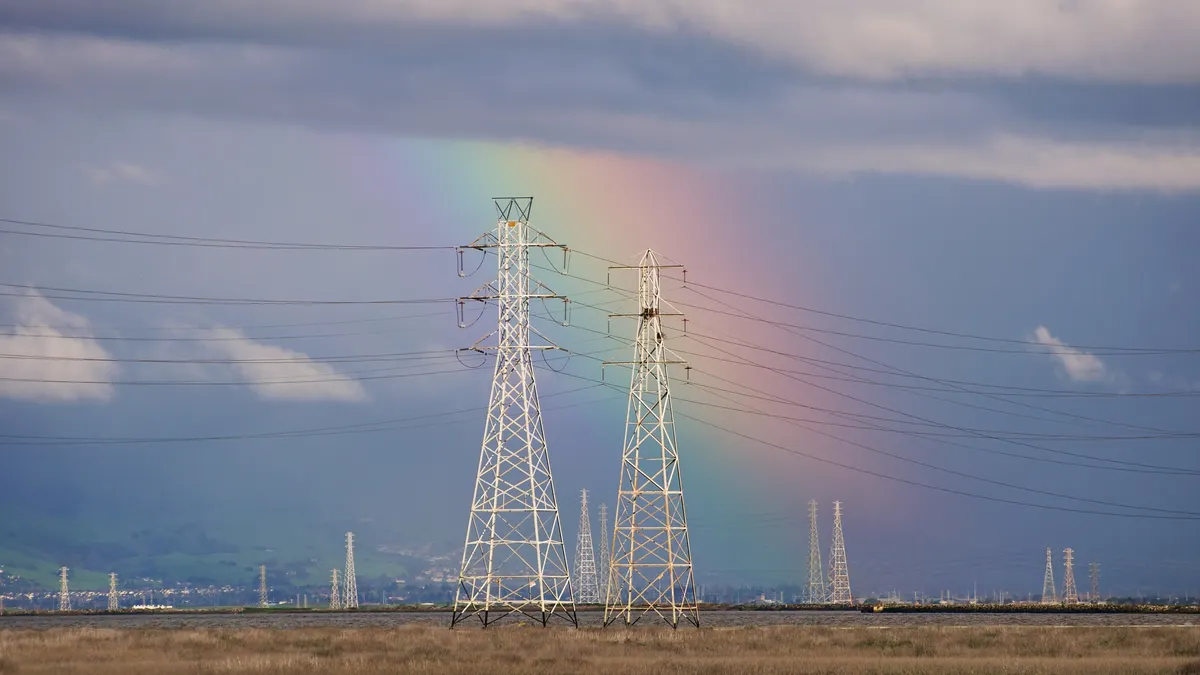
- High-voltage transmission lines to move power from remote renewable-rich areas to urban centers;
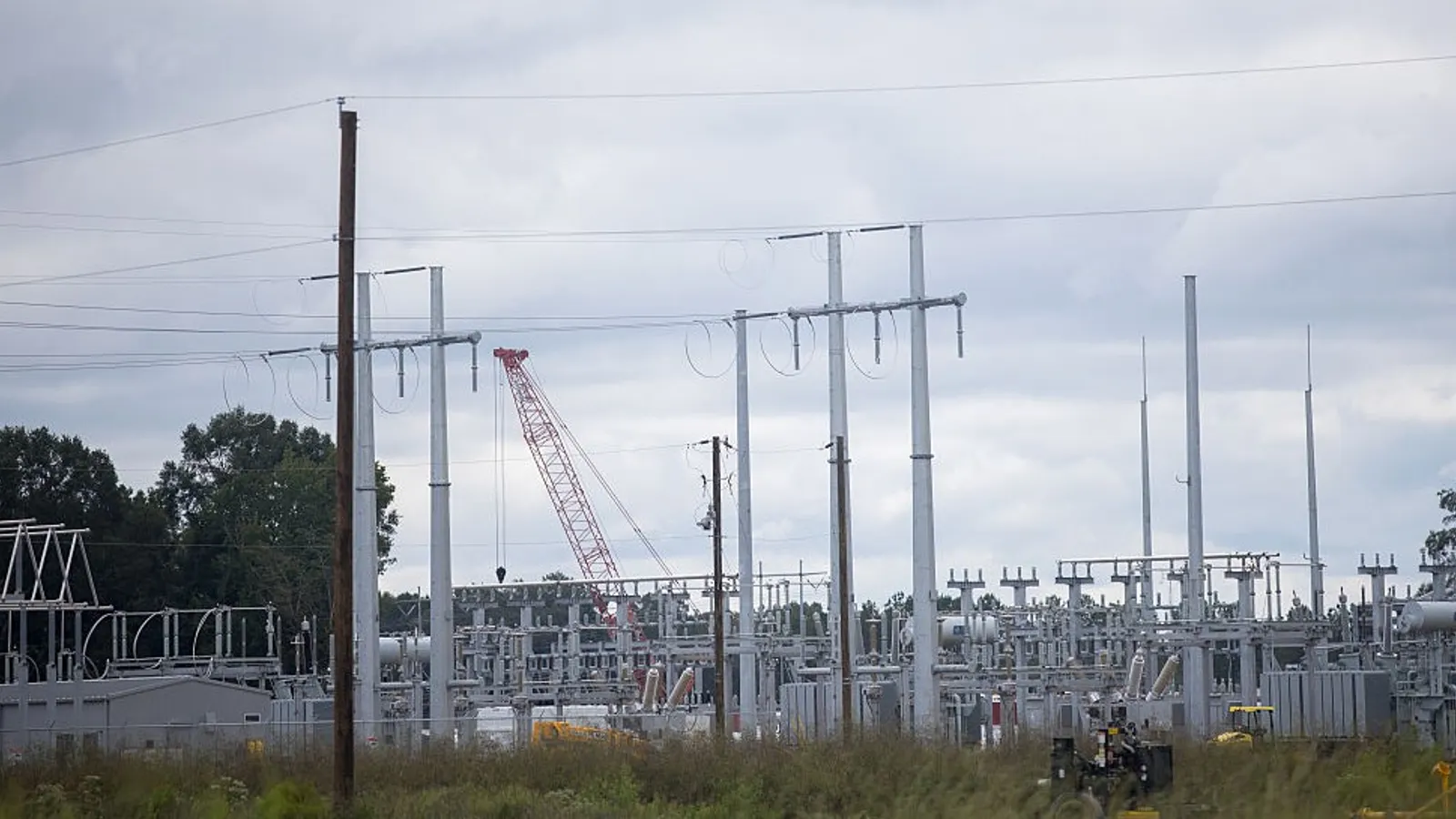
- Modernized substations and local distribution upgrades to handle increased neighborhood-level loads.
3. Reconciling Market Structures
State and federal regulators must critically evaluate the performance of deregulated wholesale markets. If market designs fail to incentivize the timely construction of new generation—leaving consumers exposed to severe price spikes and capacity shortages—reforms are urgently required. States may need to rethink restrictions that prevent regulated utilities from building necessary generation, thereby reintroducing stability, long-term planning, and strict oversight into sectors that have drifted too far into volatile merchant markets.
Conclusion
Families across the nation are understandably desperate for lower utility bills. However, affordability cannot be achieved by starving the grid of necessary capital investment. True energy affordability is inextricably linked to reliability. By relying on objective data rather than political slogans, policymakers can foster an environment where infrastructure is built responsibly, markets are held accountable, and consumers are guaranteed both dependable power and fair, transparent rates for decades to come.