




Date: February 27, 2026
Author: Hasan Ashour
Category: Precious Metals & Commodities / Economy Today
1. Main Facts
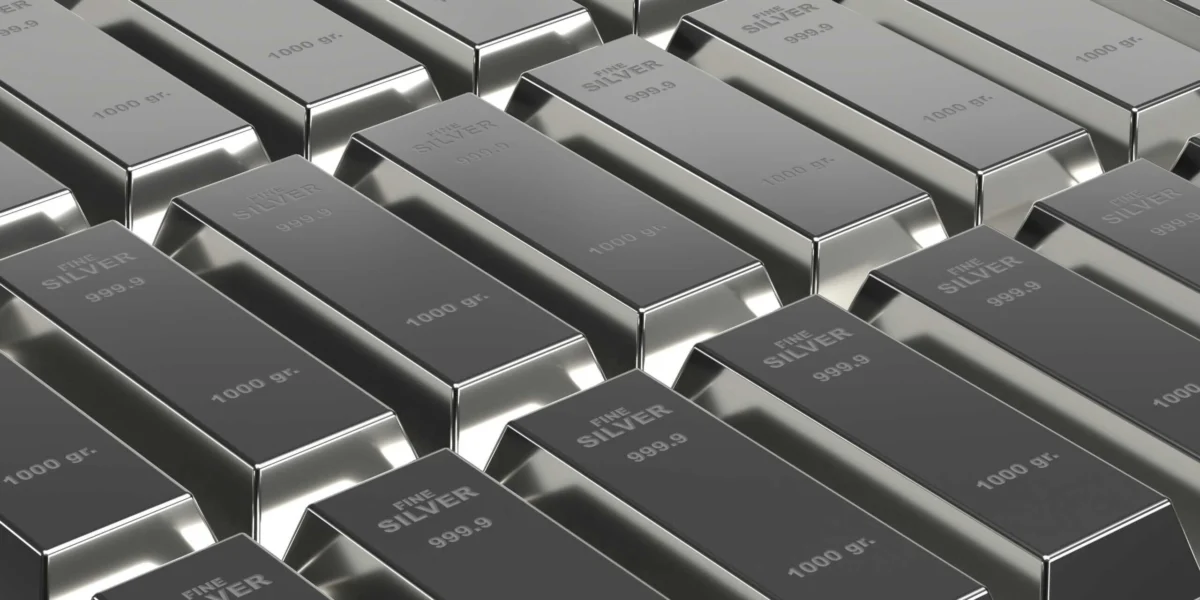
The precious metals landscape within the Kingdom of Saudi Arabia continues to experience structural evolution, driven by shifting global macroeconomic trends, fluctuating industrial demand, and an increasing domestic appetite for alternative safe-haven assets. While gold has traditionally dominated retail and institutional portfolios in the Gulf region, silver—particularly in the form of investment-grade bullion and refined bars—has captured significant market attention.
Recent market monitoring highlights several pivotal developments across the Saudi precious metals sector:
- Diversification of Safe-Haven Assets: Retail and institutional investors in Saudi Arabia are increasingly incorporating silver bullion (specifically .999 fine silver) into their long-term wealth preservation strategies.
- Price Sensitivities: Spot prices for silver and structured silver bars have demonstrated heightened volatility, reflecting broader international commodity market pressures, currency fluctuations, and shifting industrial consumption forecasts in electronics and renewable energy sectors.
- Standardization and Transparency: Regulatory oversight and heightened consumer awareness have pushed bullion refineries and local dealers to adopt stricter grading standards, ensuring clear pricing mechanisms for both new purchases and buyback transactions.
- Retail Accessibility: The availability of varied weights—ranging from fractional gram bars to larger industrial-grade bullion blocks—has democratized access to the silver market, appealing to both first-time retail investors and high-net-worth individuals.
2. Chronology of Market Events
The trajectory of the Saudi silver market leading into late February 2026 is characterized by a series of critical milestones, policy adaptations, and price adjustments:
- Early Q4 2025: Industrial demand projections from the solar energy and electric vehicle sectors begin to tighten global silver supplies, creating a ripple effect across regional markets in the Middle East, including the Kingdom. Wholesalers in Riyadh and Jeddah report an uptick in inquiries regarding large-scale silver bullion acquisitions.
- December 2025: Local precious metal exchanges note a measurable shift in retail behavior. Driven by inflationary hedging and geopolitical uncertainties, daily trading volumes for .999 purity silver bars increase by approximately 15% compared to the previous quarter.
- January 2026: Regulatory bodies and consumer protection agencies in Saudi Arabia issue updated compliance guidelines for precious metal dealers. These directives mandate transparent pricing structures, particularly concerning the spread between retail purchase rates and buyback values.
- Mid-February 2026: International spot prices experience sharp intra-day swings following macroeconomic data releases from major global economies. The domestic market in Saudi Arabia rapidly absorbs these shifts, leading to localized adjustments in both brand-new bullion offerings and secondary market buyback valuations.
- February 27, 2026: Current market data reflects a stabilizing yet highly dynamic pricing environment. Investors closely monitor the interplay between global industrial demand and regional liquidity, setting the stage for a robust end-of-quarter trading cycle.
3. Supporting Data & Market Analysis
To understand the current positioning of silver within the Saudi economy, it is essential to examine the underlying metrics governing bullion valuation, purity standards, and liquidity spreads.
Purity Standards and Valuation Metrics
Investment-grade silver in the Saudi market is predominantly categorized by its fineness, with 99.9% (.999 pure) serving as the benchmark standard for bullion bars, coins, and minted wafers. Unlike jewelry silver (frequently alloyed at 925 sterling), pure silver bullion is valued strictly according to its weight in grams or ounces, tied directly to the international London spot price plus local premium charges.

Pricing Structure: New Bullion vs. Buyback Markets
The domestic silver market operates on a dual-pricing framework that distinguishes between purchasing new inventory and liquidating existing assets:
- New Silver Bullion Pricing: Retail purchases incorporate manufacturing premiums, certification costs, and dealer margins. These prices fluctuate daily in real-time alignment with global commodity exchanges.
- Buyback Pricing: When investors seek to liquidate their holdings, local bullion dealers apply a buyback rate. This rate is calculated based on the raw weight and purity of the silver, minus a fractional liquidity discount. The narrowing of this spread in recent months reflects a healthier, more competitive secondary market within the Kingdom.
Volume and Weight Classifications
Consumer preferences in Saudi Arabia span several distinct weight categories:
- Micro-Bars (1g to 50g): Highly popular among entry-level retail buyers and gifted as assets.
- Standard Investment Bars (100g to 1kg): Preferred by mid-tier investors seeking an optimal balance between liquidity and lower per-gram premiums.
- Industrial & Institutional Blocks (5kg and above): Utilized by high-net-worth portfolios and commercial entities hedging against long-term currency fluctuations.
4. Official Responses and Industry Perspectives
Market stakeholders, economic analysts, and consumer protection representatives have offered vital perspectives on the rapid evolution of the Kingdom’s precious metals sector.
According to economic commentators in the region, the growing interest in silver is not merely a transient speculative trend, but a calculated response to portfolio diversification needs. As one senior market analyst noted:
"While gold remains the undisputed anchor of traditional wealth in Saudi Arabia, silver offers a dual-advantage proposition. It functions as an accessible monetary hedge while remaining heavily tethered to the explosive growth of green technologies, electronics, and global industrial transformation."
Furthermore, consumer protection advocates have praised the tightening of regulatory compliance among local bullion merchants. Ensuring that every piece of .999 fine silver is accompanied by verified assay certificates and transparent buyback guarantees has significantly boosted consumer confidence. Financial institutions and authorized dealers have responded by upgrading their digital platforms, allowing investors to track live spot prices and execute transactions with unprecedented transparency.

5. Economic Implications for the Saudi Market
The maturation of the silver bullion market carries profound implications for both individual investors and the broader national economy:
Enhanced Financial Literacy and Inclusion
The accessibility of fractional and standardized silver bars has lowered the barrier to entry for retail investing. Younger demographics within Saudi Arabia, increasingly focused on wealth-building and asset diversification, are utilizing precious metals as a tangible counterweight to digital and fiat market volatility.
Alignment with Vision 2030 Industrial Goals
Silver’s critical role in high-tech manufacturing—particularly in photovoltaic cells for solar energy infrastructure, electric vehicle components, and advanced electronics—directly intersects with Saudi Arabia’s Vision 2030 objectives. As the Kingdom aggressively expands its renewable energy footprint and high-tech manufacturing sectors, domestic awareness of industrial metals creates a symbiotic relationship between macro-industrial growth and retail investment.
Strengthening Secondary Market Liquidity
The establishment of transparent buyback pricing mechanisms ensures that silver is recognized not just as a static store of value, but as a highly liquid asset class. This liquidity reduces transaction friction, encourages capital circulation, and fosters a more resilient secondary market within the Gulf region’s financial ecosystem.
Conclusion
The shifting dynamics of the silver bullion market in Saudi Arabia as of late February 2026 underscore a broader maturation in regional investment habits. Driven by transparent pricing structures, strict adherence to .999 purity standards, and a balanced framework for both new acquisitions and buyback operations, silver has firmly established its position as a vital asset class. As global industrial demand continues to intersect with domestic retail interest, the Kingdom’s precious metals sector remains poised for sustained growth and resilience.