In a landmark development for the integration of artificial intelligence and robotics within the United States military, Pittsburgh-based Gecko Robotics has announced a monumental expansion of its partnership with the U.S. Navy and the General Services Administration (GSA). The company has secured an additional $300 million in contract ceiling value, effectively quadrupling the scope of its previous agreement. This rapid escalation, occurring just six months after an initial $71 million award, signals a definitive shift in the Pentagon’s procurement strategy: moving away from experimental research and toward the large-scale deployment of field-proven, high-impact technologies.
The Evolution of the Partnership: A Chronology of Success
The trajectory of Gecko Robotics’ collaboration with the Department of the Navy has been defined by speed and demonstrable ROI. The journey from a promising startup to a critical defense partner has unfolded in rapid succession:
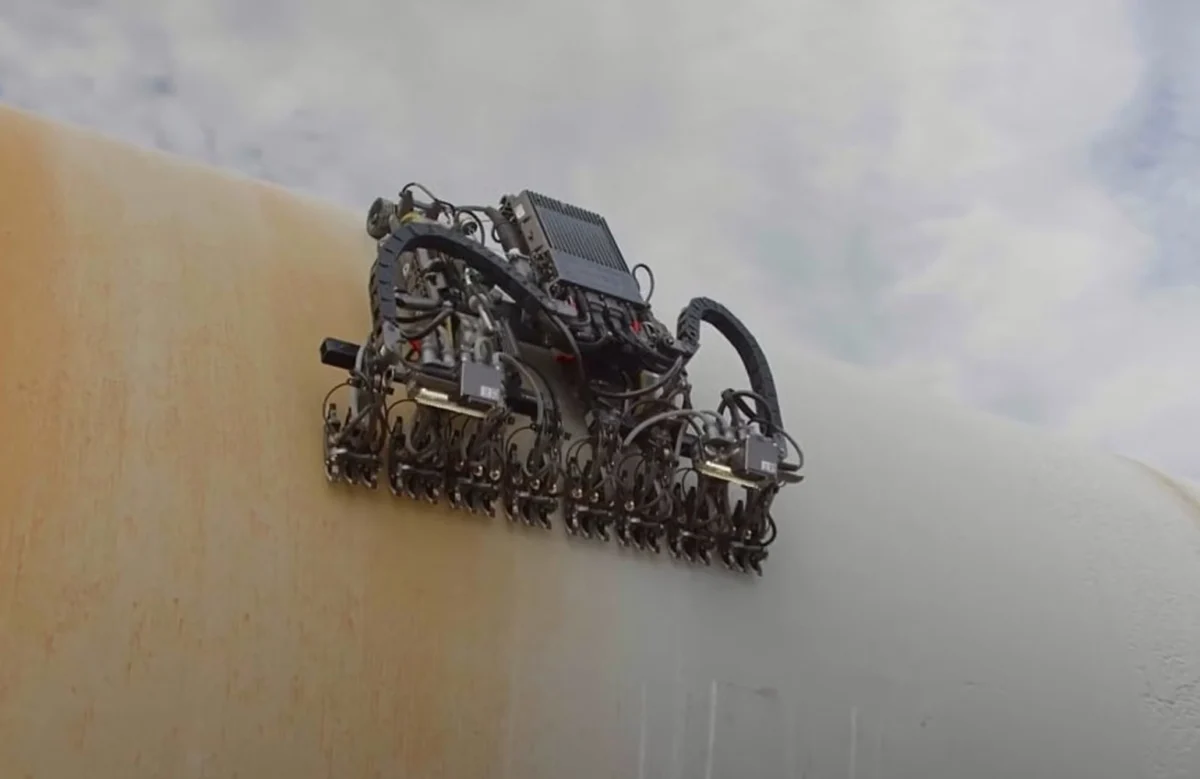
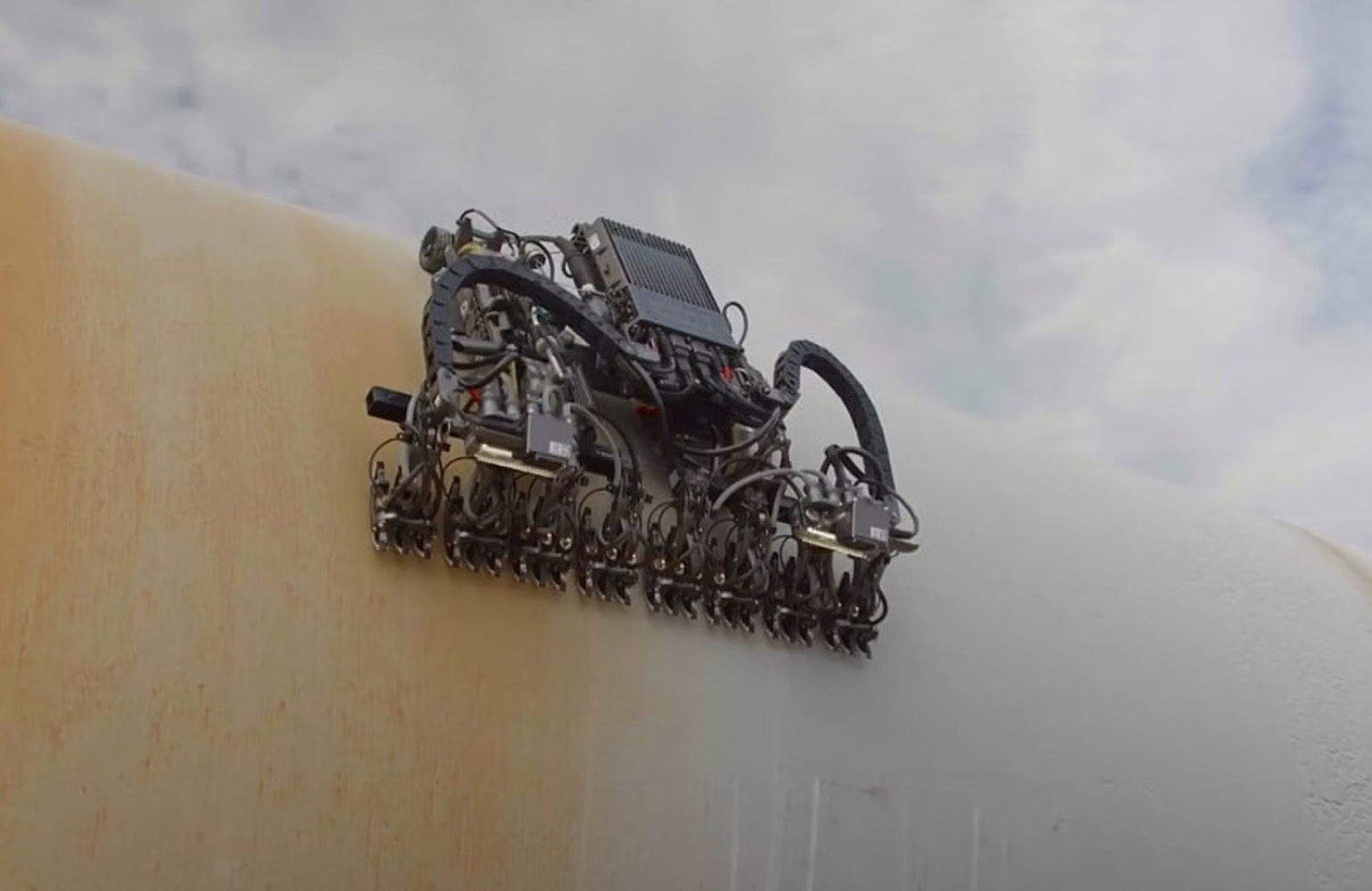
- Early Engagement and Validation: Before the current multi-million dollar contracts, Gecko Robotics spent years refining its specialized "climbing" robots. These machines were designed to navigate vertical, complex, and hazardous environments—specifically the hulls of massive naval vessels—to perform non-destructive testing (NDT).
- The Initial Breakthrough: In early 2026, the U.S. Navy awarded Gecko Robotics an Indefinite Delivery/Indefinite Quantity (IDIQ) contract valued at $71 million. This served as a "prove-it" phase, tasking the company with digitizing the inspection process for critical fleet assets.
- The Scaling Pivot: Within six months of the initial contract, the efficiency gains were so pronounced that the Navy and GSA opted to authorize a fourfold expansion of the contract ceiling. This $300 million surge is intended to facilitate the rapid deployment of these systems across multiple shipyards and naval facilities, marking one of the largest robotic defense integrations in recent history.
Technology at the Forefront: The Komodo System
At the heart of this expansion is the "Komodo" platform, a proprietary robotic system that has redefined the traditional approach to naval maintenance. Historically, assessing the structural integrity of a warship—particularly its heavily coated, non-skid decks—required manual, time-consuming, and often destructive processes. Engineers would frequently have to strip away protective layers to inspect for underlying corrosion or material degradation, a process that was not only expensive but kept the ship in drydock for extended periods.
How Komodo Works
The Komodo system utilizes advanced sensors to "see through" thick, non-skid deck coatings. By collecting high-fidelity data without damaging these protective layers, the robot creates a comprehensive, full-deck heatmap. This map provides unprecedented visibility into the health of the vessel’s steel, allowing repair crews to identify corrosion hot spots, calculate precise material thickness, and plan maintenance cycles long before the ship arrives at a drydock.
By shifting from reactive, "discover-as-you-work" maintenance to a predictive, data-driven model, the Navy can optimize its scheduling. Instead of waiting for a total overhaul to identify issues, commanders can now perform targeted repairs, significantly reducing the downtime associated with traditional maintenance cycles.
Strategic Implications for National Security
The Pentagon has made it clear that "fleet readiness" is a national security imperative. In an era of heightened geopolitical tension, the availability of warships is a primary deterrent. Every day a destroyer or carrier spends in maintenance is a day it is not projecting power, patrolling international waters, or responding to global crises.
Closing the Readiness Gap
The Chief of Naval Operations has established an ambitious target of 80% fleet readiness. Achieving this level of operational availability is difficult with aging infrastructure and traditional, labor-intensive maintenance schedules. Gecko Robotics acts as a force multiplier in this effort. By compressing inspection timelines from months to days, the technology directly contributes to keeping more ships "on the water" rather than "in the yard."
Data-Driven Decision Making
Beyond mere speed, the value of the Gecko contract lies in the data. The company’s suite of wall-climbing robots, drones, and fixed sensors generates massive, high-resolution datasets. When processed through AI algorithms, this data creates a "digital twin" of a vessel. These models can predict future failure points that are invisible to the naked human eye, allowing for a preemptive maintenance strategy that saves millions of dollars per vessel.
Official Perspectives: Shifting the Paradigm
The leadership at Gecko Robotics views this contract not just as a financial win, but as a cultural shift in how the military adopts innovation.
"The conversation around AI and robotics in defense is no longer about experimental technology. It’s about delivering measurable and impactful returns," said Jake Loosararian, co-founder and CEO of Gecko Robotics.
Loosararian emphasized that the focus is on tangible outcomes for service members. "With savings of millions of dollars per ship, months of inspections turning into days, and warships returning to sea faster, the U.S. Navy is demonstrating to the world how to deploy technology at scale. We’re proud to give our service members the tools they need to stay ahead of emerging threats."
For the Navy, the endorsement is equally clear. By betting $300 million on a robotic solution, the Department of Defense is signaling a move toward a more agile, tech-forward force structure. The reliance on Gecko’s data integrity allows for better fiscal stewardship, ensuring that limited defense budgets are spent on the most critical structural needs rather than blanket, unnecessary maintenance.
Broader Industry Impact and Future Outlook
The success of this contract is likely to have a ripple effect across the entire defense contracting landscape. For years, the "Valley of Death"—the gap between successful prototype demonstration and full-scale government procurement—has hindered many startups. Gecko Robotics appears to have successfully navigated this chasm.
Setting a Precedent for Robotic Integration
This contract sets a new standard for how AI and robotics are integrated into industrial maintenance. As the Navy scales this technology, it is likely that other branches, such as the U.S. Air Force (for aircraft maintenance) and the U.S. Army (for heavy equipment sustainment), will observe the efficiency gains and look to replicate the model.
The Human-Machine Team
While the robots handle the hazardous and repetitive task of climbing and scanning, they do not replace the human maintainer. Instead, they elevate the role of the sailor and the shipyard worker. By providing these personnel with accurate, actionable data, the robots empower them to work smarter. The transition from manual inspection to data-analysis-led repair is a significant evolution for the naval workforce, requiring new skill sets and changing the daily operations of maritime maintenance crews.
Conclusion: A New Era for the Fleet
The $300 million contract expansion for Gecko Robotics is a watershed moment. It reflects a broader realization within the Department of Defense that the future of warfare is as much about logistics, maintenance, and readiness as it is about advanced weaponry.
As Gecko Robotics continues to deploy its Komodo systems and AI-driven data analysis tools across the fleet, the U.S. Navy is positioned to become a more resilient and responsive force. By turning maintenance into a competitive advantage rather than a logistical burden, the Navy is ensuring that its ships remain the most capable and ready assets in the world. As the partnership between Pittsburgh’s robotics innovators and the U.S. military deepens, the result will be a more efficient, cost-effective, and formidable naval presence on the global stage.