CLEVELAND, OHIO — Discovering that your residential heating system has stopped working is a homeowner’s worst nightmare, particularly when temperatures plummet during the harsh winter months. Whether you reside near the windy shores of Avon Lake, North Ridgeville, or anywhere across Northeast Ohio, a malfunctioning heater poses more than just a minor inconvenience—it can quickly become a safety hazard for your household.
Understanding the root causes of a heating failure is the first step toward restoring comfort and safety to your home. While some minor issues can be safely diagnosed and resolved by homeowners, others require the specialized tools and expertise of a licensed HVAC technician.
The Anatomy of a Heating Failure: Main Facts
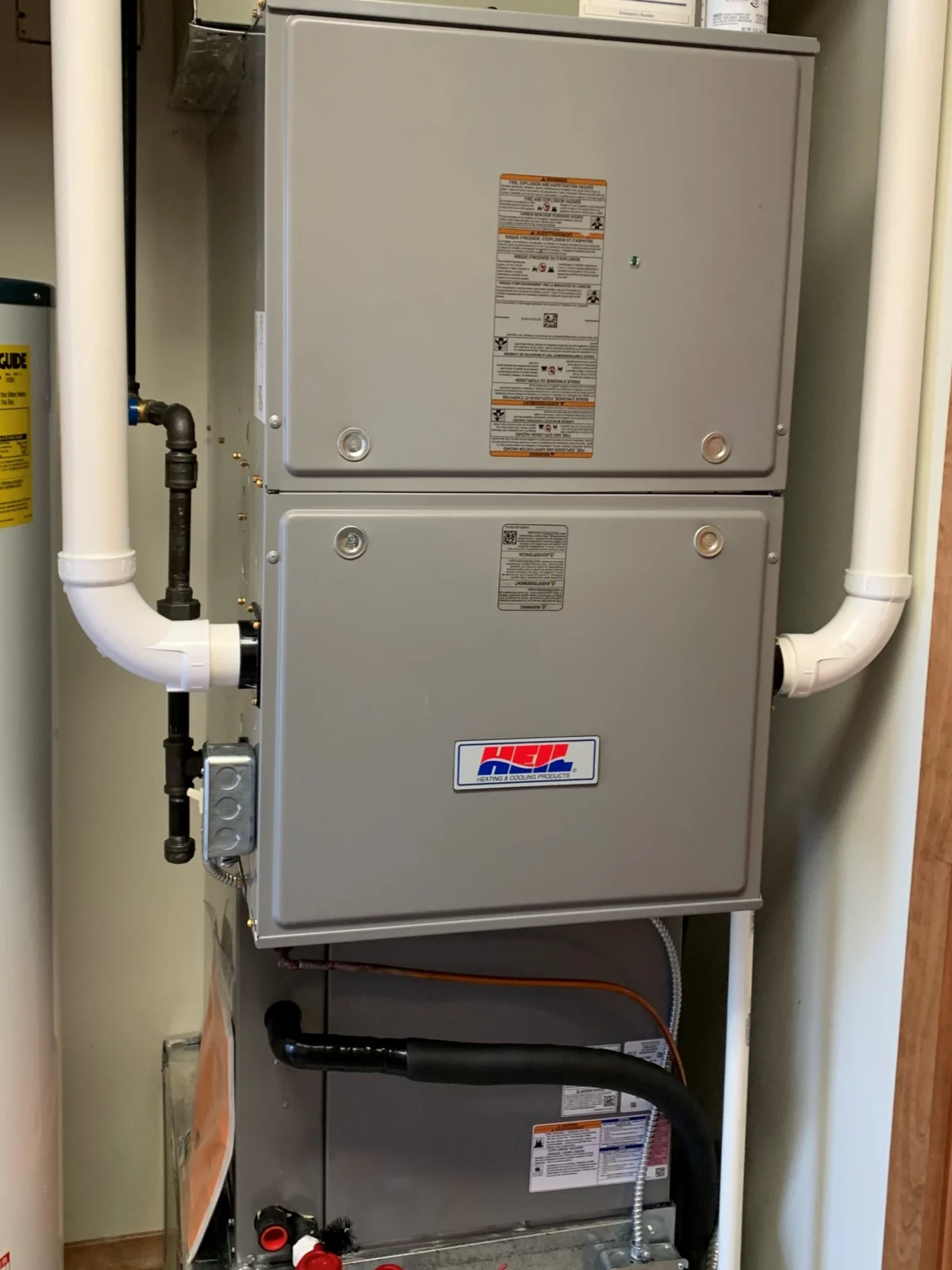
When a heating system goes silent or blows cold air, it is usually responding to a safety lockout or experiencing a mechanical breakdown. Modern furnaces and heating units are complex assemblies comprising electrical circuits, fuel lines, mechanical blowers, and sensitive safety controls.
According to regional heating and cooling experts at Climate-Tech, the vast majority of emergency service calls during peak winter seasons stem from seven recurring issues:
- Thermostat malfunctions or depleted batteries
- Electrical power supply interruptions (tripped breakers or blown fuses)
- Pilot light or electronic ignition failures
- Restricted airflow caused by dirty or clogged air filters
- Blower motor failures or electrical component degradation
- Fuel supply disruptions (in gas or oil systems)
- Compromised ductwork leading to major heat loss
A Step-by-Step Chronology: How to Diagnose Your Heater
If you wake up to a chilly house or notice your heater struggling to keep up with the outdoor temperatures, rushing to call a repair technician immediately may not always be necessary. By following a systematic, chronological troubleshooting approach, you can rule out simple fixes before escalating the issue to a professional.
Phase 1: Check the Control Center (Thermostat)
Always begin your troubleshooting at the thermostat. A malfunctioning thermostat can result in improper temperature readings, communication failures with the heating system, or simply dead batteries.
- Symptoms: The heater fails to turn on or off at the desired temperature, or the display screen is blank and unresponsive.
- Action Steps: Check your settings to ensure the system is switched to "Heat" and the target temperature is set higher than the current room temperature. If the screen is blank, replace the batteries. Gently clean the internal components and temperature sensors to ensure accurate readings. If issues persist, consult the manufacturer’s manual to reset or recalibrate the device.
Phase 2: Inspect the Power Supply
Heating systems require a steady flow of electricity to operate blowers, control boards, and electronic ignitions.
- Symptoms: The heater does not turn on at all, or it experiences intermittent operational cut-offs.
- Action Steps: Locate your home’s circuit breaker or fuse box. Check if any breakers have tripped into the neutral position or if a fuse has blown. Reset the breaker if necessary and ensure all external switches connected to the heater are in the "On" position. Crucial Warning: If the breaker repeatedly trips immediately after being reset, stop troubleshooting instantly. This indicates a serious electrical short circuit that requires professional intervention.
Phase 3: Evaluate the Pilot Light or Ignition System
For gas-powered heaters, the ignition sequence is vital to generating warmth.
- Symptoms: Your system produces no heat, weak heat, or cycles on briefly before shutting down again.
- Action Steps: Locate the access panel and check if the pilot light is lit. If it has blown out due to a draft, a clogged pilot orifice, or a faulty thermocouple, follow the manufacturer’s safe-lighting instructions. If the pilot refuses to stay lit or the electronic igniter fails to spark repeatedly, turn off the gas supply and call an HVAC technician.
Phase 4: Assess Airflow and Filtration
During freezing Northeast Ohio winters, heating systems run continuously for weeks on end. This heavy workload makes restricted airflow a primary culprit for system inefficiency.
- Symptoms: Weak airflow coming from registers, uneven heating across different rooms, or exceptionally long heating cycles where the furnace runs non-stop.
- Action Steps: Locate your system’s air filter. Visually inspect it for heavy dust, pet hair, and debris buildup. If the filter is opaque or clogged, replace it immediately with a fresh filter rated for your system. Furthermore, walk through your home to ensure that supply and return air vents are not blocked by furniture, rugs, or drapes.
Phase 5: Check Fuel Levels (Oil and Gas Systems)
If you rely on oil or natural gas to heat your home, an interruption in fuel delivery will instantly halt operations.

- Symptoms: The system attempts to run or cycles through its startup phase but never produces actual heat.
- Action Steps: Check your fuel gauge if you use an oil tank to ensure you are not running on empty. For natural gas or oil systems, confirm that homeowner-accessible shutoff valves along the fuel line have not been accidentally bumped or turned off. Inspect the lines for visible damage, leaks, or obstructions.
Supporting Data and Technical Insights
Understanding the mechanical and environmental factors behind heater breakdowns can save homeowners thousands of dollars in premature replacement costs and emergency repair fees.
Mechanical and Ductwork Complications
Beyond the standard user-serviceable fixes, deeper mechanical failures often require specialized diagnostic tools:
- Malfunctioning Blower Motors: The blower motor is responsible for circulating warmed air through your ductwork. Issues typically arise from worn-out bearings, failing capacitors, wiring faults, or motor overheating. If you notice a complete lack of airflow accompanied by a hum, strange screeching noises, or a faint smell of hot electrical components, shut the system down immediately. Blower motor repairs involve high-voltage electricity and should never be attempted as DIY projects.
- Ductwork Integrity: Over time, ducts can develop holes, leaks, or disconnected sections, particularly in unheated crawlspaces or attics. According to energy efficiency studies, compromised ductwork can lead to up to 30 percent energy loss, forcing your heater to work twice as hard to maintain a comfortable indoor climate.
Understanding the "First-Time Startup" Burning Smell
Homeowners frequently panic when they smell a burning odor the first time they turn on their heater in the autumn.
- The Cause: During the warmer months, dust particles naturally settle on the heat exchangers and within the ductwork. When the heating system is first activated, these accumulated particles burn off, producing a temporary, distinct odor.
- When to Worry: This smell should naturally dissipate within 15 to 30 minutes. However, if the smell persists, intensifies, or takes on the sharp scent of melting plastic or burning electrical wire, it signifies an active safety hazard—such as severe component overheating or compromised wiring—and requires an immediate emergency shutdown.
Official Recommendations and Safety Implications
Attempting to repair complex heating appliances without professional training carries significant legal, financial, and physical safety risks.
The Risks of DIY Overreach
Modern high-efficiency furnaces involve natural gas combustion, carbon monoxide management, and high-voltage electrical circuits. Improper handling of gas valves or venting systems can lead to dangerous gas leaks or carbon monoxide poisoning—an odorless, colorless gas that poses fatal risks to household occupants.
Furthermore, amateur repair attempts often void manufacturer warranties. Installing incorrect replacement parts or bypassing safety switches can transform a minor, inexpensive fix into a catastrophic system failure that necessitates a full furnace replacement.
Industry Best Practices
Licensed HVAC professionals recommend the following protocols to maintain system integrity:
- Annual Preventive Maintenance: Schedule a comprehensive tune-up with a certified technician every autumn before freezing temperatures arrive. Professional maintenance includes cleaning burners, testing safety controls, checking carbon monoxide levels, and lubricating moving parts.
- Immediate Professional Response: Never ignore persistent strange noises, repeatedly tripping breakers, yellow or flickering pilot flames (which indicate incomplete combustion), or weak airflow.
Expert Heating Services in North Ridgeville and Surrounding Areas
When troubleshooting steps fall short, partnering with an established, trusted local service provider is essential. For residents throughout North Ridgeville, Avon Lake, and the broader Northeast Ohio region, Climate-Tech delivers comprehensive, reliable heating solutions designed to restore peace of mind.
Whether your home requires emergency furnace repairs, ductwork inspections, routine preventative maintenance, or the complete installation of a modern, high-efficiency heating system, Climate-Tech’s team of certified technicians brings decades of hands-on expertise to every job.
Don’t let a sudden heating breakdown leave your family out in the cold. Contact Climate-Tech today to schedule a professional inspection, request a free estimate, or ensure your home heating system is fully prepared to handle the harshest winter weather safely and efficiently.