WASHINGTON — In a landmark development for the logistics and transportation industries, the Food and Drug Administration (FDA) has issued a final order that promises to modernize how safety-sensitive employees are screened for substance use. By exempting specific federal occupational drug testing systems from cumbersome 510(k) medical clearance requirements, the FDA has effectively dismantled the final regulatory barrier that has kept oral fluid testing in a state of limbo for over three years.
The American Trucking Associations (ATA), which has long lobbied for this shift, hailed the move as a “major regulatory roadblock” removal. This decision is expected to trigger a wave of laboratory certifications, finally allowing employers to transition away from traditional, more invasive urine-based testing toward a faster, more accurate, and harder-to-manipulate alternative.
The Chronology of a Regulatory Logjam
The journey toward modernizing federal drug testing has been a protracted bureaucratic marathon. To understand the significance of the FDA’s October 6 order, one must look at the timeline of events that led to this stalemate.
2023: The DOT Final Rule
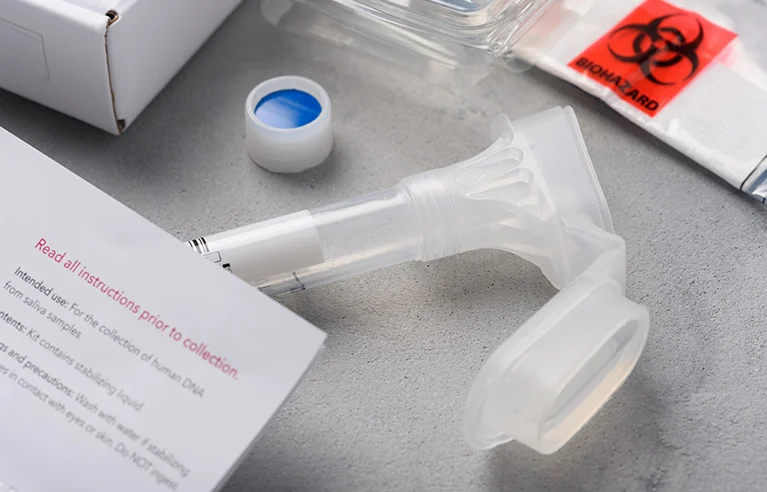
In June 2023, the Department of Transportation (DOT) published a landmark final rule authorizing the use of oral fluid as an alternative to urine for mandatory drug testing programs. For the trucking industry and other safety-sensitive sectors, this was seen as a victory for efficiency. Oral fluid tests are generally easier to administer, less intrusive for the donor, and significantly harder to adulterate than urine samples.
2023–2026: The Certification Standoff
Despite the DOT’s authorization, the practical implementation remained stalled. The Department of Health and Human Services (HHS) required that laboratories be specifically certified to process these tests. However, labs faced a catch-22: they were required to secure 510(k) medical device clearance from the FDA for the testing equipment, a process that was both costly and time-consuming. Because this hurdle was viewed as excessive for federal workplace testing, few labs moved to apply, leaving employers unable to utilize the new method.
May 2026: The Proposal for Change
Recognizing the impasse, the FDA issued a formal proposal on May 1, 2026, aimed at exempting these specific occupational drug testing systems from the 510(k) premarket notification requirements. This proposal was met with broad support from industry stakeholders who argued that the medical clearance process was never intended for high-volume, standardized workplace drug screening.
October 2026: The Final Order
The final order, effective October 6, 2026, officially removes the 510(k) requirement for these devices. This action serves as the “green light” that the National Drug and Alcohol Screening Association (NDASA) and the ATA have been awaiting to begin the operational phase of the new testing regime.
Understanding the 510(k) Barrier
To understand why this change is so consequential, it is necessary to examine the nature of the 510(k) process. In the context of the FDA, a 510(k) is a premarket submission made to the agency to demonstrate that a device to be marketed is at least as safe and effective as a legally marketed device.
While critical for life-saving medical diagnostic equipment, industry experts argued that applying this standard to workplace drug testing equipment was a case of regulatory overkill. The equipment used in federal drug testing programs is already subject to rigorous HHS oversight and performance standards. By requiring an additional layer of FDA 510(k) clearance, the federal government was inadvertently stifling innovation and limiting competition among labs.
The ATA’s chief advocacy and public affairs officer, Henry Hanscom, noted that the requirement acted as a “primary obstacle for labs seeking certification.” By removing this duplicative process, the FDA has streamlined the pathway for technology providers to bring modernized testing solutions to the market without compromising on the integrity of the test results.
Official Responses and Industry Sentiment
The reaction from industry leaders has been overwhelmingly positive, reflecting a collective sense of relief that the federal government is finally aligning its regulations with technological reality.
The ATA Perspective
The American Trucking Associations has been the most vocal proponent of this change. In a formal statement, the organization emphasized that the FDA’s action does more than just facilitate oral fluid testing; it “paves the way for a wider modernization of federal drug testing.” The ATA is already looking toward the future, citing the need for the inclusion of hair follicle testing as the next logical step in ensuring highway safety.
Legislative Pressure
The momentum for this change was accelerated in April 2026, when a bipartisan group of six House Republicans, acting at the request of the ATA, sent a sternly worded letter to HHS Secretary Robert F. Kennedy Jr. The lawmakers urged the Secretary to remove the “regulatory barriers” that were preventing the implementation of the 2023 DOT rule. They argued that the delay was harming the trucking industry’s ability to conduct safe, reliable, and efficient drug testing, thereby impacting the safety of the nation’s supply chain.
NDASA’s Stance
The National Drug and Alcohol Screening Association (NDASA) issued a release applauding the FDA’s development. They affirmed that the 510(k) requirement was the single largest hurdle to achieving widespread certification. While an HHS notice published on September 30 confirmed that zero labs were currently certified for oral fluid testing, NDASA officials have indicated that they expect a flurry of applications to be filed immediately following the FDA’s announcement.
Implications for Safety and Efficiency
The shift to oral fluid testing holds significant promise for the transportation industry, which employs millions of safety-sensitive workers, from long-haul truckers to pipeline operators.
Enhanced Accuracy and Integrity
One of the primary benefits of oral fluid testing is its resistance to subversion. Unlike urine testing, which can be “beaten” through the use of synthetic samples or masking agents, oral fluid must be collected in the presence of a test administrator. This makes the “shy bladder” syndrome—which often delays urine testing—a thing of the past and ensures that the sample provided is directly from the employee.
Operational Efficiency
For employers, the transition offers a faster turnaround time. Because the collection process is less invasive, it can be performed at the job site or at roadside facilities, reducing the downtime associated with sending drivers to off-site medical clinics. This is particularly crucial in the trucking industry, where time is measured in miles and hours, and every delay has a cascading effect on the supply chain.
Future Modernization: The Hair Testing Horizon
The success of this regulatory push for oral fluid testing has emboldened proponents of other testing methods. As noted by the ATA, the FDA’s willingness to re-evaluate the 510(k) requirements signals a shift in philosophy. Hair testing, which can detect drug use over a much longer window than oral fluid or urine, remains the next major goal. By proving that the government can successfully remove bureaucratic barriers to new, more effective methods, the industry is now better positioned to argue for the inclusion of hair testing in the federal program.
Moving Forward: The Path to Certification
While the FDA’s order is a massive win, the transition will not be instantaneous. The HHS must still process the forthcoming applications from laboratories. According to industry analysts, this will likely involve:
- Application Phase: Laboratories that have been waiting on the sidelines will now submit their testing protocols to the HHS for certification.
- Review and Validation: The HHS will conduct a thorough review to ensure these labs meet the necessary standards for federal-grade testing.
- Implementation: Once the first few labs are certified, employers will be able to update their corporate policies to include oral fluid testing as a standard procedure.
The industry anticipates that by mid-2027, the infrastructure for oral fluid testing will be fully operational across the United States. This will mark a turning point in federal safety policy, demonstrating that when regulators, legislators, and industry advocates work in concert, it is possible to modernize even the most complex bureaucratic frameworks to ensure a safer, more efficient future for the American workforce.
As the industry moves into this new era, the focus will shift from the mechanics of the test to the results. For the trucking and transportation sectors, the goal remains the same: ensuring that those operating heavy machinery are unimpaired, while simultaneously reducing the administrative burdens that have historically hampered the effectiveness of these essential safety programs.