When sub-zero temperatures grip the region and a home’s heating system abruptly shuts down, the situation transitions rapidly from an inconvenience to a critical safety emergency. A furnace failure in the dead of winter is one of the most feared household crises, threatening not only the comfort of families and the operational continuity of businesses, but also the structural integrity of the property itself.
Understanding how to systematically diagnose minor issues, retain ambient heat, prevent catastrophic plumbing failures, and deploy safe temporary heating solutions can make all the difference while waiting for professional intervention. This comprehensive guide outlines the essential protocols for handling a mid-winter heating outage, explores the root mechanical causes behind these failures, and details how professional services like Climate-Tech, Inc. restore safety and warmth to homes.
1. The Anatomy of a Winter Heating Crisis: Main Facts
When a furnace goes dark during a cold snap, the immediate priority is understanding the scope of the hazard. According to home safety and HVAC industry data, sudden heating failures spike exponentially during the first prolonged deep freeze of the season.
- The Rapid Drop: In an unheated home during freezing weather, indoor temperatures can plummet to match outdoor conditions within hours, sharply increasing the risk of hypothermia and frostbite, particularly for vulnerable populations such as infants and the elderly.
- The Plumbing Threat: Water lines running through exterior walls or unconditioned crawlspaces are at immediate risk of freezing and bursting once ambient indoor temperatures drop below 32°F (0°C).
- Carbon Monoxide Risks: Desperate attempts to heat a home using unapproved methods—such as kitchen ovens, outdoor grills, or unvented gas heaters—introduce lethal levels of carbon monoxide (CO) and fire hazards into living spaces.
- Mechanical Strain: Modern furnaces are complex electromechanical units. Operating continuously under heavy winter demand accelerates wear and tear, making mid-winter breakdowns statistically probable for unserviced systems.
2. Chronological Emergency Protocol: What to Do When the Heat Goes Out
When you discover your furnace has stopped working, panic is the enemy. By following a structured, chronological response plan, you can protect your household, preserve your property, and streamline the eventual repair process.
Phase One: Immediate Troubleshooting (The First 15 Minutes)
Before calling for emergency service, perform a series of safe, basic checks to rule out simple user-error issues that frequently mimic catastrophic mechanical failures:
- Inspect the Thermostat: Verify that the thermostat is set to "Heat," that the target temperature is set significantly higher than the current room temperature, and that the batteries are not dead.
- Check the Circuit Breaker: Go to the main electrical panel. A tripped breaker dedicated to the furnace will shut the unit down. If the breaker has tripped, reset it once. If it trips again immediately, stop; this indicates an electrical short that requires a professional.
- Examine the Air Filter: A severely clogged air filter restricts airflow, causing the furnace’s limit switch to trip and shut the system down as a safety precaution against overheating. Replace a dirty filter immediately.
- Confirm the Power Switch and Gas Valve: Ensure the furnace’s toggle switch (often resembling a standard light switch mounted on a nearby wall or the unit itself) has not been accidentally flipped off. For gas furnaces, verify that the gas supply valve is fully open.
- Review the Blower Door Panel: Ensure the access panel door is securely snapped into place. Most furnaces feature a safety interlock switch that cuts power if the door is even slightly ajar.
Phase Two: Thermal Retention and Defense (Hours 1 to 2)
If basic troubleshooting fails to revive the system, your immediate goal shifts to trapping existing heat inside the home:
- Seal Off Zones: Close off unused rooms, basements, and upper levels. Concentrate your household in a single, central room—preferably one with minimal exterior walls and good solar exposure.
- Block Drafts: Roll up towels or use draft stoppers along the bottom of exterior doors and windows. Hang heavy blankets or thermal drapes over windows to create an insulating barrier.
- Layer Clothing: Put on multiple layers of thermal clothing, wool socks, and heavy sweaters. Wrap family members in heavy blankets and sleeping bags, particularly if sleeping.
Phase Three: Protecting Your Plumbing (Hours 2 to 4)
Freezed-and-burst pipes represent one of the most financially devastating secondary effects of a furnace failure. Mitigate this risk immediately:
- Drip Faucets: Open both hot and cold faucets slightly to allow a continuous, thin trickle of water to run through the plumbing lines. Moving water is significantly harder to freeze.
- Open Cabinet Doors: Under-sink plumbing is shielded from ambient room heat. Open kitchen and bathroom vanity cabinet doors to allow warm indoor air to circulate around the pipes.
- Locate the Main Shutoff: Ensure all adult members of the household know the exact location of the main water shutoff valve so water can be turned off instantly if a pipe develops a leak.
3. Safe Temporary Heating Solutions: Staying Warm Without a Furnace
If repair technicians are delayed due to high regional demand during a widespread cold snap, you will need to utilize alternative heating sources safely.
Utilizing Portable Space Heaters
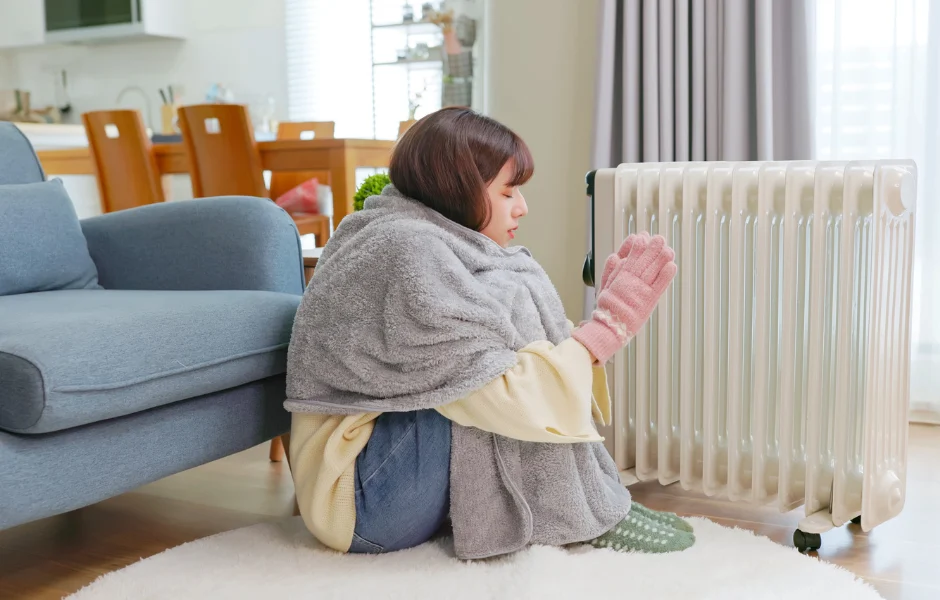
Electric space heaters offer localized warmth, but they must be operated with strict adherence to safety guidelines:
- Plug space heaters directly into a wall outlet. Never use extension cords or power strips, as they can easily overheat and start an electrical fire.
- Maintain a mandatory three-foot "clearance zone" around the heater, keeping it far away from furniture, bedding, curtains, and papers.
- Never leave space heaters unattended, and turn them off completely before going to sleep.
Alternative Architectural Heat Sources
- Fireplaces and Wood Stoves: If your home is equipped with a functional fireplace or wood stove, burn seasoned hardwood to generate substantial radiant heat. Ensure the flue is fully open before lighting, and use a mesh screen to prevent embers from escaping.
- Cooking and Baking: While an oven should never be used as a primary space heater due to severe carbon monoxide and tipping risks, preparing hot meals or baking can temporarily warm the kitchen and adjacent living areas.
- Passive Solar Heating: During daylight hours, open curtains and blinds on south- and west-facing windows to allow natural sunlight to warm the home’s thermal mass. Close all window treatments tightly as soon as the sun sets to trap that solar gain.
4. Root Causes: Common Furnace Problems in Winter
When a professional HVAC technician arrives, they are typically responding to one of several recurring mechanical failures associated with heavy winter usage:
- Ignition or Pilot Light Failures: Modern electronic igniters, hot surface igniters, or older pilot lights can fail due to wear, soot buildup, or drafts, preventing the burners from igniting.
- Flame Sensor Malfunctions: Flame sensors accumulate carbon and oxidation over time. When dirty, they fail to detect the burner flame and shut the gas valve off as a safety measure.
- Blower Motor and Belt Issues: Continuous operation places immense strain on blower motors and belts. Squealing, grinding, or a total lack of airflow often points to mechanical wear in this assembly.
- Blocked Condensate Lines: High-efficiency condensing furnaces produce moisture that must drain away. In sub-zero temperatures, exposed or uninsulated exterior condensate lines can freeze solid, backing up water and triggering an automatic system shutdown.
- Faulty Pressure Switches: Induced draft motors exhaust combustion gases safely outdoors. If the draft switch detects a blockage in the venting system (such as ice or snow buildup in the intake/exhaust pipes), it prevents the furnace from firing.
5. Professional Intervention and Emergency Preparedness
Attempting complex DIY repairs on a gas furnace is dangerous and can void equipment warranties, exacerbate damage, or create carbon monoxide leaks. When troubleshooting steps fail, contacting a certified HVAC professional is essential.
Industry experts recommend adopting a proactive stance toward HVAC maintenance to avoid emergency scenarios altogether:
- Schedule Annual Tune-Ups: Comprehensive fall inspections allow technicians to clean burners, test safety controls, lubricate moving parts, and catch worn components before they fail in sub-zero weather.
- Replace Filters Regularly: Change or clean air filters every 30 to 90 days during the peak heating season to maintain optimal airflow and efficiency.
- Keep Vents Clear: Ensure that outdoor intake and exhaust PVC pipes are completely unobstructed by snowdrifts, ice, or drifting leaves.
6. Restoring Comfort with Climate-Tech, Inc.
A sudden heating failure is an alarming experience, but you do not have to weather the cold alone. When your furnace stops working in the winter, having a trusted, local expert on speed dial ensures that warmth and safety are restored to your home as quickly as possible.
At Climate-Tech, Inc., we specialize in rapid, reliable emergency furnace repair, comprehensive diagnostic services, and routine seasonal maintenance. Serving North Ridgeville and surrounding communities, our licensed and certified technicians arrive equipped to handle everything from minor electrical faults and sensor cleanings to complex heat exchanger replacements and new installations.
Don’t let a malfunctioning heating system leave your family or business out in the cold. Contact Climate-Tech, Inc. today to schedule your service or request an estimate. With our expert team, you are always just one call away from a safe, warm, and comfortable environment—no matter how harsh the winter weather gets.