




Main Facts: The Evolving Mandate of Modern Sustainability and Procurement Leaders
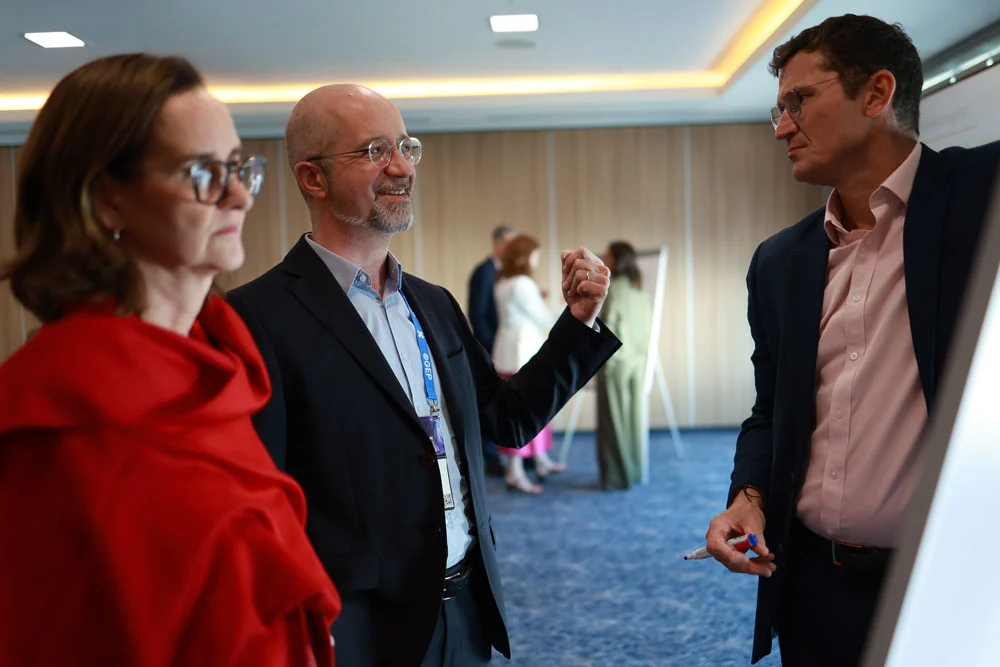
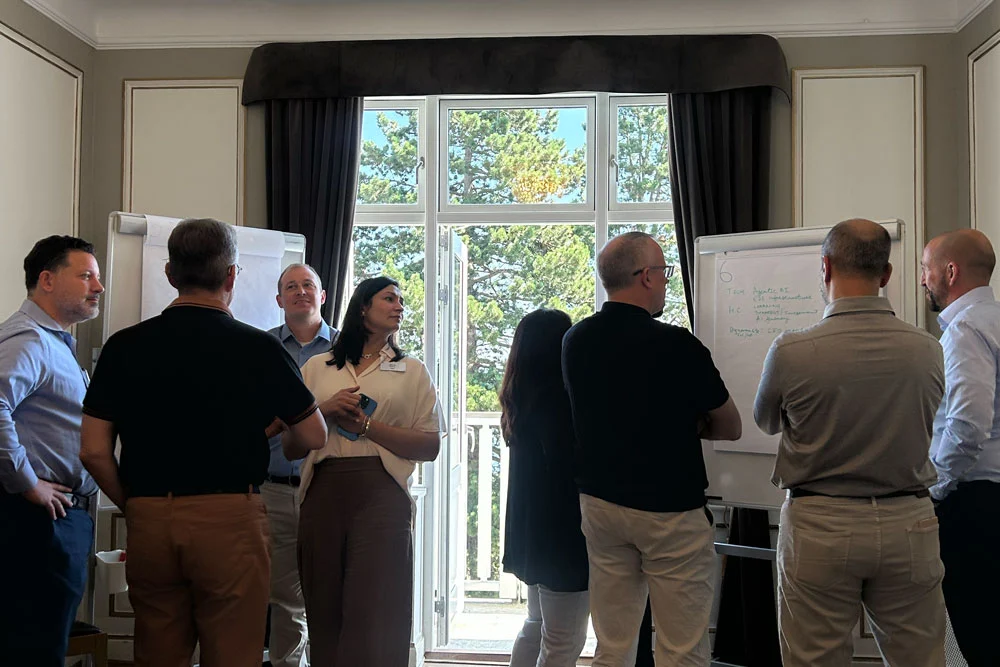
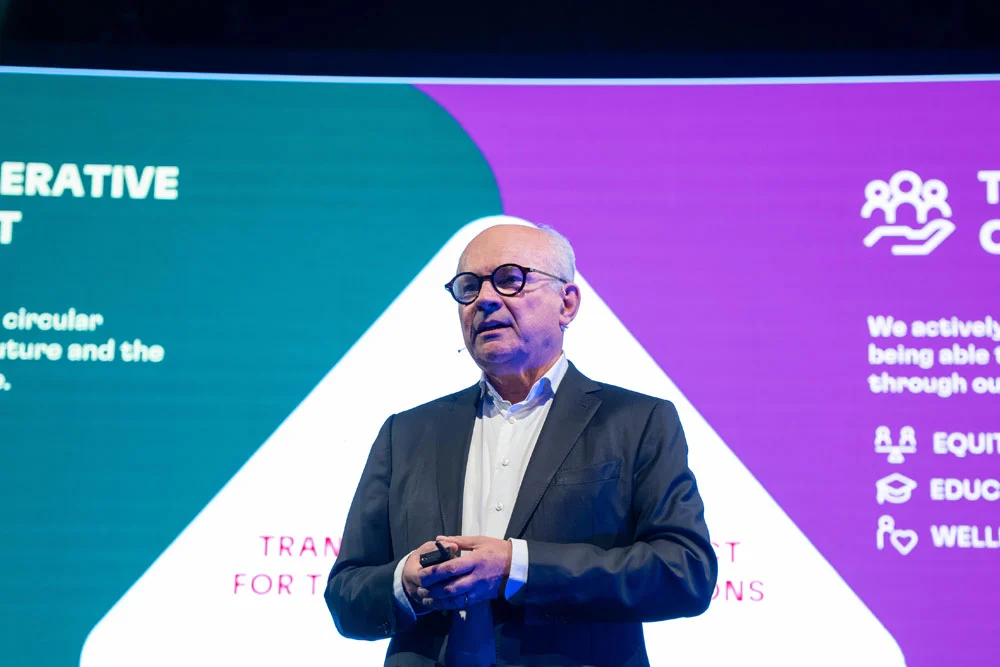
The historic Arendshoeve, famously known as the Garden of Amsterdam, recently played host to the flagship gathering of the global sustainability community: the World Sustainability Congress. Organized by Sustainability Leaders, the event brought together a dynamic cohort of Chief Sustainability Officers (CSOs), Chief Procurement Officers (CPOs), and enterprise strategists from across the globe.
Against a backdrop of shifting geopolitical landscapes, cooling investor sentiment, and an increasingly intricate regulatory web, the Congress served as a vital crucible for testing the modern corporate conscience. The core revelation emerging from the panel discussions, keynote presentations, and networking sessions was profound yet simple: the traditional boundaries separating the corporate sustainability function from procurement operations are rapidly dissolving.
Today’s CSOs can no longer operate as isolated architects of idealistic corporate social responsibility (CSR) policies. Instead, they are being drafted onto the front lines of financial performance, charged with driving tangible Profit and Loss (P&L) impact, securing competitive advantage, and delivering measurable shareholder returns. Concurrently, procurement leaders are finding themselves structurally elevated. No longer viewed strictly as cost-reduction agents or transactional gatekeepers, CPOs are taking the reins of enterprise-wide sustainability strategies.
This functional fusion is anchored by a single, all-encompassing strategic priority: resilience. Whether addressing the notoriously stubborn challenge of Scope 3 emissions, navigating fractured geopolitical trade routes, or safeguarding scarce natural resources, the modern enterprise must weave sustainability and procurement into a singular, resilient operational fabric.
Chronology: How Sustainability and Procurement Transformed from Back-Office Functions to Boardroom Priorities
To understand how the corporate world arrived at the pivotal crossroads witnessed in Amsterdam, it is necessary to examine the historical trajectory of both the CSO and CPO roles over the past two decades.
Phase One: Compliance and Philanthropy (Early 2000s – 2010s)
For many years, sustainability was treated as an operational afterthought or a public relations exercise. Corporate sustainability departments were largely tasked with compiling philanthropic reports, ensuring basic regulatory compliance, and managing marginal recycling initiatives. Procurement, on the other hand, was dominated by a singular metric: lowest-cost sourcing. Supply chain decisions were made with little regard for the social or environmental lifecycle of a product, provided the unit price was advantageous.
Phase Two: Strategic Integration and Carbon Accounting (2015 – 2020)
Following the Paris Agreement and the rollout of the United Nations Sustainable Development Goals (SDGs), the corporate ethos began to shift. Investors, consumers, and employees started demanding genuine accountability. CSOs were appointed in greater numbers, tasked with mapping corporate carbon footprints and setting long-term net-zero targets. Procurement departments began implementing supplier codes of conduct, though sustainability remained largely additive rather than foundational to sourcing strategies.
Phase Three: The Disruption Era and Regulatory Tsunami (2020 – Present)
The COVID-19 pandemic, followed by subsequent geopolitical conflicts, energy shocks, and widespread logistics bottlenecks, exposed the profound fragility of global supply chains. Simultaneously, regulatory bodies—particularly in the European Union with directives like the Corporate Sustainability Reporting Directive (CSRD) and the Corporate Sustainability Due Diligence Directive (CSDDD)—unleashed a wave of mandatory reporting and accountability standards.
It was within this crucible of disruption and regulation that the World Sustainability Congress took place. The events in Amsterdam marked a definitive maturation phase: sustainability is no longer just about doing "good"; it is about business survival, economic optimization, and operational resilience.
Supporting Data and Industry Realities: The Economics of Modern Sustainability
The discussions in Amsterdam were heavily grounded in economic realities. While critics occasionally argue that sustainability initiatives are vulnerable to shifting political winds and cyclical economic downturns, the structural fundamentals of global commerce point in the opposite direction.
The Scope 3 Imperative
For most multinational enterprises, between 70% and 90% of total greenhouse gas emissions reside in Scope 3—the indirect emissions generated across the upstream and downstream supply chain. Because these emissions are produced by third-party suppliers, raw material extractors, and logistics providers, CSOs cannot reduce them via internal corporate policy alone.
This reality places procurement professionals directly at the center of the net-zero equation. Without the active engagement, supplier relationship management, and contractual leverage of the procurement function, corporate decarbonization targets are mathematically impossible to achieve.
The P&L Pressure Test
According to insights shared at the Congress, CSOs are increasingly evaluated against traditional financial metrics. Modern stakeholders expect sustainability initiatives to generate measurable economic value through:
- Resource Efficiency: Reducing energy consumption, minimizing material waste, and optimizing logistics routes directly lower operational expenditures.
- Risk Mitigation: Proactively managing supply chain vulnerabilities shields enterprises from the catastrophic financial impacts of climate-related disruptions, resource scarcity, and regulatory penalties.
- Market Differentiation: Consumers and B2B clients increasingly favor sustainably produced goods, creating premium pricing opportunities and protecting market share.
Official Responses and Industry Leadership: Voices from the Amsterdam Congress
The fusion of procurement and sustainability was vividly embodied by several high-profile corporate leaders in attendance at the Arendshoeve. Many multinational organizations have officially recognized this synergy by merging leadership portfolios or fostering unprecedented cross-functional collaboration.
Notable industry figures leading this structural evolution include:
- Amanda Davies (Mars Snacking): Demonstrating how global snack and food conglomerates are aligning procurement strategies with ambitious generational sustainability commitments.
- Janelle Aydin (Kraft Heinz): Spearheading supply chain innovations that balance cost efficiency with rigorous environmental and social standards.
- Willem Mutsaerts (Givaudan): Championing sustainable sourcing in the fragrance and flavor industry, where biodiversity preservation is directly tied to business continuity.
- Kathy Presto (HH Global): Driving sustainable procurement transformations across marketing and print supply chains.
- Bertrand Conquéret (Henkel): Serving as a prime example of the integrated leadership model, Conquéret successfully managed Henkel’s global procurement division while holding the mantle of Corporate Senior Vice President and President of the Global Supply Chain, alongside his responsibilities as CSO. His recent transition—handing over procurement while retaining leadership of the supply chain and sustainability—underscores how deeply embedded these disciplines have become within corporate governance.
Reflecting on the atmosphere in Amsterdam, delegates noted a palpable sense of pragmatic optimism. Despite the immense pressures of modern regulatory compliance, leaders chose to focus on actionable solutions rather than administrative burdens.
Implications: Building the Resilient Enterprise of Tomorrow
The overarching takeaway from the World Sustainability Congress is that resilience is the ultimate intersection of procurement and sustainability. When Chief Procurement Officers and Chief Sustainability Officers work in silos, organizations become vulnerable to supply shocks, regulatory non-compliance, and stagnant innovation. However, when these functions operate as a unified force, the enterprise unlocks profound strategic advantages.
1. Long-Term Resource Security
By collaborating on supplier development, CPOs and CSOs can secure long-term access to essential raw materials. Investing in regenerative agriculture, circular economy models, and ethical labor practices ensures that supply chains remain viable for decades to come, protecting the business from resource exhaustion and price volatility.
2. Streamlined Regulatory Compliance
With global regulatory frameworks demanding unprecedented transparency—down to individual tier-3 and tier-4 suppliers—supply chain visibility is no longer optional. Integrated procurement-sustainability teams are uniquely positioned to map supply networks, collect accurate ESG data, and ensure full compliance ahead of legislative deadlines.
3. Cultural and Operational Synergy
Ultimately, the success of any corporate strategy depends on human collaboration. The blurring lines between sustainability and procurement are fostering a new breed of corporate leader—one who speaks the language of both carbon accounting and financial auditing.
As the business world navigates an increasingly volatile future, the insights forged in Amsterdam offer a clear roadmap: sustainability, when executed through strategic procurement and operational resilience, is not a cost center. It is the very foundation of modern business success.
To receive weekly insights, expert analysis, and strategic updates from the global business community, sign up for industry newsletters and stay connected with the latest developments in corporate leadership.