




WASHINGTON — As energy affordability solidifies its status as a defining kitchen-table issue heading into the midterm elections, a comprehensive new market analysis from the Solar Energy Industries Association (SEIA) reveals that the rapid deployment of solar power and energy storage is successfully lowering electricity costs across both red and blue states.
Contrary to conventional assumptions that rapid grid transitions invariably increase consumer expenses, the data proves that scaling up clean energy infrastructure can drive down wholesale power prices even amidst skyrocketing demand. According to the findings, the aggressive buildout of solar generation and battery storage helped orchestrate a dramatic plunge in average wholesale electricity prices—tumbling by 42% in Texas and 51% in California between the summers of 2021 and 2026.
The report highlights a transformative shift in the American energy landscape, demonstrating that clean energy technologies are no longer just environmental imperatives, but essential economic tools for household budget relief. By injecting immense capacity directly into the grid during peak demand hours, solar and storage assets are undercutting traditional fossil fuel generation, blunting the impact of inflation, and delivering billions of dollars in direct savings to consumers in two of the nation’s most critical and distinct energy markets.
Main Facts
The SEIA analysis zeroes in on the performance of two massive, yet fundamentally different, power markets: the Electric Reliability Council of Texas (ERCOT) and the California Independent System Operator (CAISO). Despite differing regulatory frameworks, geographic profiles, and political landscapes, both jurisdictions experienced the same overarching economic phenomenon: wholesale electricity prices plummeted even as electricity consumption climbed.
Between the summer of 2021 and the summer of 2026:
- Wholesale Price Reductions: Inflation-adjusted average wholesale electricity prices fell by 51% in California (dropping from $77.54 per megawatt-hour [MWh] to $38.32/MWh) and by 42% in Texas (falling from $54.97/MWh to $31.77/MWh).
- Massive Financial Savings: From June through August 2026 alone, solar and storage assets saved Texans approximately $3.55 billion and Californians approximately $2.5 billion, compared to baseline costs from the summer of 2021.
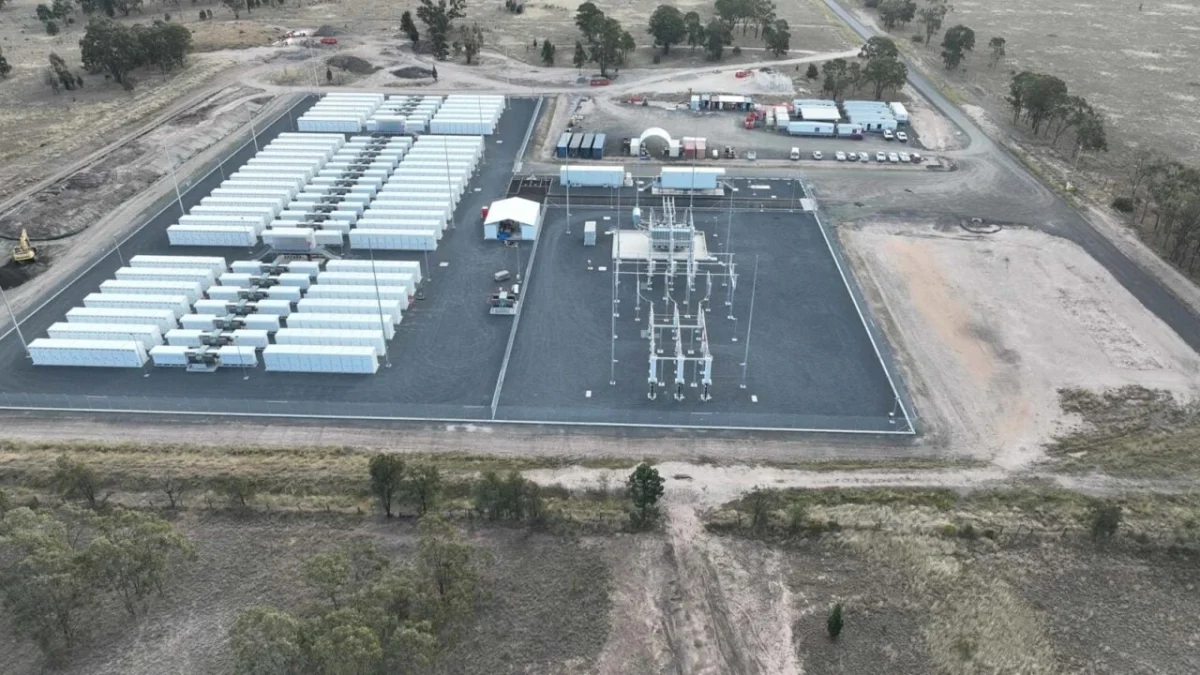
- Explosive Clean Energy Growth: Solar generation skyrocketed by 421% in Texas and 90% in California. Simultaneously, battery storage capacity experienced exponential growth, multiplying more than 26-fold in Texas and nearly sevenfold in California.
- Surging Demand Met by Clean Power: This clean energy surge successfully accommodated significant increases in overall electricity consumption—demand grew by 2.5% in California and surged by a staggering 30% in Texas over the five-year window.
- Mitigating Generation Costs for Households: Residential generation costs fell by 4% in Texas and 10% in California, helping to offset broader upward pressures on utility bills caused by rising transmission and distribution expenses.
Chronology of the 2021–2026 Market Transformation
To understand how solar and storage achieved such profound price suppression, industry analysts point to a critical five-year timeline characterized by grid stress, policy tailwinds, and aggressive private-sector deployment.
2021: Post-Pandemic Rebound and Vulnerable Grids
The baseline for the SEIA analysis is the summer of 2021, a period marked by economic reopening following the COVID-19 pandemic, extreme weather events, and severe fossil fuel market volatility. Texas was still reeling from the catastrophic grid failures of Winter Storm Uri earlier that year, which exposed deep vulnerabilities in ERCOT’s generation stack and heightened anxieties over summer peak loads. California, meanwhile, was grappling with severe drought conditions that compromised hydroelectric generation, alongside persistent threats of rolling blackouts during intense heatwaves. Wholesale prices during this period were volatile and high, driven heavily by expensive natural gas peaking plants that were forced to spin up to meet surging afternoon and evening demand.
2022–2024: The Infrastructure Acceleration
Following the passage of federal legislative packages—most notably the Inflation Reduction Act of 2022—capital flooded into renewable energy deployment. Developers raced to lock in tax credits, resulting in an unprecedented wave of utility-scale solar farms and standalone battery installations coming online. In Texas, land availability and streamlined interconnection processes allowed developers to erect solar panels across the sun-drenched plains at a breakneck pace. In California, regulators and utilities prioritized large-scale battery storage to capture midday solar overproduction and discharge it during the critical "duck curve" evening ramp hours when solar output drops off as residents return home.
2025–2026: Market Saturation and Price Suppression
By the summer of 2026, the cumulative effect of this massive infrastructure buildout reached a tipping point. Batteries and solar arrays achieved critical mass across both CAISO and ERCOT. Rather than relying on costly peaker gas plants during peak demand hours, grid operators increasingly dispatched cheap, stored solar energy. The SEIA analysis captures this exact window (June through August 2026), proving that the market had fundamentally transformed: the marginal cost of meeting peak summer demand had dropped precipitously, translating directly into lower wholesale clearing prices across the board.
Supporting Data and Market Mechanics
The mechanics behind these savings lie in the interplay between wholesale generation costs and retail utility bills. While consumers often look at their total monthly bill as a single figure, utility bills are generally bifurcated into two main components: generation costs (the cost of producing the electricity) and transmission and distribution (T&D) costs (the cost of moving that electricity across poles, wires, and substations to homes).
Wholesale vs. Retail Dynamics
The SEIA report notes that while solar and storage successfully exerted massive downward pressure on wholesale generation costs—dropping them by 4% in Texas and 10% in California between 2021 and 2026—total residential bills still saw upward pressure from other sectors. Specifically, rising investments in grid hardening, wildfire mitigation (particularly in California), and general infrastructure maintenance drove up T&D costs, resulting in net residential bill increases of 3% in Texas and 22% in California over the five-year period.

However, industry experts emphasize that without the mitigating impact of solar and storage, residential bills would have spiked far higher.
- In California, the 10% reduction in generation costs cushioned consumers from the brunt of the 22% T&D cost increases, preventing runaway bill inflation.
- In Texas, the 30% surge in electricity demand—largely fueled by population growth, data center expansion, and industrial electrification—would have historically triggered debilitating wholesale price spikes reminiscent of previous energy crises. Instead, the 421% increase in solar generation and 26-fold increase in battery storage absorbed the shock, holding average wholesale prices down to $31.77/MWh.
Methodology
To ensure methodological rigor, the SEIA analysis compared weighted average hourly wholesale electricity prices from June through August 2021 against the exact same months in 2026. The data was drawn directly from the two primary independent system operators, CAISO and ERCOT, and was adjusted for inflation into 2026 dollars to provide an accurate, apples-to-apples economic comparison.
Official Responses and Political Implications
As the midterm elections loom, energy costs have transformed into a potent political flashpoint. Candidates across the ideological spectrum are jockeying to present themselves as champions of consumer affordability. SEIA’s leadership was quick to frame the new data as definitive proof that clean energy policy transcends partisan divides.
"As the midterm elections approach, delivering affordable, reliable power is a priority that transcends party lines, and Texas and California are proof that the growth of solar and storage is driving down prices," said SEIA CEO Tim Pawlenty.
Pawlenty’s remarks underscore a strategic messaging shift within the renewable energy sector. By highlighting Texas—a politically conservative stronghold and the epicenter of American oil and gas production—alongside California, a progressive regulatory leader, SEIA aims to defuse partisan framing around green energy. The data demonstrates that in a free-market system like ERCOT, solar and storage grow because they make sound economic sense, providing cheap electrons that outcompete legacy fuels during periods of maximum grid stress.
State-level energy stakeholders have similarly pointed to the data as validation of long-term planning. Utility analysts in both states have noted that the integration of batteries has solved one of renewable energy’s historic Achilles’ heels: intermittency. By storing cheap daytime solar and discharging it reliably during high-priced evening hours, batteries have effectively acted as a market stabilizer, depressing price volatility that historically hurt commercial, industrial, and residential ratepayers alike.
Broader Implications for the Future of the U.S. Grid
The findings of the SEIA analysis carry profound implications for the future trajectory of American energy policy, grid planning, and economic competitiveness.
1. The Death of the "Reliability vs. Affordability" False Dichotomy
For years, critics of the clean energy transition have argued that rushing to deploy wind, solar, and storage compromises grid reliability and forces consumers to pay a "green premium." The 2021–2026 data from Texas and California completely upends this narrative. By demonstrating that wholesale prices fell by over 40% to 50% while meeting record-shattering demand, the analysis proves that clean energy scaling is deflationary, directly countering broader inflationary macroeconomic trends.
2. The Indispensable Role of Energy Storage
The exponential growth of battery storage—multiplying 26 times in Texas and nearly 7 times in California—serves as the primary hero of the SEIA report. Solar generation alone drops off in the late afternoon, exactly when residential air conditioning loads peak. The pairing of solar with utility-scale battery systems creates a self-contained, dispatchable power plant that can shift energy generation to hours of highest need. Policymakers looking to replicate the savings seen in Texas and California will likely need to prioritize permitting reform and regulatory incentives that accelerate standalone storage and hybrid solar-plus-storage projects nationwide.
3. Addressing the Transmission Bottleneck
While the report highlights the tremendous success of solar and storage in cutting generation costs, it also sounds a cautionary note regarding transmission and distribution expenses. As utilities pour billions into modernizing physical grids, mitigating climate risks, and connecting new loads, T&D costs continue to rise. Future policy debates will likely focus on how to optimize grid investments—such as utilizing grid-enhancing technologies (GETs) and advanced conductors—to ensure that rising infrastructure costs do not erase the massive savings generated by wholesale solar and storage deployment.
4. A Blueprint for the Midterms and Beyond
As voters head to the polls with energy affordability at the forefront of their minds, the SEIA analysis provides a data-backed counterweight to political rhetoric that blames clean energy for high utility bills. Instead, the evidence from America’s two largest energy markets suggests an inverse reality: accelerating the deployment of solar and storage is one of the most potent, proven macroeconomic tools available to lower consumer energy costs, protect household budgets, and secure a resilient, affordable power grid for the decades ahead.