






By Dambisa Moyo
October 26, 2026
ISTANBUL
Main Facts
The global economy is currently navigating a high-stakes balancing act, driven by the unprecedented convergence of two massive capital-absorbing forces: the relentless, capital-intensive rush to build out artificial intelligence (AI) infrastructure, and historic levels of sovereign debt.
According to projections from the International Monetary Fund (IMF), artificial intelligence holds the potential to add up to half a percentage point to annual global economic growth over the coming decade, lifting the average global growth rate from roughly 3% to 3.5%. However, realizing this technological dividend requires an upfront capital expenditure cycle of staggering proportions.
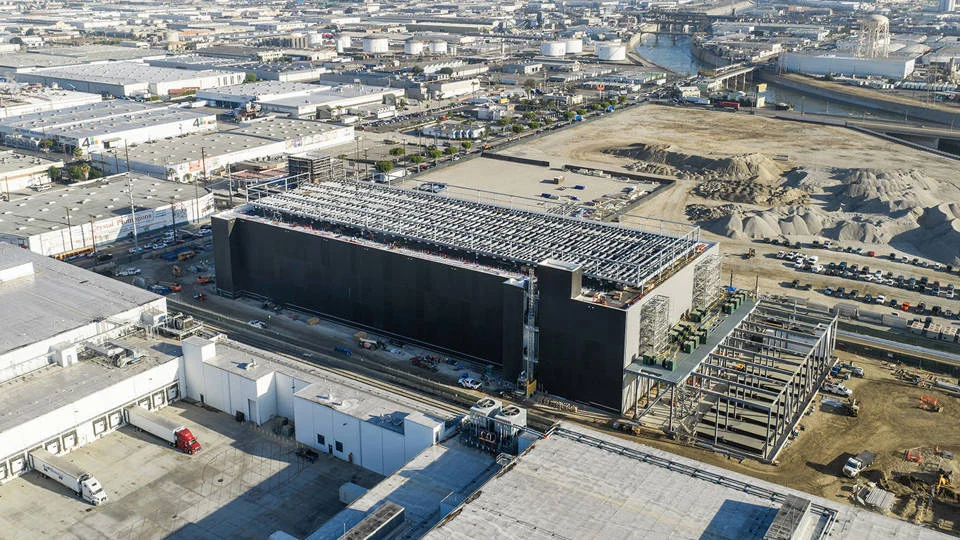
Tech giants, private equity firms, and specialized infrastructure funds are pouring trillions of dollars into semiconductor fabrication plants, massive data centers, specialized energy grids, and next-generation cooling systems.
This insatiable corporate demand for capital is colliding directly with public sector financing needs. Governments worldwide are grappling with mounting debt loads and persistent fiscal deficits, largely inherited from pandemic-era stimulus, geopolitical shocks, and structural spending pressures.
As a result, the race to finance AI infrastructure is actively driving up global borrowing costs. This dynamic creates a precarious economic vulnerability: if the AI investment boom encounters market saturation, supply chain bottlenecks, or a downward revision in enterprise adoption rates, falling equity and asset valuations could abruptly choke off financing pipelines.
Worse still, because central banks and state treasuries are already stretched thin by high sovereign debt burdens, policymakers would have precious little room left to deploy monetary or fiscal policy to cushion a potential economic shock.
Chronology
To understand how the global economy arrived at this juncture of intertwined technological exuberance and sovereign fiscal strain, it is necessary to trace the timeline of events leading up to late 2026:
- Late 2022 – Throughout 2023: The public debut of generative AI models ignites a global technological gold rush. Venture capital, corporate R&D budgets, and public markets pivot aggressively toward artificial intelligence, viewing it as the definitive engine for future productivity.
- Throughout 2024: Capital expenditures (CapEx) by major hyperscalers (such as Microsoft, Google, Amazon, and Meta) surge by unprecedented double-digit percentages quarter-over-quarter. Concurrently, central banks in developed economies keep interest rates elevated or slow to cut them to combat lingering inflationary pressures, setting the stage for a competition for capital between the private and public sectors.
- Throughout 2025: The demand for specialized hardware—specifically advanced Graphics Processing Units (GPUs) and high-bandwidth memory—strains global supply chains. To secure computing power, tech firms begin issuing corporate bonds at scale, while energy markets face acute pressure to power massive new data center hubs. Meanwhile, sovereign debt-to-GDP ratios in major economies hover near historic highs, and bond yields drift upward due to heavy debt issuance.
- Early – Mid 2026: The IMF and other multilateral institutions begin issuing explicit warnings regarding financial stability. Analysts note that corporate debt issuance for AI infrastructure is beginning to crowd out traditional corporate borrowers and compete directly with sovereign debt auctions for institutional investor capital.
- October 2026: The IMF releases updated forecasts showing that while AI could boost global growth by 0.5 percentage points annually over the decade, the financial mechanisms funding this boom are introducing systemic vulnerabilities. Bond markets show heightened sensitivity to tech sector earnings reports, signaling a dangerous correlation between speculative technology valuations and broader macroeconomic stability.
Supporting Data
The scale of the current financial entanglement between the artificial intelligence sector and global capital markets is reflected in several key metrics and economic indicators:
- Growth Projections vs. Capital Realities: The IMF’s baseline economic models suggest that successful integration of AI across industries could elevate global GDP growth from 3% to 3.5% annually over the next ten years. Yet, achieving this outcome requires front-loaded investments estimated in the trillions of dollars.
- Corporate CapEx Acceleration: Combined capital expenditures by the world’s leading technology enterprises dedicated to data infrastructure and AI hardware have risen sharply, outpacing historical investments in telecom or energy transitions over similar timeframes.
- Sovereign Debt Pressures: Global public debt remains near historic highs relative to global GDP. Persistent fiscal deficits in major economies mean that sovereign issuers must continually roll over maturing debt at significantly higher interest rates than those seen in the decade following the 2008 financial crisis.
- Yield Curve and Borrowing Cost Dynamics: The heavy issuance of both corporate technology debt and sovereign bonds has exerted upward pressure on long-term bond yields. Yields on benchmark 10-year sovereign debt reflect a risk premium driven not only by inflation expectations, but also by the sheer volume of capital demanded by competing market sectors.
- Energy and Infrastructure Inputs: Data center power consumption is projected to double or triple in key regions by the end of the decade, requiring multi-billion-dollar investments in electrical grid modernization that further draw upon global savings pools.
Official Responses
As the macroeconomic implications of the AI investment cycle become clearer, policymakers, central bankers, and international financial institutions have begun adjusting their stances.
International Monetary Fund (IMF) and Multilateral Bodies
IMF officials have acknowledged the immense long-term productive capacity of artificial intelligence, categorizing it as a potential structural game-changer for labor productivity and global trade. However, multilateral surveillance reports have increasingly highlighted the "crowding out" effect.
Financial stability boards have pointed out that when corporations offer attractive yields to finance high-risk, high-reward tech infrastructure, institutional investors—such as pension funds and insurance companies—shift capital away from sovereign debt or traditional industrial loans. This dynamic forces governments to pay higher coupons to attract buyers for their bonds, directly worsening fiscal deficits.
Central Banks and Fiscal Authorities
Central bankers in Washington, Frankfurt, and London find themselves trapped between conflicting mandates. While monetary policy has historically responded to asset bubbles or sharp corrections by cutting interest rates and providing liquidity, doing so in an environment of persistent fiscal deficits and stubborn debt loads risks reigniting inflation or destabilizing currency values.
Fiscal authorities, meanwhile, are facing political pressure to subsidize domestic semiconductor manufacturing and AI research to maintain geopolitical competitiveness, further straining public coffers just as borrowing costs peak.
Technology Sector Executives
Industry leaders defend their aggressive capital expenditure programs by pointing to immediate enterprise demand, efficiency gains, and the existential nature of the technological shift. Executives argue that under-investing in AI infrastructure poses a far greater risk to corporate viability than over-investing.
However, corporate investor relations departments have faced increasing scrutiny from institutional shareholders regarding the timeline for monetization, with markets demanding clearer visibility on return on investment (ROI) amid rising corporate debt levels.
Implications
The convergence of aggressive AI infrastructure financing and fragile sovereign balance sheets carries profound implications for the global economy over the remainder of the decade.
1. The Risk of a Feedback Loop and Asset Contagion
Should the AI investment boom experience a correction—whether driven by slower-than-expected enterprise adoption, regulatory headwinds, or energy constraints—the financial fallout would not remain confined to Silicon Valley or tech-heavy stock indices. Because tech firms have increasingly tapped institutional debt markets, and because broader equity markets are heavily weighted toward AI-adjacent companies, a sharp decline in valuations could trigger a credit crunch. A sudden repricing of tech assets could impair bank balance sheets and institutional portfolios, tightening financial conditions economy-wide.
2. The Exhaustion of Policy Buffers
In past economic downturns—such as the 2008 financial crisis or the 2020 pandemic shock—governments and central banks deployed aggressive monetary easing and large-scale fiscal stimulus to absorb the blow. Today, that playbook is largely unavailable.
With public debt at record highs and central banks cautious about loosening policy prematurely, governments lack the fiscal space to bail out distressed sectors or stimulate aggregate demand without risking sovereign debt downgrades or currency depreciation. If an AI-led market downturn coincides with a broader economic slowdown, policymakers will find their toolkits severely depleted.
3. Structural Shifts in Capital Allocation
The competition for capital between the digital economy and the physical public sector underscores a fundamental question for the future: how society allocates scarce financial resources. If trillions of dollars continue to be funneled primarily into digital infrastructure, traditional sectors—such as housing, healthcare, traditional manufacturing, and public infrastructure—may face chronic underinvestment, exacerbating social and economic imbalances.
Conclusion
Artificial intelligence remains one of the most powerful engines of potential economic transformation in modern history. Yet, the financial architecture supporting its current buildout is placing immense strain on a global economy already weighed down by sovereign debt and high borrowing costs. Navigating this decade successfully will require disciplined capital allocation, realistic revenue expectations from enterprise AI integration, and renewed fiscal prudence by governments to ensure that the pursuit of technological progress does not compromise broader macroeconomic stability.