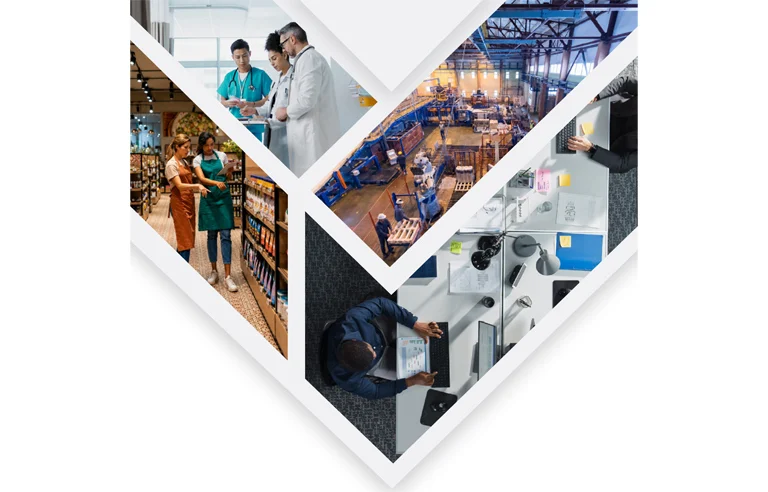
In the modern landscape of corporate offices, remote work setups, and high-paced industrial floors, the human body is increasingly subjected to a silent, compounding hazard: static loading. Whether tethered to a desk staring at a dual-monitor display for eight hours or repeating the same assembly line motion hundreds of times per shift, workers are pushing their physical limits. The cost of this relentless output manifests as musculoskeletal disorders (MSDs), chronic fatigue, diminished cognitive function, and skyrocketing rates of absenteeism.
However, a paradigm shift is underway in occupational health and safety. Organizations are moving away from the outdated notion of uninterrupted productivity toward a science-backed intervention that requires merely seconds or minutes to execute: the microbreak.
Backed by institutional guidance from entities like Stanford Environmental Health and Safety (EHS), safety professionals are championing microbreaks not as a loss of productive time, but as an essential investment in human sustainability. By integrating brief, purposeful pauses into the daily routine, employers can protect their workforce from repetitive strain injuries while simultaneously boosting mental clarity and engagement.
Main Facts: What Are Microbreaks and Why Do They Matter?
To understand the efficacy of microbreaks, one must first look at the physiological toll of sustained, repetitive work. When a worker remains in a fixed posture—be it sitting, standing, or gripping a tool—muscles contract continuously to maintain that position. This continuous contraction restricts blood flow, leading to a localized buildup of metabolic waste products, oxygen deprivation, and premature muscle fatigue. Over time, this micro-trauma accumulates, resulting in chronic pain, cumulative trauma disorders (CTDs), and severe ergonomic injuries.
According to Stanford Environmental Health and Safety, microbreaks are defined as “short pauses” that allow employees to “take their focus off the task at hand” and “give the legs, back, neck, and eyes a chance to rest.”
Unlike traditional fifteen-minute coffee breaks or standard lunch hours, microbreaks are brief—lasting anywhere from 30 seconds to five minutes—and are integrated frequently throughout the workday. They are designed to interrupt the monotony of static loading before fatigue sets in.
The primary components of a microbreak include:
- Physical Decompression: Shifting posture, standing up, stretching tight hip flexors, and releasing tension in the neck and shoulders.
- Ocular Relief: Resting the eyes from the harsh glare of digital screens by utilizing techniques like the 20-20-20 rule.
- Cognitive Reset: Shifting mental focus away from complex problem-solving or data entry, allowing the brain’s executive function networks to momentarily recharge.
Chronology: The Evolution of Workplace Rest Paradigms
The journey from the rigid industrial work schedules of the early 20th century to the holistic ergonomic frameworks of today has been long and data-driven. Understanding how we arrived at the era of the microbreak highlights the changing philosophy of labor management.
The Industrial Era: The Fixed-Interval Model
In the early days of mass production, workplace rest was viewed purely through the lens of physical exhaustion. Taylorism (Scientific Management) attempted to optimize human labor by calculating exact work-to-rest ratios, but these were typically limited to fixed, mandated meal breaks and single shift-long rest periods. The underlying assumption was that workers were machines that only needed fuel at designated intervals.

The Rise of Office Automation (1980s–1990s)
As personal computers flooded corporate offices in the late 20th century, a new category of workplace injuries emerged. Carpal tunnel syndrome, tendonitis, and Computer Vision Syndrome (CVS) became prevalent. Safety engineers realized that the human body was not designed for eight hours of continuous keyboard input and mouse navigation. Initial guidelines suggested standing up once an hour, but adherence was low, and cumulative trauma rates continued to climb.
The Ergonomic Renaissance and the Microbreak Concept (2000s–Present)
Entering the 21st century, occupational health researchers began studying the effects of high-frequency, low-duration pauses. Studies in ergonomics demonstrated that waiting until a worker was entirely fatigued before offering a break was counterproductive; recovery took significantly longer.
Institutions like Stanford EHS and the National Institute for Occupational Safety and Health (NIOSH) began formalizing the concept of the microbreak. Instead of waiting for a mandated two-hour interval, workers were encouraged to self-regulate through intermittent, short pauses. Today, specialized software reminders, smart wearables, and corporate wellness policies actively prompt employees to step away from their workstations for brief restorative intervals, marking a complete cultural transformation in how work and rest are balanced.
Supporting Data: The Science and Statistics of Short Pauses
The argument for microbreaks is not merely theoretical; it is underpinned by a robust body of biomechanical, psychological, and epidemiological research.
Musculoskeletal Relief and Blood Flow
Research in occupational biomechanics shows that even a 30-second break every 20 to 30 minutes can dramatically alter muscle activity patterns. When a worker stands up or alters their posture, blood flow to compressed capillaries increases by up to several hundred percent. This flushes out lactic acid and restores oxygen levels in postural muscles, significantly lowering the risk of chronic lower back pain and myofascial pain syndrome.
Visual Fatigue and Ocular Health
With the average knowledge worker spending upwards of seven hours a day staring at screens, Computer Vision Syndrome has reached near-epidemic levels. Symptoms include dry eyes, blurred vision, headaches, and neck strain. Clinical data indicates that taking a 20-second microbreak to look at an object 20 feet away (the 20-20-20 rule) reduces accommodation spasm (eye-focusing muscle fatigue) and stabilizes the tear film on the surface of the eye.
Cognitive Performance and Productivity Metrics
A common misconception among employers is that stepping away from a task decreases productivity. However, psychological studies—including research from the University of Illinois—reveal the opposite. The brain’s ability to maintain focus on a single task over a prolonged period naturally degrades due to a phenomenon known as "vigilance decrement."
Brief mental diversions or microbreaks act as a cognitive reset button. Studies measuring output on sustained attention tasks demonstrate that individuals who incorporate short, regular breaks maintain a more stable level of performance, whereas those who push through continuous hours experience sharp declines in accuracy, problem-solving capability, and decision-making quality.
Official Responses: What Safety Authorities and Institutions Advise
Leading health, safety, and academic organizations have codified these findings into actionable guidelines. Environmental Health and Safety departments across major universities and corporations are leading the charge.

Stanford Environmental Health and Safety (EHS) Guidelines
Stanford EHS emphasizes that microbreaks should be seamlessly integrated into the natural workflow. Rather than viewing a break as an interruption, employees are encouraged to view it as a necessary maintenance cycle for the human body. Stanford’s recommendations focus on relieving pressure points across four key areas:
- The Legs: Preventing venous stasis and stiffness by standing up, walking a short distance, or doing gentle calf raises.
- The Back: Counteracting the flexed spinal posture of prolonged sitting by performing gentle back extensions and postural realignments.
- The Neck: Relieving tension in the cervical spine through slow, controlled head rotations and chin tucks.
- The Eyes: Defocusing from digital displays to reduce ciliary muscle fatigue.
The Board of Certified Safety Professionals (BCSP) Perspective
The BCSP continually reinforces the importance of proactive ergonomics in maintaining occupational safety standards. Certified safety professionals are trained to evaluate not just heavy lifting and industrial hazards, but also sedentary office environments. Incorporating microbreak protocols into corporate safety programs is increasingly recognized as a vital component of total worker health (TWH) initiatives, earning safety professionals recertification credits and driving organizational compliance.
Implications: Transforming Workplace Culture and Future-Proofing Labor
The widespread adoption of microbreaks carries profound implications for the future of work, affecting everything from healthcare costs to corporate culture.
Reducing Workers’ Compensation Claims
Musculoskeletal disorders represent one of the largest categories of workers’ compensation claims globally. By mitigating repetitive strain and postural fatigue through microbreaks, companies can drastically reduce the incidence of carpal tunnel syndrome, herniated discs, and chronic repetitive motion injuries. This translates into direct financial savings for organizations through reduced insurance premiums and lower turnover rates.
Cultural Shifts: Quality Over Pure Chronological Presence
For decades, workplace culture has often rewarded "presenteeism"—the act of sitting at a desk for long, unbroken hours, regardless of actual output or physical discomfort. Championing microbreaks signals a cultural shift toward outcomes-based productivity. When leadership models and encourages taking short pauses, it destigmatizes rest and communicates that employee health is a top organizational priority.
The Role of Technology in Facilitating Breaks
Ironically, the very technology that necessitates microbreaks is now being used to enforce them. A burgeoning market of ergonomic software applications now runs quietly in the background of desktop computers, prompting users with gentle visual or auditory cues to stretch, look away from the screen, or adjust their posture every 30 to 60 minutes. Wearable fitness trackers are also evolving to monitor physical inactivity and prompt movement alerts.
Summary: The Path Forward
As the modern workplace continues to evolve—embracing hybrid models, intensive desk work, and high-speed manufacturing—the health of the worker remains the single most critical variable in organizational success. Microbreaks offer a low-cost, high-yield solution to the physical and mental tolls of modern labor. By listening to institutional guidance from experts like Stanford EHS and embedding intentional pauses into the daily routine, employers and employees alike can build a more sustainable, resilient, and productive future.