





By Industry Insights Editorial Staff
In the modern landscape of heavy equipment manufacturing, the hydraulic cylinder—once the humble, predictable workhorse of industrial machinery—has undergone a radical transformation. Today, these components are no longer confined to the steady, controlled environments of the past. Instead, they are subjected to punishing duty cycles, extreme temperature gradients ranging from sub-Arctic freezes to desert heat, and pressures that push the limits of material science.
As Michael Cook, Global Segment Director for Off-Highway at Trelleborg Sealing Solutions, observes, the paradigm of the "standalone component" is effectively dead. For original equipment manufacturers (OEMs), the challenge of the next decade lies in transitioning from a piecemeal procurement strategy to a comprehensive, systems-based approach to sealing.
Main Facts: The New Reality of Fluid Power
The fundamental shift in the hydraulic sector is driven by a "perfect storm" of performance demands and regulatory constraints. Hydraulic systems are now expected to operate longer, harder, and cleaner than ever before.
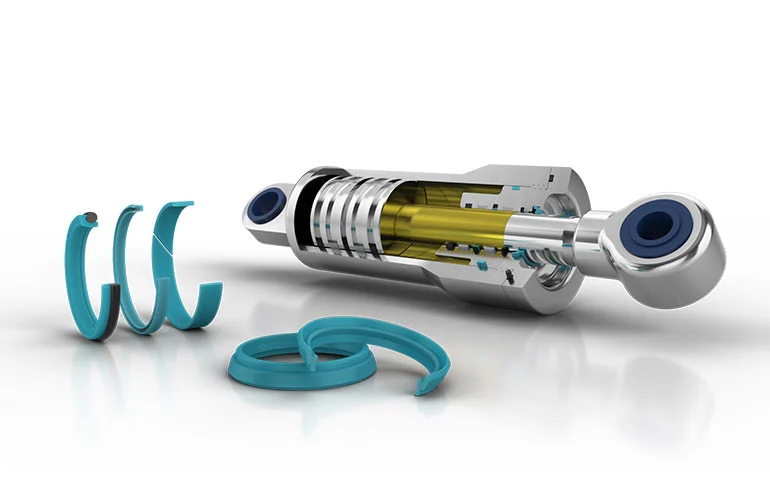
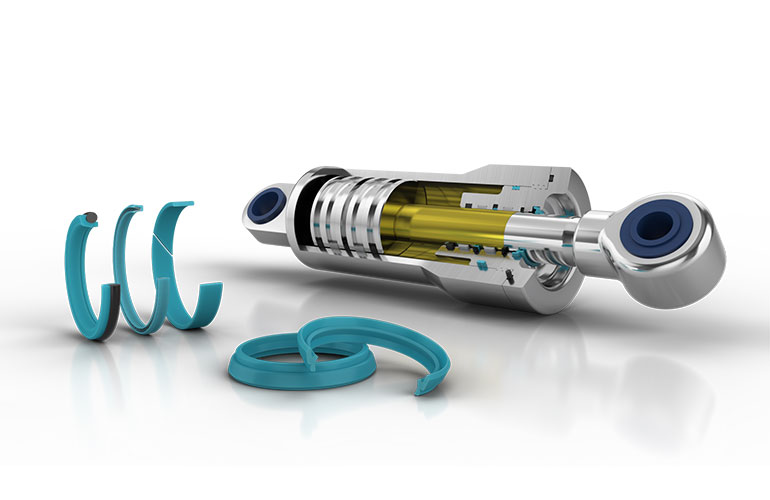
The core issue is that seals, which were once designed to sit in a gland and perform a singular function, must now act as the primary defense mechanism against a complex set of variables. These variables include:
- Dynamic Thermal Fluctuations: The need for consistent performance as equipment moves through extreme climates.
- Advanced Fluid Compatibility: The introduction of new, synthetic, and biodegradable hydraulic fluids that interact differently with traditional elastomer and polymer compounds.
- Regulatory Compliance: The aggressive global phase-out of PFAS (per- and polyfluoroalkyl substances) and the move toward chrome-free surface coatings.
- System Pressure Escalation: Higher operating pressures required for modern high-efficiency equipment are leading to accelerated wear rates in seals designed for legacy applications.
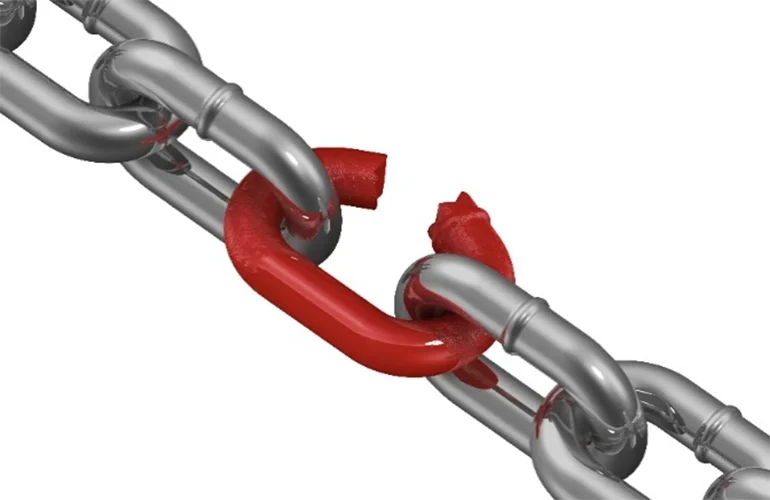
The central thesis held by industry leaders is that a seal optimized in isolation is a liability. If a seal is tested in a vacuum, its failure in the field is not a matter of "if," but "when."
Chronology: From Static Components to Integrated Systems
The evolution of hydraulic sealing can be categorized into three distinct eras:
1. The Era of Standardization (1970s–2000s):
During this period, the industry relied heavily on standardized catalog components. If a cylinder required a seal, an engineer pulled a part number from a book. The material science was static, primarily based on established nitrile rubber and standard PTFE compounds. Reliability was achieved through over-engineering—designing components far stronger than necessary to account for the lack of specialized performance.
2. The Era of Specialization (2010–2020):
As OEMs pushed for lighter, more efficient machinery, the "one-size-fits-all" approach faltered. Companies began seeking custom geometries. This era saw the rise of CAD-driven design, where seal profiles were tweaked to handle specific pressure spikes. However, the connection between the material and the geometry remained largely siloed; material experts and design engineers rarely worked in tandem.
3. The Era of Systems Integration (2020–Present):
We are currently in the midst of a transition where materials, hardware, and simulation software are integrated into a single, cohesive unit. This is a reaction to the complexity of the modern regulatory and operational environment. The industry is now moving toward a "total cost of ownership" (TCO) model, where the seal is viewed as a high-tech component that determines the longevity of the entire machine.
Supporting Data: The Cost of Isolation
To understand why the systems approach is gaining traction, one must look at the financial implications of failure. While a high-quality, systems-engineered seal may carry a higher upfront cost than a generic catalog item, the economic argument for integration is compelling.
- Downtime Economics: In large-scale mining or agriculture, a single cylinder failure can lead to equipment downtime costing thousands of dollars per hour.
- Verification Burden: When an OEM sources components from five different vendors, the burden of testing how those parts interact—and ensuring they are compatible with the machine’s fluid—falls on the OEM. By utilizing a systems-level partner, that burden is shifted to the supplier, who provides a validated, pre-tested solution.
- Regulatory Resilience: The shift away from traditional PTFE polymers due to PFAS legislation has rendered many legacy designs obsolete. Data shows that simply swapping a material in an old design leads to a 30% increase in premature failure rates due to improper swelling or thermal expansion characteristics.
Official Perspective: Insights from Trelleborg Sealing Solutions
Michael Cook emphasizes that the future of the industry lies in the marriage of advanced chemistry and digitalization. According to Trelleborg, the goal is to stop treating sealing as an afterthought.
"We are moving away from generic, catalog-based products toward specialized systems engineering," says Cook. "The key is simulation. We cannot physically test every iteration of material and geometry against every possible operating condition; the lead times would be impossible. By utilizing Finite Element Analysis (FEA) and proprietary material databases, we can virtually test a system to exhaustion before a single prototype is machined."
This approach allows for "digital twinning" of the sealing system. By simulating the interaction between the seal, the hydraulic fluid, and the cylinder surface, engineers can predict wear patterns, thermal degradation, and leakage risks with high accuracy. This reduces the time-to-market for new machines while significantly increasing the confidence level of the final product.
Implications: The Future for OEMs
A Holistic Approach to Material Science
The regulatory pressure on PFAS and other materials is driving a revolution in chemistry. We are seeing the introduction of materials once deemed too exotic for hydraulic applications—such as specialized PEEK (polyetheretherketone) or advanced polyamides—into mainstream sealing. Because these materials behave differently under stress, they require custom-engineered geometries. The implication is that material science now dictates geometry, and geometry dictates the material’s success. They can no longer be separate disciplines.
Global Standardization vs. Local Responsiveness
The most successful OEMs are those that treat their sealing strategy like a world-class orchestra. By coordinating expertise across global regions, companies can ensure that a "best practice" developed in one market (e.g., a high-temperature seal design for the Middle East) can be adapted and applied globally. This creates a unified standard of performance while allowing for the necessary local adjustments to comply with regional regulations or fluid types.
The Shift to Total Cost of Ownership (TCO)
Perhaps the most profound change is the shift in procurement philosophy. Forward-thinking OEMs are moving away from "lowest unit price" bidding and toward "cost-per-hour" or "cost-per-cycle" metrics. By partnering with a sealing provider who offers kitting, part marking, and system-level accountability, OEMs are effectively outsourcing a portion of their risk.
This model also protects aftermarket revenue. By utilizing proprietary, systems-engineered seals, OEMs can ensure that replacement parts maintain the original performance specifications, preventing the "performance drift" that occurs when customers use cheap, non-compatible aftermarket seals.
Conclusion: The Path Forward
The challenges facing hydraulic OEMs—higher pressures, stricter efficiency standards, and a rapidly changing regulatory landscape—are not going away. In fact, they are accelerating.
The path forward for the industry is clear: the siloed, component-based procurement model is no longer viable. Success in the next era of fluid power will belong to those who adopt a systems-first philosophy. By integrating material science, advanced FEA simulation, and holistic design, OEMs can transform their sealing solutions from a potential point of failure into a strategic competitive advantage.
As we look toward the future, the integration of the sealing system into the very heart of the machine’s design cycle is not just an engineering preference—it is a commercial imperative for any manufacturer looking to thrive in the high-stakes world of modern hydraulics.