





In a move aimed at maintaining diplomatic breathing room, the U.S. government has proposed an extension of the suspension on punitive port fees targeting China-linked vessels. According to a Federal Register notice slated for publication on October 26, the Office of the U.S. Trade Representative (USTR) intends to keep these charges on hold until January 9, 2027. This two-month extension provides a critical window for Washington and Beijing to continue high-stakes negotiations concerning China’s dominant position in the global shipbuilding sector.
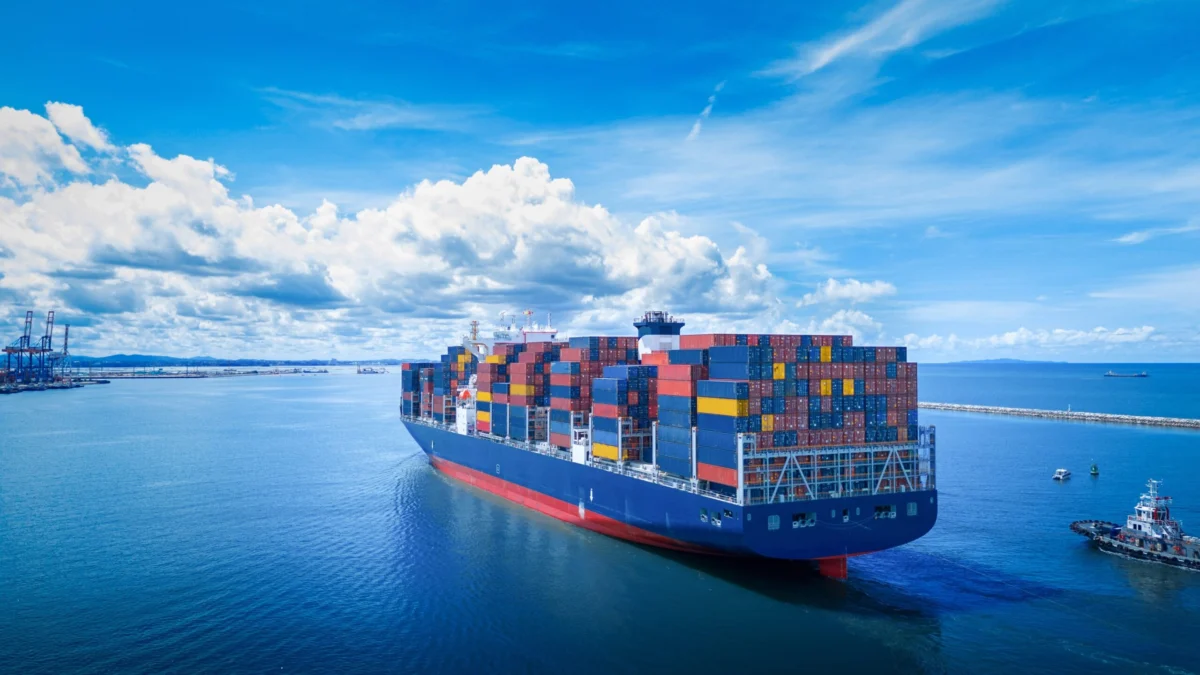
If adopted, this proposal would prevent the current suspension—set to expire on November 9—from lapsing, thereby maintaining the status quo for an additional 60 days. The proposed measures, which have been a point of significant contention in bilateral trade relations, target Chinese-owned, Chinese-operated, and Chinese-built vessels, as well as specific foreign-built vehicle carriers and equipment such as ship-to-shore cranes.
A Chronology of the Maritime Trade Conflict
The current maritime standoff is the culmination of years of escalating tensions regarding industrial subsidies and competitive fairness.
The Section 301 Genesis
The origin of these fees lies in a Section 301 investigation launched during the Biden administration. Prompted by a 2024 petition from the United Steelworkers and other labor organizations, the investigation sought to address findings that Chinese industrial policies and aggressive state subsidies were stifling competition and causing irreparable harm to U.S. commercial interests.
The 2025 Flare-up and Truce
The situation reached a fever pitch in late 2025. The U.S. officially began collecting China-related port fees on October 14, 2025. However, the implementation was short-lived. Following a breakthrough summit between President Donald Trump and Chinese President Xi Jinping in South Korea, both nations agreed to a "maritime trade truce." On November 10, 2025, the U.S. suspended the fees, and China concurrently paused retaliatory charges targeting U.S.-linked vessels. Consequently, the punitive measures remained in active force for less than four weeks.
The Current Extension
The USTR’s latest proposal to extend the suspension until January 2027 reflects the administration’s stated commitment to finding a negotiated solution rather than a prolonged trade war. “The United States is continuing to engage with China with the goal of obtaining the elimination of the acts, policies, and practices at issue in the investigation,” the USTR stated in its recent notice.
Supporting Data: The Great Shipbuilding Divide
At the heart of this conflict is a staggering disparity in global industrial capacity. Data frequently cited by proponents of the port fees illustrates why the U.S. government feels compelled to act, even at the risk of higher consumer costs.
- Market Dominance: China currently accounts for more than 50% of global commercial vessel production. In contrast, the U.S. market share remains anemic, hovering at approximately 0.1%.
- Economic Impact of Fees: When the fees were active in 2025, the economic friction was immediate. Matson, a U.S. carrier, reported incurring $6.4 million in retaliatory Chinese fees during that brief window. On the other side of the ledger, COSCO, China’s state-owned shipping giant, faced estimated annual U.S. charges of $1.5 billion.
- The Maritime Security Trust Fund: The broader Trump administration "Maritime Action Plan" proposed a massive infusion of capital into the U.S. shipbuilding sector. The plan suggested levying charges between 1 cent and 25 cents per kilogram on imported cargo. Projections indicated that the highest rate could generate up to $1.5 trillion over a decade, though economists remain divided on whether such a tax burden would ultimately be absorbed by consumers.
Official Responses and Political Friction
The administration’s decision to extend the suspension has drawn sharp criticism from lawmakers and labor advocates who believe the U.S. is losing leverage in the negotiations.
The Congressional Pushback
In June, a bipartisan pair of senators—Mark Kelly (D-AZ) and Elizabeth Warren (D-MA)—sent a pointed letter to U.S. Trade Representative Jamieson Greer. The senators argued that the ongoing suspension of Section 301 fees is actively undermining the U.S. domestic shipbuilding industry.
"Section 301 port fees are critical to revitalizing U.S. shipbuilding," the lawmakers wrote. They further questioned the administration’s strategy, asking what tangible concessions Washington has actually secured from Beijing in exchange for these repeated pauses. Furthermore, they raised concerns regarding the fiscal viability of the proposed Maritime Security Trust Fund, which relies on the revenue that these fees were intended to generate.
The Shipping Industry Perspective
Conversely, the shipping industry has breathed a sigh of relief. For companies like Atlantic Container Line (ACL), the fees were not merely an economic burden; they were a threat to operational viability.
ACL CEO Andy Abbott has been vocal about the dangers of the proposed levies. He noted that during the short period the fees were active, his company faced significant pressure. Abbott emphasized that the classification of his vessels as "vehicle carriers" was inaccurate, as automobiles constitute only 1% of their cargo. He warned that if the fees were reinstated, carriers might be forced to abandon U.S. routes in favor of the more lucrative and less restricted China trade, potentially damaging the U.S. export economy.
Major international bodies, including the International Chamber of Shipping (ICS) and the World Shipping Council, have also warned that a cycle of retaliatory port fees could lead to a catastrophic breakdown in global supply chain efficiency, driving up costs for importers, exporters, and consumers globally.
Implications for the Future of Global Trade
The proposed extension of the fee suspension until January 2027 carries profound implications for the maritime industry and the broader geopolitical landscape.
A Test of Diplomatic Will
By pushing the deadline into 2027, the U.S. government is signaling that it prefers a comprehensive, negotiated settlement over unilateral, short-term protectionist measures. However, the lack of a guarantee that China will extend its own retaliatory pause creates a lingering uncertainty. If Beijing chooses not to mirror the U.S. extension, the administration could face renewed domestic political pressure to drop the truce and re-impose the fees.
The Cost of Protectionism
The debate highlights a classic trade policy dilemma: the tension between protecting domestic manufacturing and maintaining affordable access to international logistics. While building a robust U.S. shipbuilding sector is a stated national security goal, the sheer scale of the global shipping infrastructure—which is deeply integrated with Chinese ports and shipyards—makes a clean break nearly impossible without causing significant economic disruption.
Public Comment Period
As the administration prepares for a final decision, stakeholders have one last opportunity to weigh in. The USTR is accepting public comments on the proposal through 5 p.m. Eastern Time on October 30. Submissions can be filed via the official government portal under docket USTR-2026-0694.
The outcome of this process will not only determine the fate of the port fees but will also serve as a barometer for the future of U.S.-China maritime relations. Whether the administration opts to maintain the status quo or eventually yields to the mounting pressure from labor unions and protectionist-leaning lawmakers remains to be seen. For now, the global shipping industry remains in a state of suspended animation, awaiting a definitive path forward.