





By Mason Wakley | 12 May 2026
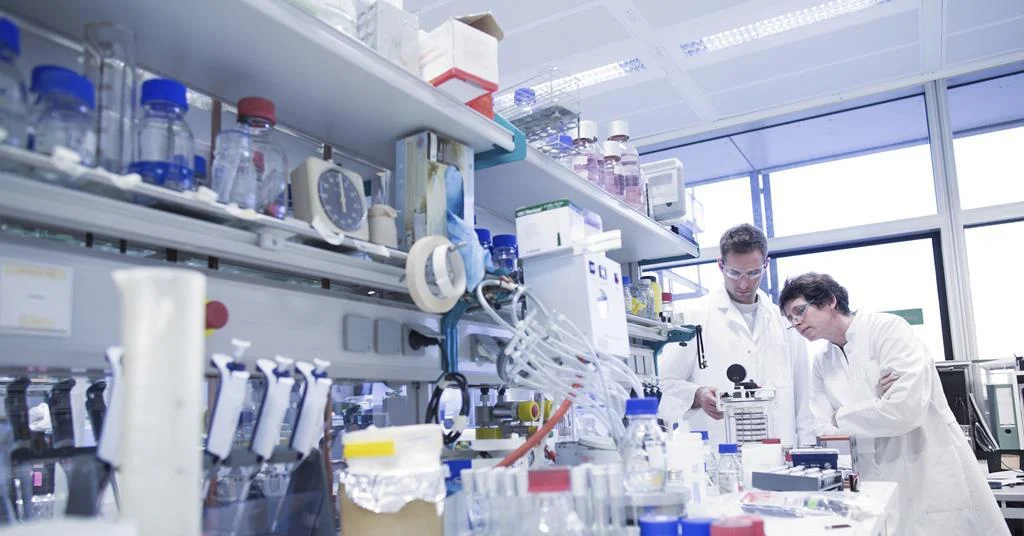
The laboratory is often romanticized as a sanctuary of discovery, a crucible where the next generation of scientific breakthroughs is forged through curiosity and rigorous inquiry. However, a sweeping new study suggests that for many early-career researchers (ECRs), this environment is less a sanctuary and more a pressure cooker—one where the temperature is controlled by a single, pivotal figure: the supervisor.
A comprehensive survey of over 2,600 early-career researchers spanning 65 countries has revealed a sobering reality regarding the academic hierarchy. According to the findings, which were released this week as a preprint, a staggering 76% of respondents reported that their direct supervisor has had a moderate to severe impact on their mental health. This research, while currently awaiting peer review, provides empirical weight to long-standing anecdotal reports of burnout, anxiety, and toxic power dynamics within the scientific community.
The Weight of Authority: Main Facts of the Study
The survey, which targeted PhD students, postdoctoral researchers, and early-stage faculty, sought to quantify the "mentorship gap" in modern academia. The primary finding is unambiguous: the relationship between a supervisor and their mentee is the single most significant determinant of a researcher’s wellbeing.
The 76% statistic serves as a stark indictment of current management practices in research institutions. When researchers were asked to categorize the nature of this impact, respondents frequently cited a lack of professional boundaries, inconsistent expectations, and, in some cases, overt hostility. The data suggests that for the vast majority of ECRs, the supervisor is not merely an academic advisor but the primary arbiter of their psychological state.
The researchers behind the study argue that this power imbalance is baked into the structure of academia. Because a supervisor holds the keys to funding, authorship credit, and future career letters of recommendation, ECRs are often structurally incapable of addressing toxic behavior without jeopardizing their entire career trajectory.
A Chronology of a Growing Crisis
The conversation surrounding mental health in academia did not emerge in a vacuum. To understand the gravity of these findings, one must look at the timeline of a shifting academic culture:
- Pre-2015: Mental health in academia was largely relegated to the "hidden curriculum"—a personal struggle to be endured in silence. The "publish or perish" culture was viewed as a necessary rite of passage.
- 2015–2019: The first wave of major surveys, including those from Nature and various institutional bodies, began to reveal that PhD students were up to six times more likely to experience depression and anxiety than the general population.
- 2020–2022: The global pandemic acted as a massive accelerant. With labs shuttered and experiments stalled, the lack of institutional support structures became glaring. The focus shifted from "personal resilience" to "institutional responsibility."
- 2023–2025: A period of intense advocacy saw the rise of graduate student unions and postdoctoral associations demanding systemic changes to tenure-track incentives, which often prioritize research output over the quality of mentorship.
- May 2026: The current study provides the most internationalized look at the crisis to date, moving the discourse away from regional complaints toward a global systemic failure.
Supporting Data: The Anatomy of Burnout
The survey data offers a granular look at what exactly constitutes a "moderate to severe" impact. When researchers drilled down into the mechanics of these relationships, several key themes emerged:
The "Invisible" Workload
Many ECRs reported that supervisors often conflate "mentorship" with "unpaid labor exploitation." Respondents noted that their mental health deteriorated when their workload was consistently expanded to include tasks that did not contribute to their professional development, such as excessive administrative duties or personal errands for faculty members.
The Feedback Vacuum
A significant portion of the survey focused on communication styles. Researchers who received erratic, harsh, or nonexistent feedback reported significantly higher levels of impostor syndrome and anxiety. The data suggests that when a supervisor fails to provide constructive, consistent guidance, the ECR’s psychological wellbeing suffers as they navigate the uncertainty of their own progress.
Geographical Disparities
While the 76% figure was consistent globally, the nature of the pressure varied. In highly competitive Western markets, the pressure was often linked to grant-seeking and publication volume. In emerging research hubs, the lack of resources and inadequate institutional oversight were cited as primary stressors.
Official Responses: Institutions at a Crossroads
The release of the preprint has triggered a flurry of activity within university administrative offices and scientific funding bodies.
"The findings are deeply concerning, but they mirror what we have heard in internal climate surveys," noted a spokesperson for a leading international science funding agency. "We have long incentivized the ‘star’ researcher, but we have failed to incentivize the ‘star’ mentor. That is a policy failure that we are currently looking to rectify."
However, not all reactions have been welcoming. Some senior faculty members have expressed concern that the study might further strain the relationship between mentors and mentees, arguing that the pressures of academia are systemic and cannot be placed solely on the shoulders of individual supervisors.

"Mentorship is hard, and it is under-resourced," said one anonymous department head at a Tier-1 research university. "We are often training researchers to be scientists, not managers. We expect them to lead labs, hire staff, and navigate international bureaucracies, yet we offer them zero training in human resource management or conflict resolution. The survey highlights a symptom, but the disease is our lack of institutional infrastructure for mid-career faculty."
Implications: A Call for Radical Reform
The implications of this study are profound. If the scientific community wishes to remain a viable career path for the brightest minds, the current model of "apprenticeship" needs to be dismantled and rebuilt.
Mentorship as a Core Metric
The authors of the study suggest that universities must move beyond the current practice of evaluating faculty solely on h-index and grant funding. They argue for a "mentorship score"—a transparent metric that includes feedback from current and former students, which should carry as much weight as publication metrics when it comes to tenure and promotion.
Decoupling Funding from Individual Supervisors
One of the most radical, yet increasingly popular, proposals is the decoupling of funding from a single supervisor. If students and postdocs had more agency over their own funding (via fellowships or institutional support), the leverage that toxic supervisors currently wield would be significantly diminished. This would allow ECRs to change labs or report misconduct without the threat of total professional erasure.
Mandatory Management Training
The era of the "unsupervised supervisor" must end. The study recommends that every principal investigator (PI) undergo mandatory, recurring training in leadership, mental health first aid, and conflict resolution. This is not about "soft skills," but about the survival of the scientific enterprise.
Redefining Research Culture
Finally, the findings highlight the need for a shift in research culture. The "hero scientist" archetype—the lone genius who works 80 hours a week—is an unsustainable model that actively excludes those with families, chronic health conditions, or simply a desire for a balanced life. By recognizing mentorship as a core component of research excellence, institutions can begin to foster an environment where discovery is not built on the wreckage of the researcher’s mental health.
As the scientific community digests these findings, the path forward is clear: the data provides a mirror, and the reflection is uncomfortable. To ensure that the next generation of researchers can thrive, institutions must stop prioritizing the output of the lab at the expense of the humanity of those who work within it. The era of silence is coming to an end; the era of accountability must follow.