Published: October 6, 2026 By: Zoya Mirza (Adapted by ESG & Supply Chain Editorial Desk)
Main Facts
In a landmark move to address the environmental footprint of the global fashion industry, a coalition of major apparel brands has officially launched the "Fashion Renewable Collective" (FRC). Developed in strategic partnership with energy and sustainability management titan Schneider Electric, the initiative is designed to help manufacturing vendors, textile mills, and garment factories across global fashion supply chains transition to renewable electricity at scale.
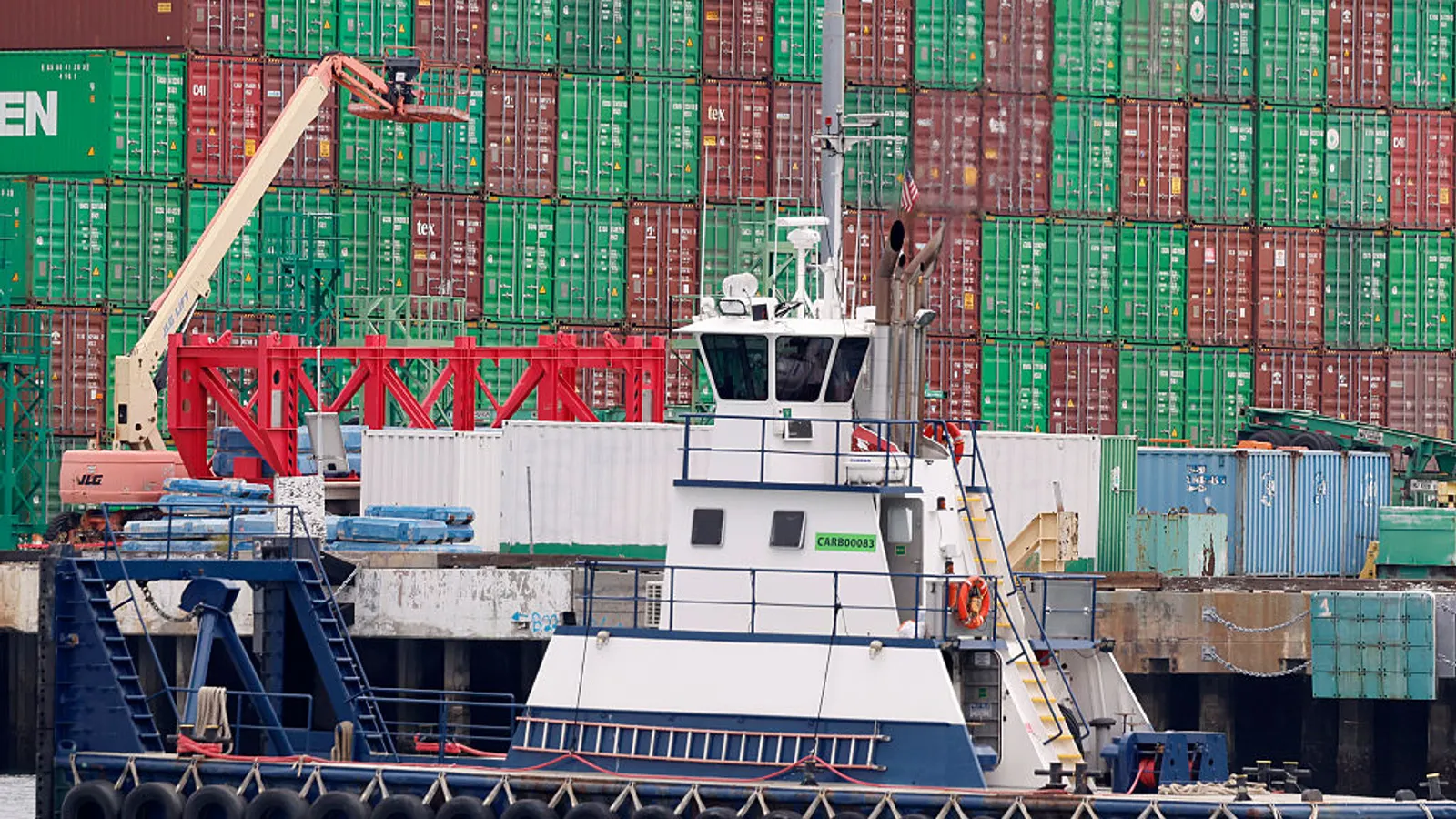
The FRC emerges as fashion companies face mounting regulatory pressure and consumer scrutiny to move beyond superficial sustainability pledges. Rather than focusing solely on corporate headquarters or retail storefronts, the collective targets the heart of the industry’s emissions problem: Scope 3 supply chain manufacturing.
By combining the market leverage of major global clothing brands with Schneider Electric’s deep technical and advisory expertise, the initiative provides suppliers with a standardized, scalable roadmap to adopt clean energy. The program offers a structured implementation model, featuring digital educational modules, market guidance, and hands-on assistance with power purchase agreements (PPAs), energy attribute certificates (EACs), local energy storage, and on-site or distributed renewable power generation.
Chronology: The Road to the Fashion Renewable Collective
While the formal rollout of the FRC took place in October 2026, the framework has been years in the making as brands wrestled with the logistical difficulties of supply chain decarbonization.
2021 (The Wake-Up Call): The World Economic Forum published a landmark report identifying the fashion industry and its sprawling supply chain as the world’s third-largest polluter, trailing only food and construction in overall environmental impact.
Mid-2020s (The Scope 3 Blind Spot): As individual apparel brands established ambitious net-zero targets for 2030 and 2050, sustainability officers realized that traditional corporate carbon accounting fell short. Direct operations (Scopes 1 and 2) accounted for only a fraction of total footprints, while outsourced manufacturing (Scope 3) constituted the vast majority.
September 2022 – 2025 (Pilot Discussions and Collaborative Frameworks): Recognizing that individual brands lacked the leverage—and smaller suppliers lacked the capital and know-how—to independently negotiate green power, industry leaders began drafting joint solutions. Studies by organizations like the Apparel Impact Institute (AII) underscored that supplier-level adoption of renewable electricity was the single fastest path to real decarbonization.
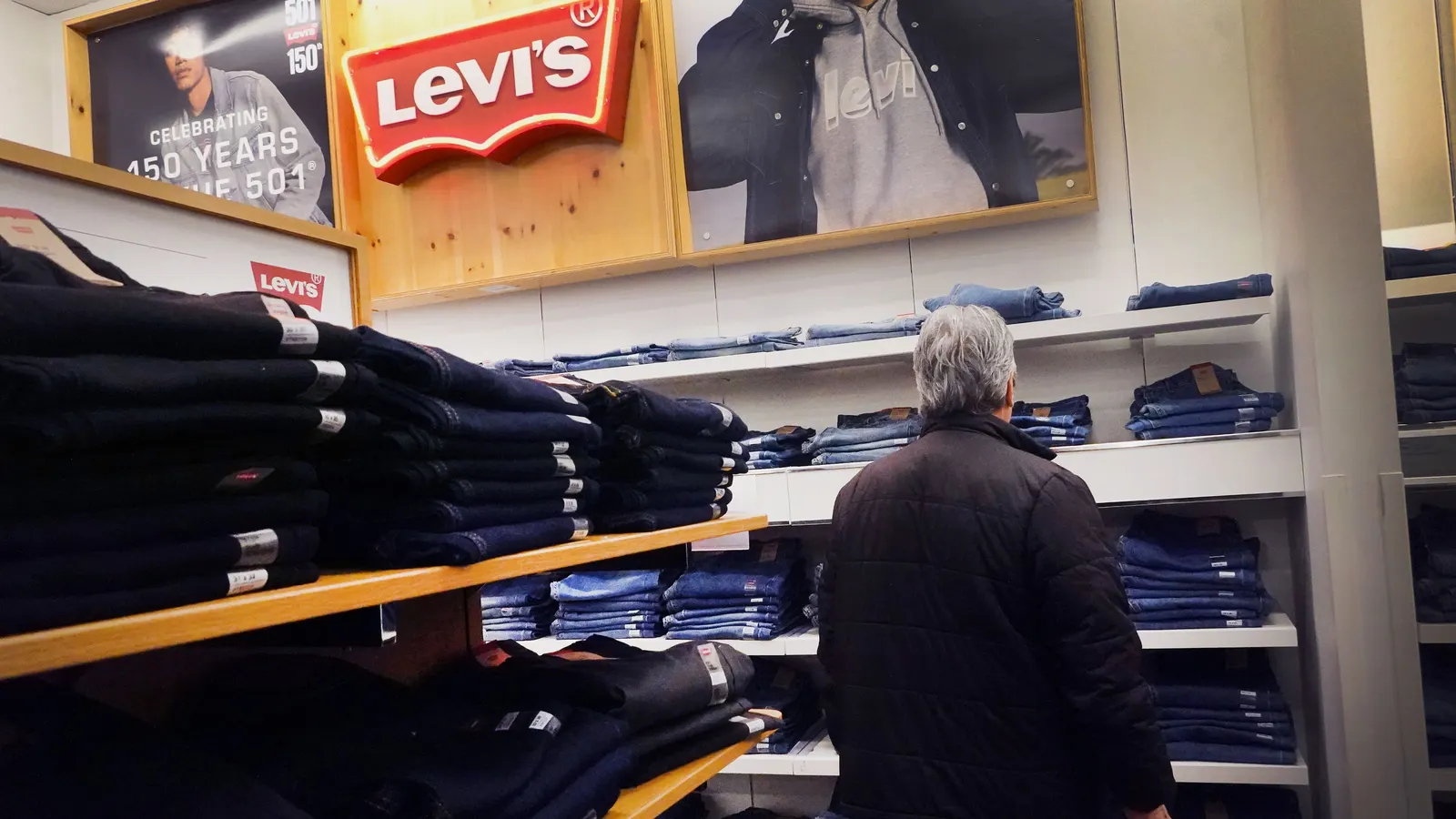
September 22, 2026: Levi Strauss & Co. and other participating companies published early statements highlighting the necessity of collaborative supplier engagement, setting the stage for the collective rollout.
October 6, 2026: The Fashion Renewable Collective is officially unveiled to the public, backed by Schneider Electric’s SE Advisory Services infrastructure.
Supporting Data: The Scale of Fashion’s Environmental Crisis
To understand the urgency behind the FRC, industry analysts point to sobering data regarding fashion’s impact on global climate change.
1. Disproportionate Carbon Contributions
According to industry analyses cited by Business Insider, the fashion sector is responsible for nearly 10% of global greenhouse gas emissions annually. This figure means that making and distributing clothing generates more carbon pollution than international flights and maritime shipping combined. A major driver of this footprint is synthetic fiber production; materials like polyester (found in an estimated 60% of all garments) are petroleum-based plastics whose production releases two to three times more carbon emissions than conventional cotton.
2. Threat to Global Carbon Budgets
The environmental outlook grows even more alarming when projected into the future. Research compiled by the Ellen MacArthur Foundation indicates that if the fashion industry continues on its current business-as-usual trajectory, it will consume more than 26% of the world’s entire carbon budget by 2050—an amount that would completely eclipse the emissions threshold required to limit global warming to an additional 2°C.
3. The Supplier Bottleneck
A critical research study conducted by the Apparel Impact Institute (AII)—frequently cited by Levi’s, Marks & Spencer (M&S), and Schneider Electric—revealed that supply chain manufacturing partners and tier-one/tier-two vendors account for over half of the entire industry’s carbon footprint.
However, the AII study offers a note of optimism: transitioning these very same suppliers to renewable electricity is widely recognized as "one of the fastest and most scalable paths to progress" for the sector. Because manufacturing hubs are often clustered in developing economies heavily reliant on fossil fuels (such as coal-fired grids in parts of Asia), targeted clean-energy interventions can yield exponential drops in corporate emissions.
Official Responses and Stakeholder Perspectives
Industry leaders have emphasized that the FRC represents a fundamental shift from individual corporate responsibility to collective industry action.
"It’s become abundantly clear that the most effective way forward on emissions reduction is working in partnership with suppliers," said Jennifer DuBuisson, Senior Director of Sustainability at Levi Strauss & Co."The FRC enables greater support for suppliers that want to access or would like to increase use of renewable electricity but haven’t been able to so far."
Fashion brands have historically struggled to compel overseas factories to switch to green energy, largely due to high upfront costs, complex local regulatory environments, and a lack of technical expertise among factory owners. By pooling resources through the Fashion Renewable Collective, brands can share financial risks and educational burdens.
Schneider Electric’s sustainability advisory arm noted that the initiative bridges a crucial gap between high-level climate pledges and on-the-ground execution. Through SE Advisory Services, participating suppliers gain access to enterprise-grade energy management tools, localized regulatory guidance, and structured training programs designed to demystify clean energy procurement.
Implications for the Global Supply Chain
The launch of the FRC carries profound implications for the future of global logistics, manufacturing, and vendor-retailer relationships.
1. Standardization vs. Fragmented Demands
In the past, major apparel brands often issued contradictory sustainability mandates to their shared manufacturing partners. Factory X, which produces garments for three different global brands, might have faced three separate carbon-reduction frameworks, creating administrative chaos and resource exhaustion. The FRC provides a unified, standardized implementation model. By leveraging online educational modules and shared strategies, suppliers can learn core decarbonization concepts once and apply them across multiple brand partnerships.
2. Democratizing Access to Advanced Energy Solutions
Historically, complex financial instruments like Power Purchase Agreements (PPAs) and large-scale on-site solar installations were accessible only to massive tier-one corporations with dedicated legal and energy procurement teams. The FRC democratizes these tools, extending market guidance and technical know-how down the supply chain to mid-sized and smaller tier-two and tier-three vendors.
3. Regulatory Compliance and Scope 3 Accountability
With governments worldwide—particularly in the European Union and various U.S. states—enacting stringent Scope 3 reporting laws (such as the EU Corporate Sustainability Due Diligence Directive and California’s climate disclosure laws), fashion brands can no longer afford opaque supply chains. Initiatives like the FRC provide the verifiable, auditable data trails that corporate compliance officers need to prove genuine emissions reductions to regulators, investors, and increasingly eco-conscious consumers.
As the Fashion Renewable Collective scales its operations over the coming years, industry watchers will be closely monitoring whether this collaborative model can successfully decouple multi-billion-dollar apparel revenue growth from greenhouse gas pollution. If successful, the FRC could serve as a blueprint for decarbonization across other heavy-impact consumer goods sectors, including footwear, home goods, and consumer electronics.