NORTH RIDGEVILLE, OHIO — As summer temperatures climb to peak levels across Northeast Ohio, the humble air conditioning unit transitions from a luxury to an absolute necessity. When a cooling system unexpectedly fails, homeowners and business operators alike are thrust into an environment of sweltering discomfort. However, local HVAC experts emphasize that a broken AC unit represents far more than just a momentary inconvenience; it is a critical issue tied directly to public health, structural safety, and household economics.
For residents of North Ridgeville and the surrounding communities, understanding the inner workings of their HVAC systems, recognizing the early warning signs of mechanical failure, and prioritizing routine professional maintenance can mean the difference between a safe, cool summer and a costly emergency repair bill.
The Main Facts: Why a Broken AC Is More Than Just an Inconvenience
When an air conditioner refuses to turn on, the immediate impact is obvious: indoor temperatures rise, humidity builds, and living or working spaces quickly become stifling. Yet, the cascading effects of a malfunctioning cooling system run much deeper.
According to health and safety advocates, prolonged exposure to high indoor temperatures can lead to serious heat-related illnesses, including heat exhaustion and heatstroke, particularly among vulnerable populations such as the elderly, young children, and individuals with pre-existing medical conditions.
Furthermore, ignoring minor HVAC glitches—such as strange noises, weak airflow, or a sudden spike in energy bills—often leads to catastrophic mechanical failures. Much like ignoring a dashboard warning light in an automobile, delaying necessary air conditioner repairs allows minor component wear to escalate into major system breakdowns. What could have been a simple, inexpensive fix can quickly morph into a compressor replacement or even a total system overhaul, costing thousands of dollars.
To safeguard health, protect financial investments, and maintain a comfortable indoor climate, homeowners are strongly urged to address AC malfunctions at the first sign of trouble by calling professional technicians who specialize in residential and commercial cooling solutions.
The Chronology: From Routine Wear to Complete System Breakdown
Understanding how air conditioners fail typically follows a predictable timeline. Recognizing these stages can help property owners intervene before a total breakdown occurs.
Phase 1: The Subtle Decline (Months 1–3)
In the early stages of wear and tear, an air conditioner may still cool the home, but it does so less efficiently. Dust and debris begin to accumulate on the evaporator coils and air filters. The system compensates for restricted airflow by running longer cycles, which slowly increases energy consumption. During this phase, occupants might notice a slight rise in their monthly utility bills or minor inconsistencies in room temperatures.
Phase 2: Noticeable Symptoms (Months 3–6)
As minor issues compound, symptoms become impossible to ignore. Homeowners may notice weak airflow coming from the vents, or the AC may cycle on and off too frequently (short-cycling). At this point, underlying problems such as low refrigerant levels, a failing thermostat, or a clogged condensate drain line are actively degrading the system’s performance.
Phase 3: The Critical Failure (Sudden)
If left unaddressed, stressed mechanical components eventually fail under the peak demands of a mid-summer heatwave. A worn-out blower motor seizes, an electrical capacitor burns out, or the compressor overheats and shuts down entirely. The result is a complete loss of cooling capacity, forcing families to seek emergency repair services during the hottest days of the year.
Supporting Data: The Measurable Impact of Maintenance
The value of preventive maintenance and timely repairs is backed by considerable industry data. Air conditioning systems are complex appliances designed to last approximately 10 to 15 years—provided they receive the proper care.
- Lifespan Reduction: Industry studies indicate that neglecting annual tune-ups can shave 3 to 5 years off an air conditioning unit’s expected operational lifespan, forcing premature and expensive replacements.
- Energy Penalties: According to the U.S. Department of Energy, a dirty air filter can reduce an air conditioner’s efficiency by 5% to 15%. When a system must work harder to push air through restricted pathways, energy consumption spikes, directly inflating monthly utility bills.
- Cost Discrepancies: Preventive maintenance visits are typically low-cost investments. In contrast, emergency weekend service calls, compressor replacements, or refrigerant leak repairs can easily cost upwards of $1,000 to $2,500.
Professional Insights: The Five Core Benefits of AC Repair and Upkeep
Engaging professional HVAC technicians for regular maintenance and prompt repairs yields a wide array of measurable benefits for property owners.
1. Improved Cooling Performance
When a system suffers from refrigerant leaks, failing compressors, or restricted airflow, it struggles to reach the temperatures set on the thermostat. Professional repair technicians possess the diagnostic tools required to pinpoint these bottlenecks. By restoring proper refrigerant levels, clearing blocked lines, and repairing mechanical components, technicians ensure that cool air is distributed evenly and efficiently throughout every room, even during peak summer heatwaves.

2. Enhanced Energy Efficiency
Over time, normal wear and tear reduces a cooling system’s operational efficiency. Dirty evaporator coils, clogged air filters, and failing thermostats force the system to run longer and harder to achieve the desired indoor climate. Repairing these inefficiencies drastically cuts down on daily energy consumption, providing immediate relief to household utility budgets while shrinking the property’s overall carbon footprint.
3. Extended Equipment Lifespan
A residential air conditioning system is a major financial investment. Routine maintenance and timely minor repairs prevent excessive wear and tear on sensitive parts like the blower motor and condenser coils. By replacing worn belts, lubricating moving parts, and cleaning internal components, technicians protect the longevity and reliability of the entire system, ensuring it reaches—or even exceeds—its 10-to-15-year design expectancy.
4. Improved Indoor Air Quality (IAQ)
An air conditioner does more than just control temperature; it also acts as a primary filtration barrier for your home. As air circulates through the system, dust, pollen, pet dander, mold spores, and other airborne pollutants are trapped in the air filter and internal coils. If the system is broken or poorly maintained, these contaminants can build up and circulate back into the living space, triggering allergies, asthma attacks, and other respiratory issues. Professional repairs ensure that filtration systems remain clean and operational, fostering a healthier indoor environment.
5. Enhanced Comfort and Convenience
The most immediate and satisfying benefit of prompt air conditioning repair is the restoration of peace and comfort. A malfunctioning AC disrupts daily routines, disturbs sleep patterns, and creates an oppressive indoor atmosphere. Professional intervention quickly brings stability back to the home or office, allowing occupants to live and work in a refreshing, climate-controlled environment.
Maintenance Tips: Keeping Your AC in Peak Condition
To minimize the likelihood of sudden breakdowns, local HVAC specialists recommend adopting a proactive maintenance routine. Property owners should incorporate the following best practices into their home management schedules:
- Change Air Filters Regularly: Inspect your air filters every month during the heavy cooling season, and replace them every 60 to 90 days (or more frequently if you have pets or allergies). This single step prevents airflow restrictions and protects your blower motor.
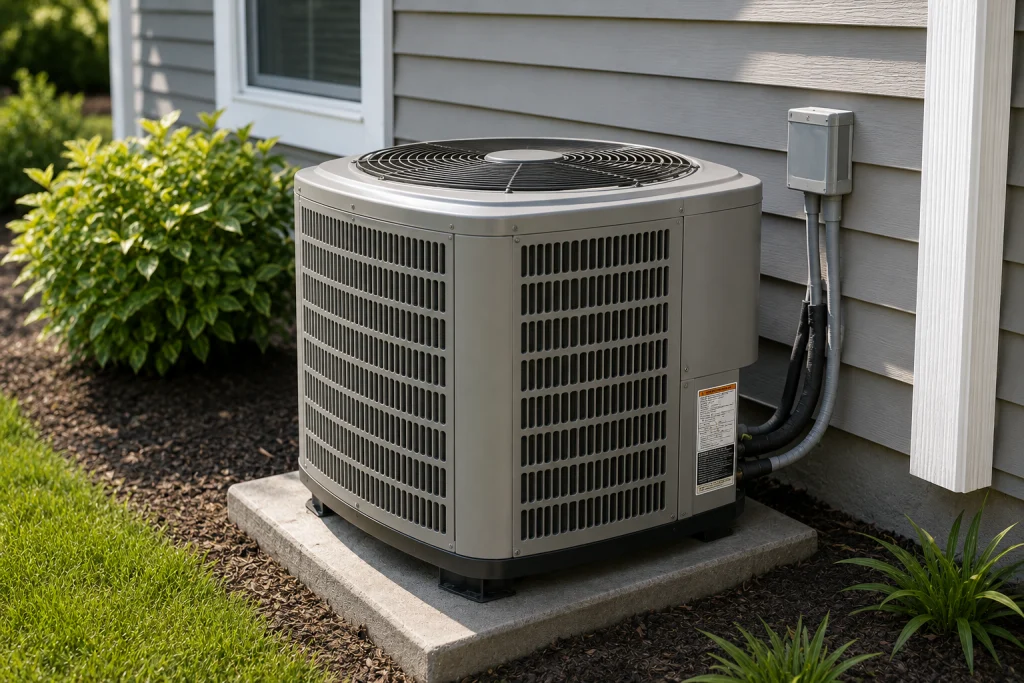
- Keep the Outdoor Unit Clear: The outdoor condenser unit needs unobstructed airflow to dissipate heat effectively. Trim back bushes, shrubs, and tall grass at least two feet around the unit, and clear away fallen leaves and debris.
- Clear the Condensate Drain: Pour a mixture of warm water and white vinegar down the condensate drain line periodically to prevent algae and mold clogs that can cause water damage and system shutdowns.
- Schedule Professional Tune-Ups: Arrange for an annual spring inspection by a certified HVAC technician. Professional tune-ups catch hidden electrical faults, check refrigerant pressures, and calibrate thermostats before the grueling summer heat arrives.
- Monitor Thermostat Settings: Avoid constantly adjusting your thermostat up and down. Utilize a programmable or smart thermostat to maintain an efficient, steady temperature schedule that reduces unnecessary strain on your cooling system.
Official Responses & Industry Perspectives
Local HVAC contractors and consumer protection agencies consistently stress the importance of proactive HVAC care.
"Many homeowners view air conditioning service as an optional expense until something goes wrong," notes a leading regional HVAC service director in North Ridgeville. "However, our data shows that systems which receive annual professional tune-ups experience nearly 70% fewer emergency breakdowns during peak summer months. It is always more affordable, safer, and less stressful to maintain a system proactively than to scramble for emergency repairs when outdoor temperatures hit the 90s."
Furthermore, environmental agencies highlight that well-maintained air conditioning systems utilize less electricity, thereby reducing the strain on regional power grids during high-demand summer days and lowering greenhouse gas emissions associated with fossil-fuel-generated electricity.
Implications for North Ridgeville Homeowners and Businesses
The broader implications of proper AC maintenance stretch across financial, health, and community domains. For individual households in North Ridgeville, keeping an HVAC system running at peak efficiency protects family budgets from the twin threats of spiking electric bills and catastrophic repair bills.
From a broader community standpoint, widespread adoption of energy-efficient cooling practices helps stabilize the local energy infrastructure, reducing the risk of localized brownouts during severe summer heat waves. Moreover, maintaining healthy indoor air quality safeguards public health, reducing missed days of work and school due to respiratory illnesses exacerbated by poor indoor environments.
Get Help Now With AC Repair Service in North Ridgeville
Are you ready to beat the heat and restore total comfort to your home or business? Do not let a malfunctioning air conditioner disrupt your summer routine, compromise your indoor air quality, or drive up your monthly utility bills.
Professional, experienced technicians specializing in comprehensive air conditioning repair and maintenance are ready to assist residents throughout North Ridgeville and the surrounding areas. From diagnosing mysterious airflow issues to handling emergency warm-air concerns, prompt professional service ensures your cooling system is operating at peak efficiency.
Don’t let the summer heat get the upper hand. Contact our team today to schedule your professional AC repair service and experience immediate, reliable relief from the heat!