The rapid expansion of the renewable energy sector has brought unprecedented growth to the U.S. solar market, but it has simultaneously introduced a critical operational challenge: the management and disposal of solar waste. While photovoltaic (PV) modules are engineered to generate clean energy for decades, a significant volume of materials is compromised long before reaching the end of its intended lifecycle.
A recent operation in Maysville, Georgia, highlights this growing industry hurdle. Faced with an accumulation of broken and damaged solar panels resulting from transit, handling, and on-site construction, project stakeholders required a viable, eco-friendly alternative to traditional disposal methods. They partnered with Green Clean Solar, a Georgia-based, woman-owned enterprise specializing in end-to-end solar waste management, landfill diversion, and material recycling.
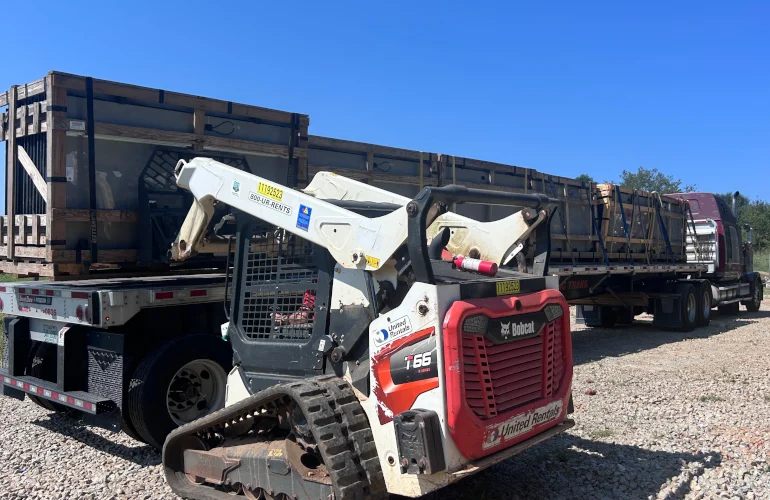
Rather than sending the compromised equipment to local landfills—where heavy metals like lead and cadmium pose environmental risks—Green Clean Solar deployed a comprehensive recovery framework. The initiative encompassed the collection, palletizing, loading, secure transportation, and strategic routing of materials to downstream recycling facilities. By recovering valuable commodities such as aluminum, glass, and high-purity metals, the project served as a case study in how the solar industry can actively minimize its environmental footprint from the ground up.
Chronology of the Maysville Initiative
The trajectory of the Maysville, Georgia recovery project illustrates the operational steps required to transition from a localized waste problem to a certified circular-economy solution:
Phase 1: Identification and Damage Assessment
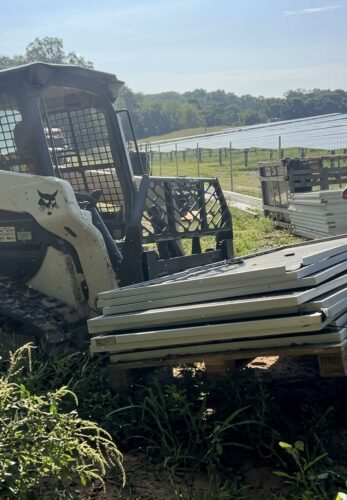
During the initial construction and material-handling phases of the Maysville solar site, various modules suffered physical impacts, rendering them unusable for power generation. Project engineers cataloged the damaged inventory, identifying an immediate need to clear the job site without violating corporate or regional sustainability guidelines.
Phase 2: Engagement and Strategic Planning
Recognizing the limitations of standard waste-hauling services, project stakeholders partnered with Green Clean Solar. Founder and CEO Emilie O’Leary’s team assessed the volume of compromised panels, established a logistical timeline, and coordinated specialized transportation logistics tailored to fragile PV glass and framing.
Phase 3: On-Site Collection and Palletizing
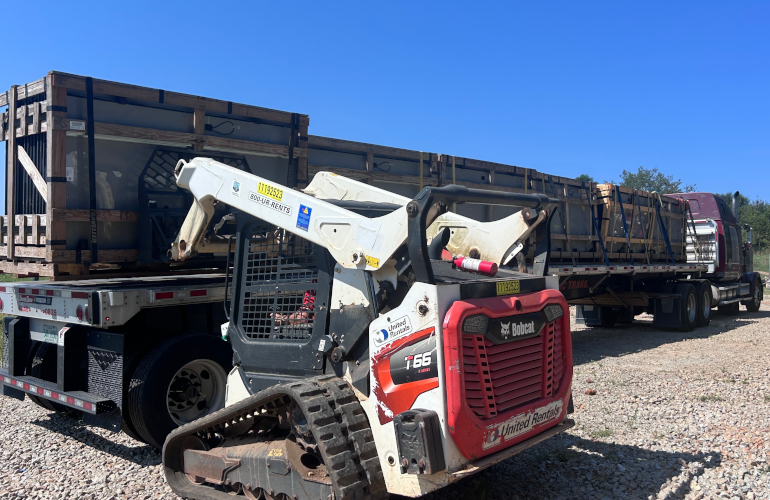
Green Clean Solar mobilized field teams to the Maysville location to safely stack, palletize, and load the damaged modules. Proper handling during this phase was critical to prevent further fragmentation and to ensure worker safety against potential hazardous material exposure.
Phase 4: Downstream Transit and Material Recovery
The secured cargo was transported to specialized recycling and recovery partners. There, the panels underwent mechanical and chemical processing to separate high-value raw materials—such as structural aluminum frames, copper wiring, and underlying silicon—ensuring they could re-enter the manufacturing supply chain rather than occupying permanent landfill space.
Supporting Data and Industry Context
The challenges addressed in Maysville are emblematic of a broader structural shift required within the global and domestic renewable energy markets. According to recent industry analytics, millions of photovoltaic panels are installed annually across the United States. While operational efficiency continues to improve, industry benchmarks estimate that a small percentage of modules inevitably sustain damage during transit, warehousing, staging, and construction phases.
Historically, the solar industry has prioritized the installation phase, often treating decommissioning and waste management as distant concerns. However, the accumulation of pre-installation and mid-lifecycle waste has underscored the urgency of institutionalizing robust recycling infrastructure.
+-----------------------------------------------------------------+
#              TYPICAL SOLAR MODULE MATERIAL RECOVERY              #
+-----------------------------------------------------------------+
| Component       | Recovery Potential | Primary Secondary Use    |
+-----------------------------------------------------------------+
| Aluminum Frames | High (~95%+)       | Structural Alloys        |
| Front Glass     | High (~90%+)       | Aggregate, Glass Bottles |
| Copper/Wiring   | High (~98%+)       | Electrical Conductors    |
| Silicon/Cells   | Moderate to High   | Refined Solar Ingots     |
+-----------------------------------------------------------------+
As demonstrated by Green Clean Solar’s operations, recycling these elements achieves dual benefits:
Environmental Protection: Diverting hazardous elements—such as trace amounts of lead, cadmium, and other heavy metals—away from municipal landfills, thereby preventing long-term soil and groundwater contamination.
Resource Conservation: Supplying secondary raw materials to domestic manufacturing sectors, reducing the carbon intensity associated with mining virgin ores for new panel production.
Official Responses and Stakeholder Perspectives
Industry leaders emphasize that true sustainability requires looking beyond zero-emission power generation to evaluate the entire lifecycle footprint of energy infrastructure.
Emilie O’Leary, Founder and CEO of Green Clean Solar:
"We love seeing new solar projects being built across the country, but we also have to acknowledge that broken panels are part of the process. Panels can be damaged during transportation, handling, construction, or other phases of a project. When that happens, we need to have a plan. These panels still contain valuable materials, and they deserve an opportunity to be recovered and recycled."
O’Leary has consistently challenged the notion that recycling is strictly a decommissioning-era concern.
"There is a misconception that recycling solar panels is only something we need to think about when a solar farm is being decommissioned. That’s not true. Recycling needs to be part of the conversation from the very beginning of a project. If you have broken panels sitting on a construction site, that’s solar waste that needs a responsible solution today."
Parker Persons, Project Engineer at Inman Solar:
Echoing these sentiments from the customer and engineering side, Parker Persons underscored how proactive waste management aligns with corporate environmental values.
"Solar is built on sustainability, and we hold our equipment to that same standard. When modules across our portfolio are damaged, we recycle them. This allows us to recover valuable materials for reuse while keeping potentially hazardous materials, such as lead and cadmium, out of landfills. Those recovered materials can then be put back to productive use, supporting a more circular economy. Working with Green Clean Solar has helped us achieve those goals."
Implications for the Future of Renewable Energy
The operational model proven in Maysville points toward a fundamental maturation of the American solar sector. As regulatory scrutiny increases and corporate ESG (Environmental, Social, and Governance) standards tighten, developers, Engineering, Procurement, and Construction (EPC) firms, and utility operators can no longer afford fragmented or negligent waste-disposal practices.
1. Regulatory Pressures and Standardized Compliance
State and federal policymakers are increasingly examining the end-of-life management of renewable energy assets. Jurisdictions across the country are moving toward mandatory extended producer responsibility (EPR) frameworks or outright bans on disposing of solar panels in municipal solid waste landfills. Companies that establish early partnerships with certified recyclers like Green Clean Solar position themselves ahead of regulatory compliance curves.
2. Strengthening the Circular Economy
Building a resilient domestic supply chain requires minimizing reliance on raw material extraction. By reintegrating recovered glass, aluminum, and silicon back into industrial manufacturing streams, the solar industry can insulate itself against global supply chain volatility and material scarcity.
3. Preserving Public Trust in Green Energy
The social license to operate renewable energy projects depends heavily on the industry’s ability to maintain its clean image across every operational tier. Allowing construction sites to accumulate piles of broken glass and heavy-metal-containing electronics undermines the environmental narrative of clean energy. Responsible waste recovery ensures that the physical reality of solar farms matches their environmental promise.
As O’Leary summarizes, every compromised component represents a choice for industry participants:
"Every broken panel is a decision point. We can throw it away, or we can do something better with it. I believe the solar industry is ready to choose better."