SACRAMENTO, Calif. — In a decisive legislative move aimed at curbing soaring electricity rates and modernizing the state’s electrical grid, California Governor Gavin Newsom has officially signed a landmark legislative package. The new laws, Senate Bill 913 (SB 913) and Senate Bill 905 (SB 905), pave the way for the large-scale deployment and integration of virtual power plants (VPPs) across the Golden State.
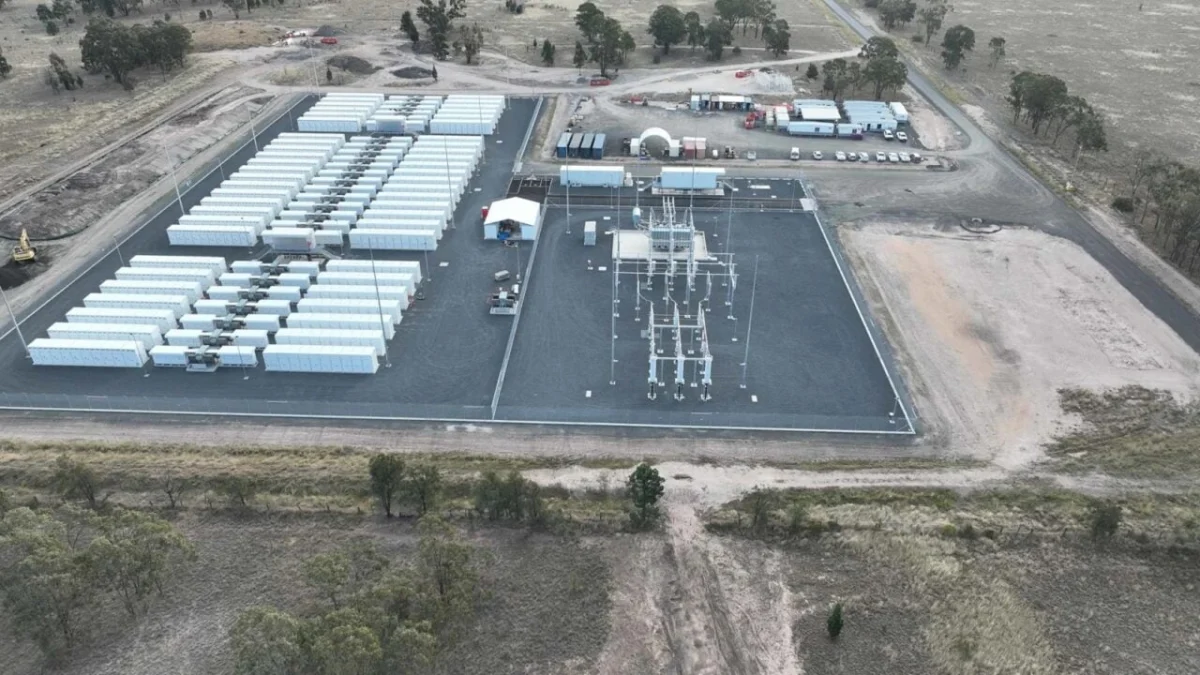
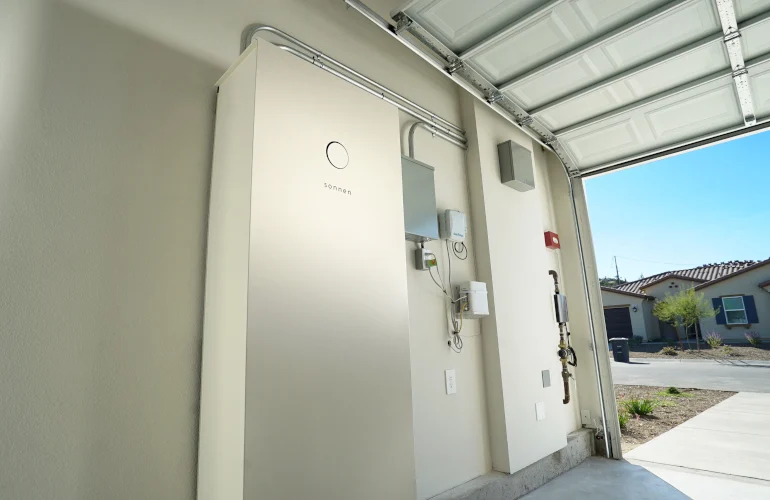
Together, the legislation represents the state government’s most aggressive and comprehensive strategy to date to combat rising utility bills. Rather than relying on traditional, capital-intensive infrastructure projects—such as constructing massive new transmission lines or building faraway power plants—the state is turning its attention closer to home. By tapping into distributed energy resources (DERs) already installed on residential garages, commercial rooftops, and industrial campuses, California aims to leverage existing assets to drive down energy costs for everyday consumers.
The move has been met with immediate praise from clean energy advocates, industry leaders, and consumer protection groups who argue that utilizing localized, customer-owned technology is the most logical and cost-effective antidote to a decade of relentless utility rate hikes.
Main Facts
The newly enacted legislation fundamentally changes how California manages its electrical grid and incorporates customer-owned power generation and storage:
- Legislation Passed: Governor Gavin Newsom signed SB 913 and SB 905 into law, establishing a formal framework for virtual power plants throughout California.
- Core Objective: The primary goal is to lower residential and commercial electricity bills by avoiding expensive utility capital expenditures that are traditionally passed directly onto ratepayers.
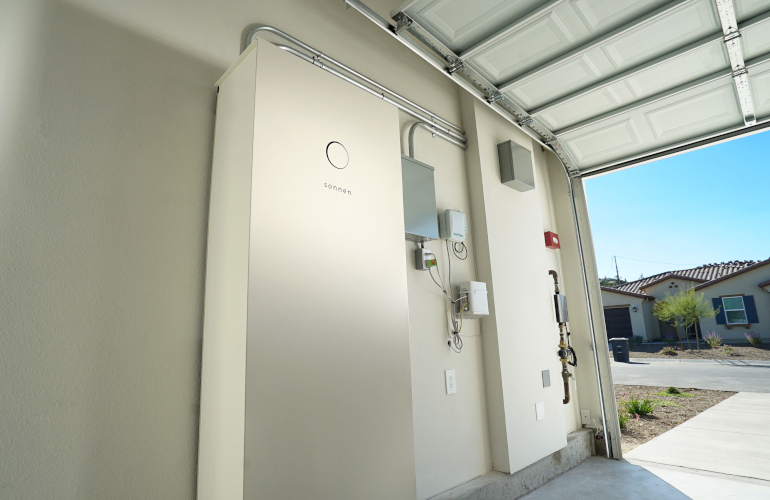
- The Technology: Virtual power plants aggregate thousands of individual, customer-sited assets—primarily solar-charged lithium-ion batteries, electric vehicle (EV) chargers, and smart thermostats—into a single, coordinated network that can respond dynamically to grid conditions.
- Market Access (SB 913): This bill removes arbitrary regulatory barriers that have historically prevented customer batteries from bidding competitively into wholesale energy markets. It directs the California Public Utilities Commission (CPUC) to establish a fair valuation methodology for customer-sited batteries that export power to the grid during periods of peak stress.
- Transparency and Efficiency (SB 905): This measure mandates the creation of a "grid utilization metric" for every segment of the state’s distribution grid. It highlights underutilized infrastructure and identifies circuits that can absorb significantly more energy if usage is strategically shifted to off-peak hours.
- Implementation Deadlines: SB 913 mandates that the CPUC, in coordination with the California Energy Commission (CEC) and the California Independent System Operator (CAISO), must establish enhanced market-integrated pathways for aggregated distributed resources to qualify as resource adequacy (RA) capacity on or before June 30, 2027.
Chronology: A Decade of Growth and a Turning Point in Sacramento
To understand the significance of SB 913 and SB 905, one must look at the unique trajectory of California’s energy landscape over the past ten years.
2014–2023: The Decentralized Energy Boom
For over a decade, Californians experienced a staggering escalation in utility electricity bills, driven largely by grid hardening, wildfire mitigation efforts, and traditional infrastructure upgrades. Simultaneously, however, the state became a global leader in distributed solar and energy storage adoption. Bolstered by state incentives, forward-thinking building codes, and a desire for energy resilience against rolling blackouts and wildfires, more than 300,000 California customers installed solar-paired battery systems on their properties. This grassroots adoption rate has continued to accelerate, with approximately 2,000 new battery systems coming online every single week.
Early 2025: Crafting Legislative Solutions
As ratepayer fatigue reached a boiling point, lawmakers in Sacramento began looking for structural alternatives to utility-led spending. Energy policy experts and industry associations, notably the California Solar & Storage Association (CALSSA), championed the concept of virtual power plants as a ready-made solution. Instead of viewing customer-owned batteries merely as emergency backup systems for individual homes, policymakers realized these assets could be pooled digitally to act as a massive, flexible utility-scale resource.
Late 2025: Legislative Passage and Gubernatorial Approval
Following months of stakeholder debates, committee hearings, and legislative drafting, SB 913 and SB 905 successfully cleared both houses of the California State Legislature. The bills landed on Governor Newsom’s desk in the final stretch of the legislative session. By signing them into law, the Governor locked in a transformative energy policy that sets the stage for the next phase of California’s clean energy transition.
Supporting Data: The Scale of Distributed Assets
The economic rationale behind virtual power plants rests on a simple premise: California ratepayers have already invested billions of dollars into installing cutting-edge energy equipment at the grid edge. Deploying these assets efficiently yields immediate cost advantages over building new physical infrastructure.
- 300,000+: The number of residential and commercial customers in California who have installed solar-charged battery storage systems.
- 2,000: The approximate number of new customer battery systems added across the state every single week.
- June 30, 2027: The statutory deadline for the CPUC, CEC, and CAISO to implement enhanced, market-integrated pathways allowing aggregated distributed resources to qualify fully as resource adequacy capacity.
- A Fraction of the Cost: Utilizing software-coordinated networks of garage and campus-based batteries to manage peak demand is proven to be significantly cheaper than financing, permitting, and constructing high-voltage transmission lines and centralized power plants.
Official Responses and Stakeholder Perspectives
The enactment of the VPP legislation has garnered widespread acclaim from clean energy advocates, though experts emphasize that the true test of the laws will lie in their aggressive implementation by regulatory agencies.
Brad Heavner, Executive Director of the California Solar & Storage Association (CALSSA), offered a strong endorsement of the Governor’s actions:
"We applaud Gov. Newsom for approving the use of VPPs to reduce the need for utility expenditures. These new tools will make energy more affordable for everybody by getting more usage out of the infrastructure that Californians have already paid for."
Heavner pointed out that while customer batteries have already proven effective at shifting individual household electricity usage away from high-priced evening hours, the new legal framework takes this capability to an entirely unprecedented scale:
"Customer batteries are already moving electricity usage away from the hours that are most expensive for utilities, but these new laws will take that to another level by operating batteries as a network that can more precisely target the hours when utility costs spike. Resources installed on garages and campuses can provide energy cheaper than building new power lines to faraway power plants. It’s crazy for the utilities to spend money on power lines when there is energy stored right in the neighborhoods where it’s needed."
At the same time, advocates are quick to sound a note of caution regarding the transition of power to future state leadership. Because many of the vital mechanical decisions—such as valuation metrics, fleet measurement protocols, and customer enrollment procedures—will be drafted by regulatory bodies, the appointment of forward-thinking commissioners will be paramount.
"Gov. Newsom has done his part," Heavner noted. "Implementation of the bill at the CPUC under the next governor will determine whether customers see lower bills. We look forward to working closely with the next governor and his appointees to quickly harness the power of customer batteries to address our affordability crisis."
Implications: What VPPs Mean for the Future of California Energy
The signing of SB 913 and SB 905 marks a philosophical shift in how California views grid management. For over a century, the prevailing utility model has been centralized and unidirectional: generate power at a remote location, push it across expansive transmission networks, and deliver it to passive consumers. Virtual power plants dismantle this outdated paradigm, replacing it with a decentralized, interactive, and bi-directional ecosystem.
1. Direct Relief for Overburdened Ratepayers
For years, consumer advocacy groups have pushed back against utility rate requests driven by infrastructure expansion. By establishing a "grid utilization metric" via SB 905, utilities are forced to look at underutilized capacity on existing distribution circuits before requesting ratepayer funds for new equipment. Furthermore, SB 913 ensures that when customer-sited batteries discharge energy back into the grid during high-stress periods, they are properly compensated. This wholesale market participation creates direct financial incentives for battery owners while simultaneously driving down the clearing price of energy for all ratepayers.
2. Enhanced Grid Reliability and Resilience
California’s climate challenges—ranging from extreme heatwaves that strain air conditioning loads to seasonal wildfire threats—place immense pressure on the electrical grid. Virtual power plants act as agile, lightning-fast shock absorbers. Unlike traditional fossil-fuel peaker plants that can take hours to ramp up, a distributed network of thousands of connected batteries can respond in milliseconds. This localized responsiveness prevents cascading outages and minimizes the reliance on emergency fossil generation during grid emergencies.
3. A Blueprint for Other States
As decarbonization goals accelerate nationwide, grid operators are grappling with how to integrate millions of electric vehicles, heat pumps, and solar installations without breaking the bank. California’s pioneering legal framework for VPP market integration under SB 913 and infrastructure transparency under SB 905 serves as a potential national model. If successful, it will demonstrate that the clean energy transition does not inherently require punishing utility rate increases, but can instead be achieved by intelligently orchestrating the resources consumers already own.
Looking Ahead: The Critical Next Six Months
As California looks toward the future, the window between policy enactment and regulatory execution is narrow and intensely consequential. With the CPUC mandated to establish wholesale market pathways by mid-2027, the initial administrative decisions made by the incoming gubernatorial administration’s appointees will dictate whether these laws achieve their full, cost-saving potential. For millions of Californians crushed under the weight of high electricity bills, the promise of the virtual power plant era has finally arrived—and the race to implement it has officially begun.