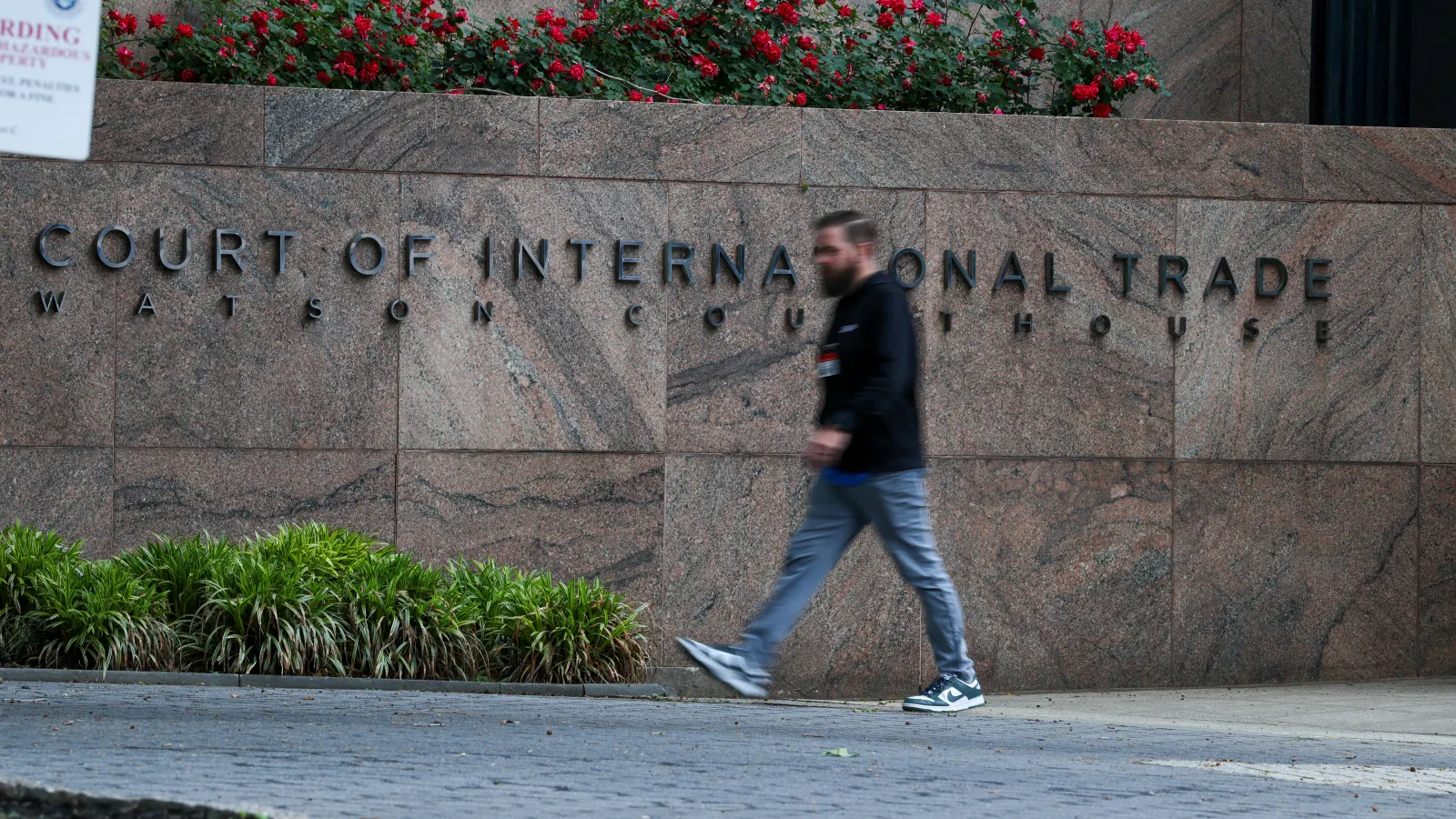
WASHINGTON — In a landmark procedural development carrying massive financial implications for the global supply chain, the U.S. Court of International Trade has cleared the way for a sweeping class-action lawsuit concerning defunct federal tariffs. The decision could ultimately force the federal government to return billions of dollars to smaller businesses that have thus far been locked out of the reimbursement process.
The judicial intervention targets tariffs levied under the International Emergency Economic Powers Act (IEEPA), which were struck down by the Supreme Court earlier this year. While Customs and Border Protection (CBP) has already disbursed upwards of $100 billion through an administrative portal, the newly certified class action aims to capture an estimated $30 billion in unclaimed duties. These funds predominantly belong to smaller, resource-constrained importers who lacked the legal bandwidth or awareness to pursue individual litigation.
Main Facts
The core of the legal dispute centers on an unprecedented volume of emergency tariffs collected by the federal government before the judiciary intervened.
- The Ruling: In a slip order issued Thursday, the U.S. Court of International Trade officially certified a class of importers who paid IEEPA-based tariffs between Feb. 1, 2025, and Feb. 19, 2026. Importers who have already filed separate, individual lawsuits are excluded from the class.
- The Scale of Collection: Following the Supreme Court’s February decision invalidating the IEEPA levies, the Court of International Trade ordered CBP to refund roughly $166 billion in collected duties.
- Current Payout Status: CBP has successfully returned over $100 billion via its Consolidated Administration and Processing of Entries (CAPE) portal. However, an estimated $30 billion remains in federal coffers, largely tied up because smaller entities have failed to navigate the complex administrative requirements of CAPE.
- The Legal Mechanism: The class-action certification is designed to serve as a legal net, ensuring that every importer of record who paid the unlawful duties eventually receives a refund, bypassing the need for thousands of individual legal actions—of which over 4,000 have already been docketed.
Chronology of Events
The road to the current class-action certification has been marked by a fast-moving sequence of executive actions, judicial roadblocks, and administrative pivots:
- February 2025: The Supreme Court issues a definitive ruling invalidating the Trump administration’s IEEPA-based tariffs, declaring them an overreach of emergency powers.
- Spring 2025: Following the high court’s mandate, the U.S. Court of International Trade orders CBP to establish a framework for refunding the approximately $166 billion collected under the invalidated levies.
- Mid-2025: CBP launches the CAPE portal to streamline refunds. Over the succeeding months, the agency gradually expands the portal’s processing scope to handle various categories of entries.
- Late 2025: The Justice Department files appeals challenging aspects of the original refund orders, arguing that the court lacks the jurisdiction to mandate repayments for importers who have not formally sued.
- This Week (October 2025): CBP rolls out refund capabilities for finally liquidated entries, though initially restricted to a select group of litigating importers. Concurrently, the Court of International Trade issues its slip order certifying the massive importer class action to capture non-litigants.
- Upcoming Deadlines: The court has scheduled a closed conference with involved parties for October 13, followed by an October 22 deadline for proposed scheduling regarding subsequent filings in the class-action suit.
Supporting Data and Financial Metrics
The numbers underlying the IEEPA tariff refund saga underscore the unprecedented scale of the financial corrections now playing out across federal agencies:
- $166 Billion: The total estimated sum of IEEPA tariffs collected by the federal government while the emergency powers measures were active.
- $100 Billion+: The amount CBP has already paid out to businesses via the CAPE portal since the refund mechanisms were initiated.
- $30 Billion: The capital currently at risk of remaining with the government due to small importers failing to use CAPE.
- 4,000+: The number of individual lawsuits filed by importers seeking relief prior to the class-action certification.
- 1-Year Window: The specific timeframe (Feb. 1, 2025, to Feb. 19, 2026) defining the operational lifespan of the tariffs covered under the newly certified class.
The court explicitly noted the demographic disparity driving the need for the class action, writing in its order: "Some importers of record have not taken advantage of CAPE. It is believed that these are overwhelmingly small importers who, because of the cost or effort involved in filing a CAPE declaration, or because they are unaware of the program, will never take advantage of CAPE."
Official Responses and Legal Perspectives
While the court’s decision has been met with relief by trade associations and legal advocates representing smaller businesses, federal defenders continue to push back on the judiciary’s reach.
Legal experts emphasize that Thursday’s ruling is procedural rather than an immediate mandate for disbursement. James Kim, an international trade partner at the law firm ArentFox Schiff, offered clarity on the limits of the decision in a public statement:
"The decision doesn’t immediately expand refund eligibility or direct payment," Kim noted via LinkedIn. "It does, however, create a potential path forward for non-litigants, toward a single order requiring refunds to be issued to importers that have not pursued individual lawsuits."
Echoing the court’s overarching intent, the judicial panel stated in the text of the order:
"Today, the court is certifying a class in the hope, and expectation, that this certification will lead to the liquidation or reliquidation of all of the entries on which the unlawful IEEPA duties were imposed, and the refund of those duties to the importers of record that paid them."
Meanwhile, the U.S. Department of Justice maintains its defensive posture. The DOJ’s ongoing appeals argue that judicial authority cannot stretch to blanket reimbursements for businesses that failed to file independent lawsuits, setting up a high-stakes legal battle over federal jurisdiction that remains active in the federal appellate system.
Broader Implications for Global Trade and Importers
The ramifications of the Court of International Trade’s class-action certification extend far beyond the immediate recovery of funds, touching upon administrative law, corporate compliance, and future executive trade strategies.
1. Relief for Small and Medium-Sized Enterprises (SMEs)
For months, industry analysts warned that the CAPE portal disproportionately benefited massive multinational corporations and well-funded importers who retained specialized legal counsel. Large enterprises possessed the administrative horsepower to navigate complex customs declarations. Conversely, smaller businesses—which absorbed devastating cost shocks during the height of the IEEPA tariff regime—risked absorbing permanent losses simply due to bureaucratic friction. The class action serves as a vital equalizer, ensuring that lack of legal sophistication does not disenfranchise legitimate claimants.
2. Administrative Burden on CBP
Customs and Border Protection faces a monumental operational challenge. Already strained by the rollout of the CAPE portal, the agency must now prepare for the potential reliquidation and refund processing of thousands of additional entries tied to non-litigating class members. This influx threatens to further stretch federal resources and delay processing timelines across other customs domains.
3. Separation of Powers and Executive Authority
The broader legal arc of the IEEPA refund battle establishes a powerful precedent regarding the limits of executive power under emergency statutes. By systematically dismantling the financial architecture of the invalidated tariffs—and now systematically forcing the return of funds via class action—the judicial branch is signaling a hard check on presidential tariff-setting authority.
4. Lingering Uncertainty
Despite the optimism surrounding the class certification, obstacles remain. The DOJ’s pending appeal regarding finally liquidated entries and jurisdictional limits means that final payouts for class members are not guaranteed. Importers and supply chain executives must monitor the upcoming October conferences and court deadlines closely to understand how the class action will intersect with existing administrative pathways like CAPE.
As the litigation moves deeper into the autumn scheduling phase, the ultimate destination of the remaining $30 billion hangs in the balance, promising a closely watched legal finish to one of the most turbulent chapters in modern U.S. trade policy.