Introduction: A New Paradigm in Trans-Pacific Logistics
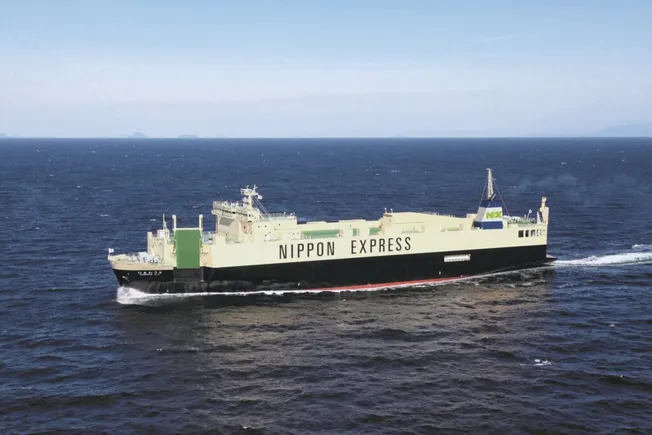
In an era defined by extreme weather events, geopolitical instability, and unpredictable port congestion, the reliability of global ocean freight has hit a critical inflection point. Nippon Express, the Japanese global logistics giant, has officially launched its "US 5-Day Cross" service—a strategic multimodal solution designed to bypass the bottlenecks currently plaguing traditional trans-Pacific supply chains.
By integrating high-speed overland transport with advanced digital security monitoring, the service aims to provide a predictable, high-speed alternative for shippers who can no longer afford the multi-week delays typical of ocean shipping. As companies scramble to build "resilient" rather than just "efficient" supply chains, Nippon Express is betting that speed and visibility will be the primary currencies of the logistics market in the coming decade.
Main Facts: The "US 5-Day Cross" Value Proposition
The "US 5-Day Cross" service is a specialized freight solution tailored for high-value and time-sensitive cargo. Unlike traditional maritime shipping, which remains at the mercy of terminal dwell times and unpredictable weather, this service leverages a streamlined multimodal approach to ensure cargo reaches its destination within a firm five-day window once processed.
Key Operational Features:
- Rapid Transit: By bypassing congested ocean ports and utilizing optimized rail and trucking corridors, the service offers a drastic reduction in lead times compared to standard container shipping.
- Real-Time Cargo Intelligence: A cornerstone of the service is its high-tech visibility platform. Every shipment is equipped with dedicated IoT (Internet of Things) devices that provide constant data streams to the shipper.
- Security and Integrity Monitoring: The IoT devices are equipped with light sensors. If a container is breached or a package is opened without authorization, the system immediately alerts stakeholders. Furthermore, the devices track environmental variables, including temperature, humidity, and physical impact, ensuring the integrity of sensitive goods—from pharmaceuticals to high-end electronics—remains intact throughout the journey.
Chronology: The Evolution of Supply Chain Disruption
To understand why Nippon Express is launching this service now, one must look at the recent timeline of global logistics volatility.
- 2023 – Early 2024 (The Panama Canal Crisis): Low water levels caused by El Niño forced the Panama Canal Authority to drastically trim daily shipping slots. This created a massive bottleneck for goods moving from Asia to the U.S. East Coast, forcing many shippers to reroute or face indefinite delays.
- Mid-2024 (Geopolitical Friction): Increased geopolitical tensions led to the rerouting of various global shipping lanes, extending lead times and driving up fuel costs, as vessels were forced to take longer paths to avoid conflict zones.
- September 2026 (The Typhoon Factor): A series of intense typhoons in Asia wreaked havoc on port operations. These weather events triggered cascading delays, resulting in severe congestion at major hubs and a spike in freight rates that left many shippers scrambling for alternatives.
- Present Day (The Strategic Pivot): Recognizing that "just-in-time" manufacturing is under threat from "just-in-case" logistics demands, Nippon Express has introduced the US 5-Day Cross to stabilize the final mile of the trans-Pacific journey.
Supporting Data: Why Reliability Matters
The current market climate is defined by what economists call "volatility premiums." When shipping times fluctuate wildly, companies are forced to hold higher levels of safety stock, which ties up capital and increases warehousing costs.
According to industry data, ocean freight reliability has plummeted in recent years. While pre-pandemic reliability rates often hovered above 70%, recent reports suggest that global schedule reliability has frequently dipped below 50% during peak disruption periods.
The Cost of Uncertainty:
- Inventory Carrying Costs: Increased lead times mean that goods spend more time in transit, effectively acting as "floating inventory" that cannot be sold or used in production.
- Theft and Shrinkage: As supply chains become more congested, containers sit in unsecured yards for longer periods, increasing the risk of pilferage and cargo theft.
- Climate-Induced Risk: With weather patterns becoming increasingly unpredictable, the traditional reliance on singular, ocean-based transit routes has become a liability. Nippon Express’s integration of multimodal data provides a hedge against these risks by allowing for real-time rerouting and better decision-making.
Official Perspectives: The Rationale Behind the Service
In an official statement, Nippon Express emphasized that the "US 5-Day Cross" is a direct response to the "backdrop of challenges that include longer ocean freight lead times attributable to geopolitical risks and delays in U.S. rail transport."
The company noted that the modern shipper is no longer satisfied with just "getting the goods there." There is a, "growing need for rapid and punctual transport as well as advanced security measures after arrival in the United States." By addressing these concerns, Nippon Express is positioning itself as a partner in risk mitigation rather than merely a carrier of goods.
By moving away from a siloed approach to logistics, the company is attempting to provide a "control tower" experience. The ability to visualize temperature and humidity in real-time is particularly significant for customers in the food, beverage, and life sciences sectors, where a deviation in temperature could render an entire shipment worthless.
Implications: The Future of Trans-Pacific Freight
The introduction of this service signals a broader shift in the logistics industry. We are witnessing a transition from "mass-market logistics" to "specialized, tech-enabled freight."
1. The Rise of the "Connected Container"
The use of IoT devices to track cargo status—not just location—is becoming the new industry standard. As Nippon Express continues to roll out these capabilities, competitors will likely be forced to upgrade their own tracking systems to remain relevant. The "blind spot" in logistics is rapidly closing.
2. A Shift Toward Multimodal Resilience
The reliance on the "all-water" route from Asia to the U.S. East Coast via the Panama or Suez Canals is being challenged. Companies are increasingly exploring "land-bridge" solutions, where goods arrive at a West Coast port and are immediately transferred to rail or long-haul trucking to reach interior or East Coast destinations. The US 5-Day Cross fits perfectly into this paradigm, offering a premium, high-speed rail-and-road option.
3. Sustainability and Precision
While the service is faster, the focus on data also allows for better optimization of transport assets. By reducing the need for emergency air freight (which is significantly more carbon-intensive), a high-speed multimodal service can actually provide a more sustainable, yet reliable, middle ground for shippers looking to balance their ESG (Environmental, Social, and Governance) targets with their operational needs.
4. The Competitive Landscape
Nippon Express, with its vast existing infrastructure in warehousing, heavy machinery transport, and overseas relocation, has a significant advantage in scaling this service. As they integrate the US 5-Day Cross into their existing global network, the company reinforces its position as a "one-stop shop" for complex, high-stakes supply chain requirements.
Conclusion: Adapting to a New Reality
The global supply chain is no longer a static pipeline; it is a dynamic, often hostile environment that demands constant vigilance. Nippon Express’s decision to launch the "US 5-Day Cross" is not just a marketing move—it is a recognition that the old ways of moving cargo are no longer sufficient to meet the demands of a volatile global economy.
By providing a service that blends speed with granular visibility and security, Nippon Express is offering a form of "logistics insurance." For businesses whose success depends on the arrival of specific components or high-value inventory, this level of predictability is invaluable.
As we look toward the remainder of the decade, it is clear that companies that successfully integrate technology and multimodal flexibility into their logistics strategies will be the ones that thrive. Nippon Express has set the stage for a more responsive, transparent, and resilient trans-Pacific shipping environment, setting a high bar for competitors to follow. Whether this service will become the new standard or remain a premium niche for high-value goods remains to be seen, but one thing is certain: the era of "set it and forget it" ocean shipping is coming to a close.