Main Facts
The modern corporate procurement landscape stands at a critical historical crossroads. Artificial intelligence (AI) has rapidly transitioned from a theoretical concept into a fundamental enterprise utility, yet the executive leadership driving global supply chains remains deeply fractured. While a small vanguard of Chief Procurement Officers (CPOs) actively experiment with and implement machine learning, predictive analytics, and generative AI models, the broader industry is paralyzed by cultural resistance, systemic fear, and historical skepticism.
Recent industry disclosures from frontline procurement executives reveal a startling truth: the majority of procurement professionals are metaphorically "sticking their heads in the sand" regarding AI adoption. This widespread inaction stems from four distinct hurdles: genuine anxiety over workforce displacement and job security, lingering trauma from costly and underwhelming legacy technology implementations, escalating token and operational costs, and the persistent myth that a singular, miraculous "silver bullet" enterprise software platform must emerge before any action can be taken.
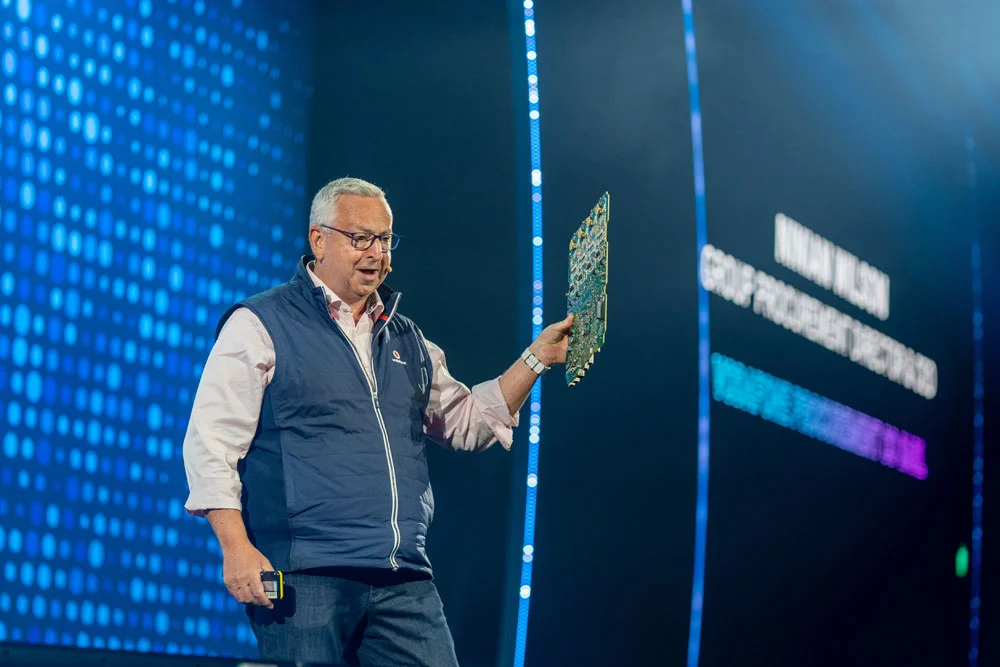
Industry heavyweights are issuing urgent warnings against this complacency. Notably, Vodafone CPO Ninian Wilson delivered a stark mandate at the World Procurement Congress, urging peers to seize the initiative immediately. The central thesis for modern commerce is unyielding: executive leaders must proactively drive technological change within their organizations, or they risk having disruptive operational models forced upon them by competitors, market forces, and boardrooms losing patience with sluggish efficiency gains.
Chronology of the AI Transformation in Procurement
To understand the current paralysis surrounding AI in procurement, it is necessary to examine the evolutionary timeline of enterprise technology adoption over the past two decades:
1. The Era of Rigid Automation (Late 2000s – Late 2010s)
Procurement technology was historically defined by Enterprise Resource Planning (ERP) rollouts and basic e-sourcing tools. These platforms were designed primarily for transaction processing, catalog management, and basic spend visibility. However, they were plagued by rigid workflows, poor user adoption, and long deployment cycles that routinely failed to deliver projected return on investment (ROI).
2. The Rise of Predictive Analytics (2018 – 2022)
As supply chain volatility increased due to global trade tensions, pandemic-era disruptions, and geopolitical conflicts, procurement functions began looking toward advanced data analytics. Algorithms were introduced to forecast price fluctuations and manage basic supplier risk, though these solutions still required extensive human oversight and manual data cleansing.
3. The Generative AI Explosion (2023 – Present)
The public debut of large language models and advanced cognitive computing tools fundamentally shifted expectations. Suddenly, AI could draft contracts, analyze complex unstructured supplier communications, negotiate routine terms autonomously, and simulate multi-tiered supply chain shocks in real time. However, this velocity caught many traditional procurement organizations flat-footed, widening the chasm between tech-forward disruptors and legacy operators.
Supporting Data and Industry Dynamics
The hesitation observed among CPOs is not born of pure ignorance; rather, it is fueled by a confluence of psychological, financial, and structural barriers deeply embedded within corporate hierarchies.
The Workforce Anxiety Factor
The most immediate psychological barrier to AI adoption is the fear of automation. Because procurement roles have traditionally relied heavily on administrative execution, invoice matching, and manual contract reviews, professionals naturally worry about job obsolescence. This instinctive paranoia often manifests as passive resistance, where teams deliberately minimize engagement with new digital tooling to preserve legacy workflows.
The Legacy Trauma of Unproven Returns
CFOs hold long memories. Past decades are littered with multi-million-dollar software implementations that promised revolutionary efficiency gains but delivered marginal operational improvements. Because procurement functions have historically struggled to articulate clear, quantifiable ROI for technology rollouts, Chief Financial Officers have systematically downgraded procurement tech stacks on corporate investment priority lists. This capital starvation creates a self-fulfilling prophecy: without funding, teams cannot run meaningful proofs-of-concept; without proofs-of-concept, CFOs refuse to release capital.
Escalating Infrastructure and Token Costs
As organizations move past basic experimentation, the financial realities of running advanced AI workloads become apparent. The token costs associated with proprietary large language models, cloud compute resources, and specialized API integrations are spiraling. Smaller enterprises, in particular, worry about ballooning operational expenditures that outpace immediate cost-reduction benefits realized in supplier negotiations.
The "Silver Bullet" Fallacy
Perhaps the most damaging misconception among leadership is the belief that a single software vendor will eventually release an all-encompassing platform capable of solving every operational woe. In reality, modern AI integration in procurement is modular, iterative, and ecosystem-based. It requires combining specialized natural language processing tools, predictive risk engines, and custom-trained internal algorithms rather than waiting for a mythical turnkey box.
Official Responses and Expert Perspectives
The dialogue surrounding AI in procurement has shifted from polite academic panels to urgent, unfiltered executive warnings.
Reflecting on the prevailing industry sentiment, one anonymous CPO offered a brutal assessment of their peer group:
"What I’ve seen from an AI perspective with, I’d say, the majority of procurement people is very much that they are sticking their head in the sand. There’s a phenomenal amount of fear out there."
This unvarnished critique highlights a systemic cultural failure. Rather than embracing continuous learning, many procurement departments are retreating into administrative comfort zones, hoping the technological wave will somehow pass them by.
Contrasting this inertia is the proactive stance championed by industry leaders like Vodafone CPO Ninian Wilson. Speaking directly to delegates at the World Procurement Congress, Wilson issued a definitive call to action:
"Adopt AI and bring it in. I encourage you all to seize the opportunity, seize the day and don’t sit and wait, because you either do it to yourselves or it gets done to you."
Wilson’s message underscores that technological evolution in supply chain management is no longer optional. Organizations that fail to build internal competency today will find themselves structurally uncompetitive tomorrow.
Implications for the Future of Enterprise Leadership
The stakes for global procurement organizations have never been higher. As the corporate world prepares for gatherings such as the upcoming Tomorrow’s Procurement Leader conference in Austin, Texas—featuring executive insights from industry giants including Flex, Clorox, Meta, and Cisco—the dialogue must pivot decisively from hesitation to execution.
1. Redefining the CPO Mandate
The role of the Chief Procurement Officer is undergoing a permanent metamorphosis. The traditional focus on tactical cost-cutting and supplier relationship administration is giving way to strategic technological orchestration. Future-proof CPOs must act as change agents who actively dismantle cultural fear, upskill their workforce, and foster a psychologically safe environment where experimentation and failure are treated as vital steps toward innovation.
2. Overcoming CFO Skepticism Through Micro-Pilots
To break the cycle of capital starvation, procurement leaders must abandon grandiose, monolithic technology projects. Instead, they must deploy agile, low-cost, high-impact micro-pilots that demonstrate immediate, measurable value to the business. By proving ROI on targeted tasks—such as automated spend classification or rapid contract risk screening—CPOs can rebuild credibility with the C-suite and unlock necessary funding for broader transformations.
3. The Cost of Inaction
Ultimately, the warning delivered by industry pioneers remains absolute: adapt or be disrupted. Companies that cling to legacy manual processes while competitors harness cognitive automation will suffer from inflated operational costs, sluggish supply chain responsiveness, and diminished market relevance.
The window for passive observation has officially closed. For procurement leaders willing to lift their heads from the sand, the future offers unprecedented opportunities to redefine enterprise value; for those who refuse, the market will render the decision for them.