The retail landscape is undergoing a metamorphosis, driven by artificial intelligence, shifting consumer health priorities, and the rapid evolution of digital media. From September 22 to 24, 2026, the Mandalay Bay Convention Center in Las Vegas played host to Groceryshop 2026, a pivotal gathering that brought together over 4,000 of the world’s most influential retail leaders. As the flagship event for the modern retail ecosystem, this year’s iteration served as both a barometer for industry health and a laboratory for the next generation of consumer engagement strategies.
With more than 30,000 co-matched business meetings facilitated through the event’s signature “Meetup” program, the conference underscored a fundamental truth: while digital transformation is accelerating, the value of face-to-face connection remains the bedrock of retail strategy.
The Core Pillars of Change
Groceryshop 2026 was anchored by three primary themes that are currently reshaping the industry:
- AI as the Primary Concierge: Artificial intelligence is moving from a back-end optimization tool to the front-end consumer interface. It is increasingly becoming the shopper’s first stop in their journey, acting as a personal assistant that manages meal planning and automated cart building.
- The Redefinition of Value: Driven by a combination of household budgetary constraints and the widespread adoption of GLP-1 medications, consumer purchasing behavior is shifting. Shoppers are becoming more selective, and the industry is being forced to adapt to a reality where the contents of the average grocery cart are changing more rapidly than at any point in the last several decades.
- Retail Media’s Promotion to Core Ecosystem: Retail media has officially transcended its status as a peripheral advertising channel. It is now a foundational pillar of the retail ecosystem, integrating deeply into the operational and financial models of grocers and brands alike.
Chronology of an Evolving Industry
The event kicked off with a palpable sense of urgency. In the opening sessions, industry analysts highlighted that the traditional grocery store model is under pressure. The rise of GLP-1 medications—which alter metabolic health and food cravings—has already begun to impact sales volume and categories, forcing retailers to pivot their assortments.
By day two, the conversation shifted to the technical requirements of this new era. As Rocquan Lucas, Vice President of Content at Groceryshop, noted during the keynote address, the responsibility now falls on grocers and brands to make their product data “machine-readable.” In an age where AI agents are making purchase decisions on behalf of consumers, if a product’s data isn’t perfectly optimized for an algorithm, that product effectively doesn’t exist.
The final day focused on the integration of physical and digital experiences. Exhibitors moved away from passive displays toward active, technology-driven engagements that provided measurable data points, reflecting a broader trend of data-driven experiential marketing.
Supporting Data and the "Meetup" Momentum
The scale of Groceryshop 2026 is best measured by its "Meetup" program. By facilitating over 30,000 targeted, co-matched meetings, the organizers created a high-efficiency environment that stands in stark contrast to traditional "walk-the-floor" trade shows. This data-driven approach to networking mirrors the very industry it serves: just as retailers use AI to match products to consumers, Groceryshop uses algorithms to match executives to opportunities.
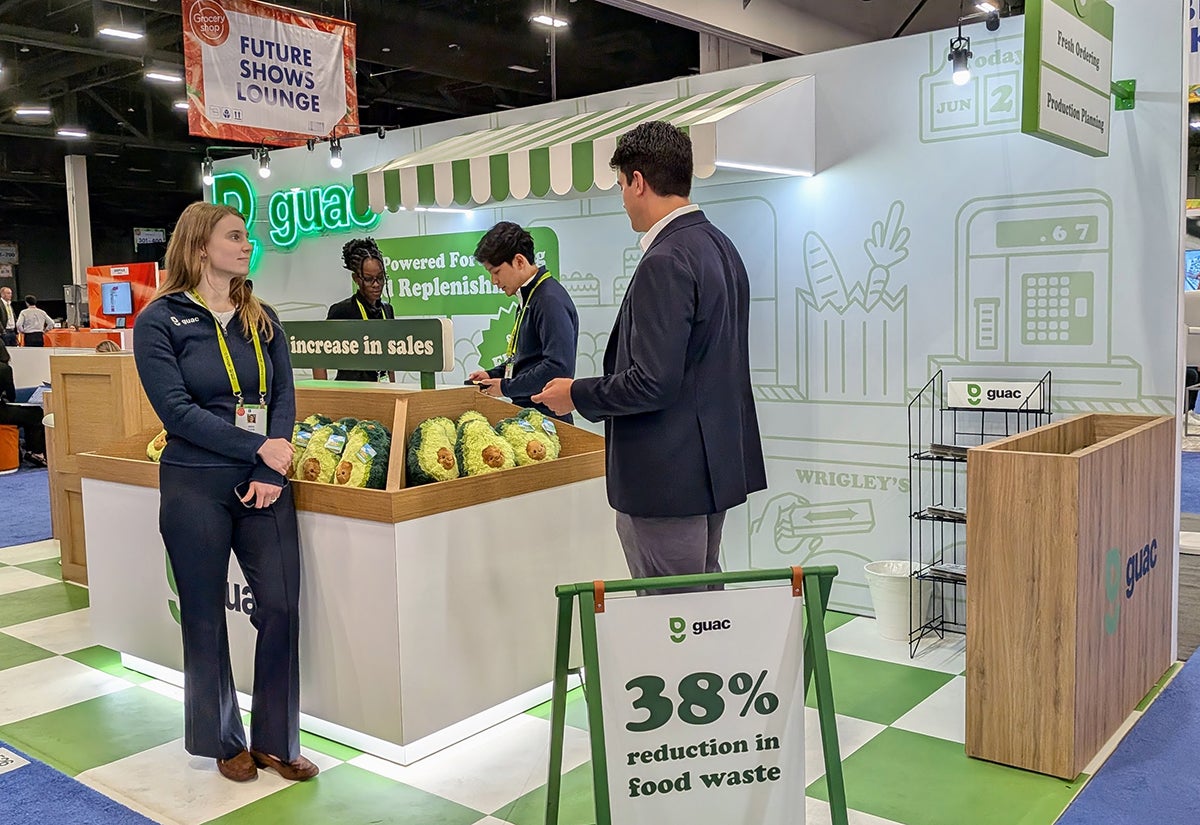
Beyond the meetings, the show floor itself provided a dataset of what works in experiential marketing. Companies like Guac, which showcased a 38 percent reduction in food waste, utilized simple, high-impact signage to cut through the noise of the show floor. In an environment where attention spans are plummeting, the success of exhibitors was directly correlated to their ability to distill complex value propositions into digestible, human-centric messages.
Official Perspectives: The Pressure on Product Data
Rocquan Lucas provided the most critical insight regarding the future of the shopping cart. "What we heard at Groceryshop 2026 is that the average grocery shopping cart is about to change more in the next few years than it has in decades," Lucas stated.
This perspective suggests that the industry is in the midst of a "data-first" transition. Brands can no longer rely on shelf placement or physical packaging alone to drive sales. They must ensure that their digital footprint—the metadata, nutritional information, and availability status—is prepared for the AI assistants that will soon be doing the shopping for the average household. This puts immense pressure on manufacturers to standardize and modernize their product information architectures.
Implications for the Future of Retail
The implications of the trends observed at Groceryshop 2026 are far-reaching.
The Rise of the "Algorithmic Shopper"
As AI assistants begin to handle routine replenishment, the traditional "brand loyalty" loop is under threat. If an AI assistant is programmed to optimize for cost, nutrition, or sustainability, the human brand manager’s job becomes much harder. Retailers who successfully integrate with these AI platforms will dominate, while those who remain siloed will find themselves invisible to the new digital shopper.
Experiential Marketing as a Necessity
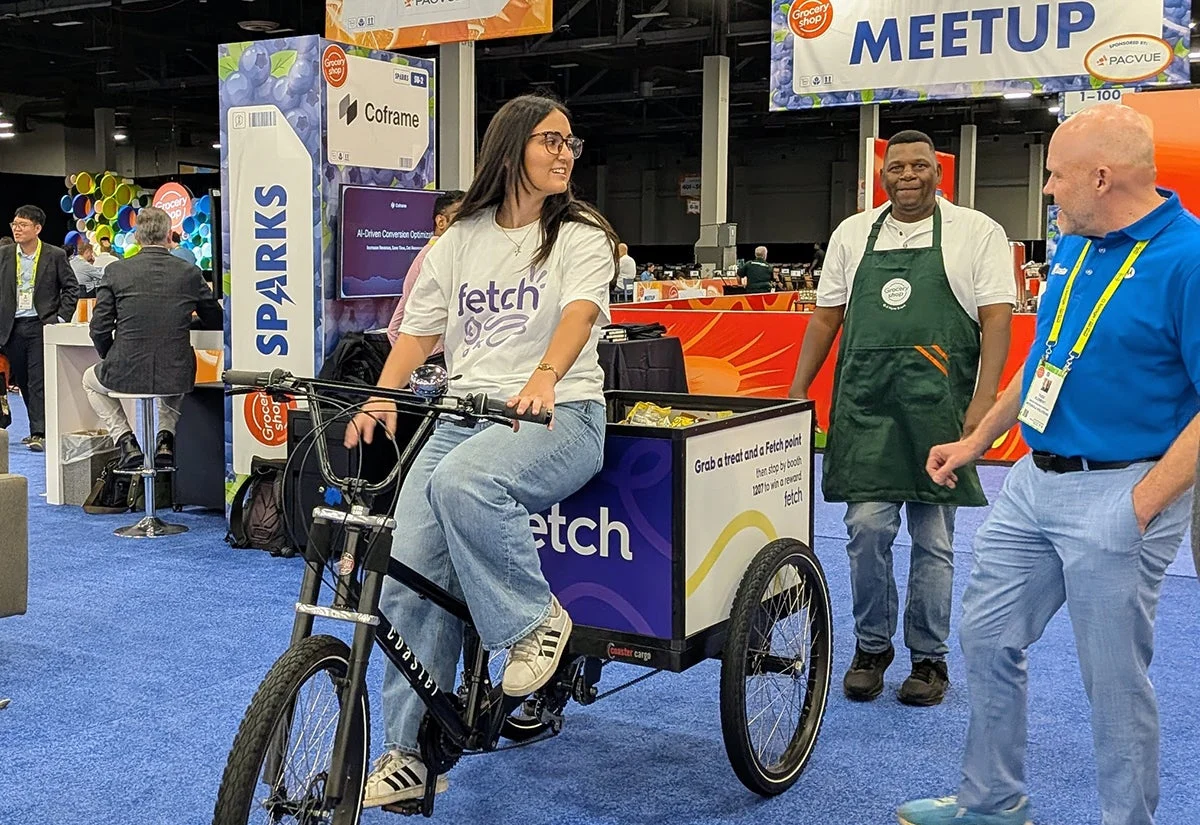
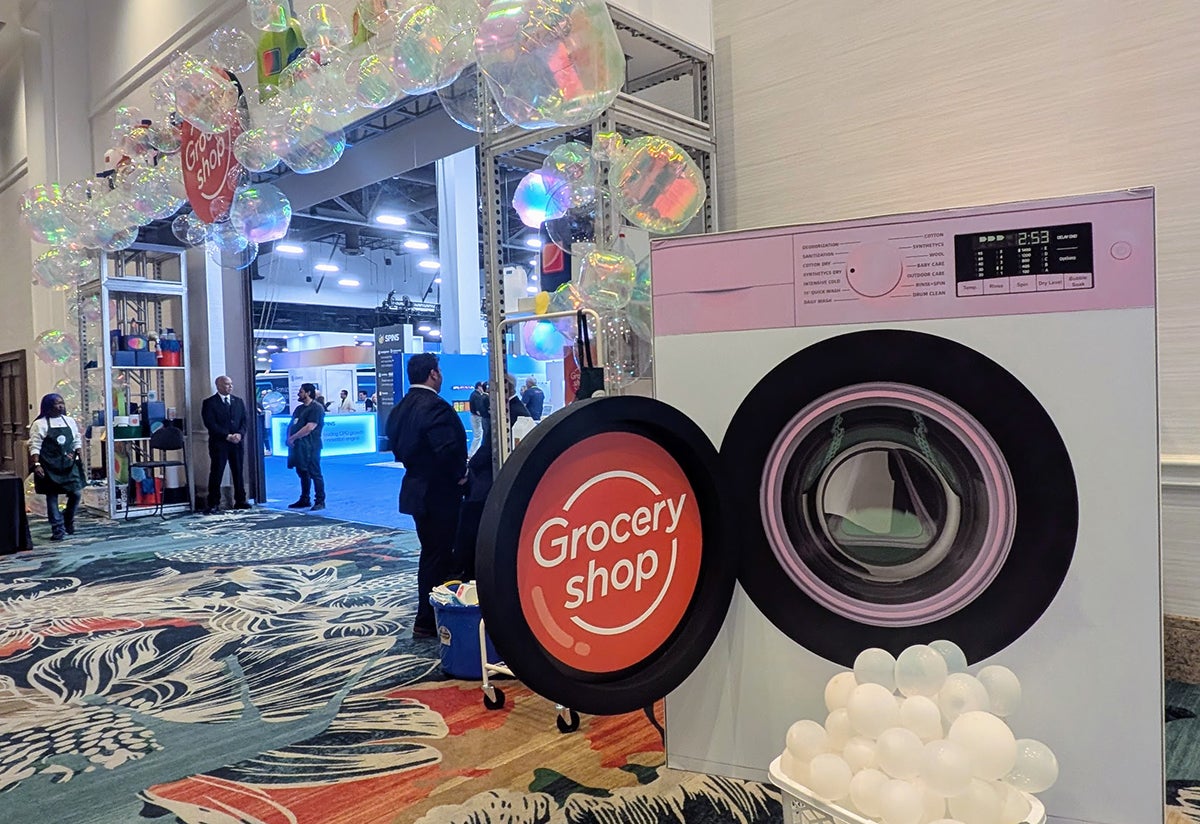
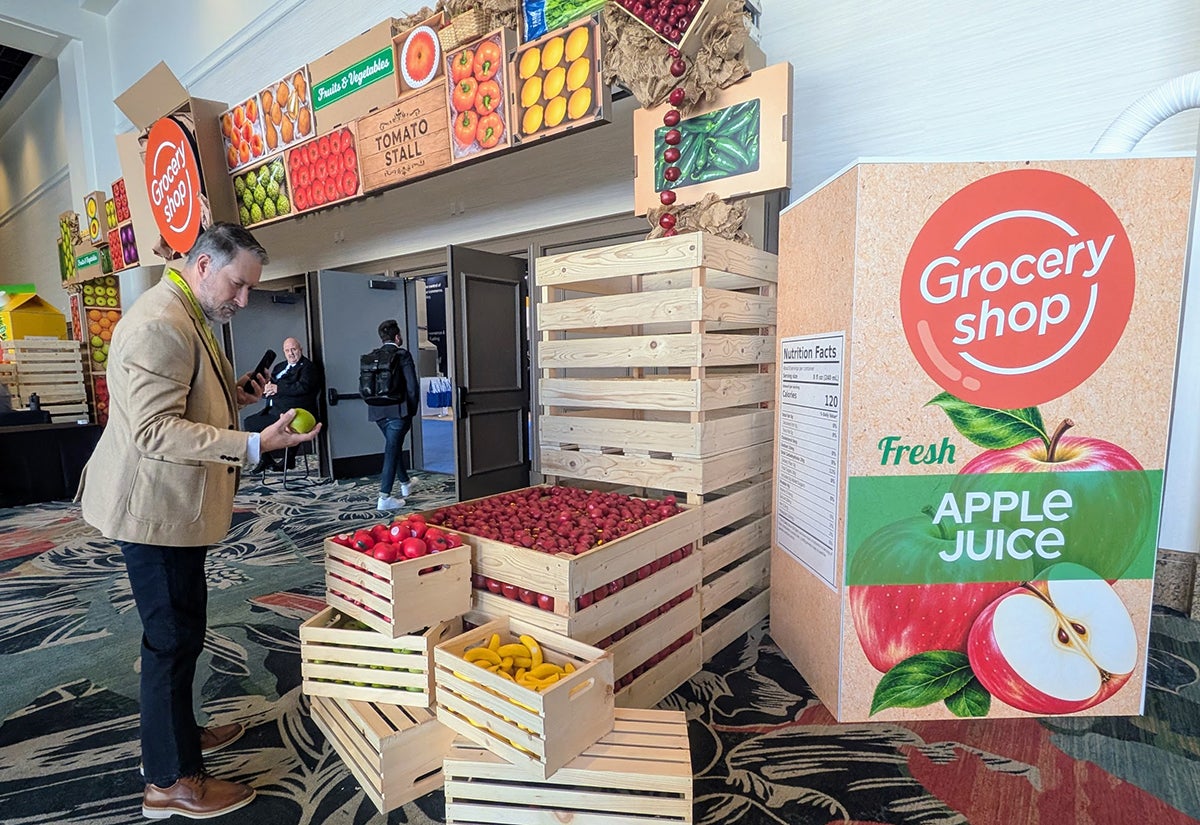
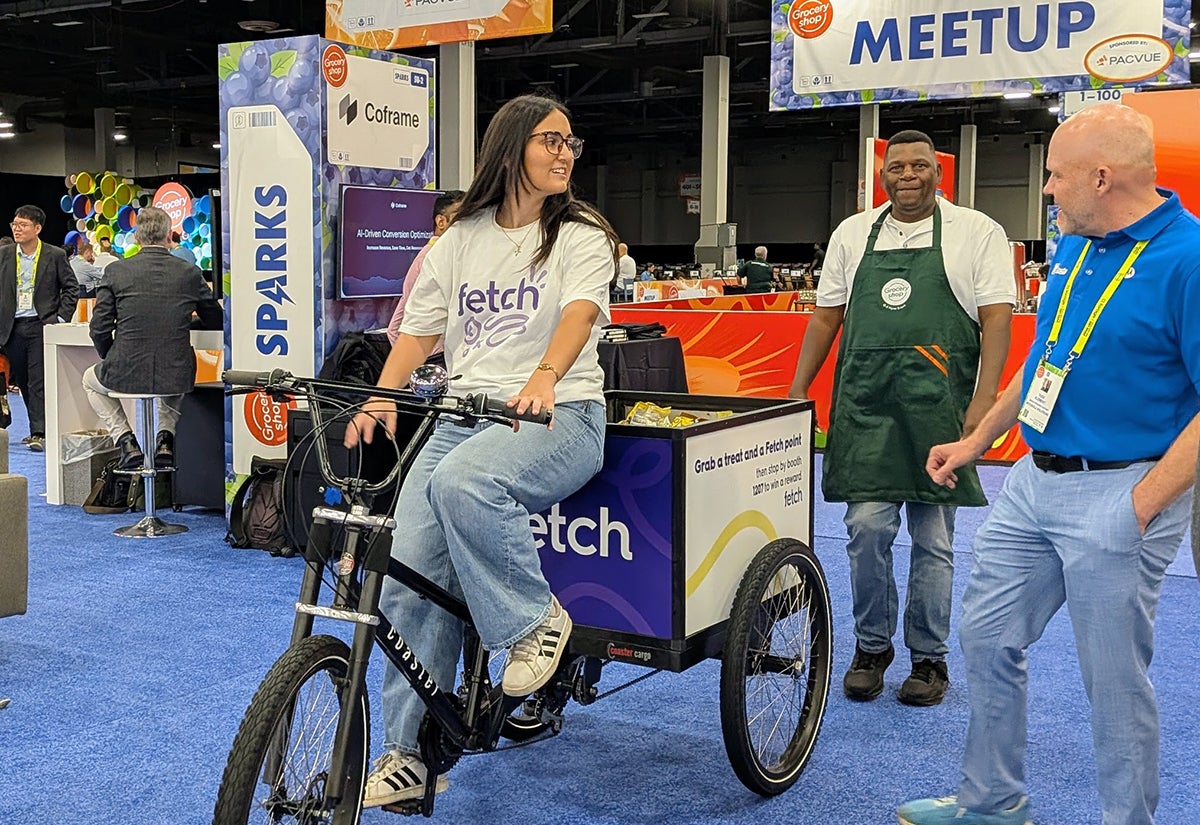
Despite the digital focus, the "show floor" at Mandalay Bay proved that physical, multisensory experiences are more vital than ever. The "bubble" entrance, the branded bicycle deliveries from Fetch, and the "Growth Bar" by Instacart were not mere gimmicks; they were strategic deployments of experiential marketing designed to create "sticky" moments in an era of digital fatigue.
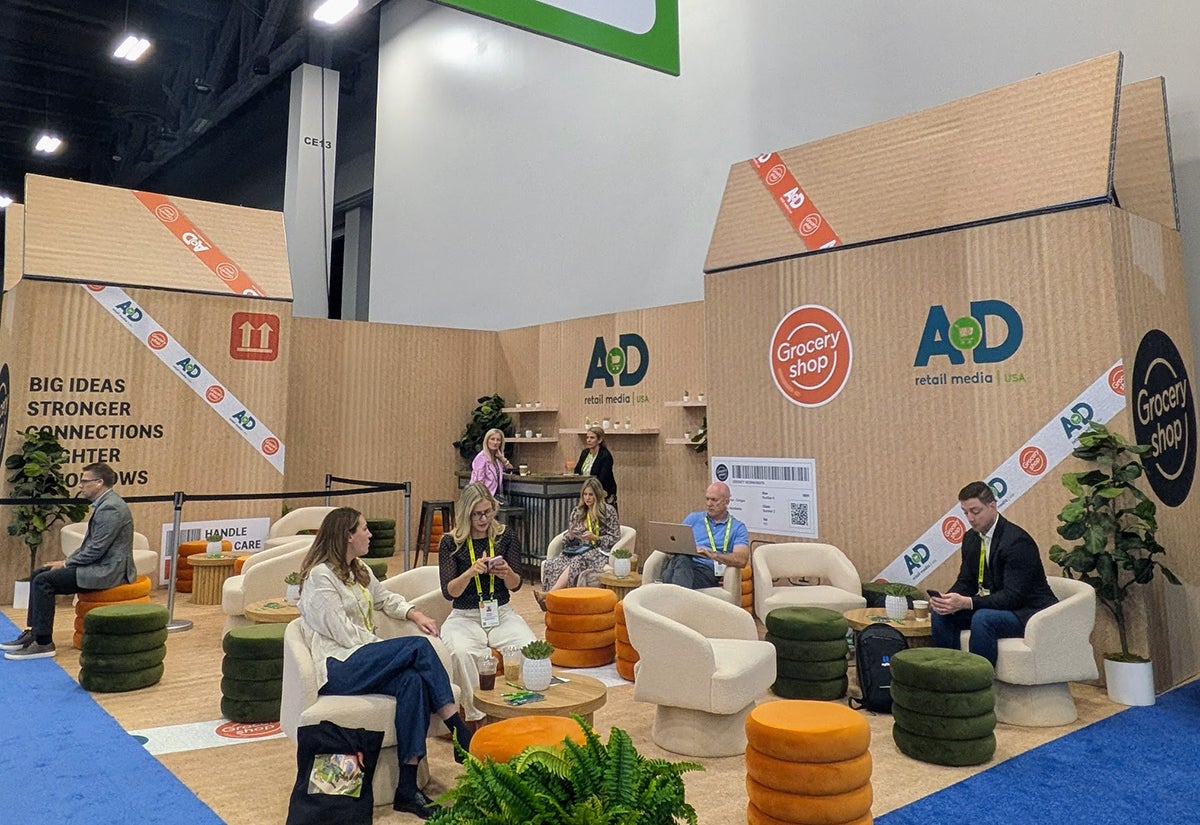
The success of the "Unpacked Lounge" by AD Retail Media—which essentially transformed a high-traffic area into a quiet, branded sanctuary—demonstrates that as the industry moves toward high-velocity digital transactions, there is a counter-trend favoring "slow", high-value, in-person interactions. Retailers are realizing that they must provide a reason for attendees (and consumers) to stay, rather than just pass through.
Measurement and Feedback Loops
The Hyve Group’s focus on real-time feedback—utilizing QR-coded posters, in-session surveys, and post-show digital interactions—serves as a template for the modern trade show. By treating the event itself as a product, the organizers were able to measure engagement in real-time, much like a retailer measures conversion rates. This commitment to measurement ensures that future iterations of the event will be even more tightly aligned with the needs of the industry.
Conclusion: A New Era of Retail
Groceryshop 2026 was not just a collection of booths and keynote speeches; it was a snapshot of a retail industry in the throes of a massive, technology-enabled structural change. The shift toward machine-readable data, the influence of GLP-1s on consumer health, and the transformation of retail media into a core ecosystem are not fleeting trends—they are the new rules of engagement.
As the industry looks ahead, the winners will be those who can balance the cold efficiency of AI-driven replenishment with the warm, tangible engagement that draws humans to the table. Whether through a cup of coffee served by an automated system or a thoughtful lounge space designed to foster human connection, the lessons from Las Vegas are clear: the future of retail is a hybrid of the digital and the physical, and those who ignore either side of that equation will be left behind.
For professionals in the retail sector, the takeaway is simple: the next few years will define the winners of the next decade. The infrastructure you build today—data-ready, AI-compatible, and experientially rich—will determine your standing in the retail landscape of 2030 and beyond.