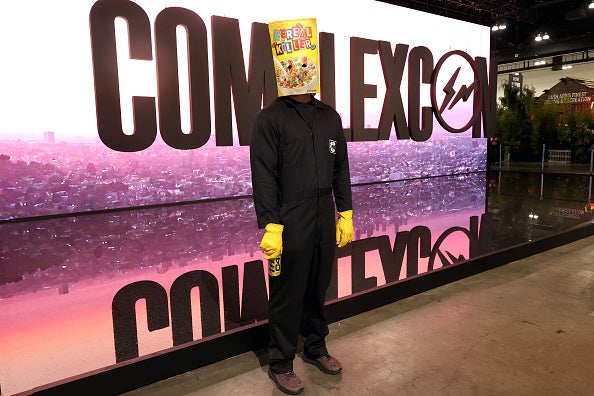
The landscape of experiential marketing reached a new zenith this October as ComplexCon, the definitive festival for global streetwear, music, and pop culture, celebrated its 10-year anniversary. Moving to the sprawling expanse of the Los Angeles Convention Center and the iconic Crypto.com Arena, the event served as a high-octane intersection where digital-native brands and physical-world consumers collided. From October 3–4, the event played host to tens of thousands of attendees, over 300 marquee brands, and an A-list roster of cultural icons, cementing its status as the heartbeat of modern hype culture.
The Milestone: A Decade of Influence
For ten years, ComplexCon has acted as a bellwether for what is “next.” This year’s edition, the first hosted in Los Angeles, felt like a homecoming for the streetwear movement. The event’s expansion into the Crypto.com Arena signaled a shift from a traditional trade show to an immersive, multi-platform festival. By running concurrently with the Family Style Food Festival and ThriftCon, the event successfully captured the trifecta of modern consumer interests: exclusive fashion, curated vintage, and elevated culinary experiences.
The sheer scale of the 2026 activations underscored a critical trend in experiential marketing: consumers are no longer satisfied with passive consumption. They demand, and are receiving, hyper-tactile, high-stakes environments that blur the line between retail and theater.
Chronology of the Experience: A Two-Day Cultural Sprint
Day One: The Grand Opening and the Rise of Urban Installations
The gates opened on October 3 to a flurry of activity. Attendees were immediately greeted by a show floor designed to mimic the grit and energy of metropolitan centers.
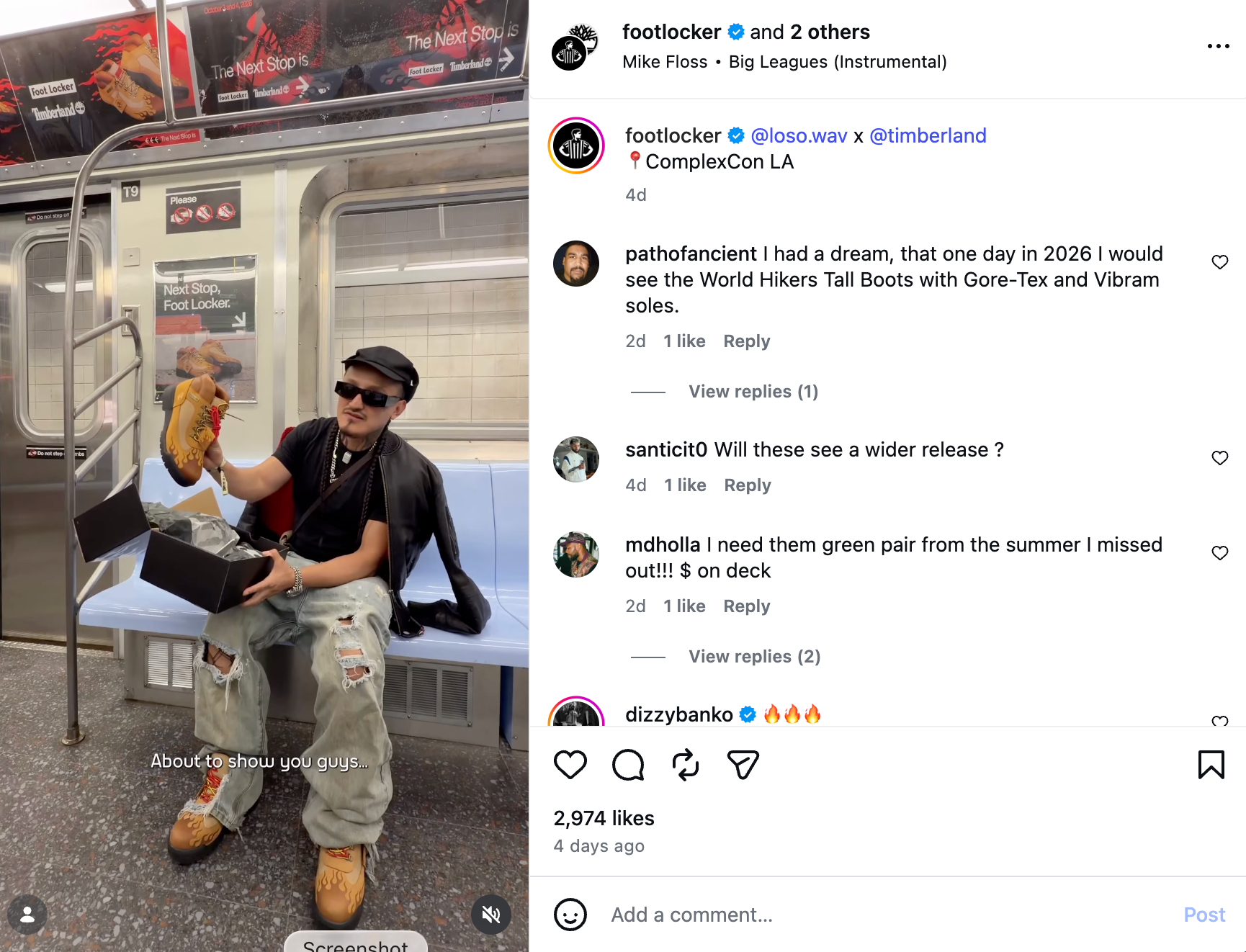
The most discussed installation of the morning was the collaboration between Foot Locker and Timberland. The booth was anchored by a hyper-realistic, to-scale subway car. This was not merely a static display; it functioned as an active retail hub where restocks were managed through an “exclusively seeded” MetroCard system, turning a simple shoe purchase into a gamified scavenger hunt.
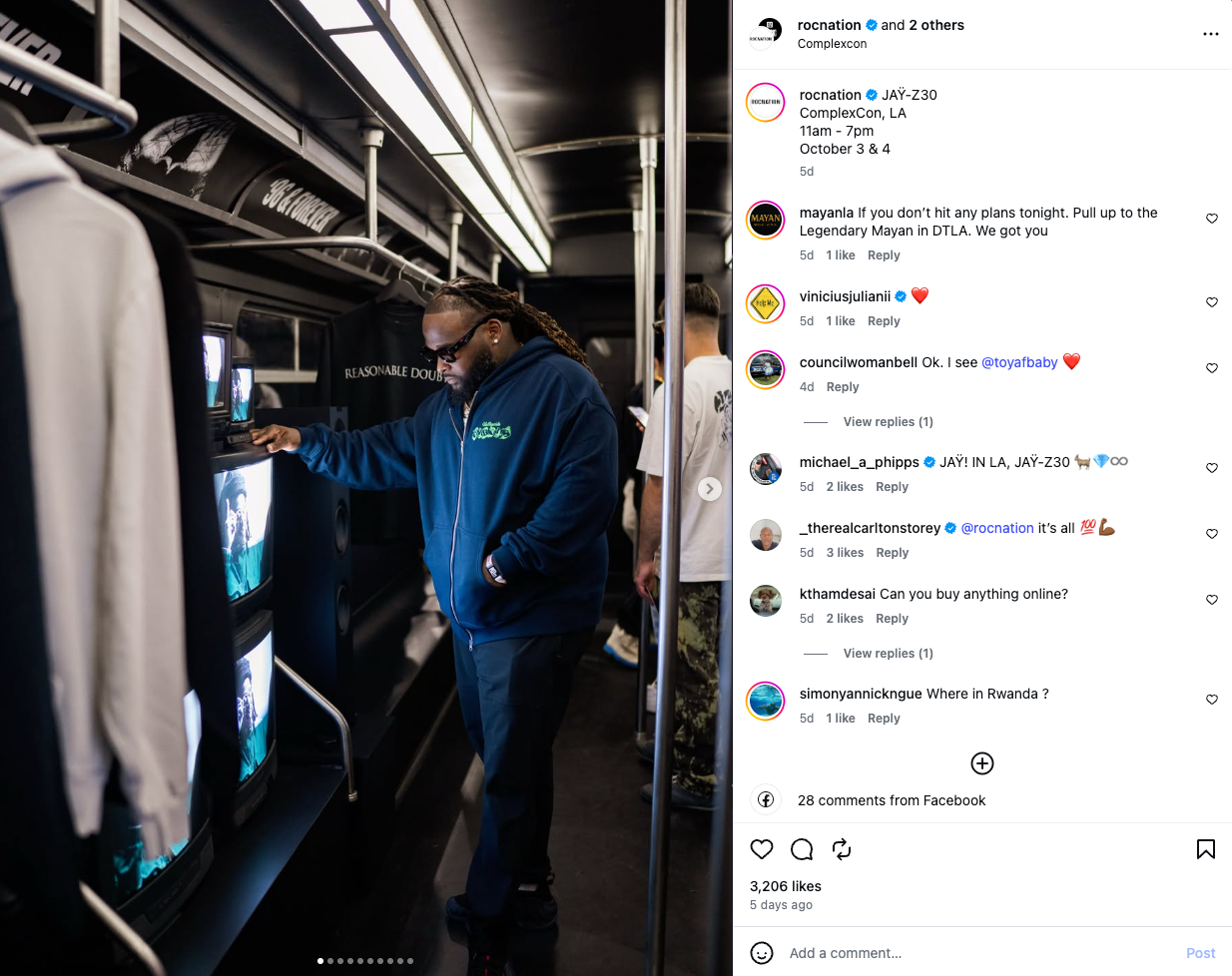
As the day progressed, the “City Life” theme became increasingly apparent. The JA-Z 30 exhibit offered a sophisticated counterpoint to the high-energy retail spaces, providing a museum-grade retrospective of Jay-Z’s 30-year career. The booth’s integration of a subway car—where “windows” projected iconic live performances—served as a masterclass in blending brand heritage with atmospheric design.
Day Two: High-Stakes Engagement and VIP Exclusivity
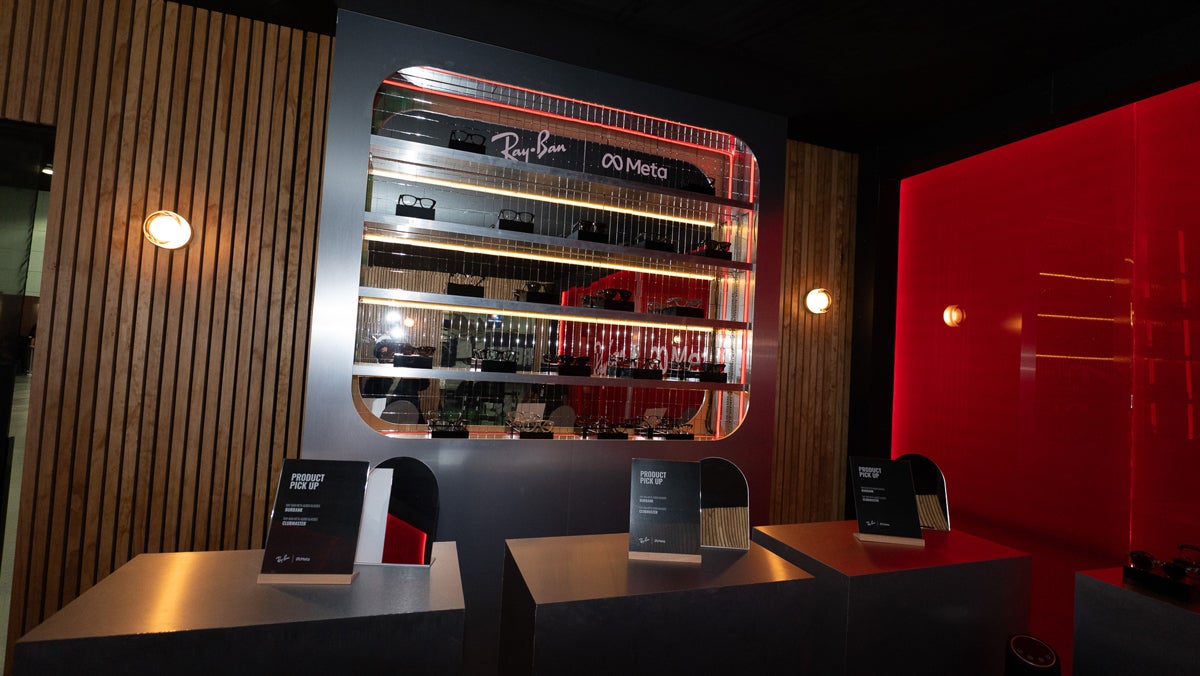
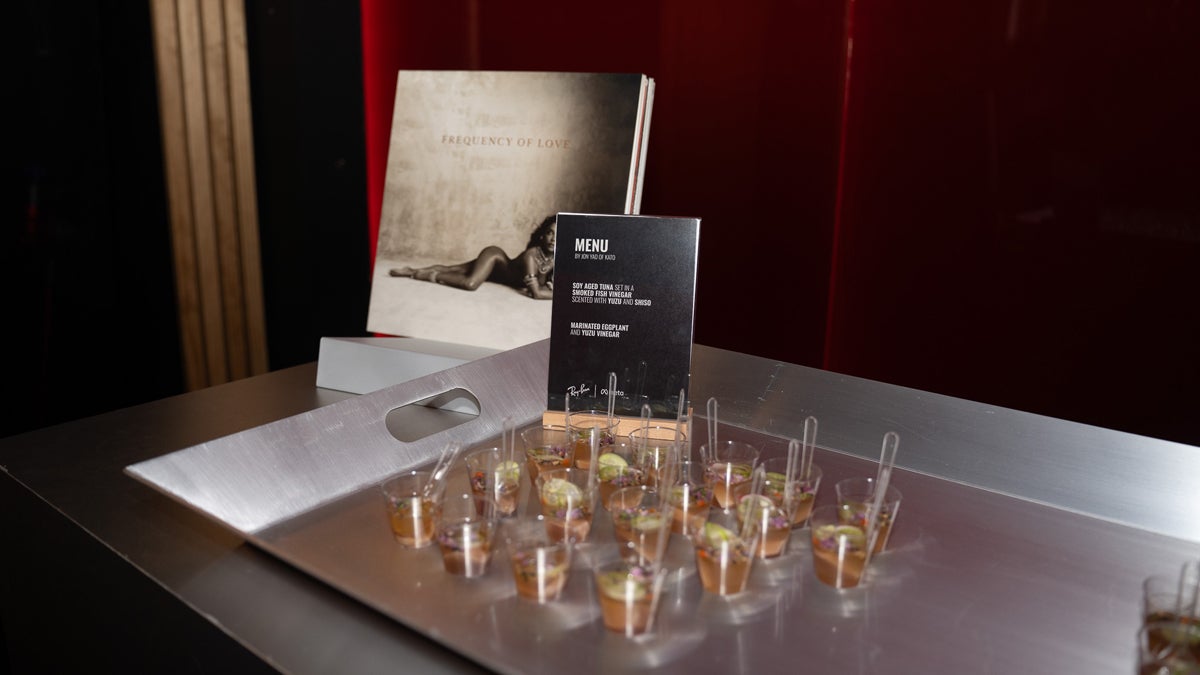
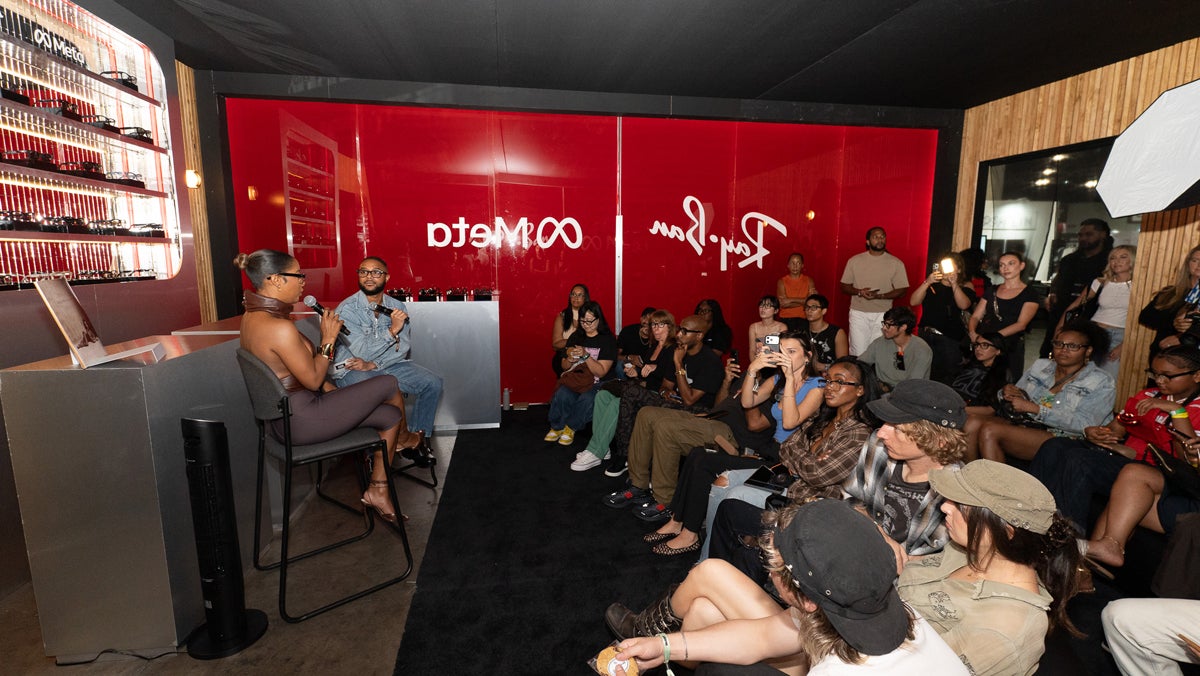
Sunday saw a shift toward high-stakes competition and intimate fan access. Meta’s partnership with Victoria Monét culminated in a private, high-fidelity silent listening session. While the public had access to the “Listening Lounge” throughout the weekend to test the new Ray-Ban Meta Audio AI glasses, the Sunday VIP event allowed a select group of fans to experience the album Frequency of Love through the hardware, followed by a direct Q&A with the artist. This strategy highlighted the growing necessity of tiered engagement: mass-market visibility paired with exclusive, high-value intimacy.
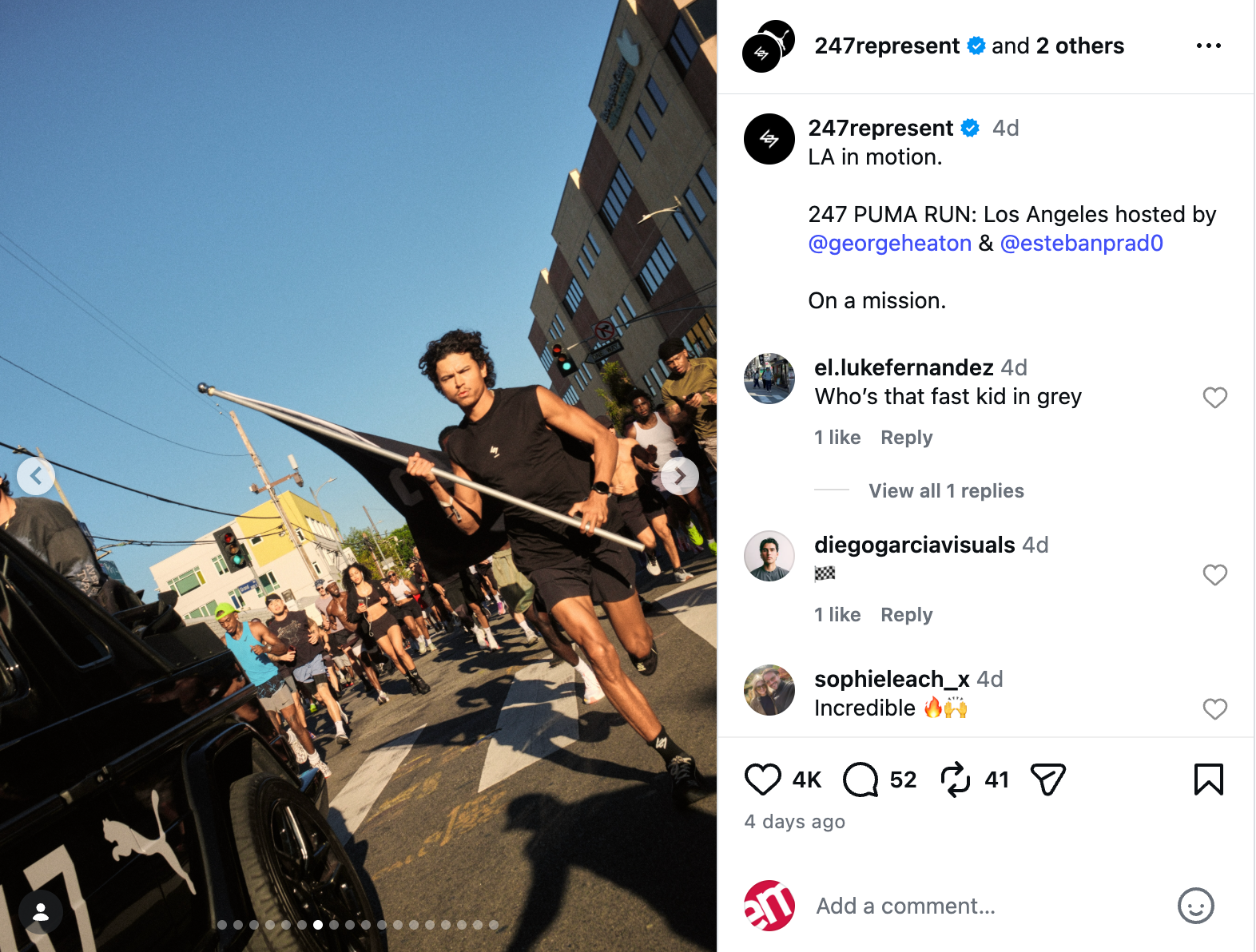
Simultaneously, the afternoon was defined by the “Foot Races” theme. Puma and 247 by Represent turned the floor into a gymnasium, challenging attendees to treadmill sprints to win unreleased product. The competitive energy was infectious, effectively transforming a standard product launch into a test of physical endurance and brand loyalty.
Supporting Data and Brand Footprints
The 2026 edition of ComplexCon provided a wealth of data regarding consumer behavior in experiential spaces. Brands that prioritized tactile, analog engagement saw higher dwell times than those relying solely on digital screens.
The "Analog-Centric" Success
Perhaps the most surprising trend was the pivot toward analog, nostalgic activations. Cash App, the Official Bitcoin Partner, leaned heavily into this by creating “Lightning Lake.” By gamifying the intangible—making cryptocurrency tangible through the act of fishing—the brand saw massive foot traffic. One lucky attendee walked away with a full Bitcoin, valued at approximately $85,000, creating an “anchor moment” for the event that dominated social media feeds for the duration of the weekend.
Similarly, the WNBA’s 30th-anniversary activation utilized a massive, vintage-style gumball machine. By operating on a 30-minute giveaway cycle, the brand maintained a consistent, pulsating energy around their booth, proving that scarcity and timing are as effective in 2026 as they were in the 1990s.
Hospitality as a Brand Strategy
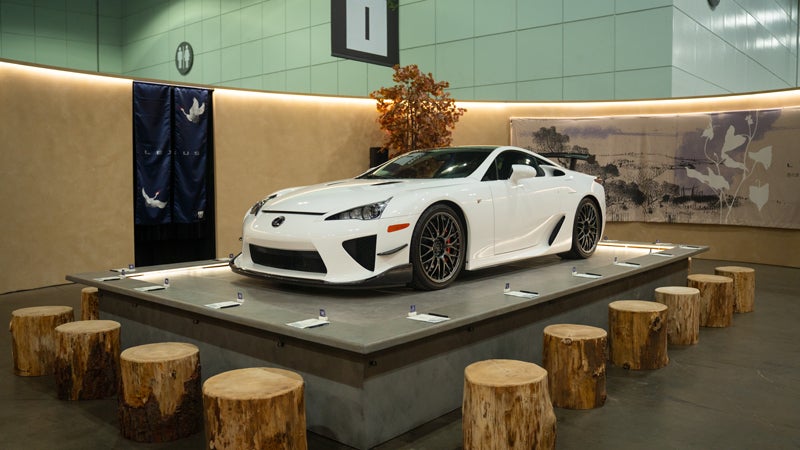
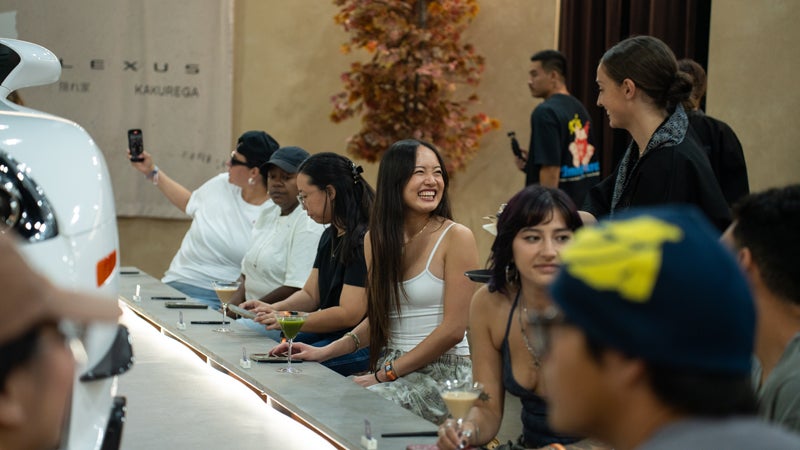
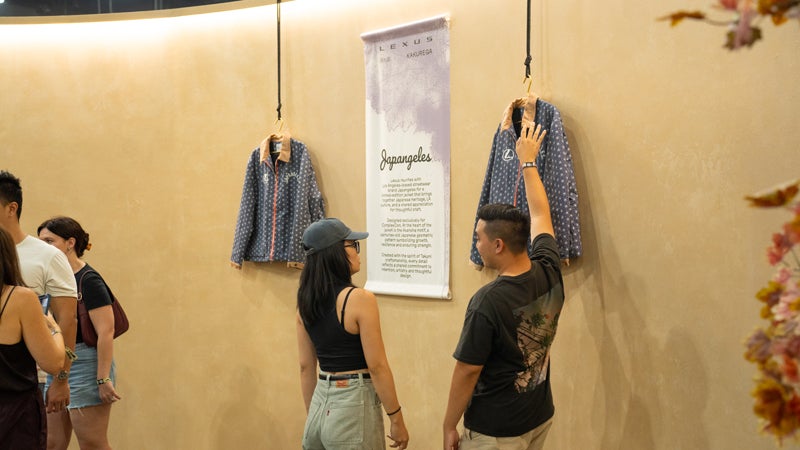
Lexus demonstrated the power of the "hidden experience." By providing a dual-layered activation—the public "Lexus Kissa" for coffee and matcha, and the invitation-only "Lexus Kakurega"—the brand utilized hospitality to foster deeper brand sentiment. The 30-minute, curated sessions in the Kakurega moved beyond simple product placement into the realm of storytelling and cultural connection.
Official Responses and Industry Sentiment
In post-event statements, brand representatives emphasized that the goal for 2026 was to break the "sterile trade show" mold. "We aren’t here to just show product; we are here to show the environment the product lives in," noted a spokesperson for one of the major streetwear partners.
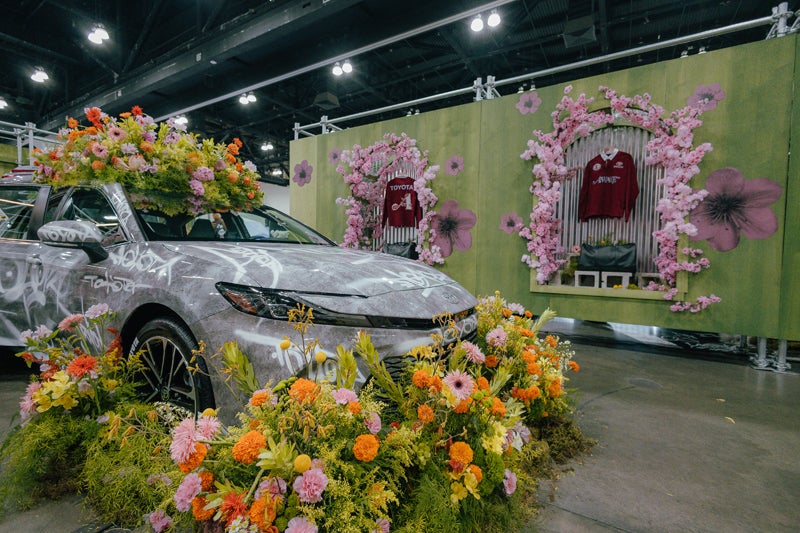
The integration of local culture—seen through the graffiti-laden aesthetics and the inclusion of regional food vendors—received high marks from attendees. The consensus among exhibitors was that the 10th-anniversary milestone provided the necessary gravity to push brands toward more creative, high-production-value installations that prioritized the attendee’s journey above all else.
Implications: The Future of Fan Cons
The success of ComplexCon 2026 suggests several key shifts in the future of the festival circuit:
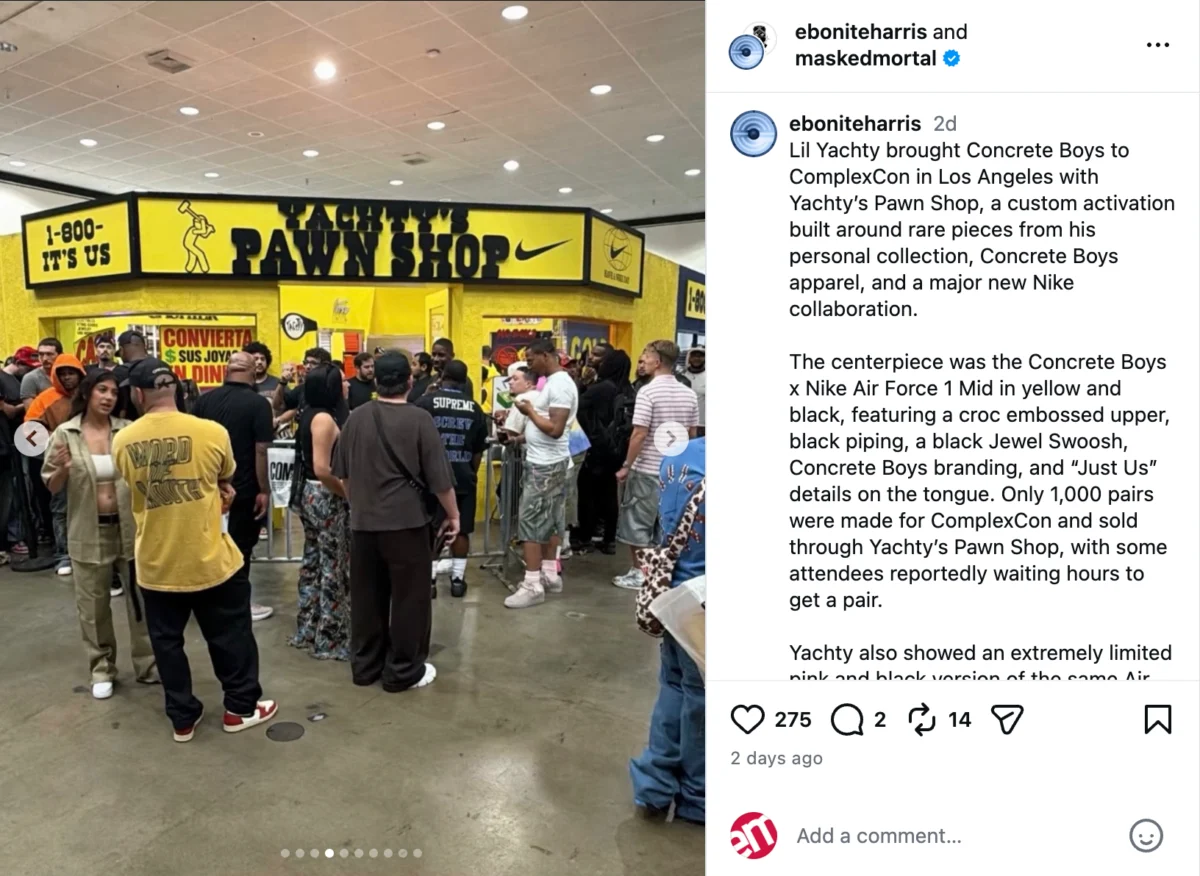
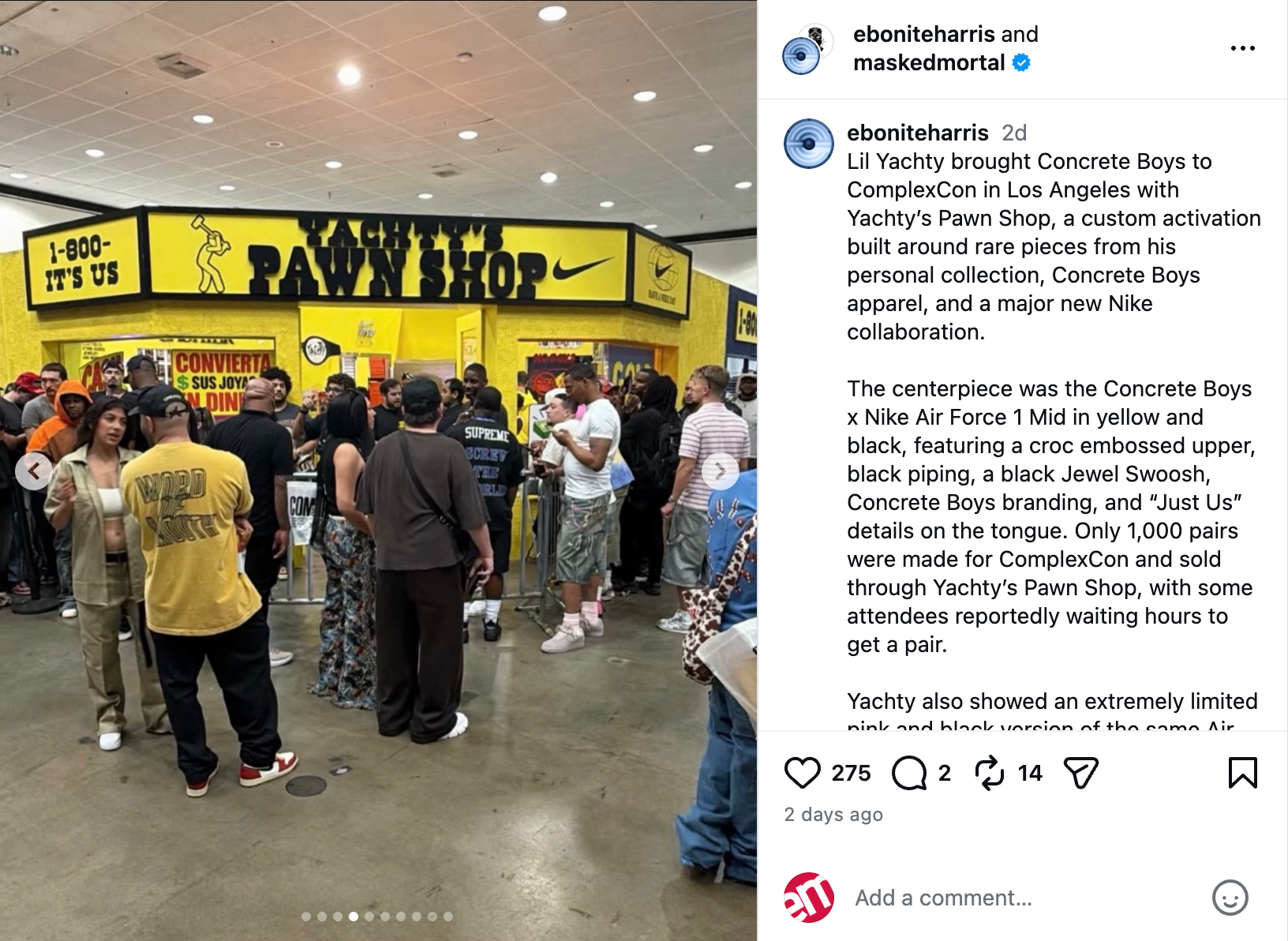
- The End of Passive Retail: Brands that simply display products are being ignored. The "Pawn Shop" concept, pioneered by Lil Yachty, which allowed fans to buy, sell, and trade in a shop-like environment, proved that retail is most effective when it feels like a community service rather than a point-of-sale terminal.
- The "Hidden Room" Economy: The success of the Lexus Kakurega and the Meta private sessions indicates that the modern consumer values exclusivity. Creating a tiered journey, where a public experience serves as a gateway to a private one, is the new gold standard for luxury and tech brands alike.
- The Return of the Analog: Despite the presence of AI-powered glasses and high-tech digital displays, the most popular attractions—the gumball machine, the fishing lake, and the carousel—were fundamentally analog. This suggests a post-digital fatigue, where attendees crave tangible, tactile interactions that ground them in the physical moment.
- Hybridization of Sport and Style: The success of the Puma and Brooks race activations proves that "athleisure" has evolved into "active performance." Brands are no longer just selling a sneaker; they are selling the lifestyle of the athlete, and in doing so, they are turning their booths into arenas of competition.
Conclusion: A New Standard
As ComplexCon looks toward the next decade, the 2026 L.A. edition has set a formidable benchmark. By successfully merging the worlds of high-tech innovation with the nostalgic, tactile charm of traditional carnivals and city life, the festival has redefined what a “fan con” can be. It is no longer just a place to shop; it is a laboratory for the future of culture.
For brands, the message is clear: if you want to capture the attention of the next generation, you must offer them an experience that is as complex, layered, and authentic as the culture they represent. As the curtains close on this anniversary year, the industry is already looking ahead, eager to see how these experiments will influence the next evolution of experiential marketing. The 2026 festival was more than a celebration of the past 10 years; it was a roadmap for the next 10.