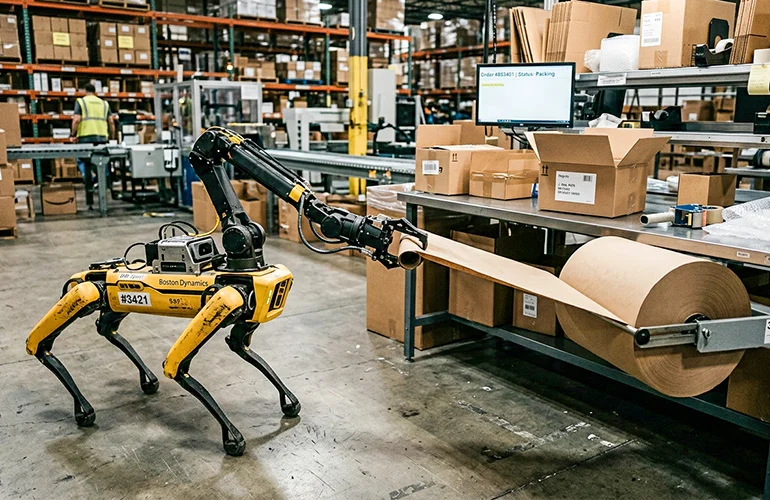
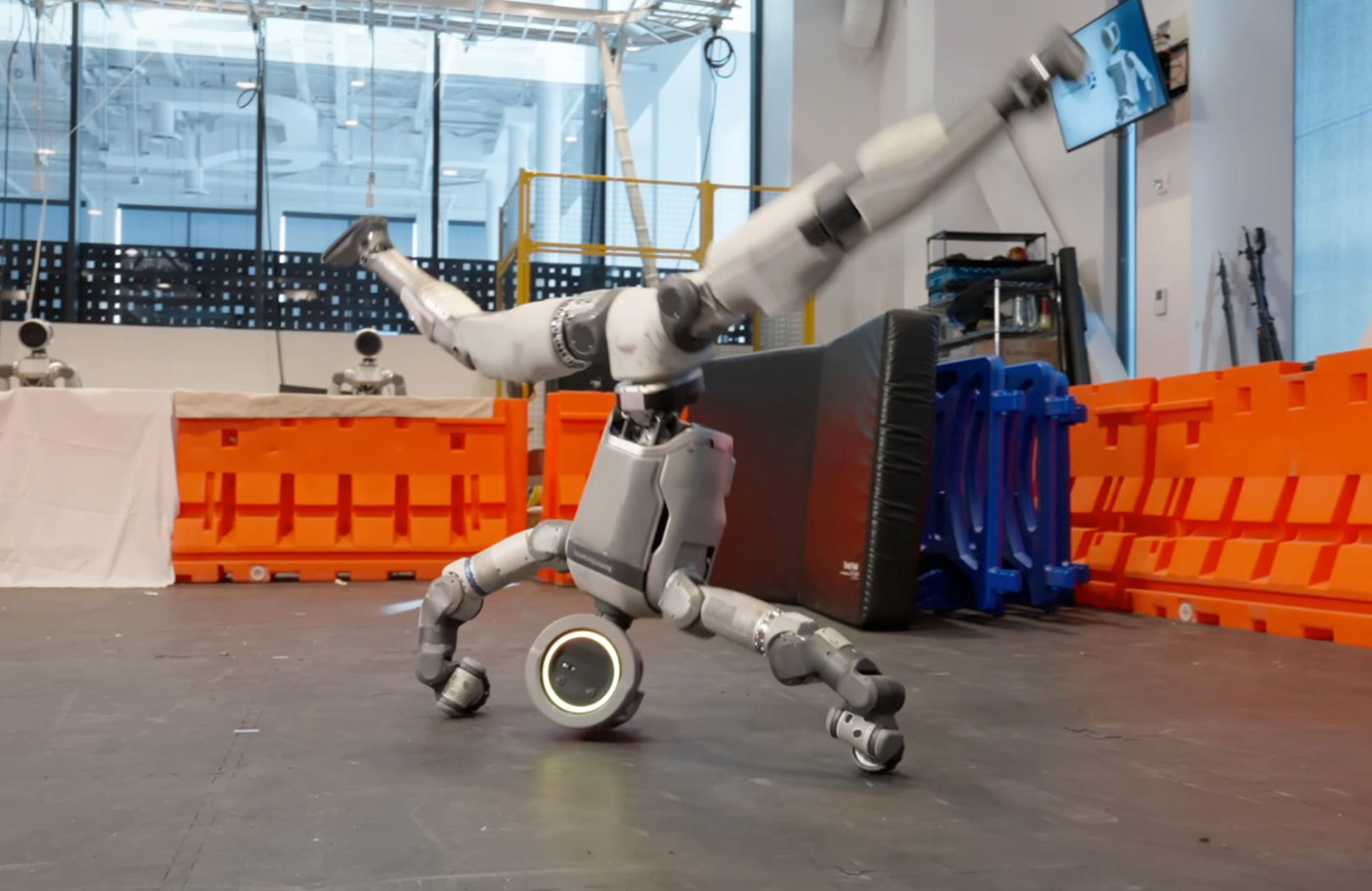
In the digital age, our perception of robotics is shaped by the spectacular. We watch in awe as humanoid machines perform backflips, navigate treacherous obstacle courses, or fold laundry with uncanny precision. These viral moments are technological milestones, signaling that embodied AI has reached a new level of sophistication. Yet, beneath the veneer of these high-profile demonstrations lies a fundamental disconnect: the difference between a robot that can perform a task once for a camera and a machine that can operate reliably in a factory for a decade.
For engineers and industry leaders, the current "robot-forward" approach—designing a platform first and searching for a task later—is hitting a wall. To transition physical AI from social media feeds to the factory floor, the industry must pivot toward a "workflow-first" design philosophy. The future of robotics may not be found in flashy humanoids, but in "boring" machines engineered specifically to master the economic and physical realities of the workspace.
The Architecture of Function: Workflow Over Form
The prevailing trend in robotics often prioritizes the platform. Companies pour immense resources into creating agile, anthropomorphic systems, only to then hunt for applications that fit their existing hardware. This is inherently backward.
Successful industrial automation begins by identifying a task with clear economic value. Only after defining the workflow—the specific movements, environmental constraints, and required force profiles—can engineers determine the necessary hardware. This process dictates the sensor stack, the material rigidity, and the form factor. When design is driven by the task, the "boring" robot often emerges as the superior choice.
Case Study: The Cost of Compromised Hardware
Consider a humanoid robot tasked with two vastly different industrial roles: precision pin insertion on an automotive assembly line and heavy-duty pallet packing in a logistics hub.
- The Pin Insertion Challenge: This task requires a 20 μm clearance and a mating force of 5 N. To succeed, the robot requires contact-force resolution below 0.1 N and a high-bandwidth control loop to detect jamming before damage occurs.
- The Pallet Packing Requirement: Conversely, palletizing demands heavy payload capacity, high structural rigidity, and the ability to endure one million cycles without mechanical drift.
If a developer attempts to build a general-purpose humanoid to handle both, they inevitably create a "middle-of-the-road" system. The result is a machine that lacks the finesse for precise assembly and the ruggedness for heavy logistics. By designing from the workflow outward, companies avoid this compromise. They prioritize the "error budget"—a critical factor that transforms sensing from a cost center into a driver of return on investment (ROI). In our internal testing, refining force sensing to maintain contact at ±0.2 N reduced connector scrap by 0.7%, yielding estimated savings of $450,000 per assembly line annually.
Chronology of an Industrial Shift
The evolution of robotics in the workplace has historically followed a trajectory from fixed-base industrial arms to mobile, autonomous platforms.
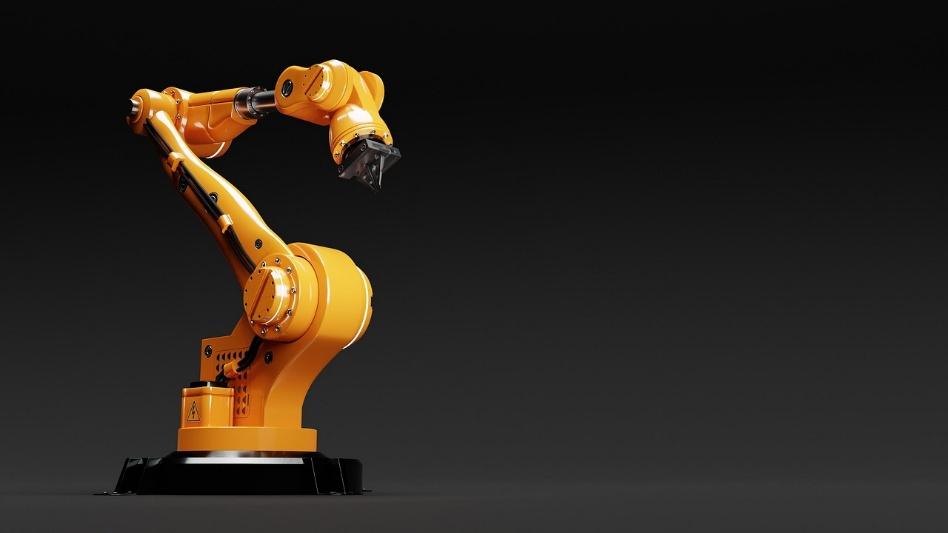
- The Era of Isolation (1980s–2010s): Robots were confined to "cages" to protect human workers. Their environments were perfectly structured, and their tasks were repetitive and singular.
- The Rise of Humanoid Interest (2015–2025): Advancements in AI and mobility allowed robots to exit the cage. The focus shifted to "human-compatible" designs, leading to the current obsession with bipedal machines that can navigate human-centric architecture.
- The Current Inflection Point (2026 and beyond): As companies seek to scale, they are discovering that "human-compatible" does not always mean "humanoid." We are seeing a shift toward hybrid designs—adding wheels, specialized manipulators, or even removing "human" features like heads to prioritize efficiency and durability.
The "Greenfield" vs. "Brownfield" Debate
A central question for modern robotics is when a humanoid form is actually necessary. This depends largely on whether the deployment is in a "greenfield" (newly constructed) or "brownfield" (existing) facility.
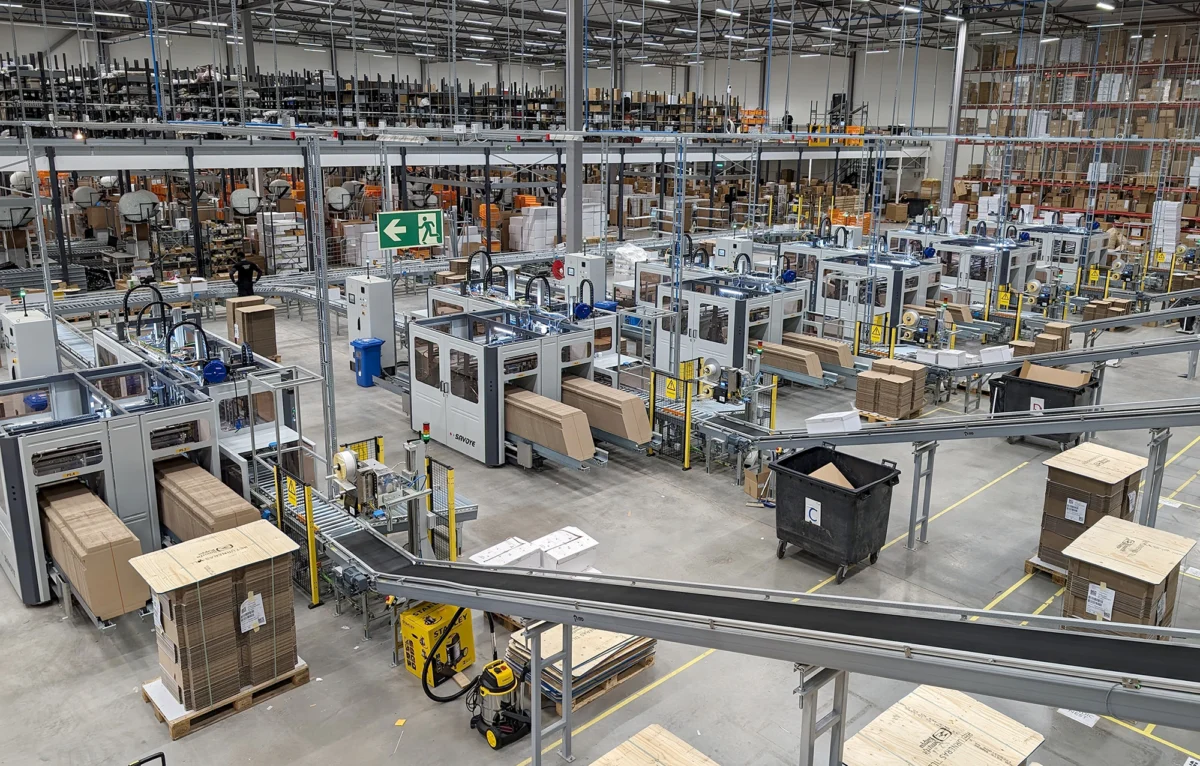
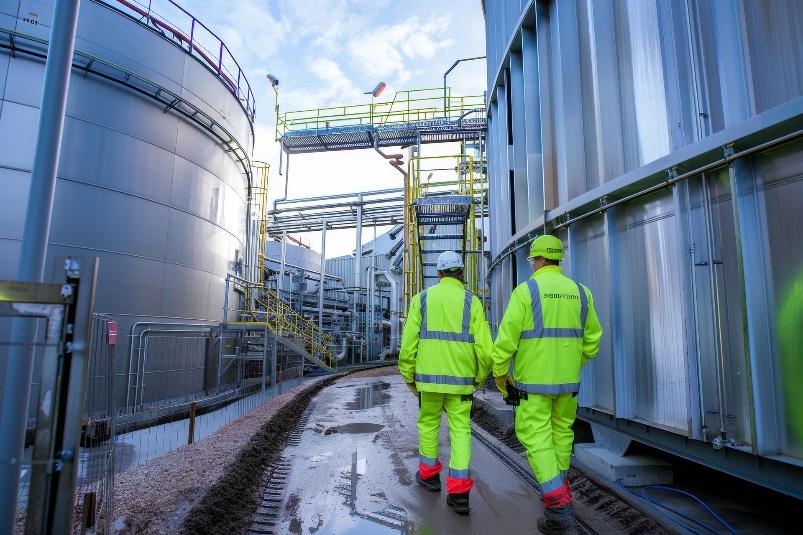
In greenfield sites, such as the Northern Lights facility, architects can build the infrastructure around the robot. In these environments, specialized, non-humanoid robots almost always win. They offer superior unit economics, higher speeds, and better energy efficiency. Legged or wheeled robots designed specifically for a task will consistently outperform a general-purpose humanoid in speed and reliability.
However, the vast majority of industrial activity occurs in brownfield sites. These facilities are full of narrow aisles, staircases, and floor gratings—all designed for the human body. Retrofitting these plants to accommodate non-humanoid robots can cost millions. In these scenarios, the humanoid form factor—or at least a human-scale robot with two arms—becomes a massive, pragmatic advantage. The test of a humanoid’s viability isn’t whether it can mimic a human, but whether it can navigate an existing human-designed space without requiring a facility overhaul.
Supporting Data: Why Sensor Physics Matter
The success of physical AI is inextricably linked to the quality of the data it receives. Regardless of the robot’s shape, the sensory physics remain constant.
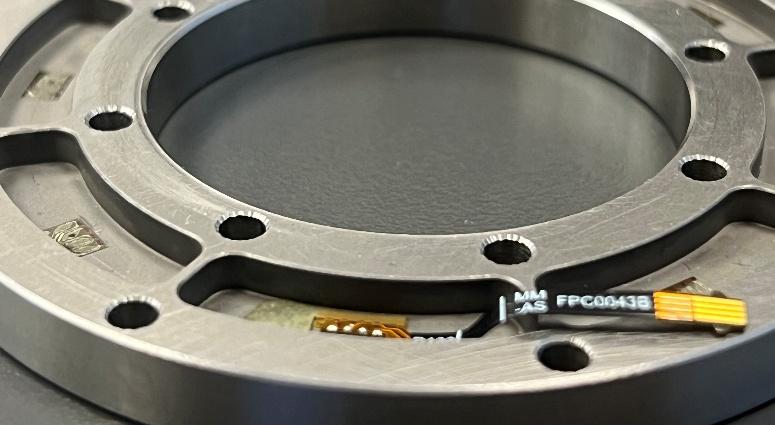
Engineers often treat sensors as an afterthought in the Bill of Materials (BOM). This is a strategic error. Strain-based sensing, for instance, provides the "ground truth" of what is happening at the joint or the end-effector. When sensors are integrated into the initial architectural design, they provide the data necessary to overcome the complex, non-linear behavior of actuator gear reductions.
True "backdrivability"—where a joint can physically reflect an environmental impact back to the control system—is only possible if the sensory stack is robust enough to handle years of thermal variation and mechanical wear. As we push toward fleet deployment, companies must shift from viewing sensors as components to viewing them as the foundation of the robot’s "nervous system."
Implications for Commercial Viability
The gap between a prototype and a product is measured in metrics that finance departments, not social media algorithms, track.
The Metrics of Reality
- Mean Time Between Interventions (MTBI): This is the ultimate benchmark. If a robot requires human intervention every 20 minutes to unjam or recalibrate, it is not an autonomous solution; it is a labor-intensive project.
- Cost Per Unit of Work: Whether it is per-pick, per-meter, or per-inspection, this figure determines whether the robot replaces or merely augments human labor.
- Redeployment Time: A truly viable platform must be flexible. If a "general-purpose" robot requires weeks of custom engineering to switch from task A to task B, it loses its competitive edge.
- Safety Incidents: The ability to operate safely outside of a cage, without harming humans or equipment, is the barrier to entry for free-roaming fleet deployment.
A viral video proves a robot can function once. A sustainable business model requires a robot to perform a task 10,000 times in a row, under varying temperatures and loads, with zero drift.

Moving Forward: A Disciplined Balance Sheet
Integrating AI into physical hardware requires a disciplined approach to the "physical balance sheet." Unlike software, which can be scaled by simply copying code, hardware must be built, maintained, and physically deployed.
Teams that take a purely software-centric view often overlook the physical limits of power consumption, thermal dissipation, and structural fatigue. The next generation of successful robotics companies will be those that balance the "intelligence" of the AI with the "resilience" of the hardware.
As we look toward the 2026 RoboBusiness conference and beyond, the message is clear: the industry is maturing. The focus is shifting from "how cool does this look?" to "how well does this work?" By starting with the workflow, building reliable sensing into the core architecture, and focusing on the metrics that define commercial viability, we can finally move past the era of the demo and into the era of the deployment.
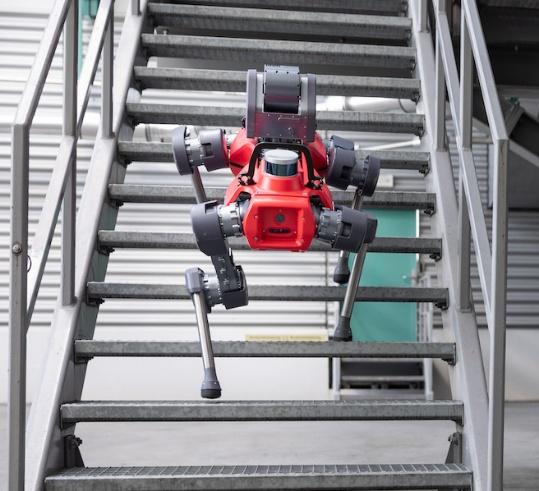
The robots of the future might not be the sleek, sci-fi humanoids we see on screen today. They might be "boring," purpose-built, and highly efficient. But in the real world, "boring" is synonymous with profitable, reliable, and essential.