In a bold move that blended experiential marketing with grassroots political activism, Colorado-based botanical wellness leader Charlotte’s Web recently executed a high-stakes mobile tour that directly challenged the legislative landscape of the hemp industry. When California enacted sweeping new bills in July 2026—effectively restricting access to full-spectrum hemp products—the company did not retreat. Instead, they mobilized.
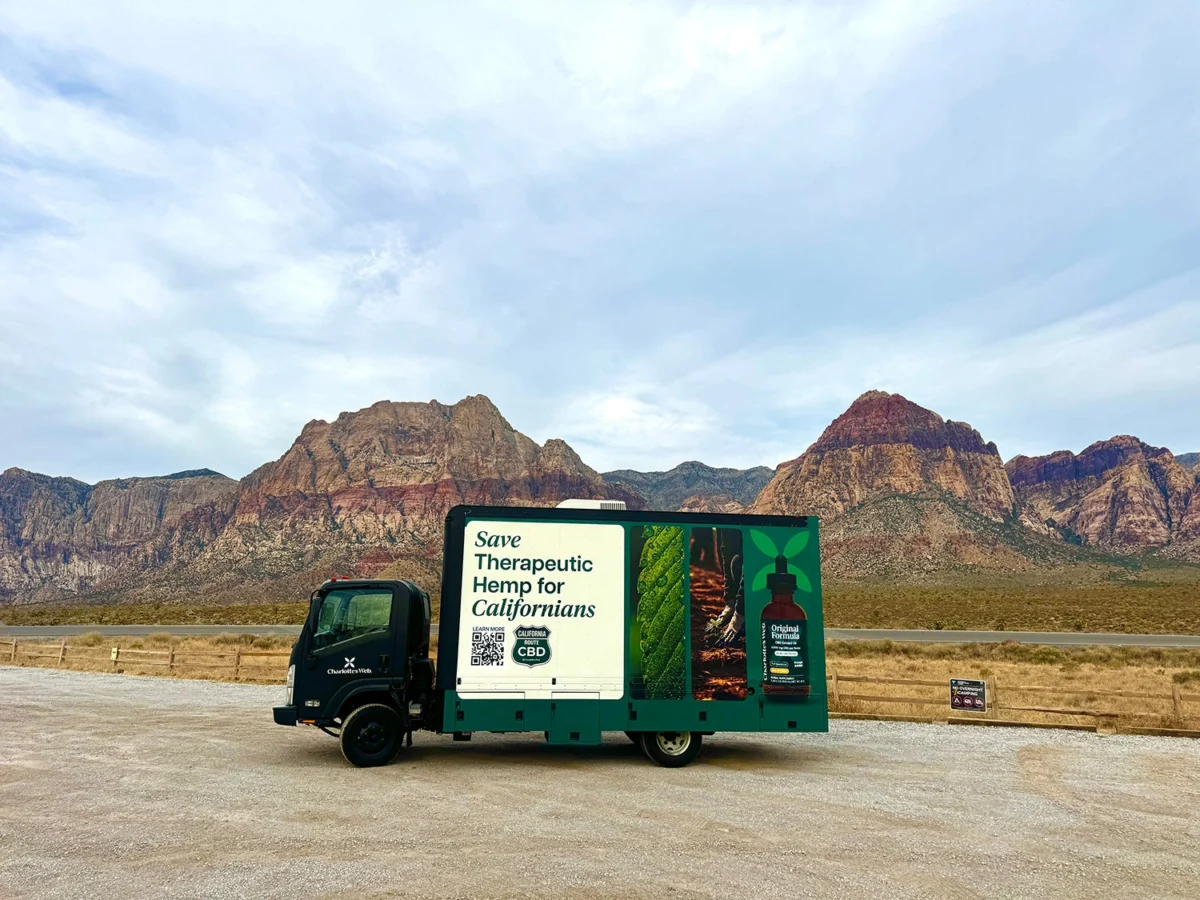
The resulting initiative, dubbed "Route CBD," was a seven-city mobile tour that traversed Nevada and California from August 10 to September 11, 2026. By turning a logistical hurdle into a platform for consumer advocacy, Charlotte’s Web transformed a retail challenge into a national conversation about health autonomy and legislative transparency.
The Genesis of the Crisis: Legislative Overreach
The conflict began in mid-2026 when California state officials moved to curtail the sale of full-spectrum hemp CBD products. For many residents, these products represent a vital component of their daily wellness regimens, utilized for therapeutic support without the intoxicating effects of THC.
When the legislative hammer fell, Charlotte’s Web found itself in a precarious position: its primary distribution channels—online retail and traditional brick-and-mortar storefronts—were effectively neutralized under the new compliance guidelines. Rather than bowing to the new regulatory status quo, the brand’s leadership saw an opportunity to demonstrate the strength of their community.
"We thought to ourselves, ‘Well, if we can’t sell it online or in retail, we’ll sell it across the border,’" explains Mindy Garrison, chief commercial officer at Charlotte’s Web. This pragmatic, defiant pivot served as the foundation for the entire campaign. By operating just outside the newly defined "restricted" zone, the company was able to maintain product availability for its most dedicated users, ensuring that the transition for patients remained as seamless as possible despite the state-level hurdles.
Chronology of the Route CBD Tour
The execution of the Route CBD tour required precision, agility, and a deep understanding of state-line compliance. Below is the operational timeline of the campaign:
- Pre-Launch (Late July 2026): Following the signing of the California bills, Charlotte’s Web’s internal marketing and legal teams pivoted from traditional retail strategies to a mobile experiential model. Partnering with the agency Moment, the team designed a mobile studio that would serve as both a storefront and an advocacy hub.
- August 10, 2026: The tour officially kicked off. The truck began its journey, positioning itself strategically in areas accessible to Californians seeking legal alternatives to the state’s retail ban.
- August – Early September 2026: For 32 days, the truck rotated through seven major cities. To maximize coverage, the team adopted a dynamic schedule, moving the vehicle to different locations within each city once or twice daily. This required real-time updates via social media and the company’s dedicated "Route CBD" microsite.
- September 11, 2026: The tour concluded its final stop, having successfully engaged thousands of consumers and gathered significant data on the impact of the new regulations.
The Three Pillars: Awareness, Advocacy, and Access
The Route CBD campaign was built upon a tripod of objectives that extended far beyond simple product replenishment.
1. Access
At its core, the campaign was a lifeline. By bringing the products directly to the consumer’s doorstep (or just across the state line), Charlotte’s Web ensured that continuity of care was not broken. The logistics were handled with extreme care, with the tour manager even providing a personal point of contact to ensure that customers knew exactly where and when the truck would be available.
2. Awareness
The truck acted as a mobile educational facility. Because the hemp industry is often subject to misinformation, the brand used the physical space to demystify full-spectrum products. Informational flyers were distributed to passersby, and staff provided direct education on the differences between non-intoxicating therapeutic hemp and other cannabis derivatives.
3. Advocacy
This was the engine of the tour. The truck served as a physical, high-tech advocacy station where attendees were invited to share their personal stories of how CBD had improved their lives. Attendees were guided through the process of writing formal letters to their legislators and California Governor Gavin Newsom. By the end of the tour, the company had successfully generated over 9,000 emails, creating a direct link between the consumer and the state house.
Humanizing the Data: Stories from the Front Lines
While the statistics of the tour are impressive, the qualitative data—the stories—provided the true emotional weight of the campaign. One of the most poignant moments occurred in Las Vegas. A family drove three hours from San Bernardino, California, specifically to source products for their daughter.
Their story, along with others like the Morales family, has become a centerpiece of the campaign’s legacy. Charlotte’s Web is currently compiling these testimonials into a short-form documentary. The intent is not merely to keep the campaign alive on social media, but to deliver a compelling, human-centric narrative to federal regulators.
"We set out from the very beginning with the idea that Route CBD needed to feel like a refuge, like a destination, somewhere where you’re welcome, you can receive education, be a part of a community and not feel ostracized," Garrison noted. By providing this platform, the company effectively turned its customer base into a unified voting and lobbying block.
Operational Challenges and Agency Execution
Executing a mobile tour of this scale while operating in a legal gray area is no small feat. The agency Moment was instrumental in managing the logistics of the tour, ensuring that the truck served as both a point-of-sale terminal and a professional-grade content studio.
The strategy of moving the truck multiple times a day created a "pop-up" effect, which naturally generated urgency and excitement. However, this level of mobility required constant vigilance. The company had to balance its legal obligations with its commitment to customer convenience. Reflecting on the campaign, Garrison admitted that while the execution was highly successful, the primary lesson learned was the value of lead time. "The only thing I’d change is starting the planning a little earlier," she noted, highlighting the immense pressure the team faced in launching a multi-city tour in a matter of weeks.
Implications for the Future of Cause Marketing
The success of Route CBD marks a turning point in how consumer brands interact with legislative adversity. Rather than waiting for legal challenges to resolve in court—a process that can take years—Charlotte’s Web opted for a direct-to-consumer, boots-on-the-ground approach.
The Power of the "Content Studio"
By treating the truck as a content studio, the brand was able to scale its impact beyond the physical attendees. High-quality video interviews were captured on-site and pushed to social media channels, allowing the campaign to reach thousands who could not attend in person. This "omnichannel advocacy" model is likely to be a blueprint for other brands facing regulatory headwinds in the health and wellness space.
Strengthening Brand Loyalty
In an era where consumers are increasingly selective about the brands they support, Charlotte’s Web has cemented its position as a company that fights for its community. By literally "going the extra mile," the brand transformed a regulatory crisis into a loyalty-building exercise. The willingness to be transparent, to provide education, and to facilitate direct political action has created a level of trust that traditional advertising simply cannot purchase.
A Signal to Regulators
Perhaps the most significant implication of the Route CBD tour is the signal it sends to state and federal regulators. When 9,000 citizens directly petition their government, it is a data point that cannot be ignored. The documentary film currently in production will serve as a permanent record of the consumer demand for these products, providing a tangible rebuttal to the legislative arguments used to justify the restrictions.
Conclusion
The Route CBD campaign serves as a masterclass in modern corporate activism. Charlotte’s Web navigated a complex regulatory environment with grace, turning a restricted retail landscape into a powerful stage for community, education, and advocacy.
As the documentary of the tour nears completion, the ripple effects of the initiative will continue to be felt in legislative circles. By prioritizing the needs of their consumers—the Morales family, the residents of San Bernardino, and thousands of others—Charlotte’s Web has proven that when a brand aligns its mission with the genuine needs of its people, it can overcome even the most formidable of barriers.
In the future, "Route CBD" will likely be cited as the moment the hemp industry moved from being a passive participant in the regulatory process to an active, mobile, and highly organized force for legislative change. The road ahead remains uncertain, but for Charlotte’s Web, the path is clear: advocate, educate, and always, when necessary, keep moving.