CHICAGO — As industrial automation accelerates toward higher complexity, tighter integration windows, and an ongoing shortage of specialized technical labor, machine builders face immense pressure to deliver flexible, high-performance systems with shorter startup times. Addressing these evolving industry bottlenecks head-on, Festo is set to present a comprehensive portfolio of advanced automation technologies, digital engineering ecosystems, and workforce development initiatives at Automate 2026.
Running from June 22–25 at McCormick Place in Chicago, the premier automation event will serve as the backdrop for Festo’s exhibition at Booth #831. The company’s showcase centers on solving fundamental deployment and integration challenges, featuring cutting-edge motion control architectures, decentralised handling systems, multi-protocol connectivity solutions, streamlined engineering platforms, and next-generation technical training curricula.
Main Facts: What Festo is Bringing to Automate 2026
Festo’s presence at Automate 2026 is designed to target the primary friction points experienced by Original Equipment Manufacturers (OEMs) and system integrators. Modern machine designs must seamlessly incorporate an exploding number of smart devices, diverse communication networks, and adaptive production workflows. Concurrently, compressed project timelines and limited in-house engineering resources have heightened the demand for hardware and software solutions that minimise troubleshooting, elevate cross-vendor interoperability, and simplify execution from concept to commissioning.
Key technological highlights featured at Booth #831 include:
- The VTUX Valve Terminal & CTED Multi-Protocol Interface: A modular, IP67-rated platform combining pneumatic control, vacuum generation, and localized I/O designed to sit directly on the machine, drastically reducing cabinet complexity and tubing runs.
- The HPSX Adaptive Soft Gripper: A hygienic, food-safe silicone end-of-arm tooling solution tailored for high-mix collaborative and traditional automation environments, enabling the handling of delicate or irregularly shaped goods without manual tool changes.
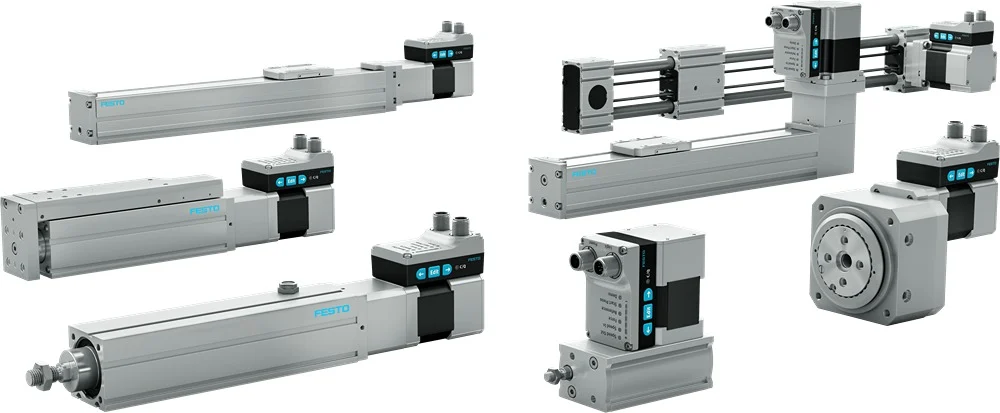
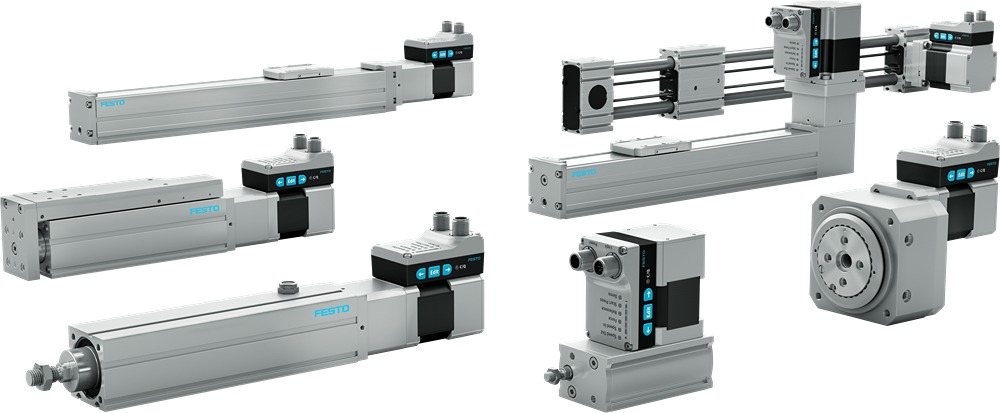
- Simplified Motion Series (SMS) Electric Actuators: Integrated motor-and-drive packages that bridge the gap between electric automation and pneumatic simplicity, allowing software-free, direct-device commissioning.
- Connected Digital Engineering Tools: Web-based environments that allow engineers to size components, verify multi-axis compatibility, generate CAD models, and streamline procurement in a unified digital workflow.
- Festo Didactic Learning Systems: Advanced hands-on Industry 4.0 training factories, such as the MPS 400, addressing the critical global skills gap in mechatronics and intelligent machine networking.
Chronology of Innovation: The Evolution Leading to Automate 2026
The technologies Festo is bringing to Chicago represent years of targeted engineering development aimed at decentralisation, simplification, and digital transformation.
Phase 1: The Shift Toward Decentralisation
Over the past several years, industrial system architectures have trended away from massive, labor-intensive centralized electrical cabinets. Festo anticipated this shift by developing modular, robust valve terminals capable of operating outside the control cabinet in harsh industrial environments. The progression of the VTUX platform represents the culmination of this philosophy—integrating field-level pneumatics, vacuum control, and diagnostic monitoring into a single IP67-protected footprint that lives closer to the point of action.
Phase 2: Bridging the Protocol Divide
As industrial networks fragment across multiple competing Industrial Ethernet standards, machine builders have long struggled with protocol lock-in and complex gateway configurations. The development and rollout of the CTED multi-protocol interface mark a strategic pivot toward universal connectivity. By supporting protocols such as EtherNet/IP, EtherCAT, Modbus TCP, PROFIBUS, and CC-Link natively, Festo’s latest hardware addresses the cross-environment integration hurdles faced by global exporters and multi-line manufacturing facilities.
Phase 3: Democratizing Electric Motion
While electric drives offer superior precision and trajectory control compared to pneumatics, their traditional commissioning workflows have historically required specialised programming knowledge and software tools. The introduction and subsequent expansion of the Simplified Motion Series (SMS) democratised electric motion by marrying the plug-and-play simplicity of pneumatics with the digital feedback capabilities of servo and stepper systems, supporting IO-Link parameterization out-of-the-box.
Phase 4: Digital Twins and Upstream Engineering
Recognizing that engineering hours often outpace physical assembly time, Festo invested heavily in integrated digital toolsets. By linking component sizing, CAD generation, and compatibility checking into a cohesive digital thread, the company has systematically shifted risk detection from the factory floor to the virtual design phase.
Supporting Data & Technological Deep-Dive
A closer look at the core hardware and software systems featured at Booth #831 reveals how Festo is engineering efficiency directly into modern manufacturing lines.
1. VTUX Terminal and CTED Multi-Protocol Interface
Cabinet real estate is a persistent constraint in modern machine building. The IP67-rated VTUX platform addresses this by consolidating pneumatic switching, vacuum management, and decentralized I/O directly onto the machine frame.
- Reduced Footprint & Tubing: By mounting closer to actuators, engineers can dramatically shorten compressed air tubing runs, which directly translates to lower pressure drops, faster cycle times, and reduced compressed air consumption.
- Integrated Diagnostics: Built-in vacuum monitoring provides continuous visibility into system performance, flagging degradation or leaks before catastrophic failure occurs.
- The CTED Interface: To solve network fragmentation, the new CTED multi-protocol module enables direct connection to major Industrial Ethernet ecosystems—including EtherNet/IP, EtherCAT, Modbus TCP, PROFIBUS, and CC-Link—allowing a single terminal hardware variant to be deployed across globally diverse control architectures.
2. HPSX Adaptive Gripper for High-Mix Automation
In industries ranging from food processing to pharmaceuticals and cosmetics, high-mix, low-volume production runs require robotic end-effectors that can adapt on the fly.
- Hygienic Design: The HPSX is an FDA-compliant, hygienic soft gripper featuring food-safe silicone fingers.
- Gentle Handling: It accommodates delicate, flexible, or irregularly shaped products without requiring costly, time-consuming tool changes between batches. Combined with Festo’s advanced vacuum generators and suction cups, the HPSX elevates reliability in both collaborative (cobot) and high-speed traditional robotic cells.
3. Simplified Motion Series (SMS) Electric Actuators
For machine builders seeking the precision of electric motion without the programming overhead, the Simplified Motion Series offers an elegant hybrid approach.
- All-In-One Package: SMS integrates the motor and drive into a single mechanical unit. Commissioning is performed directly on the device using onboard buttons and LEDs, eliminating the need for complex parameterisation software or external drives housed in a cabinet.
- Extended Connectivity: While operating with the simplicity of a standard pneumatic cylinder, SMS units support digital I/O and IO-Link. This enables remote parameter backup, predictive process monitoring, and real-time health checks, bridging traditional fluid power mechanicals with smart factory data collection.
4. Connected Engineering Ecosystems
Engineering labor bottlenecks are mitigated through Festo’s integrated web-based sizing and configuration tools.
- Risk Mitigation: The software platform enables engineers to configure complex multi-axis handling systems, size pneumatic and electric actuators, verify accessory compatibility, and generate accurate CAD models within a unified interface.
- Interoperability Verification: By validating compatibility prior to purchase, the tools eliminate costly ordering errors and ensure that mechanical, electrical, and pneumatic subsystems integrate smoothly upon physical delivery.
Official Responses and Expert Insights
Festo’s leadership team emphasizes that the challenges facing modern manufacturing cannot be solved through hardware alone; they require a holistic approach spanning component design, digital tooling, and workforce education.
"As automation projects place added demands on OEMs and system integrators, machine designs are incorporating more devices, networks, and production flexibility," noted Festo application engineering representatives ahead of the event. "At the same time, shorter startup timelines and limited technical resources are increasing the need for solutions that reduce troubleshooting, improve interoperability, and support more efficient project execution."
Beyond the exhibition floor, Festo experts will share critical industry insights through a series of official conference and panel sessions scheduled throughout Automate 2026:
- Tuesday, June 23 (11:15 AM – 12:00 PM | Room N427abc): Ted Rozier moderates the panel Robotic Safety, Risk Assessment and Responsible AI in Education and Training, addressing the ethical, safe, and efficient integration of artificial intelligence into technical workflows.
- Wednesday, June 24 (1:30 PM | Room S404bc): Frank Langro presents Choosing the Best Fit Motion Control Components and Systems, offering actionable selection frameworks for machine builders navigating complex design trade-offs.
- Wednesday, June 24 (3:00 PM | NextGen Theatre): Carlos Alfaro Flores participates in the panel Breaking In, Standing Out, and Shaping the Future of Automation, focusing on mentorship, career pathways, and talent cultivation in the industrial technology sector.
Implications for the Automation Industry
Festo’s presence at Automate 2026 highlights several broader macro-trends reshaping the industrial automation landscape:
- The Blurring Lines Between Pneumatics and Electronics: Through innovations like the Simplified Motion Series and decentralized IP67 valve terminals, the industry is moving away from the false dichotomy of "pneumatics versus electrics." Modern systems leverage the high power density of fluid power combined with the intelligent feedback and flexibility of electric drives.
- Combating the Skills Gap Through Standardisation: With technical labor shortages remaining a persistent operational hurdle, hardware that simplifies commissioning—such as software-free SMS setup and multi-protocol interfaces like CTED—reduces the reliance on specialized programming talent, allowing general maintenance technicians to commission and maintain complex lines.
- Holistic Workforce Ecosystems: By pairing advanced physical hardware with structured educational platforms like Festo Didactic’s MPS 400 learning factory, companies are recognising that technology deployment and workforce upskilling must occur in tandem to achieve true Industry 4.0 maturity.
Engineers, system integrators, OEMs, educators, and manufacturing leaders attending Automate 2026 are invited to visit Festo at Booth #831 to explore live demonstrations, consult with application specialists, and discover how integrated motion control and connectivity can future-proof their production pipelines.
For more information on Festo’s complete technology portfolio, visit www.festo.com.