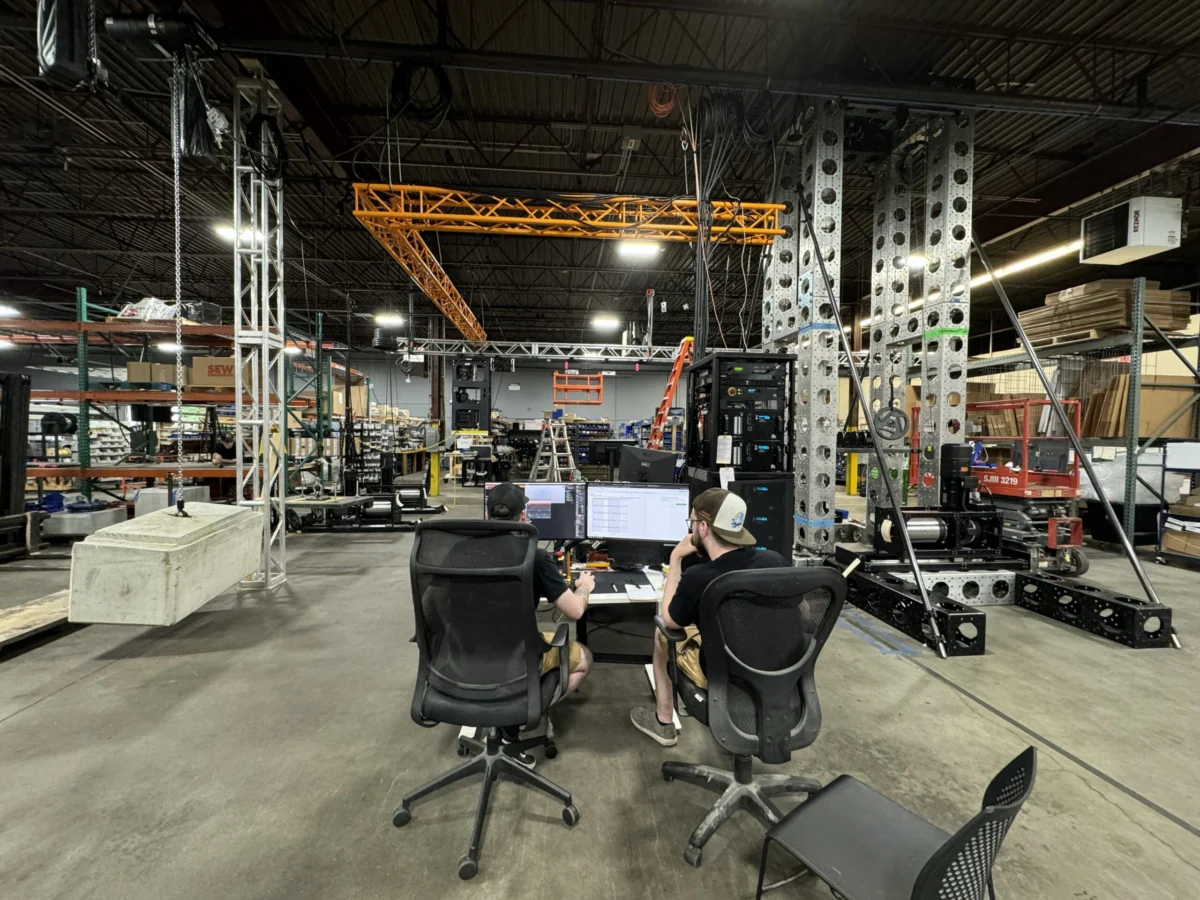
Modern theater productions, massive arena concert tours, and spectacular permanent installations rely heavily on advanced motion control systems. Behind the seamless choreography of gliding scenery, shifting LED walls, and performers soaring effortlessly above the stage lies an intricate network of precision machinery. At the forefront of this entertainment engineering revolution is Creative Conners, a specialized designer and manufacturer of modular theater automation systems.
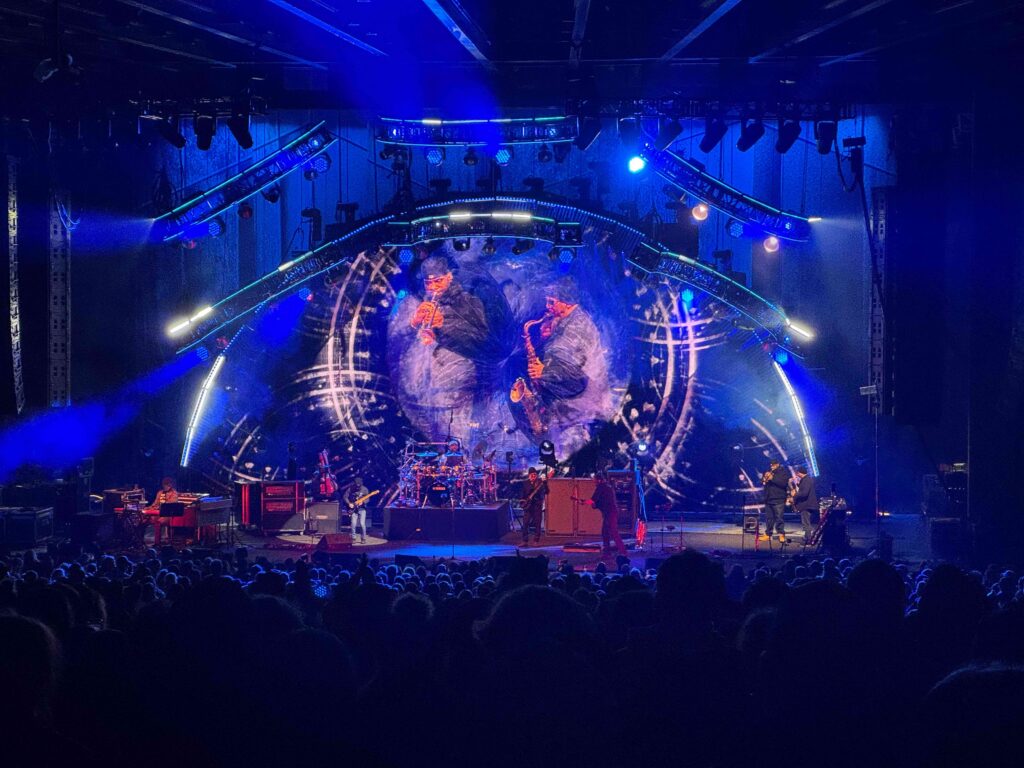
By taking a vertically integrated approach, Creative Conners bridges the gap between high-end commercial spectacles—such as productions for Cirque du Soleil and the Dave Matthews Band—and more modest regional or educational theater groups staging local productions like Les Misérables.
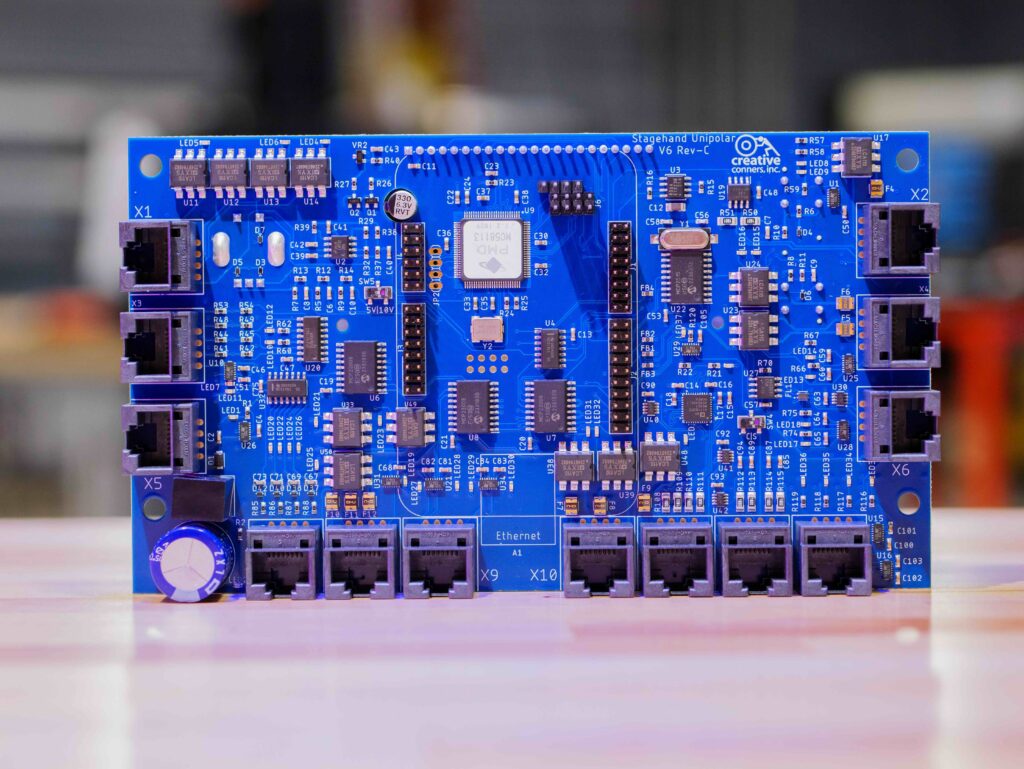
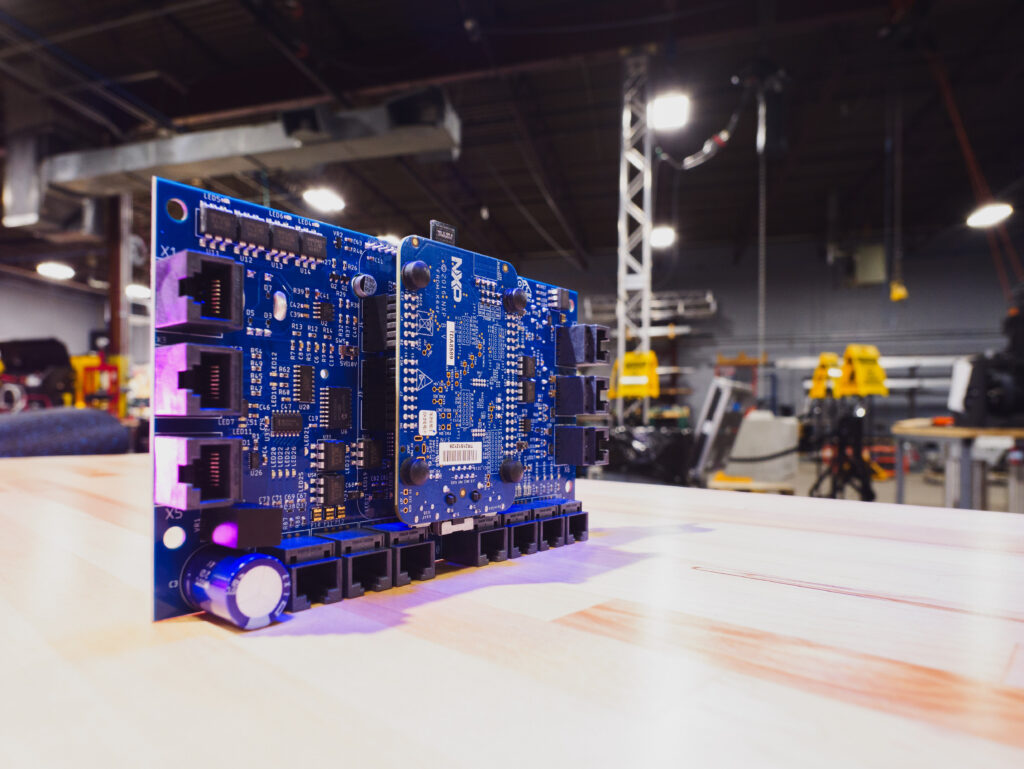
At the core of the company’s hardware ecosystem is the Stagehand, a standardized control box that interfaces with variable-frequency drives (VFDs), encoders, and safety interlocks. The Stagehand serves as the local execution layer for cues generated in Creative Conners’ proprietary Spike Mark software. These cues dictate travel speeds, positional coordinates, dwell times, and synchronization across multiple axes.
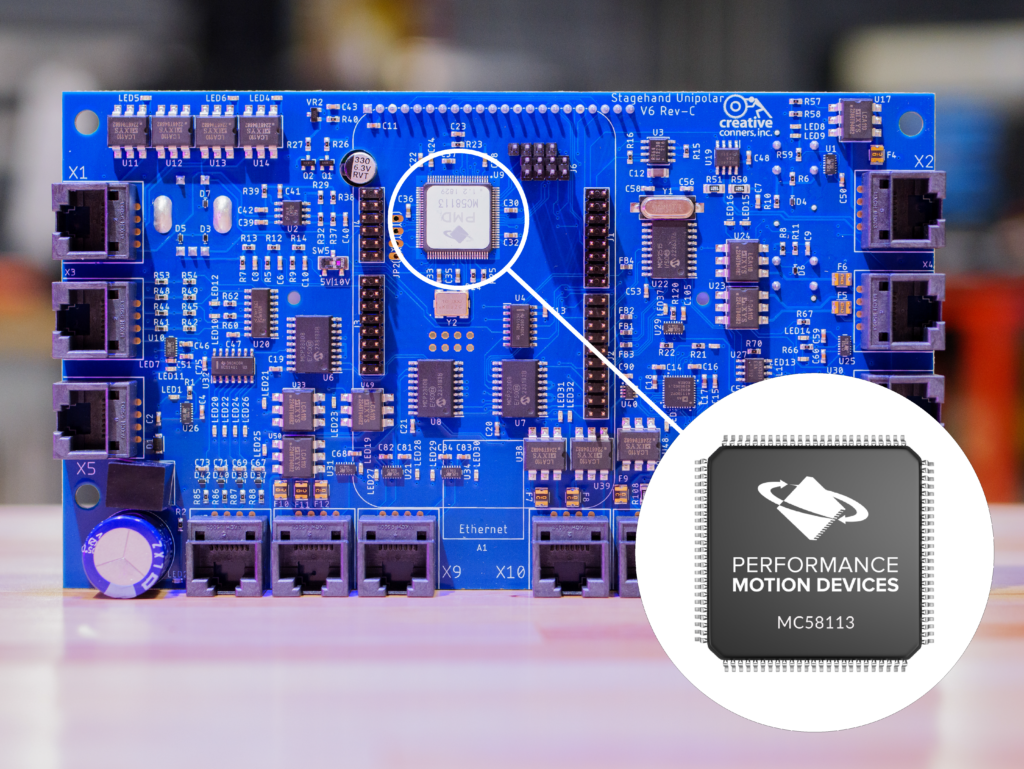
To maintain its competitive edge and overcome persistent hardware limitations, Creative Conners recently overhauled its flagship Stagehand control printed circuit board (PCB) by integrating Performance Motion Devices’ (PMD) Magellan MC58113 motion control IC. This upgrade has injected a new level of performance, reliability, and design flexibility into the company’s product line, unlocking asymmetric acceleration and deceleration profiles, absolute encoder support, bidirectional ±10-V analog signaling, and accelerated firmware development via PMD’s C-Motion API.
Chronology
The Legacy Era and Growing Technical Bottlenecks
For years, Creative Conners relied on legacy motion control integrated circuits supplied by Texas Instruments (TI) to power its Stagehand controllers. While these components served the company during its formative growth years, technological stagnation eventually set in.
As stagecraft demands grew more sophisticated, the legacy chips proved too rigid. Engineers found themselves constrained by symmetric acceleration and deceleration profiles—meaning any parameter set for acceleration had to be symmetrically applied to deceleration. Furthermore, acceleration parameters could not be modified dynamically on the fly. This posed severe challenges for complex maneuvers like performer flying effects, where motion characteristics must adapt continuously throughout a single cue.
The Supply Chain Crunch
Compounding these functional roadblocks were mounting supply chain vulnerabilities. As the legacy motion controllers aged, sourcing them became increasingly difficult. The disruptions of the global pandemic further exposed the fragility of relying on older silicon, prompting Creative Conners leadership to actively scout for a modern, reliable, and highly capable replacement.
The PMD Integration and Prototyping Phase
After rigorously evaluating several alternatives on the market, Creative Conners’ engineering team selected the Magellan MC58113 motion control IC from Performance Motion Devices. Paired with an updated microprocessor and a local Human-Machine Interface (HMI) display, the MC58113 became the computational heart of the redesigned Stagehand PCB.
During the development phase, the engineering partnership proved exceptionally collaborative. When Creative Conners required a higher encoder resolution than what was supported by the standard implementation, PMD delivered a custom firmware update in roughly one week, preventing any schedule slippage.
Modern Deployment and Future Horizons
Today, the MC58113-powered Stagehand is fully integrated into Creative Conners’ manufacturing and rental workflows, driving machinery across global tours and regional stages alike. Looking forward, the company is actively exploring PMD’s multi-axis motion controllers for tighter synchronization and evaluating PMD’s ION/CME N-Series intelligent drives—particularly a 1,000-W power variant—to develop a new generation of smart, decentralised stage machinery.
Supporting Data
The transition from legacy silicon to PMD’s Magellan architecture unlocked several critical engineering and operational benchmarks for Creative Conners:
Asymmetric Motion Control: The MC58113 freed engineers from symmetric constraints, allowing rapid, punchy acceleration onto the stage coupled with smooth, deliberate, and visually pleasing deceleration profiles.
Absolute Encoder Integration: The adoption of absolute encoders ensures that positional data is never lost, even during complete power outages. This is crucial for manual rescue operations where stage mechanics must be hand-cranked using mechanical brakes while controllers are shut down.
Bidirectional ±10-V Signaling: By integrating an external Digital-to-Analog Converter (DAC) with the PMD controller, the team successfully restored bidirectional analog speed signaling (where negative voltage represents reverse motion and positive voltage denotes forward motion), vital for controlling legacy hydraulic valves.
Development Velocity: PMD’s C-Motion C/C++ software library replaced low-level serial communication coding and manual message-packing routines with a high-level, command-driven API. This single software addition dramatically reduced firmware development cycles.
Rapid Turnaround Support: PMD’s engineering team delivered a specialized encoder-resolution firmware update in approximately one week during the prototyping phase.
Future Power Scaling: Evaluation of the PMD ION/CME N-Series intelligent drives targets a 1,000-W power output threshold, paving the way for on-board drive electronics that minimize system size and weight while maximizing lifting capacity.
Official Responses
The operational and creative impact of the PMD integration is best illustrated through the insights of the engineering team leading the transition.
Christian Basse, Senior Controls Engineer at Creative Conners, emphasized the philosophical alignment between the hardware choices and the company’s artistic goals:
"We design and manufacture the machines and controls and then write the software."
Addressing the severe limitations of their previous component choices, Basse noted:
"On the old IC, we were locked to symmetric accel/decel. Whatever you loaded for the acceleration you had to use for decelerate. We want to hurry up, get onto stage, get moving… but then we want a nice, smooth, deliberate-looking stop."
Highlighting the critical safety and operational advantages of absolute encoders during emergency scenarios, Basse explained:
"If it’s going to move without the machine and the controls being powered, you’re not going to lose the position. This is critical in rescue scenarios, where a performer may need to be manually lowered using mechanical brakes while the controller is powered off. When power is restored, the system still knows exactly where it is."
Basse also underscored the importance of precision over mere mechanical motion:
"We really care about the quality of motion… not just that it looks nice, but that it’s where it’s supposed to be when it’s supposed to be."
Reflecting on the integration process and the efficiency gained through PMD’s software ecosystem, Basse praised the API architecture:
"When we moved to a newer TI controller, we lost that bidirectional signal. Moving to the PMD controller gave us the ability to throw in an external DAC and do a bidirectional signal again… [And] PMD’s C-Motion C/C++ software library saved so much time and has been invaluable to us."
Implications
The successful integration of Performance Motion Devices’ MC58113 into the Creative Conners Stagehand ecosystem carries significant implications for both the entertainment technology sector and industrial motion control at large.
Democratization of High-End Stagecraft
By streamlining the hardware platform and improving reliability, Creative Conners has solidified its unique market position. High-end touring acts and resource-constrained regional or high school theater departments utilize the exact same underlying control architecture. This democratization of professional automation tools raises safety standards and production values across the entire live entertainment spectrum, proving that sophisticated motion control does not need to be prohibitively complex or fragile.
Supply Chain Resilience in Specialized Engineering
The shift away from aging Texas Instruments silicon highlights a broader industrial lesson: vendor longevity, responsive technical support, and modern software libraries are just as critical to component selection as raw performance metrics. PMD’s ability to deliver custom firmware updates within a week demonstrated a level of vendor partnership that safeguards OEM manufacturers against unforeseen supply chain shocks.
The Future of Smart, Decentralized Stage Machinery
Looking ahead, Creative Conners’ exploration of PMD’s ION/CME N-Series intelligent drives signals a paradigm shift toward decentralization in stage automation. By potentially mounting 1,000-W drive electronics directly onto the physical machinery rather than housing them solely in external control racks, the company can drastically reduce cabling complexity, lower system weight, and enhance lifting speeds. As entertainment venues demand increasingly immersive, kinetic environments, the synergy between advanced IC design and creative engineering will continue to push the boundaries of what is possible on stage.