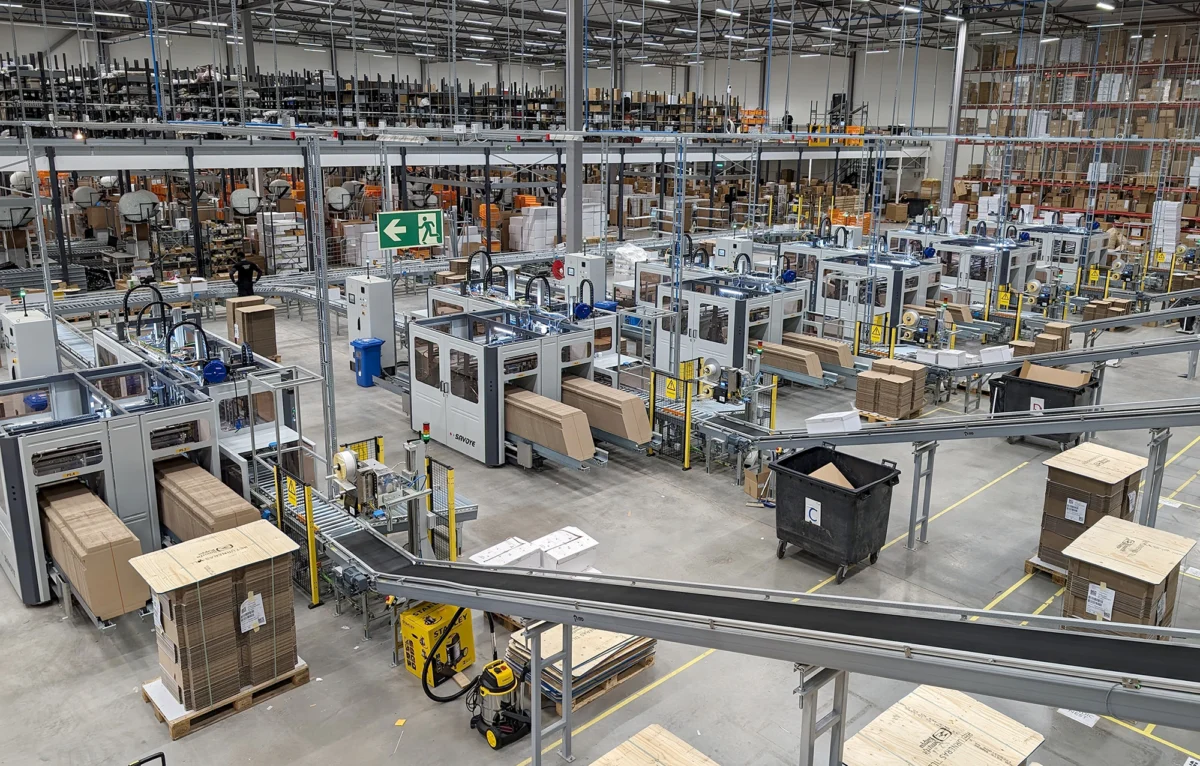
For years, the robotics industry has been captivated by the "wow" factor. We have watched viral videos of humanoid robots performing parkour, playing musical instruments, or delicately manipulating household items with human-like precision. While these demonstrations are undeniable feats of engineering, they often mask the harsh reality of industrial deployment. According to Nicolas Sauvage, founder and president of TDK Ventures, the industry has reached a critical inflection point: the difference between a successful laboratory demonstration and a commercially viable robot is no longer about adding more degrees of freedom, but about achieving unprecedented levels of systemic reliability.
As physical AI continues to evolve, the true bottleneck for the robotics sector is not the lack of dexterity—it is the lack of "industrial-grade" consistency.
The Myth of the 99% Success Rate
In the world of software engineering, 99% uptime is often considered an acceptable benchmark. In the physical world of robotics, however, a 99% success rate for a single task can be a catastrophic failure.
Consider a standard industrial workflow requiring a sequence of 100 distinct physical actions—picking, orienting, inspecting, and placing components. If a robot achieves a 99% success rate per action, the probability of completing the entire sequence without human intervention is a dismal 36.6%. In an environment where every minute of downtime costs thousands of dollars, a machine that requires a human reset every three cycles is not an asset; it is an administrative burden.
To achieve true autonomy, the industry must push toward "four nines" (99.99%) of reliability. At this level, the success rate for a 100-step workflow climbs to 99%, making the system a viable replacement for human labor. This mathematical reality underscores the fundamental challenge facing robotics startups today: moving from "functional" to "flawless."
The Anatomy of Dexterity: A Systemic Perspective
Historically, dexterity has been framed as a hardware challenge—the pursuit of the perfect, human-like hand with enough joints to mimic human fine-motor skills. However, Sauvage argues that this focus is misplaced. Customers do not pay for degrees of freedom; they pay for outcomes.
"Dexterity is a system, not a hand," Sauvage notes. A truly dexterous robot is one that integrates a closed loop of sensory feedback, including vision, force sensing, pressure monitoring, and proprioception. When a robot picks up a heavy or fragile object, it must sense not just the position of the item, but the subtle shift of its weight, the risk of slippage, and the environmental variables that might lead to a dropped load.
The goal is not to equip every robot with the most complex sensory array possible, but to provide enough of the right information to enable self-correction. If a grip begins to fail, a dexterous system should detect the slip and adjust its force in real-time, preventing a failure before it occurs.
Chronology of Progress: From Specialized Tools to Generalist AI
The evolution of robotics has seen a distinct shift in how we define "the right body" for the work.
- The Early Industrial Era: Robots were rigid, caged arms performing repetitive motions in controlled, static environments.
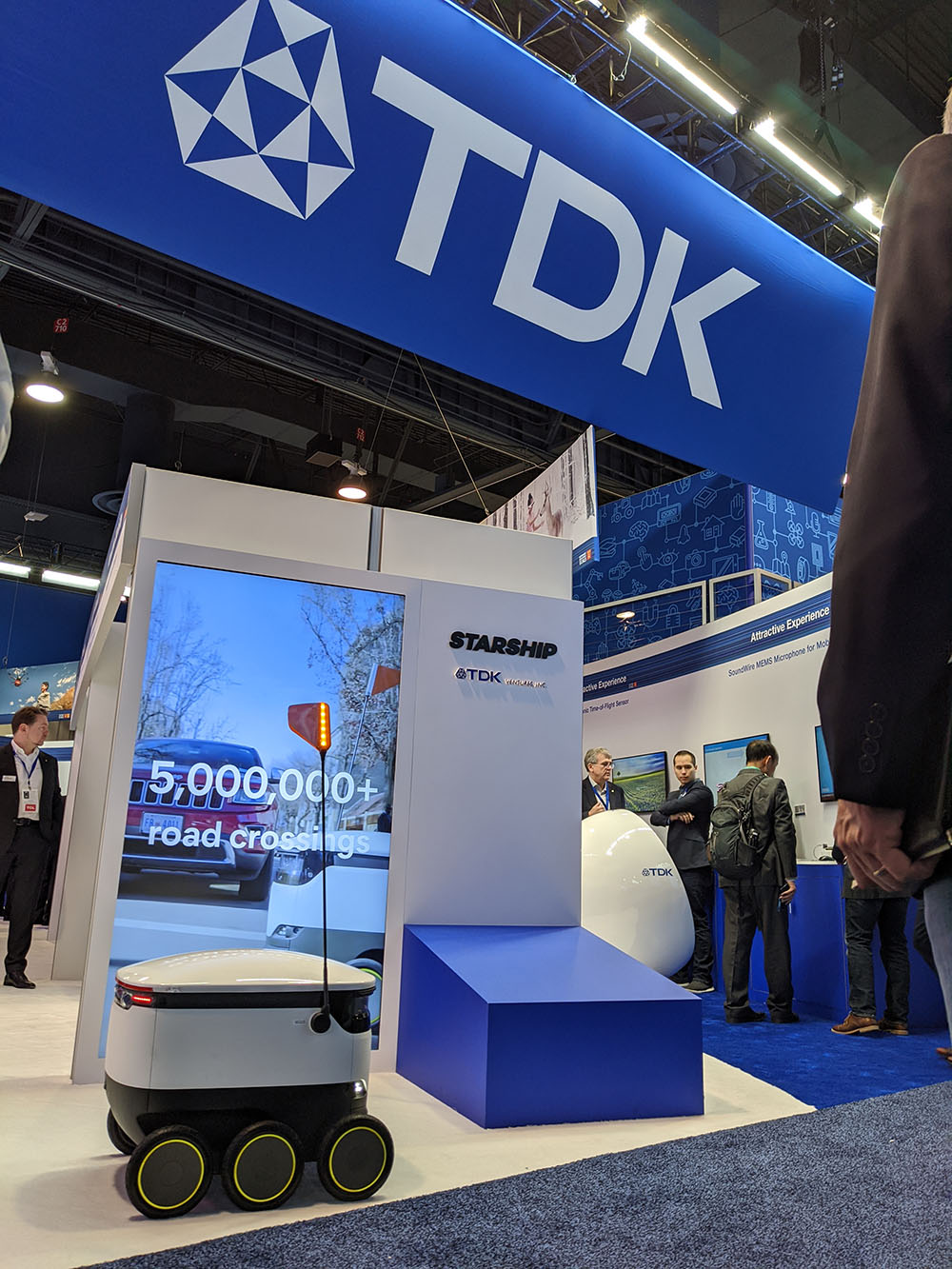
- The Rise of Purpose-Built Mobility: Companies like Starship Technologies proved that the best robot for a task is the one designed for its specific domain. By using wheels for urban pavement delivery, Starship has achieved over 10 million autonomous deliveries—a scale that would be impossible with a bipedal humanoid.
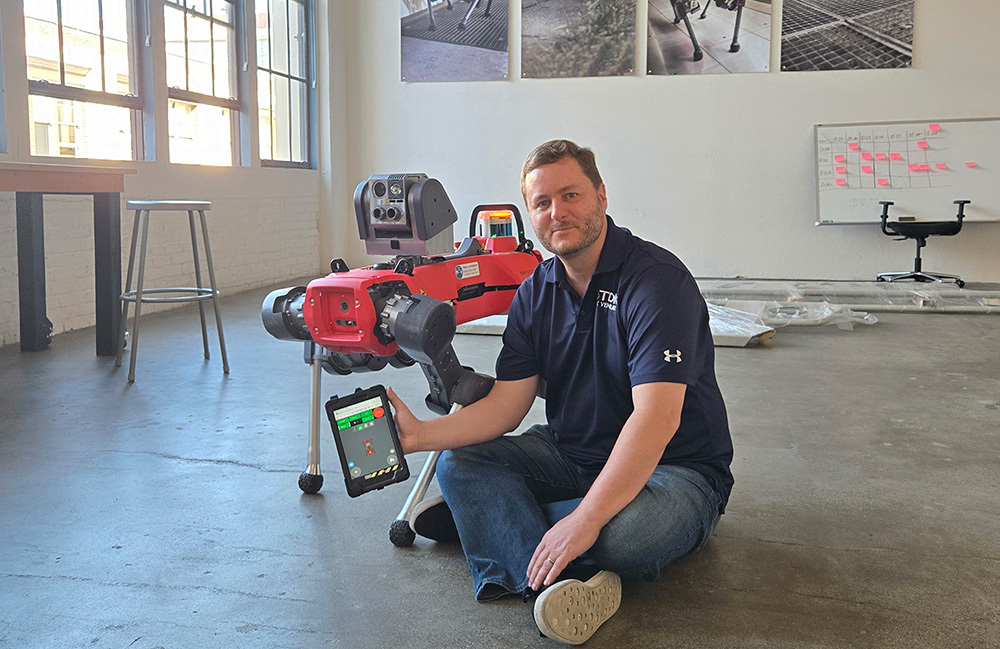
- The Inspection Revolution: ANYbotics introduced quadrupedal robots capable of navigating industrial staircases and uneven terrain, drastically reducing human exposure to hazardous environments. Their success in performing over 33,000 inspections proves that the "human form" is often a hindrance rather than a goal.
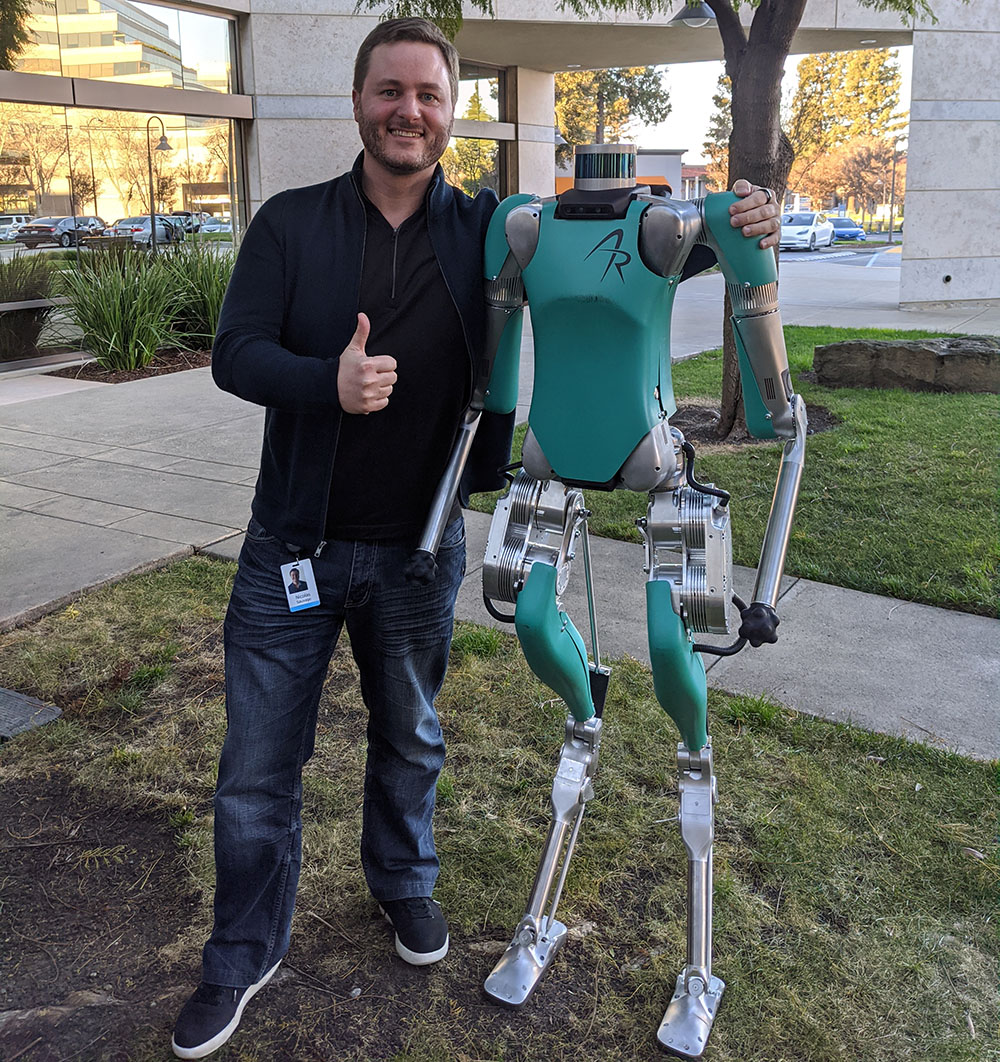
- The Current Era of Physical AI: We are now moving toward robots that combine sophisticated software with task-specific hardware, such as Agility Robotics’ Digit. Designed for logistics, Digit represents the move toward "minimum sufficient dexterity"—giving the machine exactly the form factor and capability it needs to excel at its job, no more and no less.
Supporting Data: Why Learning Outpaces Design
The path to four-nines reliability is paved with data. A robot that is deployed in a controlled testing facility will inevitably encounter "edge cases" in the real world: dust on a sensor, a slightly misaligned box, or subtle hardware wear-and-tear that wasn’t present on day one.
Real-world deployment acts as the ultimate feedback loop. Every failure is a data point. When a robot fails to grasp an object, that failure, once analyzed, informs software updates, sensor recalibration, or even mechanical design tweaks.
As TDK Ventures has observed through its portfolio companies, the most successful firms are those that treat their robots as "learning systems." The hardware might be the physical vessel, but the software stack—the "brain" that learns from thousands of hours of deployment—is the true value driver. Each cycle of deployment, failure, and learning makes the next iteration more robust and less costly to maintain.

Implications: Changing the Investment Lens
For investors and stakeholders, the metrics for success have fundamentally shifted. The "demo-day" style of presentation—where a robot does something clever once—is becoming obsolete. Instead, the focus has turned to the "unglamorous" KPIs:
- Mean Time Between Interventions (MTBI): How long can the robot work without human assistance?
- Recovery Rate: When a failure occurs, does the robot require a hard reboot, or can it self-correct and continue the task?
- Cost of Scalability: As the fleet grows, does the cost of maintenance and human oversight scale linearly or exponentially?
- Environmental Adaptability: How does performance fluctuate when lighting, temperature, or object placement changes?
Official Perspectives: The Road Ahead
As the industry prepares for major industry events like RoboBusiness 2026, the discourse is shifting toward the maturation of the market. The message from leaders like Nicolas Sauvage is clear: we have mastered the "cool factor" of robotics. The next, and far more difficult, challenge is the "trust factor."
"The industry has made extraordinary advances in what robots are capable of doing," Sauvage says. "Now, the challenge is turning those capabilities into systems that customers can trust to perform useful work repeatedly."
Conclusion: The New Definition of Success
The future of physical AI will not be won by the company that builds the most "human-like" robot, but by the one that builds the most reliable "job-completing" system. We must stop evaluating robots by what they can do in a video and start evaluating them by how they perform in the messy, unpredictable, and repetitive conditions of the real world.
By prioritizing recovery, systemic integration, and purpose-built design over aesthetic mimicry, the robotics industry will finally bridge the gap between innovation and utility. The "nines" of reliability are the true currency of the next decade of robotics, and they can only be earned through the rigorous process of deployment, learning, and iterative improvement. As we move forward, the most advanced robots will be the ones that, when faced with an unexpected failure, don’t just stop—they adjust, recover, and keep working.