In the rapidly evolving landscape of experiential marketing, the traditional "billboard and banner" approach is rapidly losing ground to high-octane, immersive storytelling. As brands compete for a shrinking window of consumer attention, they are turning to nostalgia, gamification, and hyper-personalized environments to forge deeper connections. This week, we examine five campaigns that are not merely advertising products but creating destinations—from the neon-lit aisles of a ‘90s video rental store to the high-stakes, real-world arena of a blockbuster film promotion.
1. The Angry Orchard Video Store: A Nostalgic Scream
Main Facts
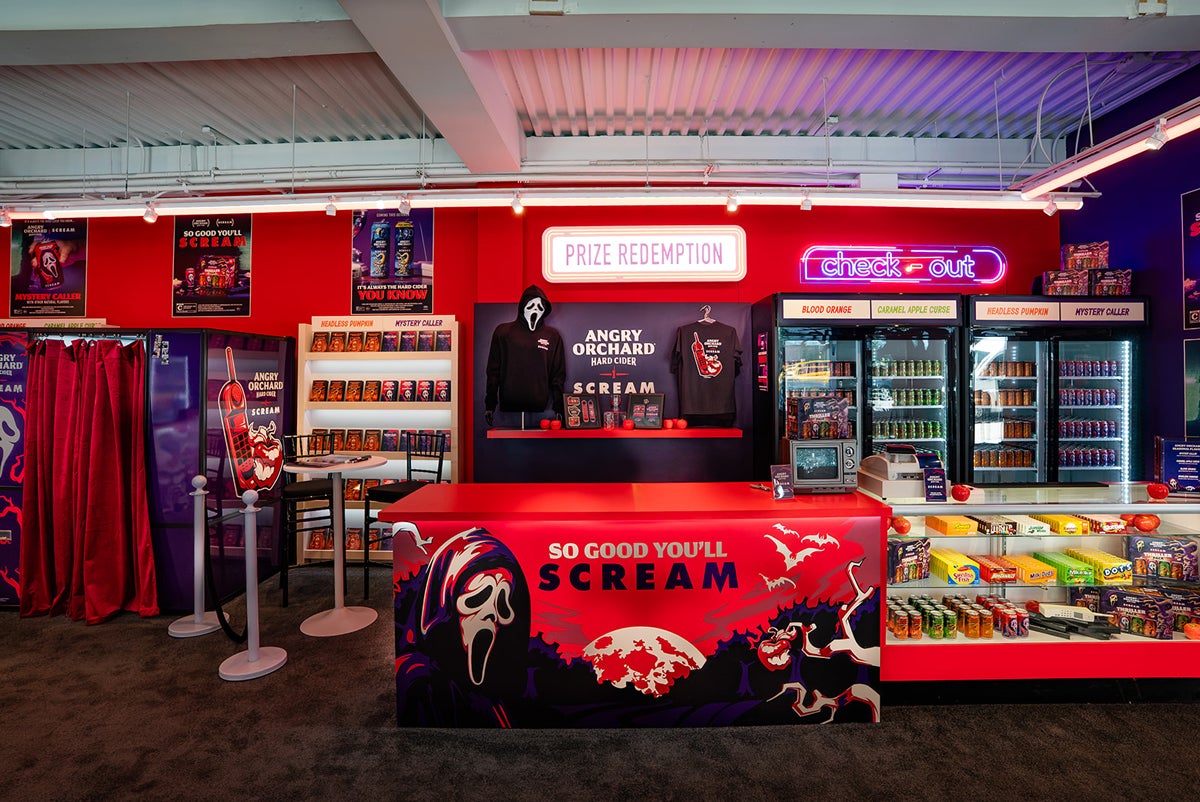
To celebrate the 30th anniversary of the cult classic Scream, Angry Orchard partnered with the franchise and Fun World to launch a specialized "Video Rental" pop-up in New York City (Oct. 2–3). The activation served as a promotional vehicle for their new Ghost Face-themed hard cider variety pack.
Chronology & Execution
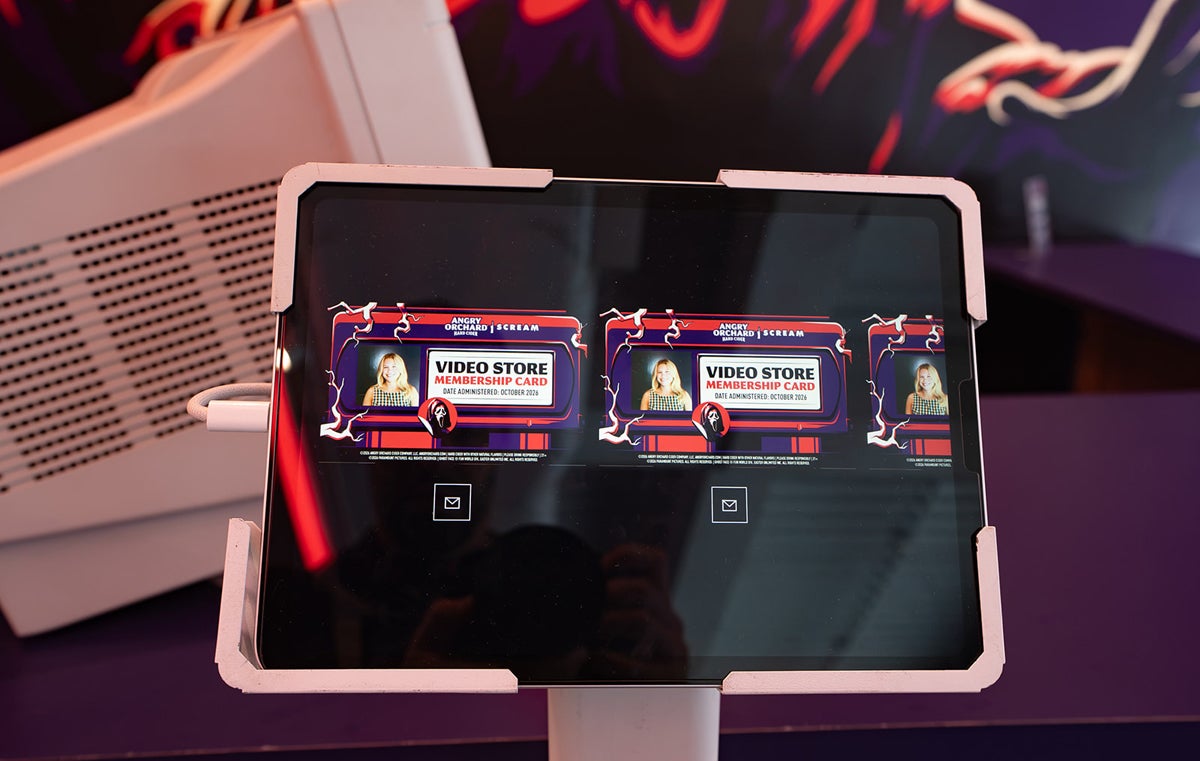
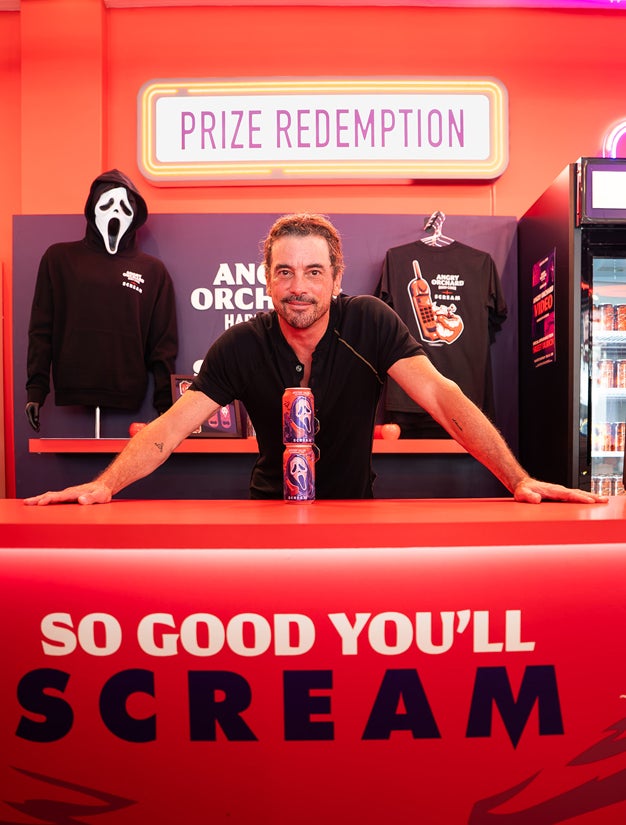
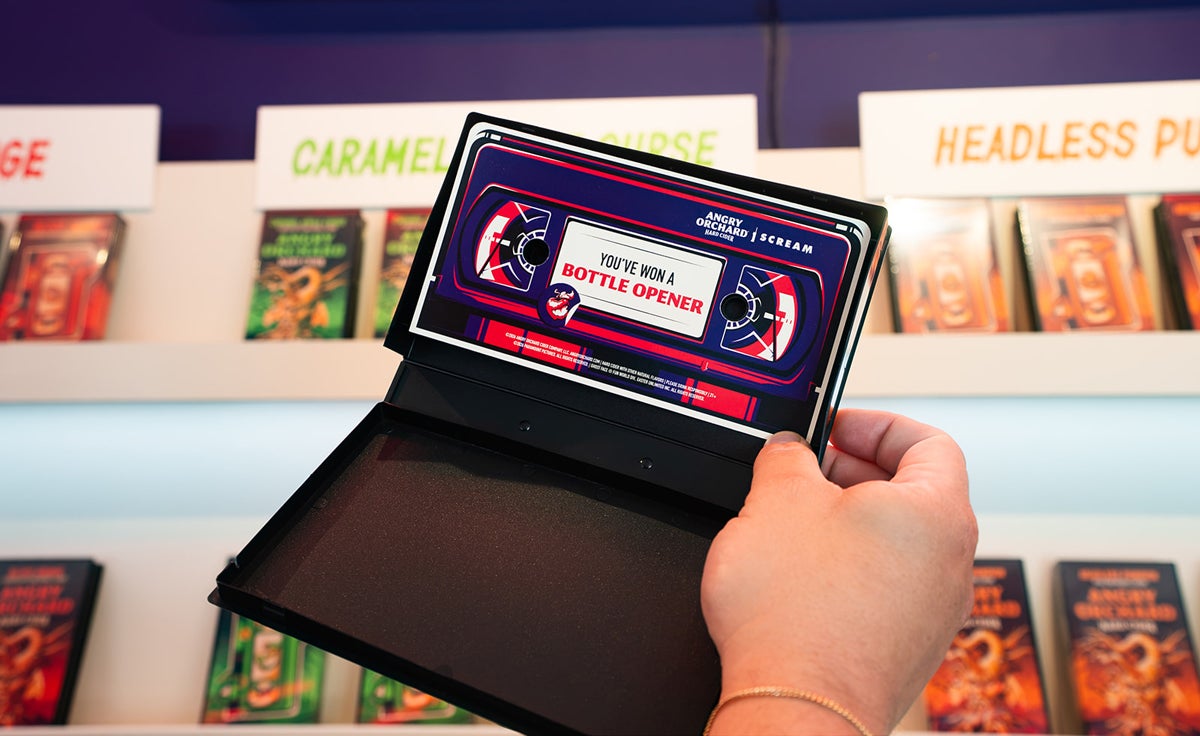
The experience was a masterclass in thematic immersion. Guests aged 21 and older were issued custom photo-membership cards upon entry, mimicking the physical media era of the 1990s. The space was meticulously designed to replicate the aisles of a classic video store, complete with concession stands and prize redemption counters. The activation featured cider tastings, photo booths, and a surprise appearance by actor Skeet Ulrich, who played the original Ghost Face in the 1996 film.
Implications
By leaning into the "VHS aesthetic," Angry Orchard tapped into the powerful force of 90s nostalgia—a potent marketing tool for the millennial demographic. The activation successfully transformed a product launch into a cultural moment, proving that when brands align with beloved pop-culture intellectual property, the product becomes secondary to the shared memory of the audience.
2. The Yotel x Hilton ‘Sleep Exchange’: Quantifying Comfort
Main Facts
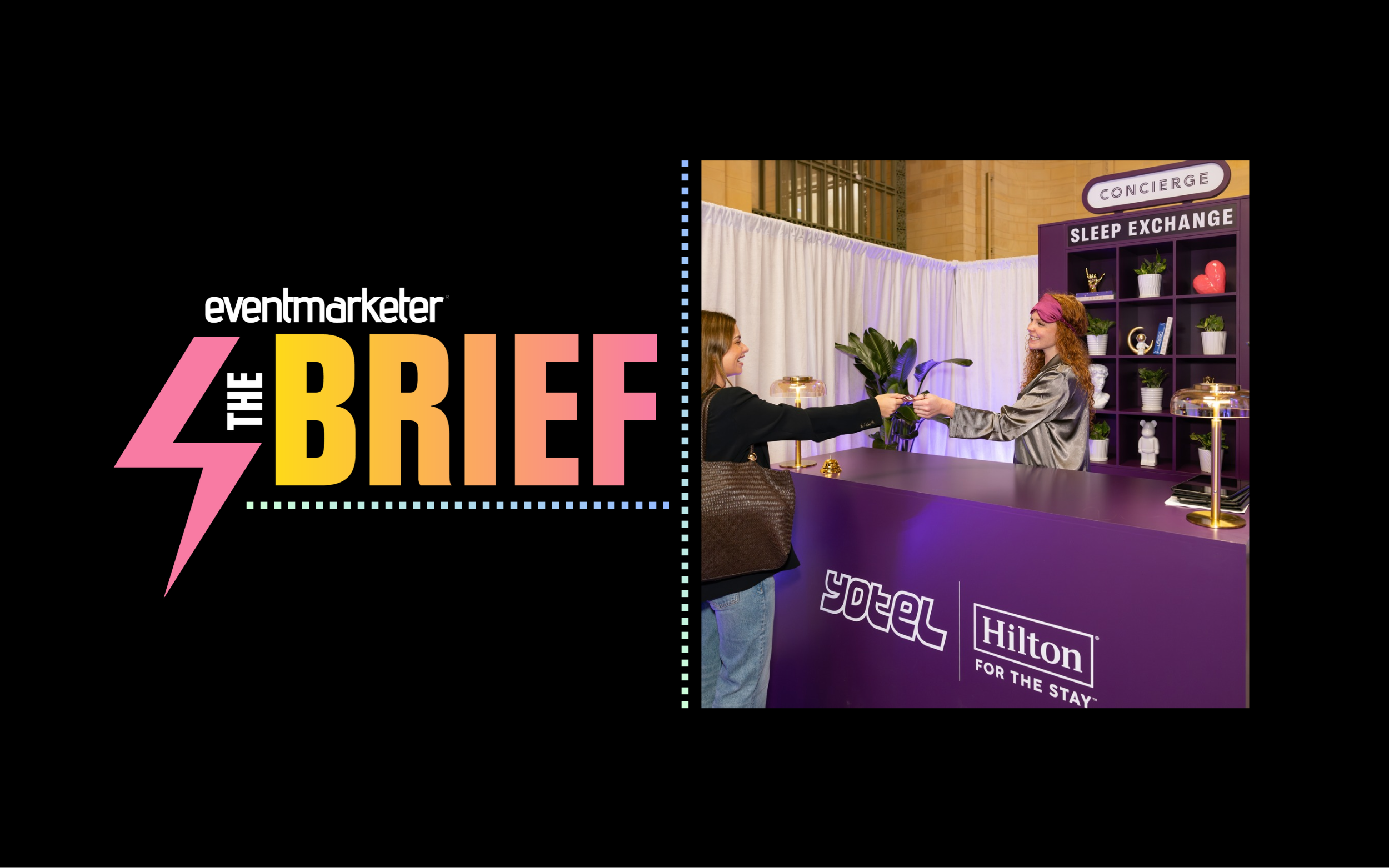
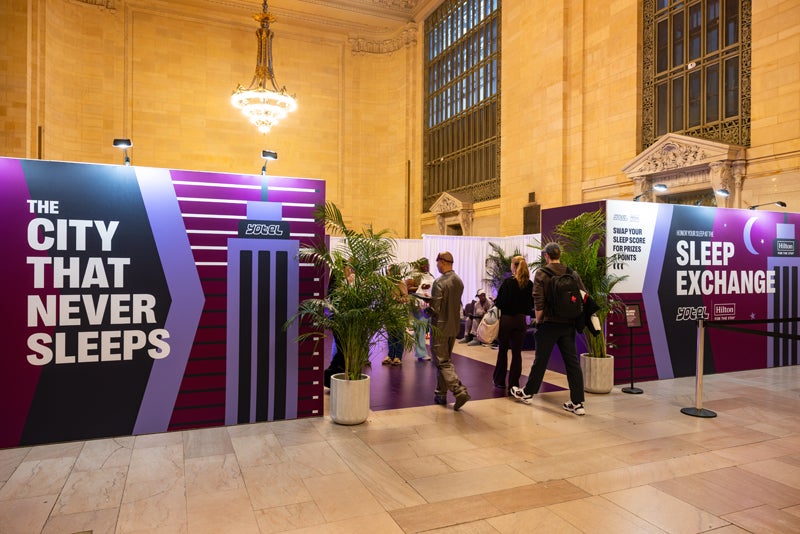
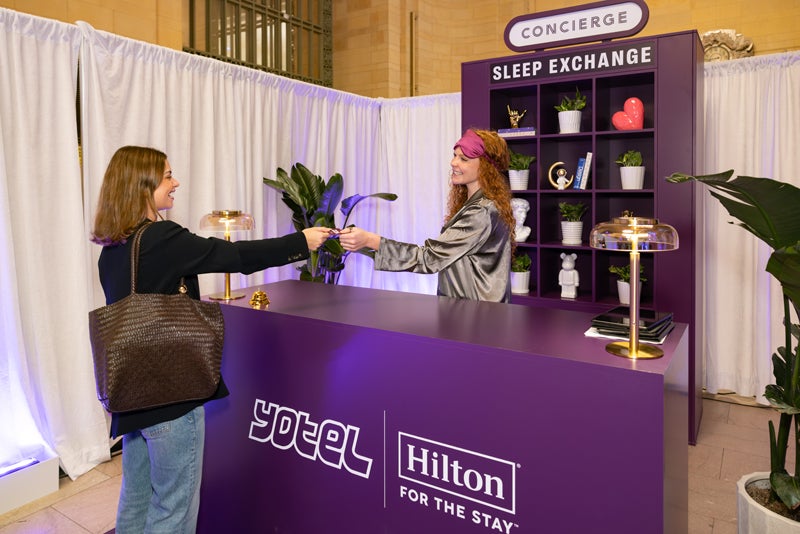
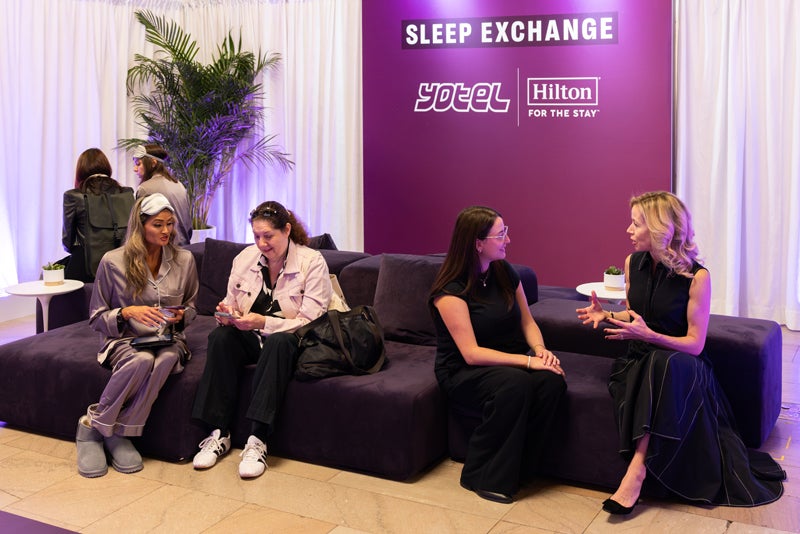
In a collaborative effort to promote their new partnership, Yotel and the Hilton Honors loyalty program launched the "Sleep Exchange" in Grand Central Terminal’s Vanderbilt Hall on Oct. 8. The event aimed to address the growing national anxiety surrounding sleep quality.
Supporting Data
The activation was rooted in hard data. According to surveys conducted by the brands, only 23% of participants reported having "good" sleep, with sleep scores averaging 70–79 out of 100. Perhaps more concerningly, 46% of respondents reported getting only five to six hours of sleep per night.
Official Responses
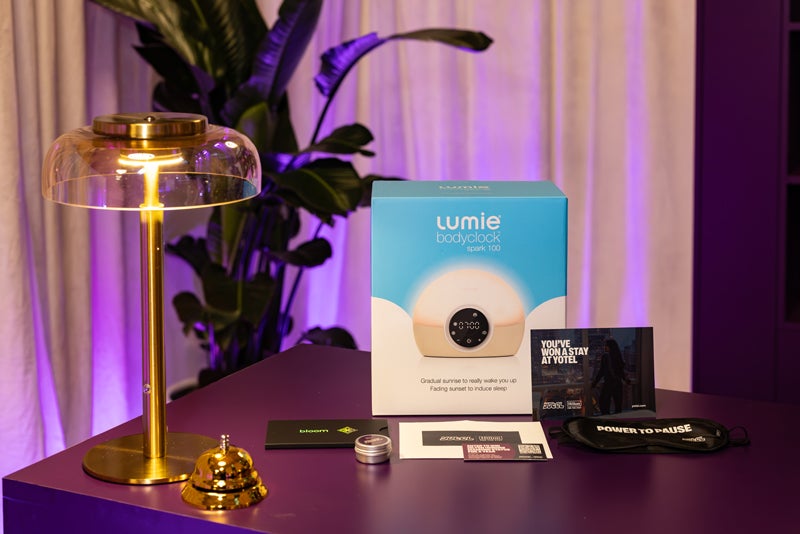
"The goal was to make the abstract concept of ‘rest’ tangible," noted representatives for the brands. By inviting sleep scientist Dr. Rebecca Robbins to provide one-on-one consultations, Yotel and Hilton transitioned from a traditional travel brand to a wellness partner. Participants were encouraged to trade their "sleep scores" for tangible rewards, including Hilton Honors points and Yotel stay vouchers.
Implications
This campaign highlights a shift toward "utility-led" marketing. Rather than simply selling hotel rooms, the brands provided a service (sleep education), thereby positioning themselves as solutions to a major urban pain point. It is a sophisticated use of data-driven storytelling to build brand loyalty.
3. The Lurpak 125 Good Food Vault: A Culinary Time Machine
Main Facts
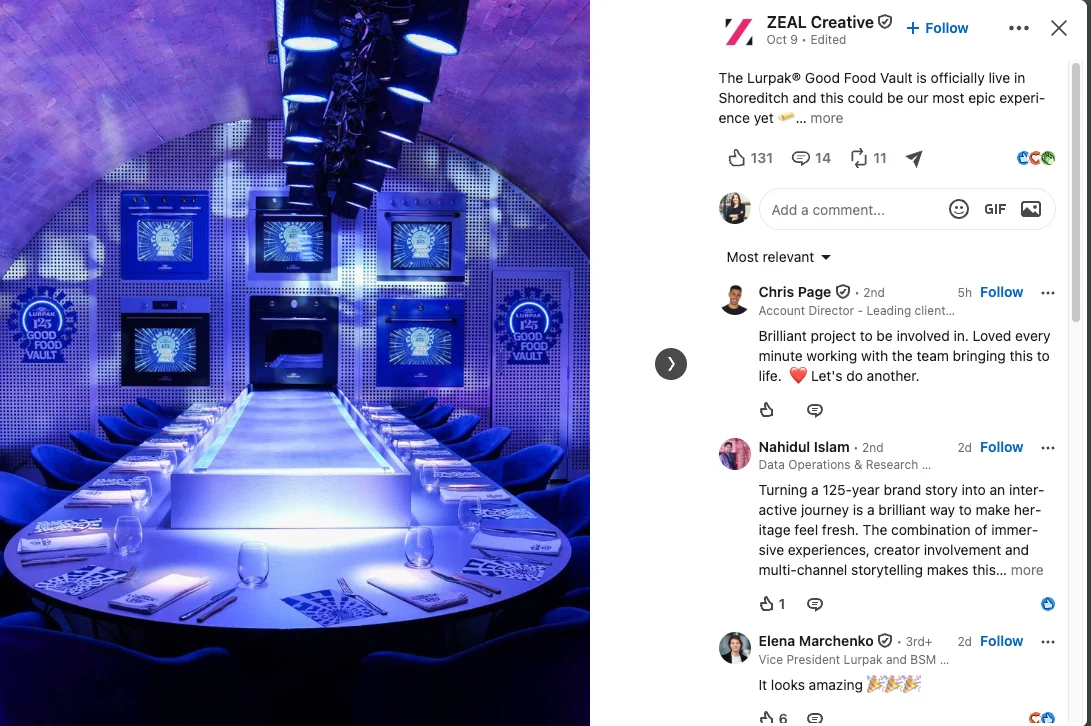
Lurpak celebrated its 125th anniversary by hosting "The Good Food Vault" at Kachette in Shoreditch, London, from Oct. 7–9. The event was designed to pay homage to the brand’s deep roots in British culinary history.
Chronology & Execution
The activation functioned as a multisensory journey through five distinct eras of British cooking. Attendees were guided through a two-hour dining experience involving an interactive conveyor belt and a "time machine" composed of ovens. Guests were tasked with "smashing" and "playing" with ingredients to finalize their courses. For those who could not secure a reservation, a public event on Oct. 6 allowed fans to unlock the vault door and receive a celebratory anniversary cupcake.
Implications
Lurpak successfully bridged the gap between heritage and modern interactive theater. By gamifying the act of cooking, they moved their product from a commodity (butter) to a central component of a creative experience. The "Vault" concept acts as a clever metaphor, suggesting that high-quality ingredients are a treasure worth protecting and celebrating.
4. Street Fighter in Times Square: The IRL Arcade
Main Facts
To promote the upcoming Street Fighter feature film, Paramount Pictures transformed Times Square on Oct. 7 into a live-action battle arena. The event allowed the public to engage directly with the film’s IP through interactive technology.
Chronology & Execution
The centerpiece was a massive, functional arcade machine integrated into a stage setup. Passersby were invited to control the movements of live-action stunt performers in the arena, essentially playing a real-life version of the iconic game. The energy hit a fever pitch when cast members, including 50 Cent, joined the fray, turning a promotional stunt into a viral social media event.
Implications
This is a prime example of "gamification at scale." By giving the audience control over the action, Paramount moved beyond passive observation to active participation. In a saturated media landscape, allowing fans to "play" the movie before it hits theaters creates a visceral link between the audience and the content.
5. Heineken’s ‘Foosballer Table’: Fandom Reimagined
Main Facts
Heineken has expanded its sports portfolio through a global partnership with the Baller League, a fast-growing, six-a-side soccer competition known for its innovative rules and digital-first approach. To mark the collaboration, Heineken introduced the "Foosballer Table."
Execution & Design
The table is a high-end, bespoke creation featuring 12 playable figures modeled after top Baller League players. The design includes pub-centric details: integrated bottle holders, LED lighting, and mechanisms that trigger goal celebrations. These tables are being deployed to the Baller League Arena in Dagenham, England, as well as select Heineken Star Bars and pubs across the UK.
Implications
Heineken is demonstrating the power of "hyper-local" and "niche" engagement. Rather than focusing on generic global soccer, they are investing in the specific culture and personalities of the Baller League. By creating a physical piece of hardware (the table) that fans can use, they are embedding their brand into the social fabric of local pubs.
Synthesis: The Future of Experiential Marketing
Across these five activations, a clear pattern emerges: The era of the "passive spectator" is over. Whether it is the sleep-deprived commuter in Grand Central, the home cook in London, or the gamer in Times Square, brands are now requiring the consumer to do something to unlock the value of the brand.
Key Takeaways for Marketers
- Nostalgia as a Hook: The Angry Orchard Scream activation proves that tapping into specific cultural milestones (like the 30th anniversary of a film) creates an immediate, emotional bridge to the consumer.
- Gamification is Essential: The Street Fighter and Heineken activations show that when you give consumers a controller—literally or figuratively—you gain their undivided attention.
- Data as a Service: The Yotel x Hilton partnership demonstrates that brands can build credibility by providing useful, data-backed insights, rather than just advertisements.
- Multisensory Storytelling: The Lurpak vault proved that food marketing is most effective when it is tactile. By involving touch, sound, and smell, the brand transformed a 125-year-old history into a modern, engaging experience.
As we look toward the remainder of the year, it is evident that the most successful campaigns will be those that offer the consumer a sense of agency. By creating "phygital" (physical + digital) environments that are sharable, playable, and deeply thematic, these five brands have set a high bar for the industry. The future of marketing is not about talking at the audience—it is about providing them with a space where they can talk, play, and engage with the brand on their own terms.