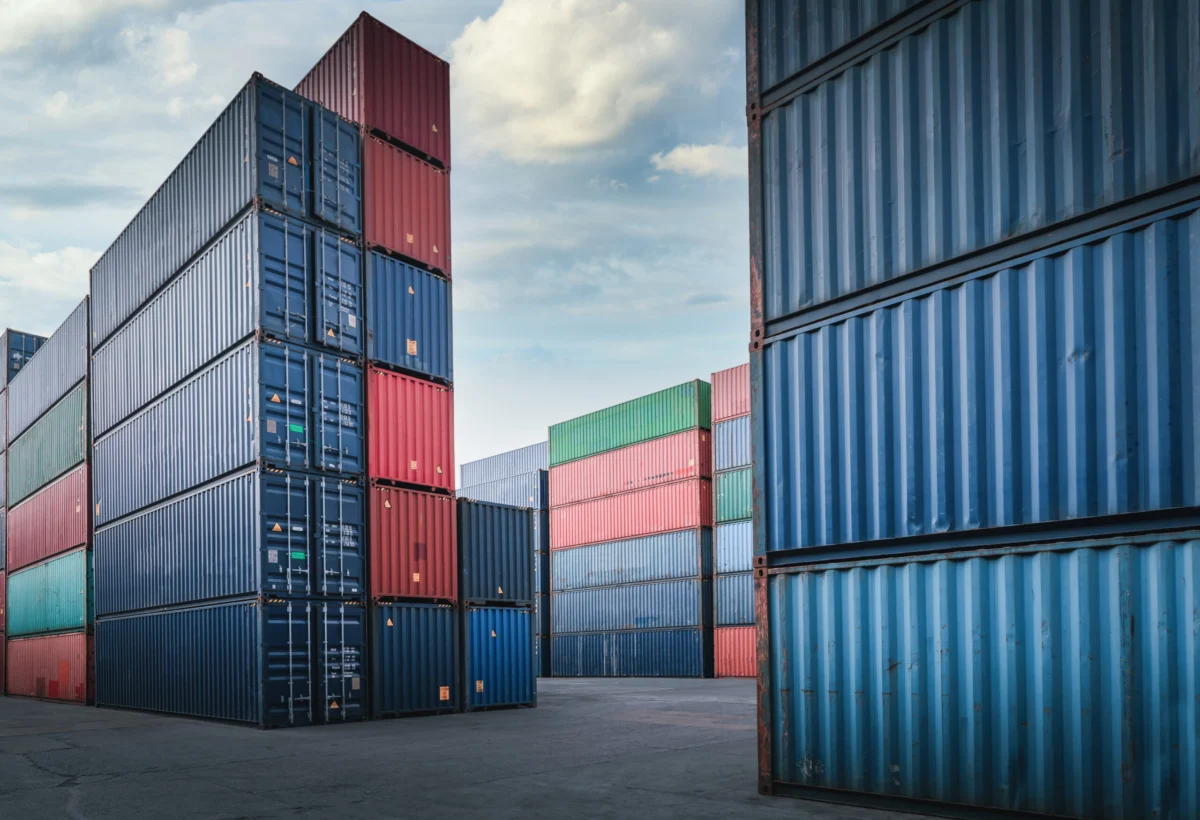
In an unprecedented display of industrial throughput, the Port of Los Angeles (POLA) has solidified its position as the preeminent gateway for trans-Pacific trade. According to recent data, the port processed a staggering 1,042,652 Twenty-Foot Equivalent Units (TEUs) in September, marking not only a new monthly record for the facility but also the highest volume ever handled by any port in the Western Hemisphere within a single month. This milestone serves as the crowning achievement of the busiest quarter in the port’s long and storied history, encompassing the period from July through September.
The surge in cargo reflects a complex confluence of economic recovery, strategic inventory management by global retailers, and a recalibration of international shipping routes forced by geopolitical and environmental instability. As the global supply chain continues to navigate post-pandemic volatility, the Port of Los Angeles has emerged as a vital stabilizer for the American economy.
The Anatomy of a Record-Breaking Month
The September performance was not merely an incremental gain; it was a decisive leap forward. Surpassing the previous record set in July 2023 by 23,000 units, the port’s latest figures underscore a robust demand cycle.
The volume of 1.04 million TEUs is categorized into three primary segments: loaded imports, loaded exports, and empty containers. Loaded imports were the primary driver of this growth, reaching 546,000 units—a 19% increase compared to September of the previous year and a remarkable 26% climb above the five-year average for the month. This surge in import activity signals that domestic retailers, anticipating a high-volume holiday shopping season, have aggressively replenished their inventories.
Simultaneously, the port facilitated the movement of 371,000 empty containers and 126,000 loaded exports. While the 10% year-over-year increase in loaded exports offers a glimmer of hope for American manufacturers and agricultural producers, this sector continues to lag behind the explosive growth seen in inbound shipments.
A Chronology of the 2025 Surge
To understand how the Port of Los Angeles arrived at this record-breaking peak, one must look at the trajectory of the third quarter of 2025.
- July 2025: The quarter began with steady growth, as importers began front-loading holiday goods to avoid potential supply chain bottlenecks later in the year.
- August 2025: The momentum accelerated, with the San Pedro Bay complex—comprised of both the Port of Los Angeles and the Port of Long Beach—continuing to show year-over-year gains. While the Port of Long Beach reported nearly 920,000 container units in August, the market sentiment was already pivoting toward a record-breaking September.
- September 2025: The "perfect storm" of peak season demand, favorable tariff conditions, and diverted cargo flows culminated in the 1.04 million TEU figure. This period represents the culmination of a months-long strategy by retailers to ensure that shelves across the United States remain stocked despite the global logistical headwinds.
Supporting Data: By the Numbers
The scale of the operations at the Port of Los Angeles is difficult to overstate. To process over one million containers in thirty days requires a level of synchronization between terminal operators, rail networks, trucking companies, and labor unions that is unparalleled.
Breakdown of September Cargo:
- Total TEUs: 1,042,652 (Record High)
- Loaded Imports: 546,000 units (+19% YoY; +26% vs. 5-year average)
- Loaded Exports: 126,000 units (+10% YoY)
- Empty Containers: 371,000 units
When viewing the San Pedro Bay complex as a singular entity, the scale becomes even more profound. Together, the ports of Los Angeles and Long Beach account for approximately 31% of all international waterborne container trade in the United States as of 2025. This concentration of trade makes the complex the single most important node in the North American supply chain.
Official Responses and Strategic Insight
Gene Seroka, the Executive Director of the Port of Los Angeles, has been instrumental in navigating the complex variables that led to this historic milestone. In briefings following the September data release, Seroka identified three primary drivers behind the cargo surge.
1. Tariff Stability and Cost Certainty
Seroka noted that tariffs, which had previously created a climate of uncertainty for importers, have stabilized compared to earlier cycles. By providing a more predictable cost structure, importers have been empowered to accelerate their inventory procurement, effectively "front-loading" their supply chain to mitigate the risk of future price hikes or geopolitical disruptions.
2. Environmental and Geopolitical Redirection
The global maritime landscape is currently marred by significant challenges, most notably the security and environmental crises impacting the Suez and Panama Canals. Drought conditions in the Panama Canal and security concerns in the Red Sea have forced shipping lines to re-evaluate their transit routes. Seroka emphasized that many carriers have identified the Port of Los Angeles as the most reliable and efficient route for goods arriving from Asia, viewing Southern California as the "fastest lane" to reach consumer markets across the American heartland.
3. The Export Gap
Despite the positive headlines, Seroka acknowledged that export volumes remain "softer than normal." He noted that the ongoing challenges faced by American farmers and manufacturers—ranging from strong dollar valuations to trade barriers—continue to impede the full recovery of the outbound sector. "We are moving more containers than ever, but the balance of trade remains skewed toward imports," Seroka stated.
The Economic and Geopolitical Implications
The success of the Port of Los Angeles is not merely a logistical achievement; it is a vital indicator of national economic health. Los Angeles Mayor Karen Bass underscored this in a recent statement, characterizing the port as a "critical economic engine."
Local and National Impact
The Port of Los Angeles is a major employer, supporting thousands of union jobs that provide the backbone for the local economy. Beyond the direct employment of dockworkers and warehouse staff, the port’s activity generates downstream economic activity in trucking, rail transport, and retail. When the port succeeds, the regional economy of Southern California thrives, and the national supply chain gains resilience.
A Global Competitor
The record-breaking volume also serves as a strategic statement on the global stage. As the world transitions toward more complex and fragmented supply chains, the ability of a port to handle massive volume with efficiency is a competitive advantage. By maintaining its status as the busiest port in the Western Hemisphere, Los Angeles ensures that the United States remains an attractive and efficient destination for global trade, resisting the pull of alternative trans-shipment hubs.
Challenges Ahead
While the current success is a point of pride, the record volume also brings inevitable strain on infrastructure. The ability to handle 1.04 million TEUs in a single month tests the limits of local highways, rail sidings, and warehouse capacity. The Port of Los Angeles must continue to invest in automation, green energy, and infrastructure modernization to sustain this level of throughput without succumbing to the congestion issues that plagued the industry during the 2021–2022 period.
Conclusion: The New Normal?
The September record is more than a statistic; it is a testament to the resilience of the global trade network and the central importance of Southern California in the world economy. As the industry looks toward the remainder of the year and into 2026, the Port of Los Angeles has set a high bar.
The confluence of factors—retail inventory replenishment, redirected shipping lanes, and improved cost certainty—has created a unique moment in history. Whether this volume represents a "new normal" or a temporary peak depends on how global retailers approach their 2026 strategies and how successfully the Port of Los Angeles can continue to manage the logistical complexities of an increasingly volatile world. For now, the Port stands as a beacon of efficiency, proving that even in an era of global disruption, the flow of goods remains the lifeblood of the modern economy.